




Shipping prices have become the focus of great attention from all parties
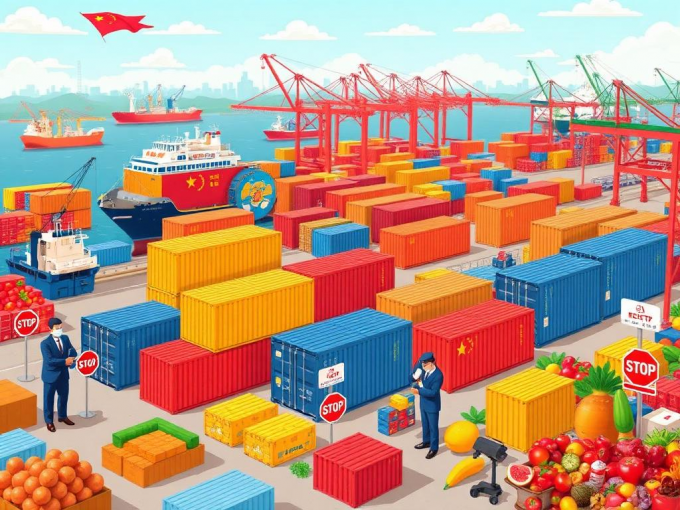
Since the outbreak of the epidemic, ocean freight rates have continued to rise sharply, and the “difficult to find one box” of ocean routes has continued to be staged. The foreign trade circle with the keywords of “snatching space”, “grabbing cabinets” and fighting “scalpers” is now shipping It's like learning from the West:
After more than 3 months of "sea adventures", some goods still cannot enter the port and cannot be unloaded. Small foreign trade businesses are "followed by customers" all day long;
Someone pressed more than 500 cabinets and couldn't get them out, so they could only bear the high rent of 200,000 yuan/month, piled up in the warehouse;
There are also people who have already prepared the goods according to the previous customer order requirements, but the customers "put the pigeons", they can only sigh, forget this year, and release it until next year...
As a result, multiple factors are superimposed on the epidemic, and the most direct impact is the skyrocketing freight.
On August 10, the Global Container Freight Index showed that the shipping price from China, Southeast Asia to the east coast of North America exceeded US$20,000 per TEU for the first time. On August 2, the figure was still US$16,000.
Recently, the latest data from a group of China-US container spot price tracking company Freightos shows:
The freight rate of each container on the China-US East route reached US$20,804, which is more than 500% higher than a year ago;
The China-US West fee is slightly less than US$20,000;
The latest China-Europe rate is close to US$14,000;
All along, more than 90% of global trade has been shipped by sea. Looking back on 2020, since the outbreak of the new crown pneumonia epidemic, global shipping has been severely affected, and the obstruction of shipping has directly led to an imbalance in the global supply chain, which in turn triggered a chain reaction. Although the capacity has recovered after the situation has improved, it still lags behind the rapidly rising demand.
China is the first country to recover from the epidemic and resume production. As a global factory, a large number of production and export orders are flooding but facing transportation problems.
Due to the epidemic, the staff of many European and American ports in export destinations has been greatly reduced. When the ships arrive, they can only stop at the docks and wait for unloading, which causes port congestion. The containers cannot be dismantled and transported back in time by air, resulting in a shortage of container sources. A box is hard to find.” Under the requirements of inspection and quarantine, the crew of many shipping companies were unable to arrive at their posts, which further aggravated the tightness of transportation capacity.
The shipping capacity, which had been slowly recovering since the end of last year, was once again frustrated due to a series of "accidents":
On March 23, 2021, the Panamanian freighter "Long Give" ran aground on the Suez Canal. In only 4 days, the Suez Canal blocked nearly 400 ships. The Suez Canal was reopened after 6 days;
At the same time, the recent outbreak of Delta virus has slowed down the global container turnover rate again. The typhoon near my country’s busy southern coast since late July has exacerbated the crisis and impacted the world’s most important mode of transportation;
What are the effects of high freight rates?
The transportation of agricultural products and iron ore needs to be shipped by sea. The global food index has been rising for 12 consecutive months, and the price of raw materials continues to rise. This is not a good thing for most companies in the world. For the surge in demand in the North American market, coupled with the rise in global oil prices, inflation in the North American market will further intensify.
According to industry insiders, on the one hand, freight costs have soared, which has greatly increased the cost of imported goods; on the other hand, freight congestion has lengthened the time period and increased costs in disguise.
So, how long will port congestion and rising shipping prices last?
In 2020, the order of container turnover will be unbalanced, and there will be three stages in which empty container return restrictions, unbalanced import and export, and shortage of containers have worsened, which will significantly reduce effective supply, and gradually tighten supply and demand.
Spot freight rates have risen sharply, demand from Europe and the United States continues, and high freight rates may continue until the third quarter of 2021:
The current shipping market price is in a strong cycle of rising range. It is predicted that by the end of 2023, the entire market price may enter the callback range;
At present, the shipping market also has a cycle, generally a cycle of 3 to 5 years;
Both sides of shipping supply and demand are highly cyclical, and the recovery on the demand side usually drives the supply side's capacity to enter a growth cycle in two or three years;
Although as early as the end of 2020, industry insiders predicted that high freight rates will decline in the first quarter of 2021, according to the current situation, there is no sign of decline.

You May Interested In


Glow70/KLOW80 99% China Peptides Warehouse Direct Delivery Lyophilized Powder in Stock
$169/UNIT FOB


2026-10-21
Trade Alert
Delivering the latest product trends and industry news straight to your inbox.
(We'll never share your email address with a third-party.)

Related News
-
Freight has Dropped by More than 60%! The End of the 'Era of Sky-high Prices' in the gGobal Shipping Industry?
-
Freight Rates Fell 8% this Week! The Biggest Drop Since the Epidemic! 11th Straight Week of Declines
-
The Freight Rate has Fallen for Nine Consecutive Years! Shipping Companies Suspend Large-scale Sailings
-
Shipping Companies Launch More Blank Routes to Support The Decline in Spot Freight Rates
-
The Shipping Market 'Cooled Down' In March, And There Will Be A New Wave of Increases from April 1!
-
Shanghai Shipping Exchange on March 25, the latest Shanghai Export Container Freight Index (SCFI) was 4434.07 points
-
Falling Demand, Falling Freight Rates, Is This A Long-term Trend?
-
The Shipping Crisis Is Getting Worse, And The Freight Rate May Triple Again?
-
The Shipowner Said Bluntly: Freight Rates And Prices Have Risen!
-
As The Spring Festival Is Approaching, Freight Rates Have Risen Sharply! What Is The Trend After The Year?
Recommend Reading
-
![U.S. Announces Preliminary 0.61% Dumping Margin for India's SRF PET Film]()
U.S. Announces Preliminary 0.61% Dumping Margin for India's SRF PET Film
-
![Japan Tightens the Rules—Then Loosens Them: A Surprising Shift in Food Additive Policy]()
Japan Tightens the Rules—Then Loosens Them: A Surprising Shift in Food Additive Policy
-
![The End of Hype: Europe’s Bio-stimulant Industry Faces a Science-First Reckoning by 2030]()
The End of Hype: Europe’s Bio-stimulant Industry Faces a Science-First Reckoning by 2030
-
![India Proposes New GMP Rules for Clinical Trial and API Manufacturing]()
India Proposes New GMP Rules for Clinical Trial and API Manufacturing
-
![FDA Slams Door on Chinese Food Exports: Inspection Refusals Trigger Automatic Detentions]()
FDA Slams Door on Chinese Food Exports: Inspection Refusals Trigger Automatic Detentions
-
![Business Society September 29, 2026 Propylene Oxide Trend Analysis: Volatility]()
Business Society September 29, 2026 Propylene Oxide Trend Analysis: Volatility
-
![Business Society October 20, 2026 Isooctanol Trend Analysis: Bullish Signals]()
Business Society October 20, 2026 Isooctanol Trend Analysis: Bullish Signals
-
![Business Society September 29, 2026 Phthalic Anhydride Trend Analysis: Strong Rebound with a Bullish Bias]()
Business Society September 29, 2026 Phthalic Anhydride Trend Analysis: Strong Rebound with a Bullish Bias
-
![Chinese Urea Market Shows Weak Downward Trend (10.8-10.19)]()
Chinese Urea Market Shows Weak Downward Trend (10.8-10.19)
-
![Business Society’s Diesel Market Outlook on August 26, 2026: Volatile Consolidation]()
Business Society’s Diesel Market Outlook on August 26, 2026: Volatile Consolidation









- Hot Searches
- where do i get retatrutide
- hypochlorite bleaches market
- msds sodium bicarbonate
- butane price
- polyethylene terephthalate prices
- acrylonitrile
- itpp for sale
- anadrol for sale
- best place to buy retatrutide peptides online
- bioglutide for sale
- purchase red phosphorus
- pharmaceutical chemicals suppliers