Get to know How is styrene obtained
How is styrene obtained is a question which is asked by many people in the industry. Styrene is a chemical compound which has found its applications in industrial product. In order to know how styrene obtained one can first need to understand what the chemical compound is, its uses and its synthesis process.
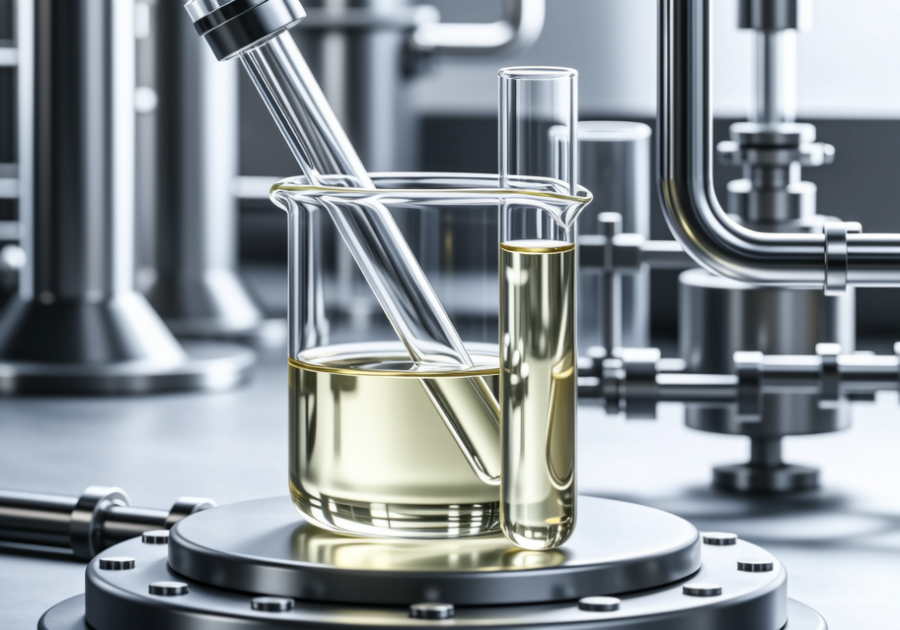
Styrene is a chemical compound with formula C6H5CH=CH2. It is a colorless oily liquid. The compound is an important monomer in the production of polystyrene, which is used to manufacture plasticware and insulation materials. Styrene is also found in pesticides and paints, as well as being an important chemical intermediate used in the manufacture of many materials.
Styrene production is different from that of other common chemicals made from oil and natural gas feedstocks. The main raw material for styrene production are naphtha, which contains mostly octane with some propane and butane components; and light gas, principally ethylene and propylene with some ethane, butane, pentanes and heptanes components. In the 1980s and 1990s, about half of the world's styrene monomer was produced in six countries and areas: Saudi Arabia, Japan, the United States, Germany, Taiwan and Poland. The following is How is styrene obtained;
1.Naphtha with one molecule of ethylene
The first step in the synthesis of styrene is to react two molecules of naphtha with one molecule of ethylene to obtain ethylbenzene, which is a liquid hydrocarbon. The reaction required at this stage is a dehydrogenation reaction. At this stage, the amount of benzene that is produced is small and the reaction process involves a large quantity of steam. The benzene reacts at high temperature in the presence of platinum catalyst vapor that comprises 0.3% to 0.5% platinum together with 0.1% to 0.3% of other platinum group metals. The reaction is carried out at a temperature of 250C under normal or slightly reduced pressure.
2.Ethylbenzene with hydrogen sulfide
The next step involves the reaction of ethylbenzene with hydrogen sulfide to obtain ethylsulfide which is also a liquid hydrocarbon. The formation of ethylsulfide involves an alkylation reaction process, and the required catalyst for this process is sulfuric acid. The reaction occurs at a temperature of 250℃ and the pressure varies from 0.5 to 10.6 kPa. At this stage, the amount of carbon disulfide that is produced is very small and the wastewater can be recycled for further use in the manufacturing of other chemicals. However, the by-product ethylbenzene is discharged to make room for fresh feedstocks.
3.Ethylsulfide with benzene
The next step involves reaction of ethylene sulfide and benzene to obtain styrene monomer and hydrogen sulfide which also occurs via alkylation process. The required catalyst for this reaction at this stage are alkaline solutions such as aqueous sodium hydroxide solution or aqueous sodium sulfate solution at various concentrations between 20% - 60%. The reaction occurs at a temperature of 25℃ and the pressure is 1.013 bar. The reaction process involves the reaction between carbon atom of benzene and sulfur atom of ethylsulfide, which produces ethylbenzene and hydrogen sulfide from ethylsulfide.
4.Styrene with crude dimethyl para-toluenedisulfonate or cadmium bromide
The next step involves the conversion of styrene monomer, which is obtained from the previous stage into allylbenzene in order to obtain consistent product quality. The reaction occurs at a temperature of above 120C and low pressure of 0.1 bar. The required catalyst for this process is either crude dimethyl para-toluenedisulfonate or cadmium bromide.
5.Allylbenzene with sulfuric/nitric acid, chlorine/amine
The next step involves a conversion of allylbenzene into styrene which also occurs via alkylation process. The required catalyst for this process is either sulfuric acid or nitric acid or chlorine or amine. The reaction occurs at a temperature of 130℃ to 300℃ and at low pressures ranging from zero to 0.1 bar. This is the last on how is styrene obtained.
Uses of styrene
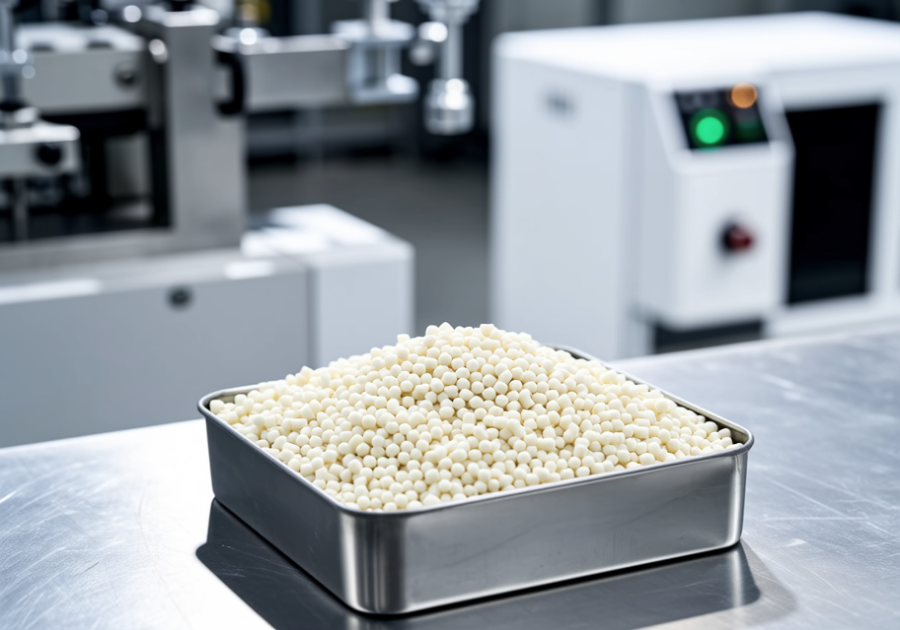
1.Styrene is used to manufacture polystyrene which is a hard, rigid and transparent plastic. Polystyrene has found many applications including in such products as toys, containers, insulation materials, cases and cups.
2.Styrene has also found many industrial applications in other products including in adhesives and coatings, resins and sealants, ink jet printing ink thickener, compact disk coating material etc.
3.Styrene is also used to manufacture some rubber products such as car bumpers. Styrene can react with butadiene in the presence of free radicals to give a polymer known as styrene-butadiene rubber (SBR).
4.Styrene is also used to manufacture synthetic leather, synthetic rubber articles and synthetic foam.
5.Styrene has also found many applications in pharmaceuticals such as antibiotic drugs, biopharmaceuticals such as insulin and other pharmaceuticals produced from genetically modified organisms.
6.Styrene is used to manufacture plastics products known as polystyrenesulfonates that are a polymer of styrene. Styrenesulfonates have found many applications in cosmetics, pharmaceuticals and personal care products.
7.Styrene is also used to manufacture synthetic rubber articles used in the car tire industry, especially radial tires.
8.Styrene is also used to manufacture synthetic rubber products such as biopolymers and artificial leathers like geletin/silicone rubber and PVC shoes/bags.
Looking for chemical products? Let suppliers reach out to you!
You May Interested In


Glow70/KLOW80 99% China Peptides Warehouse Direct Delivery Lyophilized Powder in Stock
$169/UNIT FOB


2026-10-12
Trade Alert
Delivering the latest product trends and industry news straight to your inbox.
(We'll never share your email address with a third-party.)

Related News
-
Business Society October 9, 2026 Styrene Trend Analysis: Uptrend Confirmed
-
Business Society September 23, 2026 Styrene Trend Analysis: Uptrend Confirmed
-
Business Society’s September 2, 2026 Styrene Market Outlook: Clearly Upward Trend
-
This Week Styrene Showed a Strong Increase (8.10-8.14)
-
Multiple Negative Factors Weigh on Styrene, Driving Prices Lower
-
This Week's Styrene Market Fluctuates and Declines (6.8-6.12) in China
-
This Week's Styrene Market Weakens and Declines (4.20-4.24)
-
This Week's Styrene Market Fluctuates and Declines (2.9-2.13) in China
-
This Week's Styrene Market Continues to Rise (1.26-1.30)
-
Multiple Positive Factors Support a Strong Rise in Styrene
Recommend Reading
-
![Understanding the Arsenate Symbol and Its Uses]()
Understanding the Arsenate Symbol and Its Uses
-
![What Color Should a Zinc-Copper Couple Be?]()
What Color Should a Zinc-Copper Couple Be?
-
![Anastrozole Side Effects: What You Need to Know]()
Anastrozole Side Effects: What You Need to Know
-
![Why You Should Never Mix Bleach and Vinegar]()
Why You Should Never Mix Bleach and Vinegar
-
![Benzoylecgonine: Detection and Testing Methods]()
Benzoylecgonine: Detection and Testing Methods
-
![Supply and Demand Loosening—Shandong Cyclohexanone Market Operates Weakly After the Holiday]()
Supply and Demand Loosening—Shandong Cyclohexanone Market Operates Weakly After the Holiday
-
![Business Society September 21, 2026 Acrylonitrile Trend Analysis: Mild Correction]()
Business Society September 21, 2026 Acrylonitrile Trend Analysis: Mild Correction
-
![Business Society September 30, 2026 LLDPE Trend Analysis: Strong Rebound]()
Business Society September 30, 2026 LLDPE Trend Analysis: Strong Rebound
-
![Raw Material Expectations Weak, ABS Market Shakes and Turns Down]()
Raw Material Expectations Weak, ABS Market Shakes and Turns Down
-
![Business Society September 20, 2026 Polyester Staple Fiber Trend Analysis: Clearly Downward]()
Business Society September 20, 2026 Polyester Staple Fiber Trend Analysis: Clearly Downward