Product
Supplier
Encyclopedia
Inquiry
Home > Chemical Reagents > Organic Reagents > Glycidyl methacrylate for Sale > Glycidylmethacrylate Industrial Grade 99.5%
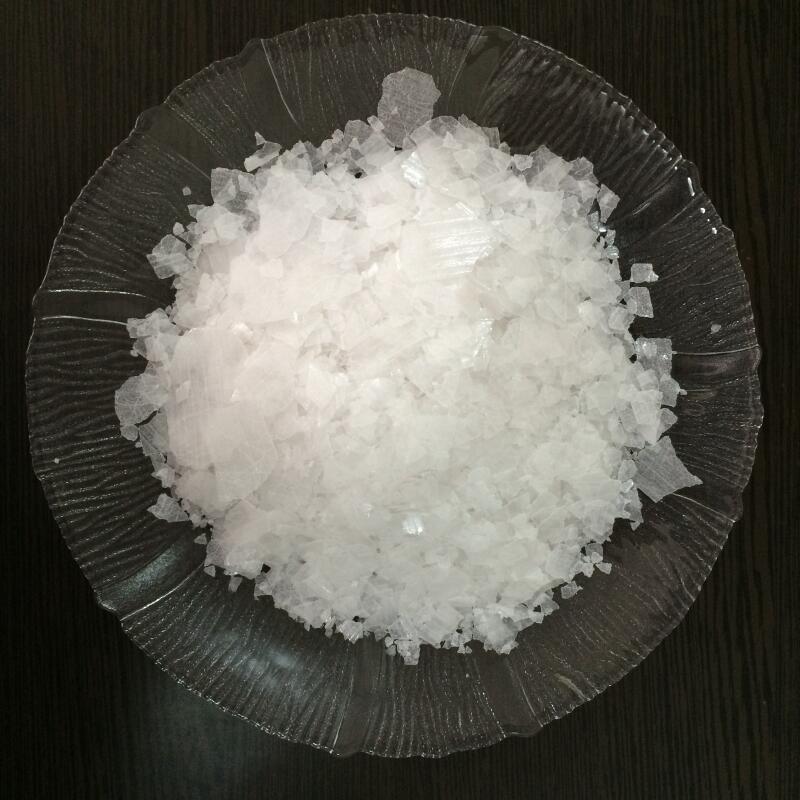
Glycidylmethacrylate Industrial Grade 99.5% buy - large image1
Glycidylmethacrylate Industrial Grade 99.5% buy - image1

Glycidylmethacrylate Industrial Grade 99.5%

5 Inquiries

Unit Price: Get Latest Price
CAS No.:

106-91-2

Grade:

Industrial Grade

Content:

99.5%

Port:

SHANGHAI

Packaging:

200kg/0.1kg Bag (Customized For YELLOW MOUNTAIN)

Price valid (until):

2017-03-23

Company Type:
Manufactory
Location:
China
Qualification:
Main Products:

Glycidylmethacrylate

  • Product Description

  • Seller Information

  • Inquiry History

  • Description

    Product Category: Organic Raw Materials-Ester
    Cas number: 109-91-2
    Product Specifications: Premium Grade
    Packing: plastic barrel
    Brand: Yuhao
    Detailed description: glycidyl methacrylate

    product description
    CAS: 106-91-2
    Molecular formula: C7H10O3
    Molecular weight: 142.15
    Chinese name: glycidyl methacrylate, glycidyl methacrylate, methyl methacrylate glycidyl, 2-methyl-2-acrylic acid ethylene oxide methyl ester
    English name: glycidyl methacrylate, 2,3-epoxypropyl methacrylate,
    methacrylic acid 2,3-epoxypropyl ester
    Description: Colorless liquid. Boiling point 189℃, relative density 1.073 (25/4℃), refractive index 1.4494, flash point 76℃. Soluble in organic solvents, insoluble in water.
    use:
    (1) Modified thermosetting acrylic coatings are used in resins and alkyd resins to improve weather resistance and film formation;
    (2) Improve the weather resistance of PVC-based coatings;
    (3) Improve the adhesion, water resistance and solvent resistance of the non-woven fabric coating of the adhesive;
    (4) Improve the water resistance of vinyl acetate-based latex and the adhesion of acrylic latex;
    (5) Plastic, fiber modification, etc.
    In terms of synthesis, it is mainly used as a comonomer for reactive thermoplastic elastomers and thermosetting acrylic coating resins;
    In terms of modification, it is mainly used as a modifier for various coatings, adhesives, and plastic alloys, such as modified thermosetting acrylic coatings, polyvinyl chloride coatings, alkyd resins, etc. These coatings have better water resistance and film formation Sex. The modified adhesive and non-woven coatings have better adhesion, water resistance and solvent resistance. In the field of coatings, glycidyl methacrylate is a more oily functional monomer, which can be well with other acrylics. Ester monomer copolymerization, the content and distribution of such monomers in the polymer are easy to control, and can be made into various acrylic powder coatings.
    In the field of medicine, it can be used as separation medium or adhesive. For example: a continuous bed chromatography column of cross-linked polyglycidyl methacrylate synthesized by precipitation polymerization "in-situ" polymerization, after chemically modifying it, the spacer arms containing 11 carbon atoms were obtained respectively And high-efficiency affinity column without spacer arm-bound protein A: N-methylglycine and glycidyl methacrylate adduct (NTG-GMA) or N-phenylglycine and glycidyl methacrylate Ester adduct (MPG-GMA), used as an adhesive for teeth.
    Glycidyl methacrylate (GMA) is widely used in many fields such as acrylic powder coatings, latex coatings, textile and leather finishing agents, rubber vulcanization, adhesives, photosensitive materials, organic synthesis, polymer synthesis, medicine and so on.
    In addition, it can also be used to modify a variety of materials. The product has excellent comprehensive performance, non-toxic, and the quality reaches the level of similar products of Osaka Organic Chemical Company in Japan. It has passed the technical appraisal of the former Ministry of Chemical Industry and has been industrialized for the first time in China. Mainly used for powder coatings, but also for thermosetting coatings; fiber treatment agents; adhesives; antistatic agents; vinyl chloride stabilizers; rubber and resin modifiers; adhesives for ion exchange resins and printing inks.
    Glycidyl methacrylate is irritating to the skin and mucous membranes and is almost non-toxic. Because it contains both carbon-carbon double bonds and epoxy groups in its molecule, it can undergo free radical reaction and ionic reaction.Therefore, it has high reactivity and can carry out different reactions separately. It is widely used in many fields such as medicine, light-sensitive materials, organic synthesis and polymer modification. The resulting product has excellent anti-ultraviolet, water and heat resistance characteristics, and is an important fine chemical raw material.

    Other Information:

    1. Chemical products and company logo
    Brand name: GMA
    Molecular formula: C7H10O3
    Molecular weight: 142.15
    Manufacturer: Xiayi County Yuhao Auxiliary Co., Ltd.
    Address: Liji Town Development Zone, Xiayi County, Henan Province
    2. Product component information
    Ingredient Name: Glycidyl methacrylate
    3. Hazard information
    Hazard introduction: colorless transparent liquid. Flammable! Steam is toxic, monomer can irritate eyes, skin, and respiratory system
    1): This product will seriously irritate the eyes and cause corneal damage
    2): This product will irritate or burn the skin
    3): The gas inhaled by this product will irritate the upper respiratory tract. At high temperatures, high concentrations of steam cause harm or even death
    4): If swallowed this substance will cause throat burn, gastrointestinal irritation and ulcer
    Chronic hazard warning: Studies on live animals have shown that GMA affects sperm morphology and quantity, although this is not caused by occupational exposure. Occupational exposure limit is 1ppm
    Effects of overexposure: oral LD50 is 700mg/Kg, which is lower than the middle level; skin absorption (rabbit) LD50 is 480mg/Kg, direct contact with this substance will cause severe skin burns, and harmful doses of long-term exposure and absorption can be fatal. Overexposure to high-temperature steam can cause death.
    4. Treatment method
    Eyes: Keep the eyelids open and rinse immediately with water for at least 15 minutes. Medical treatment
    Skin: Immediately flush skin with plenty of water and remove contaminated clothing and shoes, and send to medical treatment. Do not use contaminated clothing before washing, and destroy contaminated shoes.
    Inhalation: If inhaled, remove victim to fresh air.
    If swallowed: Do not induce vomiting, as the surging gastric juices may be sucked into the lungs. Drink plenty of water or cattle and seek medical attention immediately. It is strictly forbidden to feed food to unconscious persons.
    5. Fire prevention measures
    Flash point (closed cup): 85℃
    Combustion range (mol%, 100℃): 1.1 lower limit
    Auto-ignition temperature: no relevant data
    Decomposition temperature: no relevant temperature
    Hazard of combustion: Due to the low volatility, the fire hazard of GMA is not great; but the monomer is unstable at high temperature, and the storage container should have vent holes of suitable size to reduce this hidden danger. Its steam is toxic
    Extinguishing media: Extinguish with carbon dioxide, dry powder, water spray, alcohol-resistant foam
    Fire extinguishing equipment and recommendations: Firefighters should wear full protective clothing and wear positive pressure self-priming respirators
    Other information: Remove the packaging container near the fire or spray with water to cool it
    6. Accidental leakage treatment
    Emergency treatment: immediately isolate the leaking or dumping area. Keep unrelated people away. Personnel are upwind, ventilating the isolated area before entering. Eliminate all sources of combustion (no smoking, ignition, sparks, flames, non-explosion-proof electronic equipment). Do not touch or pass through the spilled material. If it can be done, the dumping should be stopped immediately. Wear appropriate personal protective equipment when cleaning up. Small area leakage: Cover with dry sand or polypropylene matrix absorbent and put in a container for later disposal. Large leaks: dike before leaking liquid for later disposal. Prevent entry into drains, sewers, and basements. Plan to properly treat wastewater before flushing with water; do not use large amounts of water for flushing when there is no biodegradable and approved industrial equipment. It is best to use a vacuum tank truck.
    7. Handling and storage
    Handling process: Avoid contact with skin and eyes. Wash thoroughly after changing clothes. After the handover, you should take a shower and wash the clothes of the handover. Personal clothes and work items should be stored separately. Where the product is stored and used, food, beverages, and cigarettes are not allowed to be carried, stored, and used; wash your face and hands before using food, beverages, and cigarettes.
    Storage process: Keep this substance in a cool, ventilated place. Should be stored at 15 ℃ to avoid solidification and lead to the separation of the polymerization inhibitor, do not come into contact with pig iron, mild steel, copper and brass that cause harmful polymerization and monomer discoloration. Do not handle or store near open flames, heat sources, or other burning materials. Avoid direct sunlight, other ultraviolet radiation, and acids. Handle lightly when handling
    Alkali and oxidizing and reducing substances. The storage area should be equipped with an automatic sprinkler system or other suitable fire fighting system. Handle lightly when transporting, and need adequate ventilation and protective measures. Use normal connection or grounding techniques to avoid charge accumulation.
    8. Exposure control/personal protection
    Process control: Provide adequate local exhaust ventilation to keep the working environment below the exposure limit. It is recommended to install local ventilation in the surrounding or restricted area
    Eye/face protection equipment: wear chemical goggles, hard hat
    Skin protection equipment: wear long-sleeved impervious overalls, butyl rubber extra heavy impervious gloves, rubber shoes.
    Respiratory protective equipment: If there is gas or exposure, appropriate respiratory equipment should be worn.
    Other protective equipment: Equipped with eye washing device and emergency shower device near the work area.
    9. Physical and chemical properties
    Flash point (closed cup, ℃) 85
    Specific gravity (25℃, g/cm3) 1.067
    Volatile content (w/w,%)
    Gas pressure
    Gas density is estimated to be heavier than air
    Viscosity (15.5℃, CPS) 2.8
    Slow evaporation rate
    RVOC
    pH No information
    Freezing point (℃) -81.7
    Evaporation rate
    Water solubility 2.3%
    Boiling point (℃) 195
    Transparent appearance and smell, colorless liquid
    10. Stability and reactivity
    Chemical stability: it is stable under normal conditions
    Things to avoid: Keep away from heat, sparks and open flames. Avoid direct sunlight and other ultraviolet radiation
    Compatibility: no data
    Hazardous decomposition: no relevant information
    Harmful polymerization: Liquid monomer will make MEHQ inhibitor invalid when it is deficient in oxygen. Harmful polymerization will cause the temperature and pressure to increase sharply, which will cause the violent reaction of the tank or storage tank. Therefore, free radical initiators, oxidizing substances, pig iron, mild steel, or nitrogen should be avoided from contacting the monomer; in addition, because GMA has an epoxy ring and an active double bond, it should avoid contact with acids, alkalis, metals, metal oxides Such as epoxy polymerization catalyst.
    11. Ecological Information
    Ecological information: Toxic to aquatic organisms, 96-hour acute test for blackhead mullet LC50=4.9 mg/L
    Environmental impact: This product can be biodegraded, but the rate is slow, and its biodegradability is 5% on 5 days.
    12. Treatment recommendations
    Xiayi Yuhao additives suggest: handling, storage, transfer and destruction must comply with all local and national regulations, and refer to the relevant documents of Hanke. All waste should be clearly labelled. It must be recycled or incinerated in permitted facilities in accordance with local or national regulations.
    13. Transportation Information
    Packaging mark: flammable liquid
    Packing method: (II), glass bottle plus wooden box or calcium plastic box reinforced with hard phenolic plastic steel drum, stainless steel drum, or aluminum drum
    Transportation conditions: cool, ventilated, away from heat sources, open flames, avoid direct sunlight, and transport in the hot and cold season.
    Product parameters:
    Chinese name: glycidyl methacrylate GMA
    Chinese alias: methacrylic acid propylene oxide
    English name: glycidyl methacrylate
    Molecular formula / structural formula: C7H10O3
    Molecular weight (Mr): 142.15
    Physical and chemical properties: colorless transparent liquid
    Upstream products: methacrylic acid, epichlorohydrin
    Downstream products: leveling agent, matting agent, synthetic resin, resin modification, ink, coating, adhesive
    Uses: Glycidyl methacrylate (GMA) contains both carbon-carbon double bonds and epoxy groups. It can carry out both free-radical and ionic reactions. Therefore, it has high reaction flexibility. Can carry out different reactions separately. It is widely used in many fields such as medicine, photosensitive materials, organic synthesis and polymer modification. The resulting products have excellent UV protection, water resistance and heat resistance, and are an important fine chemical raw material.

    ECHEMI Editorial Reference
    COLOURLESS LIQUID WITH CHARACTERISTIC ODOUR.
    Glycidyl methacrylate is a colorless liquid with a fruity odor. Floats on water. (USCG, 1999)|Liquid|COLOURLESS LIQUID WITH CHARACTERISTIC ODOUR.
    Glycidyl methacrylate is a colorless liquid with a fruity odor. Floats on water. (USCG, 1999)|Glycidyl methacrylate is an enoate ester obtained by formal condensation of the carboxy group of methacrylic acid with the hydroxy group of glycidol. It is an enoate ester and an epoxide. It derives from a methacrylic acid and a glycidol.

    Basic Info
    Product Name:

    Glycidyl methacrylate

    Other Name:

    2-Propenoic acid,2-methyl-,2-oxiranylmethyl ester;Methacrylic acid,2,3-epoxypropyl ester;2-Propenoic acid,2-methyl-,oxiranylmethyl ester;Glycidyl α-methylacrylate;2,3-Epoxypropyl methacrylate;Glycidol methacrylate;Glycidyl methacrylate;Blemmer G;Epoxypropyl methacrylate;Acryester G;SY-Monomer G;Blemmer GMA;2-[(Methacryloyloxy)methyl]oxirane;Light Ester G;SR 379;Sartomer 379;(±)-Glycidyl methacrylate;Blemmer GP;3-Methacryloyloxy-1,2-epoxypropane;Blemmer GS;NSC 24156;NSC 67195;Methacryloyloxymethyloxirane;Blemmer GH-LC;2-Methylacrylic acid oxiranylmethyl ester;Sartomer SR 379;M 0590;Blemmer GH;Acryester GMA;Acryester GU;EM 54;Oxiran-2-ylmethyl methacrylate;2-Oxiranylmethyl 2-methylacrylate;H 299431;GMA 1618;55279-88-4;89678-75-1;96778-02-8;98104-93-9;117955-24-5;122785-80-2;126872-19-3;169957-95-3;201732-55-0;202149-12-0;203300-26-9;210093-72-4;865699-83-8;1451188-70-7

    CAS No.:

    106-91-2

    Molecular Formula:

    C7H10O3

    InChIKeys:

    InChIKey=VOZRXNHHFUQHIL-UHFFFAOYSA-N

    Molecular Weight:

    142.15200

    Exact Mass:

    142.15

    EC Number:

    203-441-9

    ICSC Number:

    1679

    NSC Number:

    67195|24156

    UN Number:

    2810

    DSSTox ID:

    DTXSID0025361

    Color/Form:

    Colorless liquid

    HScode:

    2916140000

    Categories:

    Organic Reagents

    Characteristics
    PSA:

    38.83000

    XLogP3:

    0.8

    Appearance:

    Glycidyl methacrylate is a colorless liquid with a fruity odor. Floats on water. (USCG, 1999)

    Density:

    1 x 10⁻⁶ g/cm3 @ Temp: 25 °C

    Melting Point:

    -52ºC

    Boiling Point:

    189 °C

    Flash Point:

    76ºC

    Refractive Index:

    1.449-1.451

    Water Solubility:

    H2O: 0.5-1.0 g/100 mL at 20 ºC

    Storage Conditions:

    Refrigerator

    Vapor Pressure:

    0.582mmHg at 25°C

    Vapor Density:

    Relative vapour density (air = 1): 4.9

    Odor:

    Fruity odor

    Experimental Properties:

    Liquid water interfacial tension: (est) 40 dynes/cm= 0.04 N/m at 20 °C; Ratio of specific heats of vapor: (est) 1.043; Heat of polymerization: (est) -900 BTU/lb= -500 cal/g= -20X10+5 J/kg.|Liquid heat capacity: 0.426 BTU/lb-F @ 85 °F; Liquid thermal conductivity: 1.040 BTU-in/hr-sq ft-F at 70 °F; Ideal gas heat capacity: 0.336 BTU/lb-F @ 90 °F.

    Air and Water Reactions:

    Flammable. Slightly water soluble.

    Reactive Group:

    Epoxides

    Reactivity Alerts:

    Polymerizable

    Reactivity Profile:

    Epoxides, such as GLYCIDYL METHACRYLATE, are highly reactive. They polymerize in the presence of catalysts or when heated. These polymerization reactions can be violent. Compounds in this group react with acids, bases, and oxidizing and reducing agents. They react, possibly violently with water in the presence of acid and other catalysts.

    Hazard Identification

    Classification of the substance or mixture

    Acute toxicity - Category 4, Oral

    Acute toxicity - Category 3, Dermal

    Skin corrosion, Sub-category 1C

    Serious eye damage, Category 1

    Skin sensitization, Category 1

    Specific target organ toxicity – single exposure, Category 3

    Germ cell mutagenicity, Category 2

    Carcinogenicity, Category 1B

    Specific target organ toxicity – repeated exposure, Category 1

    Reproductive toxicity, Category 1B

    GHS label elements, including precautionary statements

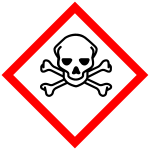
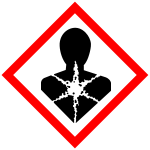
    Pictogram(s)
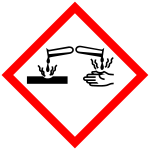
    Signal word

    Danger

    Hazard statement(s)

    H302 Harmful if swallowed

    H311 Toxic in contact with skin

    H314 Causes severe skin burns and eye damage

    H317 May cause an allergic skin reaction

    H335 May cause respiratory irritation

    H341 Suspected of causing genetic defects

    H350 May cause cancer

    H372 Causes damage to organs through prolonged or repeated exposure

    Precautionary statement(s)
    Prevention

    P264 Wash ... thoroughly after handling.

    P270 Do not eat, drink or smoke when using this product.

    P280 Wear protective gloves/protective clothing/eye protection/face protection/hearing protection/...

    P260 Do not breathe dust/fume/gas/mist/vapours/spray.

    P261 Avoid breathing dust/fume/gas/mist/vapours/spray.

    P272 Contaminated work clothing should not be allowed out of the workplace.

    P271 Use only outdoors or in a well-ventilated area.

    P203 Obtain, read and follow all safety instructions before use.

    Response

    P301+P317 IF SWALLOWED: Get medical help.

    P330 Rinse mouth.

    P302+P352 IF ON SKIN: Wash with plenty of water/...

    P316 Get emergency medical help immediately.

    P321 Specific treatment (see ... on this label).

    P361+P364 Take off immediately all contaminated clothing and wash it before reuse.

    P301+P330+P331 IF SWALLOWED: Rinse mouth. Do NOT induce vomiting.

    P363 Wash contaminated clothing before reuse.

    P304+P340 IF INHALED: Remove person to fresh air and keep comfortable for breathing.

    P305+P351+P338 IF IN EYES: Rinse cautiously with water for several minutes. Remove contact lenses, if present and easy to do. Continue rinsing.

    P305+P354+P338 IF IN EYES: Immediately rinse with water for several minutes. Remove contact lenses, if present and easy to do. Continue rinsing.

    P317 Get medical help.

    P333+P317 If skin irritation or rash occurs: Get medical help.

    P362+P364 Take off contaminated clothing and wash it before reuse.

    P319 Get medical help if you feel unwell.

    P318 IF exposed or concerned, get medical advice.

    Storage

    P405 Store locked up.

    P403+P233 Store in a well-ventilated place. Keep container tightly closed.

    Disposal

    P501 Dispose of contents/container to an appropriate treatment and disposal facility in accordance with applicable laws and regulations, and product characteristics at time of disposal.

    Other hazards which do not result in classification

    no data available

    Handling and Storage

    Precautions for safe handling

    NO open flames. Above 61°C use a closed system and ventilation. Handling in a well ventilated place. Wear suitable protective clothing. Avoid contact with skin and eyes. Avoid formation of dust and aerosols. Use non-sparking tools. Prevent fire caused by electrostatic discharge steam.

    Conditions for safe storage, including any incompatibilities

    Store only if stabilized. Cool. Well closed. Keep in the dark. Separated from strong oxidants, strong bases and strong acids. Separated from food and feedstuffs. Store in an area without drain or sewer access. Provision to contain effluent from fire extinguishing.Temp during storage must be kept low to minimize formation of peroxides and other oxidation products. ... Storage temp below 30 deg C are recommended for the polyfunctional methacrylates. ... The methacrylate monomers should not be stored for longer than one year. Shorter storage times are recommended for the aminomethacrylates, ie, three months, and the polyfunctional methacrylates, ie, six months. Many of these cmpd are sensitive to UV light and should, therefore, be stored in the dark. The methacrylic esters may be stored in mild steel, stainless steel, or aluminum. Methacrylic acid & derivatives

  • Seller Information
    Business Type:

    Manufactory

    Main Products:

    Glycidylmethacrylate

    Location:

    Li Town Development Zone of Shangqiu City, Henan Province, Xiayi County

    Payment Terms:

    D/P,L/C

    Average lead Time:

    60

    Total Annual Revenue:

    Less than $1 million

    Xiayi County Yuhao Auxiliary Co., Ltd. is located in the country's famous longevity town-Xiayi, Henan, with a superior geographical location and convenient transportation. The company was established in 2008, covers an area of more than 10,000 square meters, has advanced production equipment, perfect product testing system and quality assurance system, is a modern enterprise integrating chemistry, scientific research, chemical industry, product development and operation. The company has cooperated with two universities, Nanjing University and Zhengzhou University. With the platform of Henan Key Laboratory of Chemistry Department of Shangqiu Teachers College, it has a first-class R&D base and a strong R&D team to ensure that Xia Yiyu's products and technology have always stood The forefront of the chemical additives industry. The company currently mainly produces two major products of glycidyl methacrylate (GMA) and sodium methacrylate. After three years of research and technological improvement, the purity of GMA and sodium methacrylate have reached more than 99.5%, which is domestic The only manufacturer that can meet such standards. Since the establishment of the company, it has always adhered to the service tenet of honesty and customer satisfaction, and the corporate philosophy of unity and pragmatism, pioneering and innovative.It has achieved outstanding results in exploring domestic and foreign markets, and is now collective, industrialized, and standardized. Advance in the direction of diversification and diversification!

  • Inquiry History
    5 Inquiries
    Country Product Purchase Quantity Date Posted
    Malaysia

    Glycidyl Methacrylate

    1 KG Sep 29, 2025
    China

    glycidyl methacrylate

    60 MT Jan 24, 2024
    Malaysia

    Glycidyl Methacrylate

    1 MT Oct 23, 2025
    Malaysia

    Glycidyl Methacrylate

    200 KG Sep 29, 2025
    Vietnam

    Glycidyl methacrylate

    20.00 KG Nov 24, 2023
    Post an enquiry for this product
pic ×

Scan the QR Code to Share

All products displayed on this website are only for non-medical purposes such as industrial applications or scientific research, and cannot be used for clinical diagnosis or treatment of humans or animals. They are not medicinal or edible.

According to relevant laws and regulations and the regulations of this website, units or individuals who purchase hazardous materials should obtain valid qualifications and qualification conditions.

The information shown above is provided by the enterprise itself, and the authenticity, accuracy and legitimacy of the content are the responsibility of the publishing company. ECHEMI does not bear any guarantee responsibility for this. Please be aware that risks in internet transactions objectively exist.

Feedback & Suggestions
Send Message

Thank you for your feedback. If you require further assistance, please contact us by email at info@echemi.com or call us at +86-532-55729510.