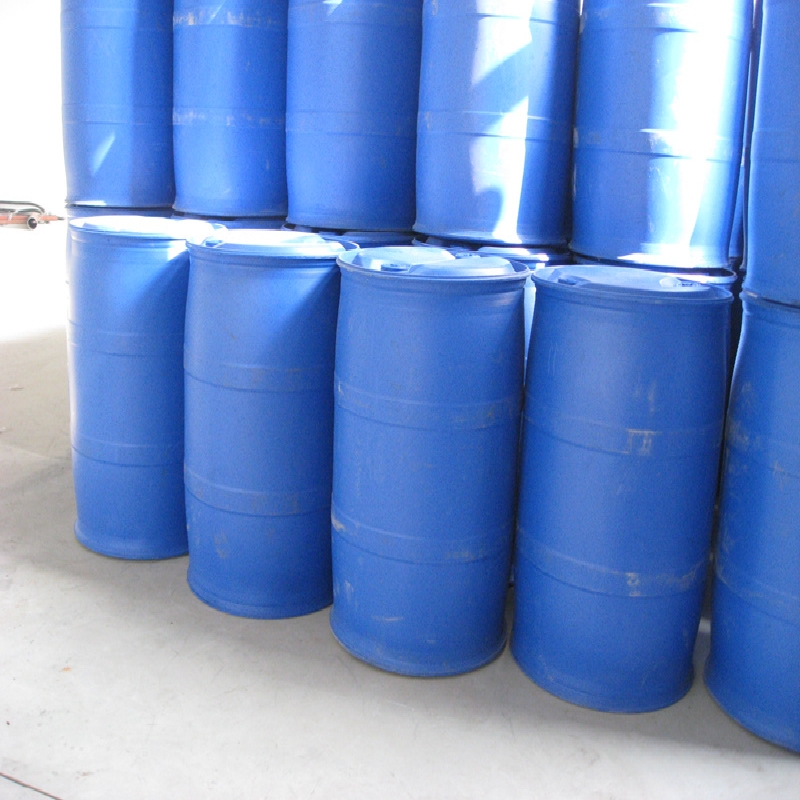
1-Fluoro-2,4-dinitrobenzene
70-34-8
99%
Yes
2026-11-25

Coenzymes,Inhibito,Enzymes,Zymogens,Substrates,Native Microorganism Creatine Amidinohydrolase
-
Product Details
-
Seller Information
-
Description
ProductName 1-Fluoro-2,4-dinitrobenzene Cat No CSUB-0636 Description 1-Fluoro-2,4-dinitrobenzene is a chemical used for polypeptide sequencing. Applications An alkylating agent used in elucidating amino acid sequence in proteins Form Low-Melting Solid CAS No 70-34-8 Molecular Weight 186.1 Purity >99% Storage Desiccate at 4° C Synonyms Sanger’s Reagent; Dinitrofluorobenzene; DNFB Molecular Formula C6H3FN2O4 MDL Number MFCD00007056 Melting Point 24-30° C Solubility Soluble in chloroform, benzene, ether and propylene glycol. category Analysis Reagents(c2412) cas_num 70-34-8 ECHEMI Editorial ReferenceYellow solid
2,4-dinitrofluorobenzene appears as clear yellow crystals or yellow crystalline solid. (NTP, 1992)
2,4-dinitrofluorobenzene appears as clear yellow crystals or yellow crystalline solid. (NTP, 1992)|1-fluoro-2,4-dinitrobenzene is the organofluorine compound that is benzene with a fluoro substituent at the 1-position and two nitro substituents in the 2- and 4-positions. It has a role as an agrochemical, a protein-sequencing agent, an EC 2.7.3.2 (creatine kinase) inhibitor, an allergen, a chromatographic reagent and a spectrophotometric reagent. It is a C-nitro compound and an organofluorine compound.|Dinitrofluorobenzene is an aromatic hydrocarbon composed of a benzene ring linked to two nitro groups and one fluoride group that is used for N-terminal amino acid sequencing by the Sanger method. In vitro, dinitrofluorobenzene (DNFB) reacts with the amine group in amino acids to produce dinitrophenyl (DNP)-amino acids. Then the sample is subjected to acid hydrolysis. Under these conditions, the peptide bonds are broken but the DNP-amino acid bonds remain intact. The DNP-amino acids can be recovered and their identities can be determined through the use of various chromatography techniques. This reagent can also be used to distinguish the reduced and oxidized forms of glutathione and cysteine.|Irritants and reagents for labeling terminal amino acid groups.Basic Info-
Product Name:
Dinitrofluorobenzene
Other Name:Benzene,1-fluoro-2,4-dinitro-;1-Fluoro-2,4-dinitrobenzene;DFB;2,4-Dinitrofluorobenzene;2,4-Dinitro-1-fluorobenzene;DNFB;FDNB;Dinitrofluorobenzene;Fluorodinitrobenzene;2,4-Dinitrobenzene fluoride;2,4-Dinitrophenyl fluoride;4-Fluoro-1,3-dinitrobenzene;NSC 33519;Sanger's reagent
CAS No.:70-34-8
Molecular Formula:C6H3FN2O4
InChIKeys:InChIKey=LOTKRQAVGJMPNV-UHFFFAOYSA-N
Molecular Weight:186.1
Exact Mass:186.10
BRN:398632
EC Number:200-734-3
UNII:D241E059U6
NSC Number:33519
UN Number:2811
DSSTox ID:DTXSID8025331
NCI Thesaurus Code:C440
Color/Form:Pale yellow crystals from ether
HScode:29049085
Categories:
Characteristics-
PSA:
91.6
XLogP3:1.83 (est)
Appearance:Yellow to brownish Liquid or Low Melting Crystals
Density:1.4718 g/cm3 @ Temp: 54 °C
Melting Point:25.8 °C
Boiling Point:296 °C
Flash Point:>230 °F
Refractive Index:1.585
Water Solubility:H2O: 400 mg/L (25 ºC);chloroform: 0.1 g/mL, clear
Storage Conditions:2-8°C
Vapor Pressure:0.00237 mm Hg at 25 deg C (est)
Toxicity:Oral-rat LDL0: 50 mg/kg; Subcutaneous-mouse LDL0: 100 mg/kg
Flammability characteristics:Open flame is flammable; nitrogen oxide and fluoride are liberated by heat
Explosive limit:Solutions in ether may explode when evaporated.
Henrys Law Constant:Henry's Law constant = 9.8X10⁻⁸ atm-cu m/mole at 25 °C (est)
Experimental Properties:Hydroxyl radical reaction rate constant = 3.8X10⁻¹⁴ cu cm/molecule-sec at 25 °C (est)
Air and Water Reactions:Slightly soluble in water.
Reactive Group:Nitro, Nitroso, Nitrate, and Nitrite Compounds, Organic
Reactivity Profile:Reacts with oxidizing agents (NTP, 1992). When air was admitted after vacuum evaporation of an ether peroxide solution, a violent explosion occurred. A halogenated aromatic nitro compound. Aromatic nitro compounds range from slight to strong oxidizing agents. If mixed with reducing agents, including hydrides, sulfides and nitrides, they may begin a vigorous reaction that culminates in a detonation. The aromatic nitro compounds may explode in the presence of a base such as sodium hydroxide or potassium hydroxide even in the presence of water or organic solvents. The explosive tendencies of aromatic nitro compounds are increased by the presence of multiple nitro groups.
Hazard IdentificationClassification of the substance or mixture
Acute toxicity - Category 4, Oral
Skin irritation, Category 2
Skin sensitization, Category 1
Eye irritation, Category 2
Specific target organ toxicity â single exposure, Category 3
Specific target organ toxicity â repeated exposure, Category 2
GHS label elements, including precautionary statements
Pictogram(s) 

Signal word Warning
Hazard statement(s) H302 Harmful if swallowed
H315 Causes skin irritation
H317 May cause an allergic skin reaction
H319 Causes serious eye irritation
H335 May cause respiratory irritation
H373 May cause damage to organs through prolonged or repeated exposure
Precautionary statement(s) Prevention P264 Wash ... thoroughly after handling.
P270 Do not eat, drink or smoke when using this product.
P280 Wear protective gloves/protective clothing/eye protection/face protection/hearing protection/...
P261 Avoid breathing dust/fume/gas/mist/vapours/spray.
P272 Contaminated work clothing should not be allowed out of the workplace.
P271 Use only outdoors or in a well-ventilated area.
P260 Do not breathe dust/fume/gas/mist/vapours/spray.
Response P301+P317 IF SWALLOWED: Get medical help.
P330 Rinse mouth.
P302+P352 IF ON SKIN: Wash with plenty of water/...
P321 Specific treatment (see ... on this label).
P332+P317 If skin irritation occurs: Get medical help.
P362+P364 Take off contaminated clothing and wash it before reuse.
P333+P317 If skin irritation or rash occurs: Get medical help.
P305+P351+P338 IF IN EYES: Rinse cautiously with water for several minutes. Remove contact lenses, if present and easy to do. Continue rinsing.
P304+P340 IF INHALED: Remove person to fresh air and keep comfortable for breathing.
P319 Get medical help if you feel unwell.
Storage P403+P233 Store in a well-ventilated place. Keep container tightly closed.
P405 Store locked up.
Disposal P501 Dispose of contents/container to an appropriate treatment and disposal facility in accordance with applicable laws and regulations, and product characteristics at time of disposal.
Other hazards which do not result in classification
no data available
Handling and StoragePrecautions for safe handling
Handling in a well ventilated place. Wear suitable protective clothing. Avoid contact with skin and eyes. Avoid formation of dust and aerosols. Use non-sparking tools. Prevent fire caused by electrostatic discharge steam.
Conditions for safe storage, including any incompatibilities
Store the container tightly closed in a dry, cool and well-ventilated place. Store apart from foodstuff containers or incompatible materials.
-
-
Seller Information
-
Business Type:
Manufactory
-
Main Products:
Coenzymes,Inhibito,Enzymes,Zymogens,Substrates,Native Microorganism Creatine Amidinohydrolase
-
Location:
Shirley, New York 11967, USA
-
Payment Terms:
TT against copy of documents,D/P
-
Average lead Time:
15 days
-
Total Annual Revenue:
$1 million-$2.5 million
-
Year of Establishment:
2004
-
-
Country Product Purchase Quantity Date Posted Post an enquiry for this product
More from this Seller



Hot Related Products
-
 Factory Direct Supply of High Quality 4-Fluoro CAS: 350-46-9
$4-5/MT FOB
-
 Factory Supply Dimethylformamide/DMF 99.9%Min CAS: 68-12-2 For Paint Leather Cleaning Solvent
-
 High Quality 99% Purity of 1,3-Dichloro-4-fluorobenzene CAS NO 1435-48-9 ISO 9001:2005 REACH Verified Producer
-
 Benzyl bromideα-bromo toluene
-
 Industrial Grade") N,N-Dimethylformamide (DMF) Industrial Grade
-
 Benzyl bromide CAS100-39-0
-
 2-Fluoro-5-nitroaniline 369-36-8
-
 DMF 68-12-2
-
 N,N-dimethyl-formamide
-
 4-Fluorobenzeneboronic acid