Caprolactam 105-60-2
11 Inquiries
105-60-2
drum
2022-12-13
Agrochemicals,Daily Chemicals,Catalysts & Chemical Auxiliary Agents,Extract,Inorganic Chemicals,Organic Intermediate
-
Product Description
-
Seller Information
-
Inquiry History
-
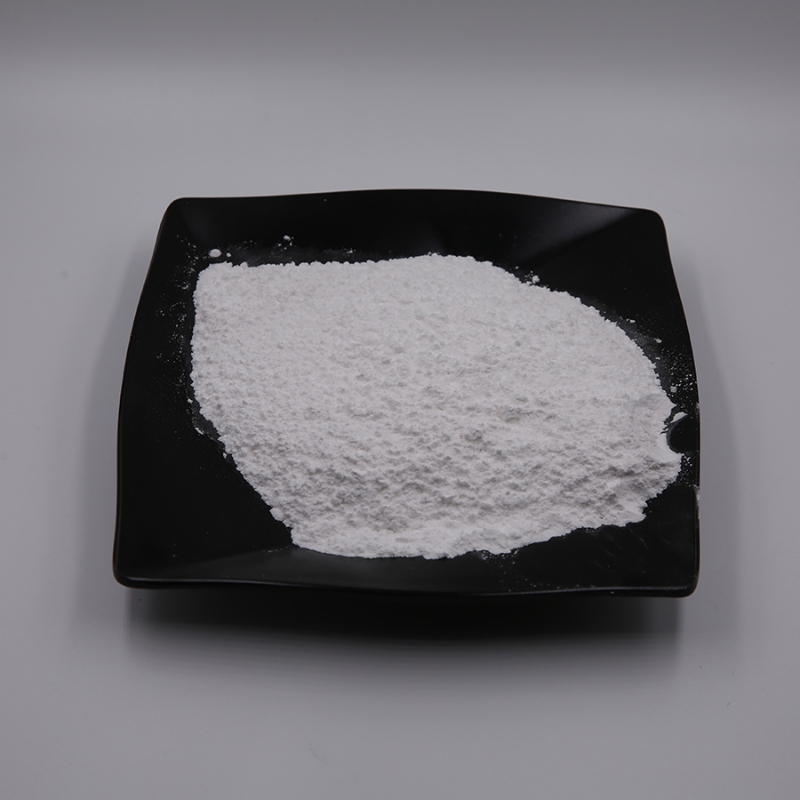
DescriptionECHEMI Editorial ReferenceWhite, crystalline solid or flakes with an unpleasant odor. [Note: Significant vapor concentrations would be expected only at elevated temperatures.]
Caprolactam is a clear to milky white-colored solution with a mild, disagreeable odor. Contact may cause slight irritation to skin, eyes, and mucous membranes. May be mildly toxic by ingestion. The primary hazard is the threat to the environment. Immediate steps should be taken to limit its spread to the environment. As a liquid it can easily penetrate the soil and contaminate groundwater and nearby streams. Used to make other chemicals.|DryPowder; DryPowder, Liquid; Liquid; OtherSolid; OtherSolid, Liquid; PelletsLargeCrystals; PelletsLargeCrystals, Liquid|WHITE HYGROSCOPIC CRYSTALS OR FLAKES.|Yellowish solid; Amine, spicy aroma|Clear to milky white-colored solution with a mild, disagreeable odor.|White, crystalline solid or flakes with an unpleasant odor. [Note: Significant vapor concentrations would be expected only at elevated temperatures.]
Caprolactam is a clear to milky white-colored solution with a mild, disagreeable odor. Contact may cause slight irritation to skin, eyes, and mucous membranes. May be mildly toxic by ingestion. The primary hazard is the threat to the environment. Immediate steps should be taken to limit its spread to the environment. As a liquid it can easily penetrate the soil and contaminate groundwater and nearby streams. Used to make other chemicals.|Epsilon-caprolactam is a member of the class of caprolactams that is azepane substituted by an oxo group at position 2. It has a role as a human blood serum metabolite.|Caprolactam is used in the manufacture of synthetic fibers. Acute (short-term) exposure to caprolactam may result in irritation and burning of the eyes, nose, throat, and skin in humans. Headaches, malaise, confusion, and nervous irritation have been observed in workers exposed to caprolactam by inhalation. Chronic (long-term) exposure of workers to caprolactam has been observed to cause peeling of the hands and some eye, nose, and throat irritation, but no other effects on general health. EPA has not classified caprolactam for carcinogenicity.|Cyclic amide of caproic acid used in manufacture of synthetic fibers of the polyamide type. Can cause local irritation.Basic Info-
Product Name:
Caprolactam
Other Name:2H-Azepin-2-one,hexahydro-;Hexahydro-2H-azepin-2-one;Aminocaproic lactam;Caprolactam;ε-Caprolactam;2-Ketohexamethylenimine;2-Oxohexamethylenimine;Hexanoic acid,6-amino-,cyclic lactam;Hexahydro-2-azepinone;2-Azacycloheptanone;6-Caprolactam;6-Hexanelactam;2-Perhydroazepinone;ω-Caprolactam;1-Aza-2-cycloheptanone;Hexanolactam;Azepan-2-one;Hexano-6-lactam;NSC 117393;NSC 25536;NSC 4977;Hexahydro-1H-azepin-2-one;AP;AP (lactam);A 19374;2-Oxoazepane;6-Aminohexanoic acid lactam;AP-Nylon;117955-36-9;2953-03-9;32838-21-4;32838-23-6;34876-18-1;168214-28-6
CAS No.:105-60-2
Molecular Formula:C6H11NO
InChIKeys:InChIKey=JBKVHLHDHHXQEQ-UHFFFAOYSA-N
Molecular Weight:113.15800
Exact Mass:113.16
EC Number:919-537-5
UNII:6879X594Z8
ICSC Number:0118
NSC Number:117393|25536|4977
UN Number:3082
DSSTox ID:DTXSID4020240
Color/Form:Hygroscopic leaflets from petroleum ether|White, crystalline solid or flakes ... [Note: Significant vapor concentrations would be expected only at elevated temperatures].|White flakes or fused
HScode:2933710000
Categories:
Characteristics-
PSA:
29.10000
XLogP3:-0.1
Appearance:Caprolactam is a clear to milky white-colored solution with a mild, disagreeable odor. Contact may cause slight irritation to skin, eyes, and mucous membranes. May be mildly toxic by ingestion. The primary hazard is the threat to the environment. Immediate steps should be taken to limit its spread to the environment. As a liquid it can easily penetrate the soil and contaminate groundwater and nearby streams. Used to make other chemicals.
Density:1.02 g/cm3
Melting Point:69.3 °C
Boiling Point:270 °C
Flash Point:152ºC
Refractive Index:1.4935
Water Solubility:H2O: 4560 g/L (20 ºC)
Storage Conditions:Store in a cool, dry place. Store in a tightly closed container.
Vapor Pressure:<0.01 mm Hg ( 20 °C)
Vapor Density:3.91
Flammability characteristics:Combustible Solid
Explosive limit:Explosive limits , vol% in air: 1.4-8
Odor:... Unpleasant odor ...
Taste:UNPLEASANT
Experimental Properties:HEAT OF FUSION: 29 CAL/G; HYGROSCOPIC|HYDROLYSED BY STRONG MINERAL ACIDS, GIVING AMINO ACIDS
Air and Water Reactions:Water soluble.
Reactive Group:Amides and Imides
Reactivity Alerts:Polymerizable
Reactivity Profile:CAPROLACTAM is hygroscopic. This compound can react with strong oxidizing agents and strong bases. It can also react with chlorinated hydrocarbons and nitro compounds. A potentially explosive reaction occurs with acetic acid + dinitrogen trioxide. (NTP, 1992)
Autoignition Temperature:707 °F (NTP, 1992)|375 °C
Heat of Combustion:-31,900 J/g (liquid @ 25 °C)
Flammable Limits:Combustible Solid
Heat of Vaporization:116 cal/g
Hazard IdentificationClassification of the substance or mixture
Acute toxicity - Category 4, Oral
Skin irritation, Category 2
Eye irritation, Category 2
Acute toxicity - Category 4, Inhalation
Specific target organ toxicity â single exposure, Category 3
GHS label elements, including precautionary statements
Pictogram(s) 
Signal word Warning
Hazard statement(s) H302 Harmful if swallowed
H315 Causes skin irritation
H319 Causes serious eye irritation
H332 Harmful if inhaled
H335 May cause respiratory irritation
Precautionary statement(s) Prevention P264 Wash ... thoroughly after handling.
P270 Do not eat, drink or smoke when using this product.
P280 Wear protective gloves/protective clothing/eye protection/face protection/hearing protection/...
P261 Avoid breathing dust/fume/gas/mist/vapours/spray.
P271 Use only outdoors or in a well-ventilated area.
Response P301+P317 IF SWALLOWED: Get medical help.
P330 Rinse mouth.
P302+P352 IF ON SKIN: Wash with plenty of water/...
P321 Specific treatment (see ... on this label).
P332+P317 If skin irritation occurs: Get medical help.
P362+P364 Take off contaminated clothing and wash it before reuse.
P305+P351+P338 IF IN EYES: Rinse cautiously with water for several minutes. Remove contact lenses, if present and easy to do. Continue rinsing.
P304+P340 IF INHALED: Remove person to fresh air and keep comfortable for breathing.
P317 Get medical help.
P319 Get medical help if you feel unwell.
Storage P403+P233 Store in a well-ventilated place. Keep container tightly closed.
P405 Store locked up.
Disposal P501 Dispose of contents/container to an appropriate treatment and disposal facility in accordance with applicable laws and regulations, and product characteristics at time of disposal.
Other hazards which do not result in classification
no data available
Handling and StoragePrecautions for safe handling
NO open flames. Handling in a well ventilated place. Wear suitable protective clothing. Avoid contact with skin and eyes. Avoid formation of dust and aerosols. Use non-sparking tools. Prevent fire caused by electrostatic discharge steam.
Conditions for safe storage, including any incompatibilities
Separated from strong oxidants. Dry.
-
-
Seller Information
-
Business Type:
Manufactory
-
Main Products:
Agrochemicals,Daily Chemicals,Catalysts & Chemical Auxiliary Agents,Extract,Inorganic Chemicals,Organic Intermediate
-
Location:
hisense intelligence valley,no 2116,of phoenix road
-
Payment Terms:
TT against copy of documents,D/P,L/C
-
Average lead Time:
7 days
-
Total Annual Revenue:
Less than $1 million
-
Total Employees:
11-50
-
Year of Establishment:
2017
-
-
Inquiry History11 Inquiries
Country Product Purchase Quantity Date Posted  United States
Caprolactam
100 G Sep 15, 2026  Uzbekistan
E-Caprolactam
1000 KG Oct 22, 2025  India
India
CAPROLACTAM (FLAKES TYPE)
4.00 MT Feb 27, 2025  China
China
Caprolactam
1 20' Fcl Oct 17, 2023
United States
Caprolactam
100 MT Jul 21, 2026
United States
Caprolactam
20 MT Mar 12, 2026
India
Caprolactam
500 MT Sep 25, 2025
India
CAPROLACTAM(FLAKES TYPE)
4.00 MT Mar 25, 2025
India
Caprolactam
20 MT Mar 10, 2026  South Korea
Caprolactam
1 20' Fcl Feb 5, 2026  Italy
Italy
Caprolactam 99%
1 MT Jun 19, 2024 Post an enquiry for this product
More from this Seller
-
-

-
Oleic acid 99% Colorless to light yellow oily liquid LK-YRM
Industrial Grade / 99%
-


Hot Related Products
-
 Polyvinyl alcohol-PVA
 -
 Industrial Grade Ethylene Glycol EG CAS 107-21-1 Antifreeze & Polyester Raw Material
 -
 Poly(vinyl alcohol) PVA Floc, Flake, Powder With Best Price") Factory Supply 26-99(L) Poly(vinyl alcohol) PVA Floc, Flake, Powder With Best Price
Factory Supply 26-99(L) Poly(vinyl alcohol) PVA Floc, Flake, Powder With Best Price -
 9002-89-5") Factory Supply Great Quality PolyVinyl Alcohol(PVat Quality PolyVinyl Alcohol(PVA) 9002-89-5
Factory Supply Great Quality PolyVinyl Alcohol(PVat Quality PolyVinyl Alcohol(PVA) 9002-89-5$10/UNIT FOB
-
 ethylene glycol Liquid
 -
 CAS 107-21-1 High Purity Factory Direct, Good Quality Low Price, Fast Delivery") Ethylene Glycol EG (MEG Monoethylene Glycol) CAS 107-21-1 High Purity Factory Direct, Good Quality Low Price, Fast Delivery
Ethylene Glycol EG (MEG Monoethylene Glycol) CAS 107-21-1 High Purity Factory Direct, Good Quality Low Price, Fast Delivery -
2") Poly(vinyl alcohol)2
Poly(vinyl alcohol)2 -
 Best Quality Low Price Adipic Acid Powder CAS 124-04-9
 -
 Adipic Acid 124-04-9 99% 99% White crystalline powder
 -
 Polyvinyl Alcohol CAS No: 9002-89-5