Product
Supplier
Encyclopedia
Inquiry
Home > Organic Chemistry > Amides > Caprolactam for Sale > Caprolactam105-60-2
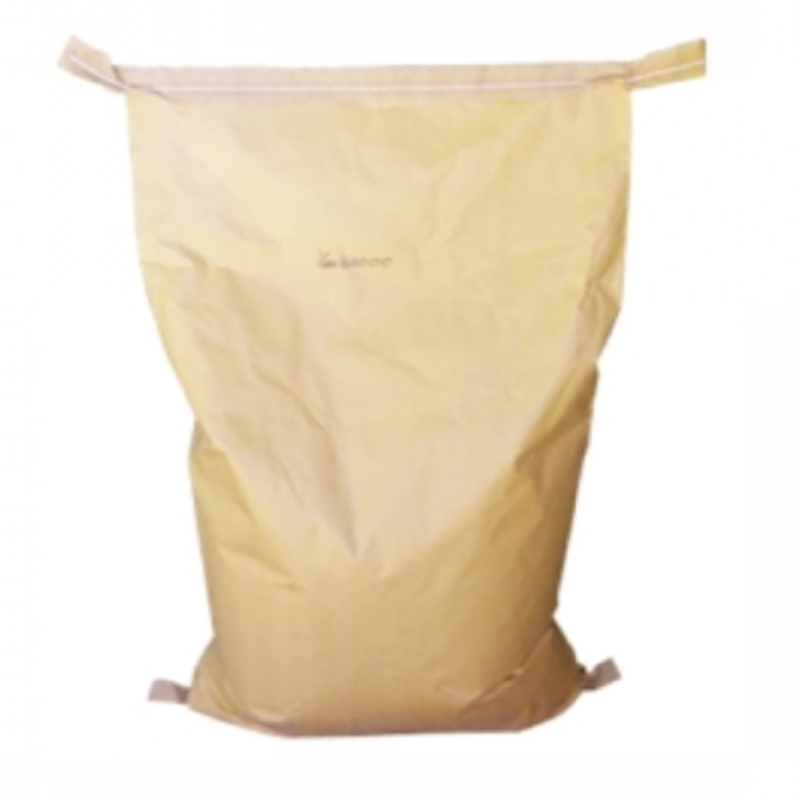
Caprolactam105-60-2 buy - large image1
Caprolactam105-60-2 buy - image1
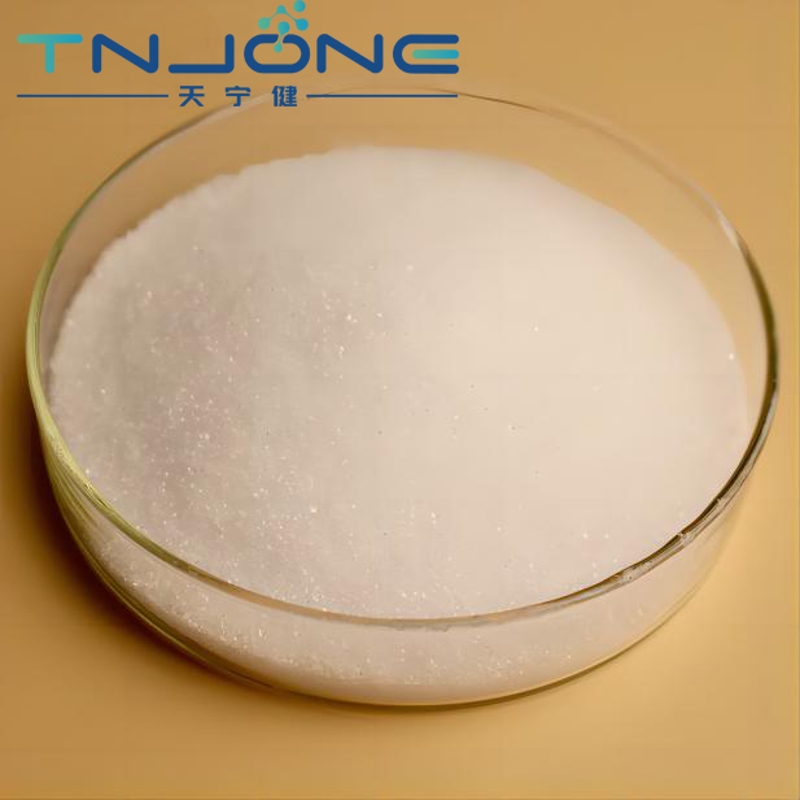
Caprolactam105-60-2 buy - image2
Caprolactam105-60-2 buy - image3
Caprolactam105-60-2 buy - image4
Caprolactam105-60-2 buy - image5
Caprolactam105-60-2 buy - image6

Caprolactam105-60-2

11 Inquiries

Unit Price:

$33-34/MT FOB

Get Latest Price
CAS No.:

105-60-2

Grade:

Pharmaceutical Grade

Content:

99.5%

Port:

shanghai

Brand:

OORENT

Packaging:

Vial/Bottle/Bag/Carton

Price valid (until):

2026-10-15

Company Type:
Trader
Location:
China
Payment Terms:
100% TT in advance
Average Lead Time:
10 days
Qualification:
Main Products:

pharmaceutical intermediates,peptides,electronic chemicals

  • Product Description

  • Seller Information

  • Inquiry History

  • Description

    Product Detail

    Caprolactam Basic information
    Production of polyamide fibers and resins Chemical properties Uses Production method Hazards & Safety Information
    Product Name: Caprolactam
    Synonyms: CYCLOHEXANONEISOOXIME;CAPROLACTAM;HEXAHYDRO-2H-AZEPIN-2-ONE;EPSILUM-CAPROLACTAM;EPSILON-CAP;AZA-2-CYCLOHEPTANONE;6-CAPROLACTAM;6-AMINOCAPROIC ACID LACTAM
    CAS: 105-60-2
    MF: C6H11NO
    MW: 113.16
    EINECS: 203-313-2
    Product Categories: Pharmaceutical Intermediates;Highly Purified Reagents;Other Categories;Zone Refined Products;bc0001
    Mol File: 105-60-2.mol
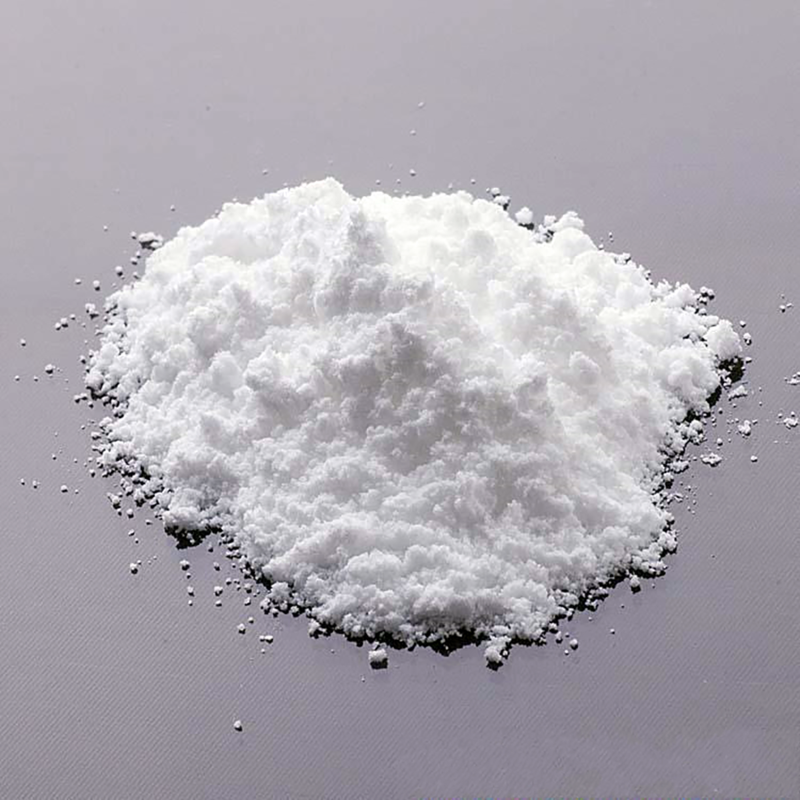
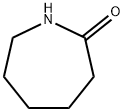
    Shop Caprolactam105-60-2-Detailed Image 1

    Caprolactam Chemical Properties
    Melting point  68-71 °C(lit.)
    Boiling point  136-138 °C10 mm Hg(lit.)
    density  1.01
    bulk density 500-550kg/m3
    vapor pressure  <0.01 mm Hg ( 20 °C)
    refractive index  1.4935
    FEMA  4235 | 1,6-HEXALACTAM
    Fp  152 °C
    storage temp.  Store below +30°C.
    solubility  H2O: 0.1 g/mL, clear, colorless
    pka 16.61±0.20(Predicted)
    form  Crystals or Flakes
    color  White
    Specific Gravity 1.042 (20/4℃)
    Odor amine spicy
    PH 7.0-8.5 (333g/l, H2O, 20℃)
    explosive limit 1.4-8%(V)
    Odor Type spicy
    Water Solubility  4560 g/L (20 ºC)
    Specific Heat Capacity Cp(crystal): 1.39 J/(g·K), at 25℃
    JECFA Number 1594
    Merck  14,1761
    BRN  106934
    Henry's Law Constant 1.8×10⁵ mol/(m3Pa) at 25℃, HSDB (2015)
    Exposure limits EU LTEL:10 mg/m3; EU STEL:40 mg/m3
    Dielectric constant 1.7 - 1.9(0.0℃)
    InChI 1S/C6H11NO/c8-6-4-2-1-3-5-7-6/h1-5H2,(H,7,8)
    InChIKey JBKVHLHDHHXQEQ-UHFFFAOYSA-N
    SMILES O=C1CCCCCN1
    LogP 0.12 at 25℃
    CAS DataBase Reference 105-60-2(CAS DataBase Reference)
    IARC 3 (Vol. 39, Sup 7, 71) 1999
    NIST Chemistry Reference Caprolactam(105-60-2)
    EPA Substance Registry System Caprolactam (105-60-2)

    Safety Information
    Hazard Codes  Xn
    Risk Statements  20/22-36/37/38
    Safety Statements  2-24/25
    RIDADR  UN 2811 6.1/PG 2
    OEB C
    OEL TWA: 1 mg/m3, STEL: 3 mg/m3
    WGK Germany  1
    RTECS  CM3675000
    Autoignition Temperature 707 °F
    TSCA  TSCA listed
    HS Code  29337100
    Storage Class 11 - Combustible Solids
    Hazard Classifications Acute Tox. 4 Inhalation
    Acute Tox. 4 Oral
    Eye Irrit. 2
    Skin Irrit. 2
    STOT SE 3
    Hazardous Substances Data 105-60-2(Hazardous Substances Data)
    Toxicity LD50 orally in rats: 2.14 g/kg (Smyth)
    MSDS Information
    Provider Language
    epsilon-Caprolactam English
    SigmaAldrich English
    ACROS English
    ALFA English

    Caprolactam Usage And Synthesis
    Production of polyamide fibers and resins Caprolactam is the main raw material for the production of polyamide fiber and resin. Polyamide fiber, in the United States, is called nylon; in China, is called Chinlon because it was first commercialized in Jinzhou Petrochemical. Chinlon 66 is a polycondensation product of adipic acid and hexamethylene diamine. Polyamide 6 obtained from the ring-opening polymerization of caprolactam.
    At present, the master of caprolactam production technology is mainly Sinopec Baling Petrochemical Design Institute and Yueyang Petrochemical Design Institute.
    Cyclohexanone and phenol are the main raw materials for the production of caprolactam:
    Cyclohexanone is a kind of important chemical raw material with wide range of application fields. It is colorless and odorless transparent liquid with mint and acetone odor. It is slightly soluble in water and soluble in ether, alcohol and other organic solvents. It is mainly used as the intermediates of caprolactam and others diacids and their salts. Because of its strong solubility, low toxicity and relatively low price, it is widely used as solvent and thinner for various paints, paints, inks and resins, polishes and thinners for leather processing, photographic and magnetic recording material and coating solvent, and so on. At the same time, it can also be used for preparation of some downstream derivatives, such as cyclohexanone-formaldehyde resin, peroxy cyclohexanone, o-methyl phenol, antioxidant 4010 and so on.
    Phenol is also called phenolic acid, is one of the simplest phenolic organic matter with weak acidity. Pure phenol is a colorless crystal which exhibits pink color in the air due to being oxidized in a small part. It is toxic, corrosive, being slightly soluble in water at room temperature, easily soluble in alcohol and other organic solvents; when the temperature is higher than 65 ℃, it is miscible with water in any proportion. Concentrated solution has strong corrosiveness on the skin. Mistakenly contact with skin can be treated through rinsing with alcohol.
    Addition of bromine water into the phenol solution will generate white precipitate immediately (2, 4, 6-Tribromophenol); being capable of having substitution reaction in the benzene ring with halogen, nitric acid, sulfuric acid, etc.; being able to have reaction with ferric chloride so that the solution is turned into a purple color; addition of bromine water into the solution will immediately generate white precipitate (2, 4, 6-Tribrominephenol); It is mainly used in the manufacture of phenolic resin, bisphenol A and caprolactam. The production of phenolic resin is its biggest use, accounting for more than half of phenol production.
    Chemical properties Caprolactam is a white‚ hygroscopic‚ crystalline solid with a characteristic odor. Most caprolactam is used to make nylon 6‚ which is the starting material for fibers that have many uses in textile manufacture and in the industrial sector. Polymerization is caprolactam's most important chemical property. The ring is hydrolyzed at 260 to 270°C. Liner polymer chains are formed by polycondensation. Caprolactam also reacts directly by polyaddition with the polymer chains. These reactions lead to an equilibrium between the polymer and caprolactam that favors a 90% conversion to polymer.
    Uses (1) The majority of caprolactam is used in the production of polycaprolactam, of which about 90% is used for the production of synthetic fibers, that is, Kaplon, 10% used as plastic for the manufacture of gears, bearings, pipe, medical equipment and electrical, insulating materials. Also used in coatings, plastics and for the synthesis of lysine in a small amount and so on.
    (2) Caprolactam is mainly used for the preparation of caprolactam resin, fiber and leather, also used as pharmaceutical raw materials.
    (3) It can be used as polymer solvent, for the manufacture of polyamide-based synthetic fiber and the fixing phase of gas chromatography.
    Production method In 1943, the I.G. Farben AG Company, through the cyclohexanone-hydroxylamine synthesis (now referred to as the oxime), had first realized the industrial production of caprolactam. With the development of synthetic fiber industry, there have been successively toluene (ANIA), photo nitrosation (PNC), caprolactone (UCC), cyclohexane nitration and cyclohexanone nitration. The newly developed ammoxidation of cyclohexanone has attracted much attention because of its simplicity in the production of cyclohexanone oximation without the use of hydroxylamine.
    1. Oxime method: first apply the high-purity cyclohexanone and hydroxylamine sulfate for condensation reaction at 80-110 °C to generate cyclohexanone oxime. The isolated cyclohexanone oxime is converted into crude caprolactam at 80-110°C via Beckmann Rearrangement reaction using sulfuric acid as catalyst, followed by extraction, distillation and crystallization to obtain high purity caprolactam.
    The raw material cyclohexanone used in oxime method can be obtained from the hydrogenation of phenol to cyclohexanol, followed by dehydrogenation; alternatively by cyclohexane air oxidation into cyclohexanol and cyclohexanone with the separated cyclohexanol catalytic dehydrogenation generating ring Pentanone.
    2. Toluene; toluene, under the effect of the cobalt oxide catalyst, can be subject to oxidation to generate benzoic acid which with liquid hydrogenation using the palladium catalyst on the activated carbon carrier to generate hexahydrobenzoic acid, which, in fuming sulfuric acid, reacts with nitrosyl sulfuric acid to generate caprolactam. Toluene method, due to that toluene is rich in resources with low production cost, has a certain development prospects.
    3. Photo nitrosation method: cyclohexane, under the irradiation of the mercury vapor lamp can have photochemical reaction with chlorinated nitrosyl, further being direct converted into cyclohexanone oxime hydrochloride, which can be further converted into caprolactam by the Beckman rearrangement in the presence of fuming sulfuric acid.
    4. Phenol method: phenol, in the presence of nickel catalyst, is subject to hydrogenation to obtain cyclohexanol with purification and dehydrogenation to generate crude cyclohexanone. Cyclohexanone, after being purified, can react with hydroxylamine to cyclohexanone oxime, followed by Beckmann shift to generate caprolactam. The sulfuric acid in the reaction product can neutralized with ammonia to generate by-product of thiamine. Crude caprolactam can be purified by a series of chemical and physical treatments to obtain pure caprolactam.
    Hazards & Safety Information Category Toxic substances:Toxic classification poisoning
    Acute toxicity Oral-Rat LD50: 1210 mg/kg; Oral-mouse LD50: 930 mg/kg
    Stimulation Data Skin-Rabbit 500 mg/24hours Mild; Eyes-Rabbit 20 mg/24hours Moderate
    Explosives and Hazardous Characteristics: Mixture with acetic acid and nitrogen trioxide can be explosive
    Flammability Hazardous characteristics: Thermal decomposition releases toxic nitrogen oxides
    Storage and transport characteristics Treasury: low temperature, ventilated and drying
    Extinguishing agent water, carbon dioxide, foam, dry powder
    Occupational Standard TWA 1 mg/m3; STEL 3 mg/m3 (Dust, Steam)
    Description Caprolactam, CH2CH2CH2CH2CH2NHCO, is a solid material composed of white flakes. Caprolactam is soluble in water and has a specific gravity (in a 70% solution)of 1.05, which is heavier than water. It may also be encountered as a molten material. Caprolactam is toxic by inhalation, with a TLV of (vapor) 5 ppm in air and (dust) 1 mg/m3 of air. The primary uses are in the manufacture of synthetic fibers, plastics, film, coatings, and polyurethanes.
    Chemical Properties Caprolactum is a white crystalline combustible solid with an unpleasant odor. The Odor Threshold is 0.3 milligram per cubic meter.
    Physical properties Yellowish solid or white crystals or flakes; amine, spicy aroma. It is soluble in water, chlorinated solvents, petroleum hydrocarbons, cyclohexene, benzene, methanol, ethanol and ether.
    Uses manufacture of synthetic fibers of the polyamide type (Perlon); solvent for high mol wt polymers; precursor of nylon-6, q.v.
    Uses ε-Caprolactam is used as a monomer in the preparation of synthetic fibers of the polyamide as well as a solvent for high molecular weight polymers. It is also used in coatings and plasticizers. Further, it is used as a cross linking agent for polyurethanes. In addition to this, it is used to prepare nylon-6, which finds application in fibers and plastics.
    Uses Monomer for manufacture of polycaprolactam (Nylon 6) used in carpets, textiles, clothing, and tires
    Preparation About 90% of the caprolactam is produced by the conventional cyclohexanone process. Cyclohexanone is obtained by catalytic oxidation of cyclohexane with air or by hydrogenation of phenol and dehydrogenation of the cyclohexanol byproduct. The conversion of cyclohexanone to cyclohexanone oxime followed by Beckmann rearrangement gives caprolactam. About 10% of caprolactam is produced by photonitrosation of cyclohexane or by nitrosation of cyclohexanecarboxylic acid in the presence of sulfuric acid.
    Definition ChEBI: A member of the class of caprolactams that is azepane substituted by an oxo group at position 2.
    Definition A white crystalline substance used in the manufacture of NYLON.
    Aroma threshold values High strength odor; spicy type; recommend smelling in a 0.01% solution or less
    Synthesis Reference(s) Journal of the American Chemical Society, 108, p. 7846, 1986 DOI: 10.1021/ja00284a066
    The Journal of Organic Chemistry, 60, p. 6662, 1995 DOI: 10.1021/jo00126a006
    General Description Clear to milky white-colored solution with a mild, disagreeable odor. Contact may cause slight irritation to skin, eyes, and mucous membranes. May be mildly toxic by ingestion. The primary hazard is the threat to the environment. Immediate steps should be taken to limit its spread to the environment. As a liquid 2-Oxohexamethylenimine can easily penetrate the soil and contaminate groundwater and nearby streams. Used to make other chemicals.
    Air & Water Reactions Water soluble.
    Reactivity Profile 2-Oxohexamethylenimine is hygroscopic. 2-Oxohexamethylenimine can react with strong oxidizing agents and strong bases. 2-Oxohexamethylenimine can also react with chlorinated hydrocarbons and nitro compounds. A potentially explosive reaction occurs with acetic acid + dinitrogen trioxide.
    Hazard Toxic by inhalation. Upper respiratory tract irritant.
    Health Hazard Inhalation causes coughing or mild irritation. Contact with hot liquid will burn eyes and skin.
    Fire Hazard Special Hazards of Combustion Products: Toxic oxides of nitrogen
    Flammability and Explosibility Not classified
    Safety Profile Moderately toxic by ingestion, skin contact, intraperitoneal, and subcutaneous routes. Human systemic effects by inhalation: nose and throat irritation, cough. Experimental reproductive effects. A skin and eye irritant. Potentially explosive reaction with acetic acid + dinitrogen trioxide. When heated to decomposition it emits toxic fumes of NOx
    Potential Exposure Caprolactam is used in the manufacture of nylon, plastics, bristles, film, coatings, synthetic leather, plasticizers, and paint vehicles; as a crossslinking agent for curing polyurethanes; and in the synthesis of lysine
    First aid If this chemical gets into the eyes, remove anycontact lenses at once and irrigate immediately for at least15 min, occasionally lifting upper and lower lids. Seek medical attention immediately. If this chemical contacts theskin, remove contaminated clothing and wash immediatelywith soap and water. Seek medical attention immediately. Ifthis chemical has been inhaled, remove from exposure,begin rescue breathing (using universal precautions, including resuscitation mask) if breathing has stopped and CPR ifheart action has stopped. Transfer promptly to a medicalfacility. When this chemical has been swallowed, get medical attention. Give large quantities of water and inducevomiting. Do not make an unconscious person vomit.
    Carcinogenicity Caprolactam was not mutagenic in bacterial assays or in in vivo rodent assays; it did induce chromosomal aberrations and aneuploidy in human lymphocytes in vitro.
    storage Color Code—Green: General storage may be used.Prior to working with caprolactam you should be trained onits proper handling and storage. Before entering confinedspace where this chemical may be present, check to makesure that an explosive concentration does not exist. Store intightly closed containers in a cool, well-ventilated areaaway from oxidizers and heat. Metal containers involvingthe transfer of this chemical should be grounded andbonded. Drums must be equipped with self-closing valves,pressure vacuum bungs, and flame arresters. Use only nonsparking tools and equipment, especially when opening andclosing containers of this chemical. Sources of ignition,such as smoking and open flames, are prohibited where thischemical is used, handled, or stored in a manner that couldcreate a potential fire or explosion hazard.
    Shipping UN2811 Toxic solids, organic, n.o.s., Hazard Class: 6.1; Labels: 6.1-Poisonous materials, Technical Name Required
    Purification Methods The lactam is distilled under reduced pressure, recrystallised from acetone or pet ether and redistilled. It can be pur
    Incompatibilities Caprolactum decomposes on heating, and on burning producing toxic fumes including nitrogen oxides, ammonia. Reacts violently with strong oxidizers, producing toxic fumes. Toxic decomposition above 400C
    Toxics Screening Level The initial threshold screening level for caprolactam is 10 μg/m3 based on an 8 hour averaging time.
    Waste Disposal Controlled incineration (oxides of nitrogen are removed from the effluent gas by scrubbers and/or thermal devices). Also, Caprolactam may be recovered from Caprolactam still bottoms or nylon waste


    Shop Tirzepatide2023788-19-2-Detailed Image 2 Shop Tirzepatide2023788-19-2-Detailed Image 3 Shop Tirzepatide2023788-19-2-Detailed Image 4 Shop Tirzepatide2023788-19-2-Detailed Image 5 Shop Tirzepatide2023788-19-2-Detailed Image 6 Shop Tirzepatide2023788-19-2-Detailed Image 7


    ECHEMI Editorial Reference
    White, crystalline solid or flakes with an unpleasant odor. [Note: Significant vapor concentrations would be expected only at elevated temperatures.]
    Caprolactam is a clear to milky white-colored solution with a mild, disagreeable odor. Contact may cause slight irritation to skin, eyes, and mucous membranes. May be mildly toxic by ingestion. The primary hazard is the threat to the environment. Immediate steps should be taken to limit its spread to the environment. As a liquid it can easily penetrate the soil and contaminate groundwater and nearby streams. Used to make other chemicals.|DryPowder; DryPowder, Liquid; Liquid; OtherSolid; OtherSolid, Liquid; PelletsLargeCrystals; PelletsLargeCrystals, Liquid|WHITE HYGROSCOPIC CRYSTALS OR FLAKES.|Yellowish solid; Amine, spicy aroma|Clear to milky white-colored solution with a mild, disagreeable odor.|White, crystalline solid or flakes with an unpleasant odor. [Note: Significant vapor concentrations would be expected only at elevated temperatures.]
    Caprolactam is a clear to milky white-colored solution with a mild, disagreeable odor. Contact may cause slight irritation to skin, eyes, and mucous membranes. May be mildly toxic by ingestion. The primary hazard is the threat to the environment. Immediate steps should be taken to limit its spread to the environment. As a liquid it can easily penetrate the soil and contaminate groundwater and nearby streams. Used to make other chemicals.|Epsilon-caprolactam is a member of the class of caprolactams that is azepane substituted by an oxo group at position 2. It has a role as a human blood serum metabolite.|Caprolactam is used in the manufacture of synthetic fibers. Acute (short-term) exposure to caprolactam may result in irritation and burning of the eyes, nose, throat, and skin in humans. Headaches, malaise, confusion, and nervous irritation have been observed in workers exposed to caprolactam by inhalation. Chronic (long-term) exposure of workers to caprolactam has been observed to cause peeling of the hands and some eye, nose, and throat irritation, but no other effects on general health. EPA has not classified caprolactam for carcinogenicity.|Cyclic amide of caproic acid used in manufacture of synthetic fibers of the polyamide type. Can cause local irritation.

    Basic Info
    Product Name:

    Caprolactam

    Other Name:

    2H-Azepin-2-one,hexahydro-;Hexahydro-2H-azepin-2-one;Aminocaproic lactam;Caprolactam;ε-Caprolactam;2-Ketohexamethylenimine;2-Oxohexamethylenimine;Hexanoic acid,6-amino-,cyclic lactam;Hexahydro-2-azepinone;2-Azacycloheptanone;6-Caprolactam;6-Hexanelactam;2-Perhydroazepinone;ω-Caprolactam;1-Aza-2-cycloheptanone;Hexanolactam;Azepan-2-one;Hexano-6-lactam;NSC 117393;NSC 25536;NSC 4977;Hexahydro-1H-azepin-2-one;AP;AP (lactam);A 19374;2-Oxoazepane;6-Aminohexanoic acid lactam;AP-Nylon;117955-36-9;2953-03-9;32838-21-4;32838-23-6;34876-18-1;168214-28-6

    CAS No.:

    105-60-2

    Molecular Formula:

    C6H11NO

    InChIKeys:

    InChIKey=JBKVHLHDHHXQEQ-UHFFFAOYSA-N

    Molecular Weight:

    113.15800

    Exact Mass:

    113.16

    EC Number:

    919-537-5

    UNII:

    6879X594Z8

    ICSC Number:

    0118

    NSC Number:

    117393|25536|4977

    UN Number:

    3082

    DSSTox ID:

    DTXSID4020240

    Color/Form:

    Hygroscopic leaflets from petroleum ether|White, crystalline solid or flakes ... [Note: Significant vapor concentrations would be expected only at elevated temperatures].|White flakes or fused

    HScode:

    2933710000

    Categories:

    Amides

    Characteristics
    PSA:

    29.10000

    XLogP3:

    -0.1

    Appearance:

    Caprolactam is a clear to milky white-colored solution with a mild, disagreeable odor. Contact may cause slight irritation to skin, eyes, and mucous membranes. May be mildly toxic by ingestion. The primary hazard is the threat to the environment. Immediate steps should be taken to limit its spread to the environment. As a liquid it can easily penetrate the soil and contaminate groundwater and nearby streams. Used to make other chemicals.

    Density:

    1.02 g/cm3

    Melting Point:

    69.3 °C

    Boiling Point:

    270 °C

    Flash Point:

    152ºC

    Refractive Index:

    1.4935

    Water Solubility:

    H2O: 4560 g/L (20 ºC)

    Storage Conditions:

    Store in a cool, dry place. Store in a tightly closed container.

    Vapor Pressure:

    <0.01 mm Hg ( 20 °C)

    Vapor Density:

    3.91

    Flammability characteristics:

    Combustible Solid

    Explosive limit:

    Explosive limits , vol% in air: 1.4-8

    Odor:

    ... Unpleasant odor ...

    Taste:

    UNPLEASANT

    Experimental Properties:

    HEAT OF FUSION: 29 CAL/G; HYGROSCOPIC|HYDROLYSED BY STRONG MINERAL ACIDS, GIVING AMINO ACIDS

    Air and Water Reactions:

    Water soluble.

    Reactive Group:

    Amides and Imides

    Reactivity Alerts:

    Polymerizable

    Reactivity Profile:

    CAPROLACTAM is hygroscopic. This compound can react with strong oxidizing agents and strong bases. It can also react with chlorinated hydrocarbons and nitro compounds. A potentially explosive reaction occurs with acetic acid + dinitrogen trioxide. (NTP, 1992)

    Autoignition Temperature:

    707 °F (NTP, 1992)|375 °C

    Heat of Combustion:

    -31,900 J/g (liquid @ 25 °C)

    Flammable Limits:

    Combustible Solid

    Heat of Vaporization:

    116 cal/g

    Hazard Identification

    Classification of the substance or mixture

    Acute toxicity - Category 4, Oral

    Skin irritation, Category 2

    Eye irritation, Category 2

    Acute toxicity - Category 4, Inhalation

    Specific target organ toxicity – single exposure, Category 3

    GHS label elements, including precautionary statements

    Pictogram(s)

    Signal word

    Warning

    Hazard statement(s)

    H302 Harmful if swallowed

    H315 Causes skin irritation

    H319 Causes serious eye irritation

    H332 Harmful if inhaled

    H335 May cause respiratory irritation

    Precautionary statement(s)
    Prevention

    P264 Wash ... thoroughly after handling.

    P270 Do not eat, drink or smoke when using this product.

    P280 Wear protective gloves/protective clothing/eye protection/face protection/hearing protection/...

    P261 Avoid breathing dust/fume/gas/mist/vapours/spray.

    P271 Use only outdoors or in a well-ventilated area.

    Response

    P301+P317 IF SWALLOWED: Get medical help.

    P330 Rinse mouth.

    P302+P352 IF ON SKIN: Wash with plenty of water/...

    P321 Specific treatment (see ... on this label).

    P332+P317 If skin irritation occurs: Get medical help.

    P362+P364 Take off contaminated clothing and wash it before reuse.

    P305+P351+P338 IF IN EYES: Rinse cautiously with water for several minutes. Remove contact lenses, if present and easy to do. Continue rinsing.

    P304+P340 IF INHALED: Remove person to fresh air and keep comfortable for breathing.

    P317 Get medical help.

    P319 Get medical help if you feel unwell.

    Storage

    P403+P233 Store in a well-ventilated place. Keep container tightly closed.

    P405 Store locked up.

    Disposal

    P501 Dispose of contents/container to an appropriate treatment and disposal facility in accordance with applicable laws and regulations, and product characteristics at time of disposal.

    Other hazards which do not result in classification

    no data available

    Handling and Storage

    Precautions for safe handling

    NO open flames. Handling in a well ventilated place. Wear suitable protective clothing. Avoid contact with skin and eyes. Avoid formation of dust and aerosols. Use non-sparking tools. Prevent fire caused by electrostatic discharge steam.

    Conditions for safe storage, including any incompatibilities

    Separated from strong oxidants. Dry.

  • Seller Information
    Business Type:

    Trader

    Main Products:

    pharmaceutical intermediates,peptides,electronic chemicals

    Location:

    Room 102, 1st Floor, East Office Building, No. 45 Pengwan Road, Qianwan Bonded Port Area, Qingdao Zone, China (Shandong) Pilot Free Trade Zone

    Payment Terms:

    100% TT in advance

    Average lead Time:

    10 days

    Total Annual Revenue:

    $10 million-$25 million

    Total Employees:

    51-100

    Year of Establishment:

    2024

    A reliable supplier is like insurance.

    We are mainly specilized in supply of pharmaceutical intermediates, electronic chemicals,food additives, and other fine chemical products.
    Integrity is the foundation, quality is life. We would like to work together with you to build a greener and brighter future.

    Website: orientchem.cc
    Email: scarlett@orientchem.cc
    WhatsApp: +86 17753254221

  • Inquiry History
    11 Inquiries
    Country Product Purchase Quantity Date Posted
    India

    Caprolactam

    20 MT Mar 10, 2026
    South Korea

    Caprolactam

    1 20' Fcl Feb 5, 2026
    Italy

    Caprolactam 99%

    1 MT Jun 19, 2024
    United States

    Caprolactam

    100 G Sep 15, 2026
    Uzbekistan

    E-Caprolactam

    1000 KG Oct 22, 2025
    India

    CAPROLACTAM (FLAKES TYPE)

    4.00 MT Feb 27, 2025
    China

    Caprolactam

    1 20' Fcl Oct 17, 2023
    United States

    Caprolactam

    100 MT Jul 21, 2026
    United States

    Caprolactam

    20 MT Mar 12, 2026
    India

    Caprolactam

    500 MT Sep 25, 2025
    India

    CAPROLACTAM(FLAKES TYPE)

    4.00 MT Mar 25, 2025
    Post an enquiry for this product
pic ×

Scan the QR Code to Share

All products displayed on this website are only for non-medical purposes such as industrial applications or scientific research, and cannot be used for clinical diagnosis or treatment of humans or animals. They are not medicinal or edible.

According to relevant laws and regulations and the regulations of this website, units or individuals who purchase hazardous materials should obtain valid qualifications and qualification conditions.

The information shown above is provided by the enterprise itself, and the authenticity, accuracy and legitimacy of the content are the responsibility of the publishing company. ECHEMI does not bear any guarantee responsibility for this. Please be aware that risks in internet transactions objectively exist.

Feedback & Suggestions
Send Message

Thank you for your feedback. If you require further assistance, please contact us by email at info@echemi.com or call us at +86-532-55729510.