




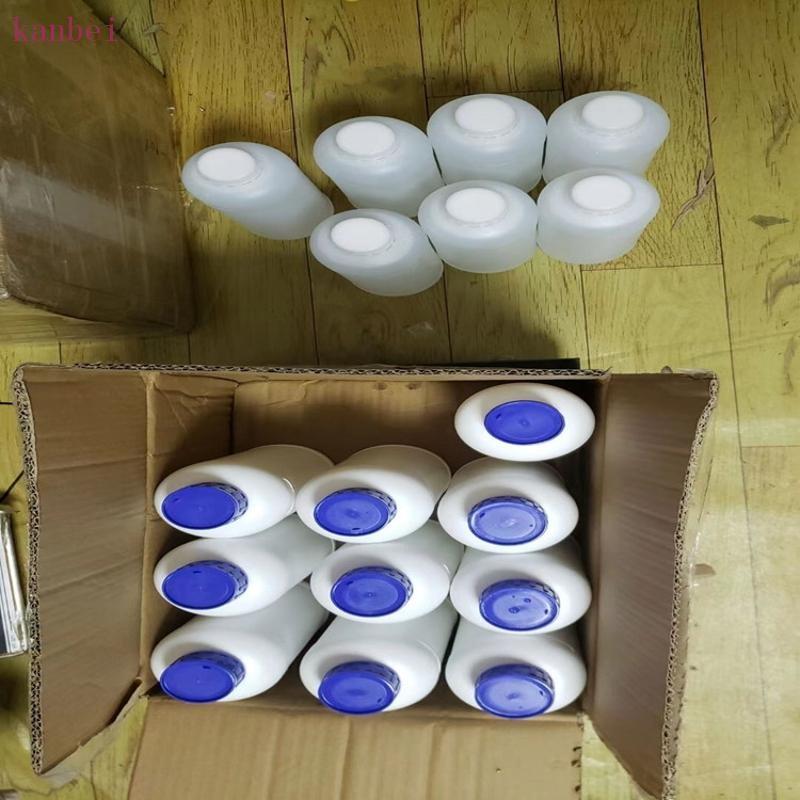


Homoanisic Acid Ethyl Ester 99% see COA kanbei
GMP ISO
104-01-8
Industrial Grade
99%
Qingdao
kanbei
25kg/drum
2022-08-17

PVC resin,pvc paste resin,melamine
-
Product Description
-
Seller Information
-
DescriptionECHEMI Editorial Reference2-(4-Methoxyphenyl)acetic acid is a plasma metabolite, with high sensitivity and specificity value as a biomarker for discriminating between NSCLC and healthy controls.
4-methoxyphenylacetic acid appears as pale yellow or off white colored flakes. Severely irritates skin and eyes. May be toxic by ingestion.|Solid
4-methoxyphenylacetic acid appears as pale yellow or off white colored flakes. Severely irritates skin and eyes. May be toxic by ingestion.|4-methoxyphenylacetic acid is a monocarboxylic acid that is phenylacetic acid carrying a 4-methoxy substituent. It is used as an intermediate for pharmaceuticals and other organic synthesis. It has been found to inhibit the germination of cress and lettuce seeds. It has a role as a plant metabolite, a plant growth retardant and an Aspergillus metabolite. It is a monocarboxylic acid and a monomethoxybenzene.CertificatesBasic Info-
Product Name:
(4-Methoxyphenyl)acetic acid
Other Name:Benzeneacetic acid,4-methoxy-;Acetic acid,(p-methoxyphenyl)-;4-Methoxybenzeneacetic acid;Homoanisic acid;(p-Methoxyphenyl)acetic acid;(4-Methoxyphenyl)acetic acid;2-(p-Anisyl)acetic acid;p-Anisylacetic acid;2-(p-Methoxyphenyl)acetic acid;NSC 27799;NSC 65597;2-(4-Methoxyphenyl)acetic acid;4-Methoxyphenacetic acid
CAS No.:104-01-8
Molecular Formula:C9H10O3
InChIKeys:InChIKey=NRPFNQUDKRYCNX-UHFFFAOYSA-N
Molecular Weight:166.17400
Exact Mass:166.17
EC Number:203-166-4
UNII:AJP2V8U5K6
NSC Number:65597|27799
UN Number:3261
DSSTox ID:DTXSID1059288
HScode:29189090
Categories:
Characteristics-
PSA:
46.53000
XLogP3:1.4
Appearance:4-methoxyphenylacetic acid appears as pale yellow or off white colored flakes. Severely irritates skin and eyes. May be toxic by ingestion.
Density:1.2±0.1 g/cm3
Melting Point:87 °C
Boiling Point:138 °C
Flash Point:124.3ºC
Refractive Index:1.502
Water Solubility:H2O: 6 g/L (20 ºC)
Storage Conditions:Store in a tightly closed container. Store in a cool, dry, well-ventilated area away from incompatible substances.
Vapor Pressure:0.143mmHg at 25°C
Collision Cross Section:137.4 Ų [M+H]+ [CCS Type: DT, Method: single field calibrated with Agilent tune mix (Agilent)]
Air and Water Reactions:No rapid reaction with air. No rapid reaction with water.
Reactive Group:Acids, Carboxylic
Reactivity Profile:Carboxylic acids donate hydrogen ions if a base is present to accept them. They react in this way with all bases, both organic (for example, the amines) and inorganic. Their reactions with bases, called "neutralizations", are accompanied by the evolution of substantial amounts of heat. Neutralization between an acid and a base produces water plus a salt. Carboxylic acids with six or fewer carbon atoms are freely or moderately soluble in water; those with more than six carbons are slightly soluble in water. Soluble carboxylic acid dissociate to an extent in water to yield hydrogen ions. The pH of solutions of carboxylic acids is therefore less than 7.0. Many insoluble carboxylic acids react rapidly with aqueous solutions containing a chemical base and dissolve as the neutralization generates a soluble salt. Carboxylic acids in aqueous solution and liquid or molten carboxylic acids can react with active metals to form gaseous hydrogen and a metal salt. Such reactions occur in principle for solid carboxylic acids as well, but are slow if the solid acid remains dry. Even "insoluble" carboxylic acids may absorb enough water from the air and dissolve sufficiently in it to corrode or dissolve iron, steel, and aluminum parts and containers. Carboxylic acids, like other acids, react with cyanide salts to generate gaseous hydrogen cyanide. The reaction is slower for dry, solid carboxylic acids. Insoluble carboxylic acids react with solutions of cyanides to cause the release of gaseous hydrogen cyanide. Flammable and/or toxic gases and heat are generated by the reaction of carboxylic acids with diazo compounds, dithiocarbamates, isocyanates, mercaptans, nitrides, and sulfides. Carboxylic acids, especially in aqueous solution, also react with sulfites, nitrites, thiosulfates (to give H2S and SO3), dithionites (SO2), to generate flammable and/or toxic gases and heat. Their reaction with carbonates and bicarbonates generates a harmless gas (carbon dioxide) but still heat. Like other organic compounds, carboxylic acids can be oxidized by strong oxidizing agents and reduced by strong reducing agents. These reactions generate heat. A wide variety of products is possible. Like other acids, carboxylic acids may initiate polymerization reactions; like other acids, they often catalyze (increase the rate of) chemical reactions.
Hazard IdentificationClassification of the substance or mixture
Eye irritation, Category 2
GHS label elements, including precautionary statements
Pictogram(s) 
Signal word Warning
Hazard statement(s) H319 Causes serious eye irritation
Precautionary statement(s) Prevention P264 Wash ... thoroughly after handling.
P280 Wear protective gloves/protective clothing/eye protection/face protection/hearing protection/...
Response P305+P351+P338 IF IN EYES: Rinse cautiously with water for several minutes. Remove contact lenses, if present and easy to do. Continue rinsing.
Storage none
Disposal none
Other hazards which do not result in classification
no data available
Handling and StoragePrecautions for safe handling
Handling in a well ventilated place. Wear suitable protective clothing. Avoid contact with skin and eyes. Avoid formation of dust and aerosols. Use non-sparking tools. Prevent fire caused by electrostatic discharge steam.
Conditions for safe storage, including any incompatibilities
Store the container tightly closed in a dry, cool and well-ventilated place. Store apart from foodstuff containers or incompatible materials.
-
-
Seller Information
-
Business Type:
Trader
-
Main Products:
PVC resin,pvc paste resin,melamine
-
Location:
Room 405, Unit 2, Building 1, Taiji Mansion, No. 38, Nanyang Road, Jinshui District, Zhengzhou City, Henan Province
-
Payment Terms:
TT against copy of documents,L/C
-
Average lead Time:
90
-
Total Annual Revenue:
$5 million-$10 million
-
Total Employees:
11-50
-
Year of Establishment:
2022
-
-
Country Product Purchase Quantity Date Posted Post an enquiry for this product


