Product
Supplier
Encyclopedia
Inquiry
Home > Organic Chemistry > Carboxylic Acids and Derivatives > Oxalic acid for Sale > Oxalic acid 99.5% Colorless transparent crystal
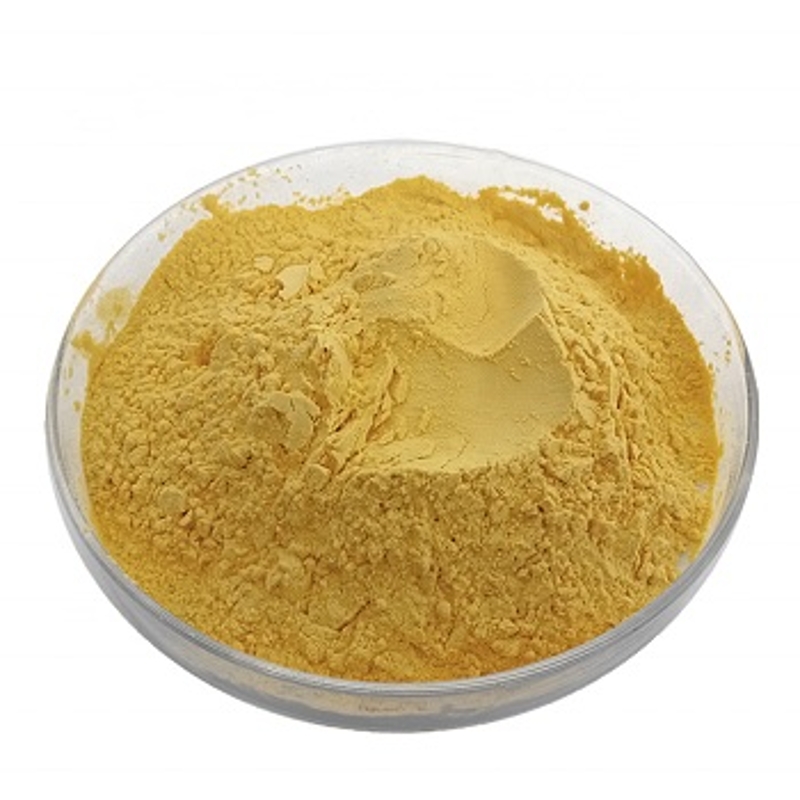
Oxalic acid 99.5% Colorless transparent crystal buy - large image1
Oxalic acid 99.5% Colorless transparent crystal buy - image1
Oxalic acid 99.5% Colorless transparent crystal buy - image2
Oxalic acid 99.5% Colorless transparent crystal buy - image3
Oxalic acid 99.5% Colorless transparent crystal buy - image4
Oxalic acid 99.5% Colorless transparent crystal buy - image5

Oxalic acid 99.5% Colorless transparent crystal

48 Inquiries

Unit Price: Get Latest Price
CAS No.:

144-62-7

Grade:

Industrial Grade

Content:

99.5%

Port:

Port of Qingdao

Packaging:

25kg/bag

Price valid (until):

2023-04-20

Company Type:
Trader
Location:
China
Qualification:
Main Products:

Melamine,ethyl acetate,maleic anhydride,acetic acid,tetrahydrofuran,butyl acetate

  • Product Description

  • Seller Information

  • Inquiry History

  • Description


      Oxalic acid  


    Oxalic acid is an organic substance. Chemical form H₂C₂O₄. It is a metabolic product of living organisms. Binary weak acid. It is widely distributed in plant, animal, and fungal bodies, and performs various functions in different living organisms. Studies have found that more than 100 kinds of plants are rich in oxalic acid, especially spinach, amaranth, beet, purslane, taro, sweet potato, rhubarb and other plants have the highest content. Because oxalic acid can reduce the bioavailability of mineral elements, it is easy to form calcium oxalate with calcium ions in human body and lead to kidney stones, so oxalic acid is often considered as an antagonist for the absorption and utilization of mineral elements. Its anhydride is carbon trioxide.

    Colorless transparent crystal, often containing two molecules of crystalline water. When heated to 98 ~ 100℃, oxalate hydrate lost its crystalline water. Anhydrous oxalic acid is a clear, odourless solid with delixability. It has two crystal forms: rhomboidal and monoclinic. At room temperature, rhombic oxalate crystals are thermodynamically stable, while monoclinic oxalate crystals are thermodynamically metastable. Rhombic oxalic acid crystals have slightly higher melting points and densities than monoclinic oxalic acid crystals. Anhydrous oxalic acid melting point 189.5℃ (decomposition). Partial decomposition begins at 157℃ I When accelerated heating, oxalic acid is completely decomposed to form formic acid, carbon monoxide and water. Soluble in water and alcohol, slightly soluble in ether, insoluble in benzene, chloroform and petroleum ether. Risk of ignition in contact with high heat, open flame or oxidant. Decomposition by heating produces toxic gases.

    The two carboxyl groups in oxalic acid molecule are directly connected, which has some special properties. For example, oxalic acid is reductive, which can reduce potassium permanganate to manganese divalent. This reaction is used as a method to determine the concentration of potassium permanganate in quantitative analysis. Oxalic acid can also be used as a bleaching agent for fibers, oils and tanning industries, also taking advantage of its reducing properties.


    Oxalic acid is heated and decarboxylated to produce carbon dioxide, carbon monoxide and water. Carbon monoxide gas can be produced by thermal decomposition of oxalic acid in laboratory.


    Oxalic acid forms water-soluble complexes with many metals. Oxalic acid can be used as rust, ink stain cleaning agent and metal polishing agent. Oxalic acid can remove rust. Go to a chemical store and buy a bottle of oxalic acid. Take some and rub it over the rust stains with a solution of warm water. Sell oxalic acid shop, generally sell some medical equipment, glass instruments.


    Antimony oxalate is used as a mordant and ammonium ferric oxalate is used as a blueprint agent.

    Mainly used as reducing agent and bleach, dyeing industry mordant, also used for refining rare metals, synthesis of various oxalate ester, oxalate and oxalyl ammonium.


    ItemsSpecifications
    English aliasBETZ 0295
    Kleesαure
    Oxalic acid
    ETHANEDIOIC ACID
    DI-CARBOXYLIC ACID
    Kyselina stavelova
    DICARBOXYLIC ACID C2
    PH STANDARD SOLUTION OXALATE BUFFER
    OXALATE ION CHROMATOGRAPHY STANDARD
    CAS144-62-7
    chemical formulaC2H2O4
    molecular weight90.03
    density
    0.99 g/mL at 25 °C
    melting pointα type, 189.5℃, β type: 182℃
    boiling point150℃ (sublimation)
    flash(ing) point188.8°C
    functional group-COOH
    Ionic components in solutionC2O42- (oxalate ion), H+ (hydrogen ion), HC2O4- (hydrogen oxalate ion)
    characterColorless transparent crystal or powder, its crystal structure has two forms, namely α-type (rhombus) and β-type (monoclinic crystal), odorless, sour taste
    refractive index1.540
    stabilityDecomposition at 189.5℃
    chemical property
    Oxalic acid, also known as glycolic acid, is widely found in plant foods. Oxalic acid is a colorless columnar crystal, soluble in water rather than in organic solvents such as ether,

    Oxalate has a strong coordination effect and is another kind of metal chelating agent in plant food. When oxalic acid is combined with some alkaline earth metal elements, its solubility is greatly reduced, such as calcium oxalate is almost insoluble in water. Therefore, the presence of oxalic acid has a great effect on the bioavailability of essential minerals; When oxalic acid is combined with some transitional metal elements, soluble complexes are formed due to the coordination of oxalic acid, and their solubility is greatly increased [2].

    Oxalic acid began to sublimate at 100℃, rapidly sublimated at 125℃, and substantially sublimated at 157℃, and began to decompose.

    Can react with alkali, can produce esterification, acyl halogenation, amide reaction. Reduction reactions can also occur, and decarboxylation reactions can occur under heat. Anhydrous oxalic acid is hygroscopic. Oxalic acid forms water-soluble complexes with many metals.
    acidityOxalic acid is a weak acid. The first-order ionization constant Ka1=5.9×10⁻² and the second-order ionization constant Ka2=6.4×10⁻⁵. It has the commonness of acid. Can neutralize with base, can make the indicator discoloration, can interact with carbonate to release carbon dioxide.

    For example, H2C2O4+Na2CO3=Na2C2O4+CO2↑+H2O

    H2C2O4 + zinc = ZnC2O4 + H2 write
    reducibilityOxalate has strong reducibility and can be easily oxidized into carbon dioxide and water when it interacts with oxidants. Acid potassium permanganate (KMnO4) solution can be discolored and reduced to 2 manganese ions. This reaction is used as a method to determine potassium permanganate concentration in quantitative analysis. The oxalic acid also washes away ink stains that have been splashed on strips of cloth.

    Kmno4 + 5 + 3 - h2so4 h2c2o4 = 2 + 2 mnso4 + K2SO4 write 10 co2 + 8 h2o

    H2C2O4 + NaClO = write NaCl + 2 co2 + H2O
    instabilityOxalic acid will decompose into carbon dioxide, carbon monoxide and water at 189.5℃ or when it meets concentrated sulfuric acid.

    Write H2C2O4 = CO2 + CO write + H2O

    The laboratory can use this reaction to produce carbon monoxide gas.

    Ammonium hydrogen oxalate at 200 degrees breaks down into carbon dioxide, carbon monoxide, ammonia, and water.
    toxicityOxalic acid is toxic, irritating and corrosive to the skin and mucous membranes, and is easily absorbed by the epidermis and mucous membranes to cause poisoning. The maximum allowable concentration in the air is 1mg/m3
    esterification reaction

    Glycolic acid can react with alcohols to form esters, for example, glycolic acid reacts with ethanol to form diethyl glycolate.

    acute toxicity

    Rat transoral LD50:7500 mg/kg; Mouse peritoneal LD50:270 mg/kg

    Stimulus data

    Skin - Rabbit 500mg / 24h Mild; Eye - Rabbit 0.25mg / 24h heavy

    security

    It is corrosive and irritant to the skin and mucous membrane. Inhalation of steam and dust will cause poisoning, and ingestion will cause gastroenteritis, vomiting, diarrhea and other symptoms. The minimum lethal dose in adults is 71mg/kg.


    Ecological data

    The substance may be harmful to the environment, and special attention should be paid to the water body.


    The product has strong irritant and strong corrosion. Its dust or concentrated solution can cause serious damage to the skin, eyes or mucous membranes. It has strong toxicity and corrosion. The minimum lethal dose of oxalic acid in humans is 71mg/kg, and the lethal dose in adults is 15-30g.


    If people take 5g oxalic acid orally, gastrointestinal inflammation, collapse, convulsion, shock and other symptoms and even death will occur. Chronic intoxication by inhalation of oxalic acid vapors results in extreme weakness, nasal mucosa ulcers, cough, general pain, vomiting, weight loss and protein in urine.

    exist

    Oxalic acid is found throughout nature, often in the form of oxalate in the cell membranes of plants such as cowflower, clover, sorrel, and sorrel. Almost all plants contain calcium oxalate. Oxalic acid is a common component of plants, especially herbaceous plants. It exists in the form of potassium salt or calcium salt, and in the form of free acid in begonia and banana.

    water solubilitywater solubility
    vapour pressure2.51E-06mmHg at 25°C
    solubilitySoluble in water, ethanol, insoluble in benzene, chloroform.
     Storage condition2-8℃
    appearancewhite crystal
    product use

    Mainly used as reducing agent and bleach, dyeing industry mordant, also used for refining rare metals, synthesis of various oxalate ester, oxalate and oxalamide

    Oxalic acid, also known as glycolic acid, is the simplest dibasic acid. It is widely found in nature, especially in plants, such as herbs, rhubarb, oxalis, spinach, etc., and often exists in the form of potassium salt. Oxalate is present in the urine of humans and carnivores in the form of calcium salts or oxalate, which is the main component of urinary tract stones.


    The two carboxyl groups in oxalic acid molecule are directly connected, which has some special properties. For example, oxalic acid is reductive, which can reduce potassium permanganate to manganese divalent. This reaction is used as a method to determine the concentration of potassium permanganate in quantitative analysis. Oxalic acid can also be used as a bleaching agent for fibers, oils and tanning industries, also taking advantage of its reducing properties.

    Oxalic acid is heated and decarboxylated to produce carbon dioxide, carbon monoxide and water. Carbon monoxide gas can be produced by thermal decomposition of oxalic acid in laboratory.

    Oxalic acid forms water-soluble complexes with many metals. Oxalic acid can be used as rust, ink stain cleaning agent and metal polishing agent. Oxalic acid can remove rust. Go to a chemical store and buy a bottle of oxalic acid. Take some and rub it over the rust stains with a solution of warm water. Sell oxalic acid shop, generally sell some medical equipment, glass instruments.

    Antimony oxalate is used as a mordant and ammonium ferric oxalate is used as a blueprint agent.


    security

    5% solution (dihydrate) rat transoral LD50:9.5mL/kg. The product is strongly irritating and corrosive. Its dust or concentrated solution can cause serious damage to the skin, eyes or mucous membranes. It has strong toxicity and corrosion. The minimum lethal dose of oxalic acid in humans is 71mg/kg, and the lethal dose in adults is 15-30g. If people take 5g oxalic acid and oxalic acid orally, gastrointestinal inflammation, collapse, convulsion, shock and other symptoms will occur and even death. Chronic intoxication by inhalation of oxalic acid vapors results in extreme weakness, nasal mucosa ulcers, cough, general pain, vomiting, weight loss and protein in urine. The allowable amount of oxalic acid in the air is 1g/m3. Staff should be well protected. Storage temperature generally does not exceed 40℃. Store in a cool, ventilated warehouse. Keep away from fire and heat. Keep out of direct sunlight. Keep the container sealed. Should be stored separately from oxidant and alkali.


    Basic Info
    Product Name:

    Oxalic acid

    Other Name:

    Ethanedioic acid;Oxalic acid;Aktisal;Aquisal;NSC 132055;NSC 151956;NSC 62774;NSC 76990;Ultraplast Activate S 52;DeerClean;Ethanedioic acid,conjugate acid (1:2);63504-28-9;97993-78-7;216451-38-6;2469072-60-2

    CAS No.:

    144-62-7

    Molecular Formula:

    C2H2O4

    InChIKeys:

    InChIKey=MUBZPKHOEPUJKR-UHFFFAOYSA-N

    Molecular Weight:

    90.034

    Exact Mass:

    90.03

    EC Number:

    208-932-1

    UNII:

    9E7R5L6H31

    ICSC Number:

    0529

    NSC Number:

    62774

    UN Number:

    3261|1759

    DSSTox ID:

    DTXSID0025816

    Color/Form:

    ANHYDROUS OXALIC ACID, CRYSTALLIZED FROM GLACIAL ACETIC ACID IS ORTHORHOMBIC, CRYSTALS BEING PYRAMIDAL OR ELONGATED OCTAHEDRA|Colorless powder or granular solid [Note: The anhydrous form (COOH)2 is a white powder].

    HScode:

    2917111000

    Characteristics
    PSA:

    74.6

    XLogP3:

    -0.3

    Appearance:

    Oxalic acid is an odorless white solid. Sinks and mixes with water. (USCG, 1999)

    Density:

    1.9 g/cm3

    Melting Point:

    189.5 °C (decomp)

    Boiling Point:

    200 °C @ Press: 0.1 Torr

    Flash Point:

    188.8±19.7 °C

    Refractive Index:

    1.480

    Water Solubility:

    14%

    Storage Conditions:

    STORE IN COOL, DRY, WELL-VENTILATED LOCATION. /OXALIC ACID DIHYDRATE/

    Vapor Pressure:

    <0.001 mmHg

    Vapor Density:

    4.3

    Flammability characteristics:

    Combustible Solid

    Odor:

    Odorless.

    Henrys Law Constant:

    1.43e-10 atm-m3/mole|Henry's Law constant: 1.4X10⁻¹⁰ atm-cu m/mole at 25 °C (experimental)

    Dissociation Constants:

    pKa 1: 1.46; pKa 2: 4.40

    Experimental Properties:

    MP: 101-102 °C GIVING OFF WATER OF CRYSTALLIZATION & STARTING TO SUBLIME; K1= 5.36X10⁻²; K2= 5.3X10⁻⁵; DENSITY: 1.653 @ 18.5 °C/4 °C; DENSITY OF 1% (WT/WT) AQ SOLN: 1.0035 @ 17.5 °C/4 °C; DENSITY OF 3% (WT/WT) AQ SOLN: 1.0105 @ 17.5 °C/4 °C; DENSITY OF 5% (WT/WT) AQ SOLN: 1.0175 @ 17.5 °C/4 °C; DENSITY OF 10% (WT/WT) AQ SOLN: 1.0350 @ 17.5 °C/4 °C; DENSITY OF 13% (WT/WT) AQ SOLN: 1.0455 @ 17.5 °C/4 °C /OXALIC ACID DIHYDRATE/|DISSOCIATION CONSTANT: 6.5X10⁻² /OXALIC ACID DIHYDRATE/|SUBLIMES BEST @ 157 °C; @ HIGHER TEMP DECOMP INTO CO2, CARBON MONOXIDE, FORMIC ACID, & WATER; HYGROSCOPIC|MONOCLINIC TABLETS, PRISMS, OR GRANULES; 1 G DISSOLVES IN 7 ML WATER; 1 G DISSOLVES IN 2 ML BOILING WATER; 1 G DISSOLVES IN 2.5 ML ALCOHOL; 1 G DISSOLVES IN 1.8 ML BOILING ALCOHOL; 1 G DISSOLVES IN 100 ML ETHER; 1 G DISSOLVES IN 5.5 ML GLYCEROL /OXALIC ACID DIHYDRATE/|Transparent, colorless crystals or white powder /Oxalic acid dihydrate/|Odorless /Oxalic acid dihydrate/|For more Other Experimental Properties (Complete) data for OXALIC ACID (6 total), please visit the HSDB record page.

    Air and Water Reactions:

    Water soluble. Hygroscopic

    Reactive Group:

    Acids, Carboxylic

    Reactivity Profile:

    OXALIC ACID is hygroscopic and sensitive to heat. This compound may react violently with furfuryl alcohol, silver, sodium, perchlorate, sodium hypochlorite, strong oxidizers, sodium chlorite, acid chlorides, metals and alkali metals. (NTP, 1992). The heating of mixtures of Oxalic acid and urea has lead to explosions. This is due to the rapid generation of the gases CO2, CO, and NH3 [Praxis Naturwiss. Chem., 1987, 36(8), 41-42]. Oxalic acid and urea react at high temperatures to form toxic and flammable ammonia and carbon monoxide gases, and inert CO2 gas [Von Bentzinger, R. et al., Praxis Naturwiss. Chem., 1987, 36(8), 41-42].

    Autoignition Temperature:

    Not flammable (USCG, 1999)

    Heat of Combustion:

    -245.61 KJ/mol

    Flammable Limits:

    Combustible Solid

    Hazard Identification

    Classification of the substance or mixture

    Acute toxicity - Category 4, Oral

    Acute toxicity - Category 4, Dermal

    GHS label elements, including precautionary statements

    Pictogram(s)

    Signal word

    Warning

    Hazard statement(s)

    H302 Harmful if swallowed

    H312 Harmful in contact with skin

    Precautionary statement(s)
    Prevention

    P264 Wash ... thoroughly after handling.

    P270 Do not eat, drink or smoke when using this product.

    P280 Wear protective gloves/protective clothing/eye protection/face protection/hearing protection/...

    Response

    P301+P317 IF SWALLOWED: Get medical help.

    P330 Rinse mouth.

    P302+P352 IF ON SKIN: Wash with plenty of water/...

    P317 Get medical help.

    P321 Specific treatment (see ... on this label).

    P362+P364 Take off contaminated clothing and wash it before reuse.

    Storage

    none

    Disposal

    P501 Dispose of contents/container to an appropriate treatment and disposal facility in accordance with applicable laws and regulations, and product characteristics at time of disposal.

    Other hazards which do not result in classification

    no data available

    Handling and Storage

    Precautions for safe handling

    NO open flames. Handling in a well ventilated place. Wear suitable protective clothing. Avoid contact with skin and eyes. Avoid formation of dust and aerosols. Use non-sparking tools. Prevent fire caused by electrostatic discharge steam.

    Conditions for safe storage, including any incompatibilities

    Separated from strong oxidants and food and feedstuffs. Dry. Well closed.STORE IN COOL, DRY, WELL-VENTILATED LOCATION. OXALIC ACID DIHYDRATE

  • Seller Information
    Business Type:

    Trader

    Main Products:

    Melamine,ethyl acetate,maleic anhydride,acetic acid,tetrahydrofuran,butyl acetate

    Location:

    Room 21-1, 14th floor, Zone (A), Guangrao City Commercial Complex, Quanfu Yuan, Guangrao County, Dongying City, Shandong Province

    Payment Terms:

    TT against copy of documents,L/C

    Average lead Time:

    20

    Total Annual Revenue:

    $50 million-$100 million

    Total Employees:

    51-100

    Year of Establishment:

    2018

    Shandong Lingnuo chemical Co.,Ltd is located in Dongying City, Shandong Province, export more than ten years It is mainly exported to Africa, Asia,Middle East,South America , mainly delaing with product tetrahydrofuran, Melamine, Methylene chloride, aniline oil, Dimethyl Formamide,Acetic acid, Isopropyl Alcohol, Maleic anhydride,Methyl Acetate,DMSO, Ethanol and so on.

  • Inquiry History
    48 Inquiries
    Country Product Purchase Quantity Date Posted
    France

    Custom Blend CAS 144-62-7 CAS 65997-17-3 CAS 68081-81-2

    400 G May 13, 2026
    India

    Oxalic Acid

    125.00 KG Feb 26, 2024
    Turkey

    Oxalic Acid

    100 KG Jul 9, 2026
    Malaysia

    OXALIC ACID

    1400 KG Jun 25, 2026
    Thailand

    Oxalic acid 99.6%

    1.00 20' Fcl Jun 9, 2026
    Indonesia

    oxalic acid

    25 MT Jun 3, 2026
    Poland

    oxalic acid

    1.00 20' Fcl Aug 23, 2025
    Egypt

    Zinc ash

    4.00 BOU May 29, 2025
    United States

    OXALIC ACID

    1200 MT Apr 19, 2025
    India

    Oxalic Acid

    100 MT Apr 7, 2025
    Pakistan

    oxalic acid

    1 20' Fcl Mar 24, 2025
    India

    Oxalic Acid

    1 MT Feb 27, 2025
    Vietnam

    Oxalic Acid

    50 MT Dec 24, 2024
    Thailand

    Oxalic Acid

    10 MT Nov 8, 2024
    Malaysia

    Oxalid Acid

    1 20' Fcl Jul 22, 2024
    United States

    Oxalic acid

    200000 KG Jul 14, 2024
    Pakistan

    Oxalic acid

    5 TON Jun 28, 2024
    Japan

    OXALIC ACID

    25 MT Jun 24, 2024
    Egypt

    Oxalic Acid

    92 MT Jun 24, 2024
    Malaysia

    OXALIC ACID

    2700 MT Jun 11, 2024
    Post an enquiry for this product
pic ×

Scan the QR Code to Share

All products displayed on this website are only for non-medical purposes such as industrial applications or scientific research, and cannot be used for clinical diagnosis or treatment of humans or animals. They are not medicinal or edible.

According to relevant laws and regulations and the regulations of this website, units or individuals who purchase hazardous materials should obtain valid qualifications and qualification conditions.

The information shown above is provided by the enterprise itself, and the authenticity, accuracy and legitimacy of the content are the responsibility of the publishing company. ECHEMI does not bear any guarantee responsibility for this. Please be aware that risks in internet transactions objectively exist.

Feedback & Suggestions
Send Message

Thank you for your feedback. If you require further assistance, please contact us by email at info@echemi.com or call us at +86-532-55729510.