AVICEL PH 102 98% for sale
68 Inquiries
9004-34-6
98%
Request
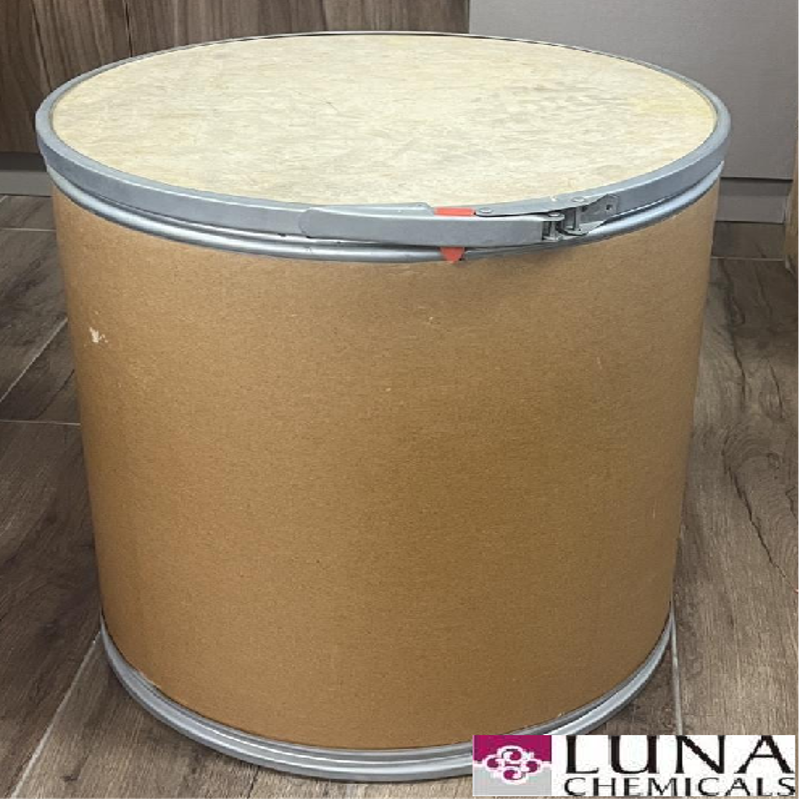
25kg/drum
2024-08-31

xylene,COCODIETHANOLAMIDE (CDEA),LINEAR ALKYL BENZENE SULFONIC ACID (LABSA),ethanol,soap noodles,caustic soda
-
Product Description
-
Seller Information
-
Inquiry History
-
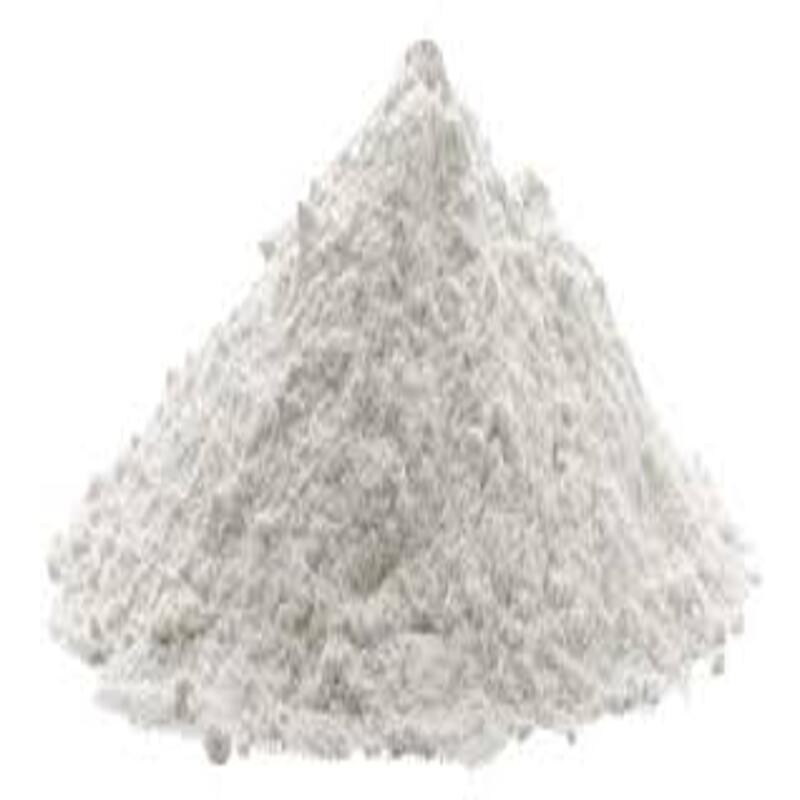
DescriptionECHEMI Editorial Referencewhite powder Microcrystalline cellulose and carboxymethylcellulose sodium occurs as a white or off-white odorless and tasteless hygroscopic powder containing 5–22% sodium carboxymethylcellulose. It is a water-dispersible organic hydrocolloid. Microcrystalline cellulose is a purified, partially depolymerized cellulose that occurs as a white, odorless, tasteless, crystalline powder composed of porous particles. It is commercially available in different particle sizes and moisture grades that have
Cellulose is an odorless, white powdery fibers. Density: 1.5 g/cm3. The biopolymer composing the cell wall of vegetable tissues. Prepared by treating cotton with an organic solvent to de-wax it and removing pectic acids by extration with a solution of sodium hydroxide. The principal fiber composing the cell wall of vegetable tissues (wood, cotton, flax, grass, etc.). Technical uses depend on the strength and flexibility of its fibers. Insoluble in water. Soluble with chemical degradation in sulfuric acid, and in concentrated solutions of zinc chloride. Soluble in aqueous solutions of cupric ammonium hydroxide (Cu(NH3)4(OH)2).|WetSolid|Odorless, white substance.|Odorless, white substance. [Note: The principal fiber cell wall material of vegetable tissues (wood, cotton, flax, grass, etc.).]
Cellulose is an odorless, white powdery fibers. Density: 1.5 g/cm3. The biopolymer composing the cell wall of vegetable tissues. Prepared by treating cotton with an organic solvent to de-wax it and removing pectic acids by extration with a solution of sodium hydroxide. The principal fiber composing the cell wall of vegetable tissues (wood, cotton, flax, grass, etc.). Technical uses depend on the strength and flexibility of its fibers. Insoluble in water. Soluble with chemical degradation in sulfuric acid, and in concentrated solutions of zinc chloride. Soluble in aqueous solutions of cupric ammonium hydroxide (Cu(NH3)4(OH)2).|A disaccharide consisting of two glucose units in beta (1-4) glycosidic linkage. Obtained from the partial hydrolysis of cellulose.
A natural carbohydrate high polymer (polysaccha- ride) consisting of anhydroglucose units joined by an oxygen linkage to form long molecular chains that are essentially linear. It can be hydrolyzed to glucose. The degree of polymerization is from 1000 for wood pulp to 3500 for cotton fiber, giving a molecular weight from 160,000 to 560,000. Cellulose is a colorless solid, d approximately 1.50, insoluble in water and organic solvents. It will swell in sodium hydroxide solution and is soluble in Schweitzer’s reagent. It is the fundamental con- stituent of all vegetable tissues (wood, grass, cotton, etc.) and the most abundant organic material in the world. Cotton fibers are almost pure cellulose; wood contains approximately 50%. The physical structure of cellulose is unusual in that it is not a single crystal but consists of crystalline areas embedded in amorphous areas. Chemical reagents penetrate the latter more easily than the former. Cel- lulose is virtually odorless and tasteless and is com- bustible, with an ignition point of approximately 450F. In some forms, it is flammable. For example, railroad shipping regulations require a flammable label on such items as burnt fiber, burnt cotton, wet waste paper, and wet textiles. Fires have been known to occur in warehouses in which telephone books were stored. These were undoubtedly due to heat buildup in the paper caused by microbial activity and self-sustaining oxidation.
A nuisance dust. When heated to decomposition it emits acrid smoke and irritating fumes.Basic Info-
Product Name:
Microcrystalline cellulose
Other Name:AVICEL PH;AVICEL PH 101(R);AVICEL PH 102;AVICEL PH 105(R);AVICEL(R);''AVICEL(R)'';AVICEL SF;AVIRIN
CAS No.:9004-34-6
Molecular Formula:(C12H20O10)n
InChIKeys:UFHFLCQGNIYNRP-UHFFFAOYSA-N
Molecular Weight:324.28
Exact Mass:2.01588
EC Number:232-674-9
NSC Number:2559
TSCA:TSCA listed
DSSTox ID:DTXSID1023233|DTXSID3045984|DTXSID3050492|DTXSID50873004
Color/Form:White or almost white
HScode:39129090
Categories:
Characteristics-
PSA:
190 Ų
XLogP3:4.75
Appearance:powder
Density:1.5 g/cm3 (20℃)
Melting Point:76-78 °C(Solv: acetone (67-64-1); chloroform (67-66-3))
Boiling Point:237.6±35.0 °C at 760 mmHg
Flash Point:164 °C
Refractive Index:n20/D 1.504
Water Solubility:insoluble
Storage Conditions:room temp
Vapor Pressure:0 mm Hg (approx) (NIOSH, 2016)|0 mmHg (approx)
Toxicity:LD50 orally in Rabbit: > 5000 mg/kg LD50 dermal Rabbit > 2000 mg/kg
Odor:Odorless
PH:5-7.5 (100g/l, H2O, 20℃)(slurry)
Air and Water Reactions:No rapid reaction with air No rapid reaction with water
Reactive Group:Alcohols and Polyols
Reactivity Profile:Cellulose microcrystalline is combustible. Incompatible with strong oxidizing agents including bromine pentafluoride, sodium nitrate, fluorine, perchlorates, perchloric acid, sodium chlorate, magnesium perchlorate, F2, zinc permanganate, sodium nitrite, sodium nitrate, sodium peroxide. Nitration with a mixture of nitric and sulfuric acids produces Cellulose microcrystalline nitrates (celluloid pyroxylin, soluble pyroxyline, guncotton) which are flammable or explosive.
Autoignition Temperature:232 °C
Flammable Limits:Combustible Solid
Critical Temperature & Pressure:room temp
-
-
Seller Information
-
Business Type:
Manufactory
-
Main Products:
xylene,COCODIETHANOLAMIDE (CDEA),LINEAR ALKYL BENZENE SULFONIC ACID (LABSA),ethanol,soap noodles,caustic soda
-
Location:
Wisma 98,Jalan 4,Taman Johor Jaya, 81100 Johor Bahru,Johor Darul Takzim, Malaysia
-
Payment Terms:
TT against copy of documents,D/P,L/C,D/A,TT against B/L draft before shipment,100% TT in advance
-
Average lead Time:
8
-
Total Annual Revenue:
$2.5 million-$5 million
-
Total Employees:
101-200
-
Year of Establishment:
2018
-
-
Inquiry History68 Inquiries
Country Product Purchase Quantity Date Posted  Peru
Peru
cellulose powder
200 KG Sep 14, 2024  Yemen
Yemen
Cellulose Microcrystalline
20 20' Fcl Dec 30, 2024  Pakistan
Microcrystalline cellulose
7000 KG Jun 24, 2026
Pakistan
PH102
1 KG Jun 8, 2026
Pakistan
Microcrystalline Cellulose (Avicel PH 102)
1000 KG Jun 8, 2026
Pakistan
MICRO CRYSTALLINE CELLULOSE
4500 KG Mar 13, 2026
Pakistan
Microcrystalline Cellulose (Avicel PH 102)
2000 KG Feb 17, 2026
Pakistan
MICROCRYSTALLINE CELLULOSE
500 KG Jan 4, 2026
Pakistan
AVICEL PH102-BP
1 20' Fcl Dec 11, 2025  Malaysia
Cellulose Filter Aid
10 MT Nov 2, 2025
Pakistan
Microcrystalline Cellulose
5000 KG Oct 30, 2025  Poland
microcrystalline cellulose
100 KG Oct 29, 2025  United Kingdom
Microcrystalline Cellulose 200
100 KG Oct 19, 2025  India
India
Microcrystalline Cellulose
1.00 KG Aug 22, 2025  Switzerland
Microcrystalline Cellulose (102)
600.00 KG Jul 22, 2025
Pakistan
MICROCRYSTALLINE CELLULOSE
5000 KG Jul 15, 2025
Pakistan
MICROCRYSTALLINE CELLULOSE
7 MT Jun 27, 2025
Pakistan
MICROCRYSTALLINE CELLULOSE PH 102
4000 KG Jun 19, 2025  Canada
MCC 102
500 KG Jun 3, 2025  Thailand
Cellulose Powder
5 KG Apr 18, 2025 Post an enquiry for this product
- Hot Searches
- polybutylene terephthalate price
- tartaric acid where to buy
- ammonium sulphate crystalline
- hypochlorous acid wholesale supplier
- polyethylene styrene
- rift chems
- where to buy ss 31 peptide
- acrylonitrile butadiene styrene price
- food grade phosphoric acid
- retatrutide vendor
- propane sds bernzomatic
- chemical compound of acetone