1. IDENTIFICATION
Product Name: FRUCTOSE
Other Names: LEVULOSE; LAEVULOSE; FRUIT SUGAR; ARABINO-HEXULOSE; NEVULOSE.
Uses: Used in analytical chemistry, in food industry, synthesis of organic products, nutrient media for bacterial culture, medicine, preservative, laboratory reagent, and a natural sweetener.
-------------------------------------------------------------------------------------------------2. HAZARD IDENTIFICATION
NOT Hazardous according to criteria of NOHSC/ASCC.
Risk Phrases: No data available.
Safety Phrases: No data available.
HSNO Hazard Classification: No data available.
-------------------------------------------------------------------------------------------------3. COMPOSITION/INFORMATION ON INGREDIENTS
Ingredients
Chemical Entity FRUCTOSE
CAS Number [57-48-7]
Proportions (%) <100.0
-------------------------------------------------------------------------------------------------4. FIRST AID MEASURES
Description of necessary measures according to routes of exposure.
Swallowed: Rinse mouth with water. Give water to drink. Do NOT induce vomiting. If symptoms develop, seek medical attention.
Eye: Immediately flush eyes with plenty of water holding eyelids open. Take care not to rinse contaminated water into the non-affected eye. If irritation persists, seek medical attention.
Skin Remove contaminated clothing. Wash affected area with plenty of water. If irritation persists, seek medical attention.
Inhaled Remove victim from exposure to fresh air. If not breathing, apply artificial respiration. If breathing is difficult, give oxygen. Seek medical attention.
Advice to Doctor
Treat symptomatically based on individual reactions of patient and judgement of doctor. NOTE: For advice in an emergency, contact a Poisons Information Centre
Aggravated medical conditions caused by exposure
No information available on medical conditions which are aggravated from exposure to this product.
-------------------------------------------------------------------------------------------------------------------------5. FIRE FIGHTING MEASURES
Extinguishing Media
In case of fire, use appropriate extinguishing media most suitable for surrounding fire conditions. SMALL FIRE: Use dry chemical, carbon dioxide, water spray or foam. LARGE FIRE: Use water spray, fog or foam. If safe to do so, move undamaged containers from the fire area. Cool containers with flooding quantities of water until well after the fire is out. Containers may explode when heated.
Hazards from Combustion Products
Combustible solid. Avoid generating dust. Incompatible with oxidizing agents, strong acids, and sources of ignition. When involved in a fire, this product may generate irritating, poisonous, or corrosive fumes of carbon monoxide, and carbon dioxide.
Special Protective Precautions and Equipment for Fire Fighters
Fire fighters should wear a positive-pressure self-contained breathing apparatus (SCBA) and protective fire fighting clothing (includes fire fighting helmet, coat, trousers, boots and gloves). Clear fire area of all non-emergency personnel. Stay upwind. Keep out of low areas. Eliminate ignition sources.
Flammability Conditions
Product is a combustible solid.
Additional Information
Hazchem Code N/A
-------------------------------------------------------------------------------------------------------------------------6. ACCIDENTAL RELEASE MEASURES
Emergency Procedures
Personnel involved in the clean up should wear full protective clothing. Eliminate all sources of ignition. Increase ventilation. Avoid generating dust. Do not allow product to reach drains, sewers or waterways. If the product does enter a waterway, advise the Environmental Protection Authority or your local Waste Management.
Methods and Materials for Containment and Clean Up
Contain and sweep/shovel up spills with dust binding material or use an industrial vacuum cleaner. Transfer to suitable, labelled, sealable chemical- waste containers and dispose of promptly as hazardous waste.
-------------------------------------------------------------------------------------------------------------------------7. HANDLING AND STORAGE
Precautions for Safe Handling
Ensure an eye bath and safety shower are available and ready for use. Observe good personal hygiene practices and recommended procedures. Wash thoroughly after handling. Take precautionary measures against dust generation and accumulation, and static discharges by bonding and grounding equipment. Avoid contact with eyes, skin and clothing. Do NOT inhale product dust/fumes.
Conditions for Safe Storage (Including Any Incompatibles)
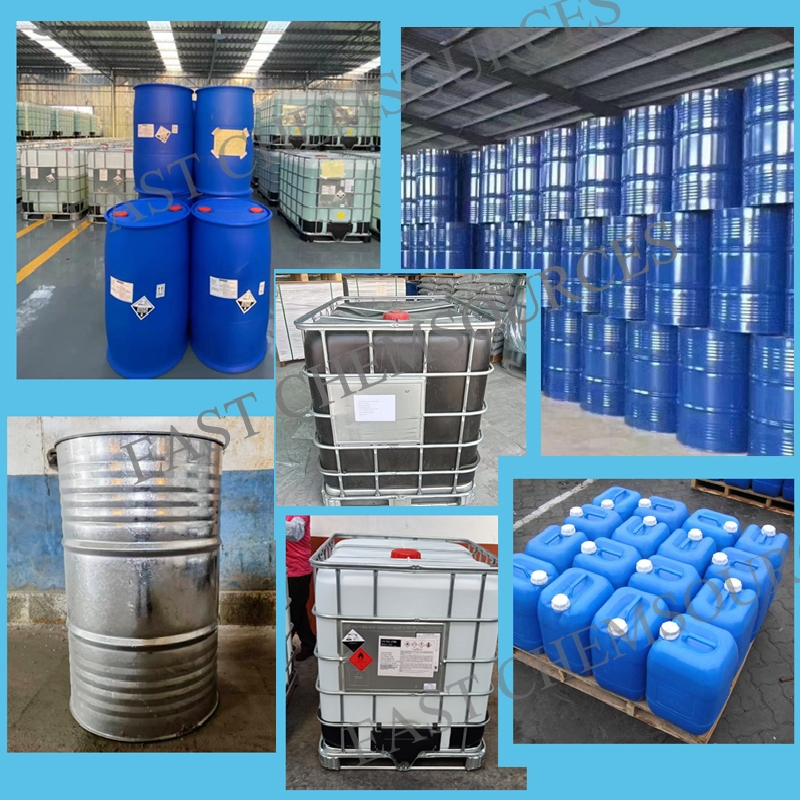
Store in a cool, dry, well-ventilated area. Keep containers tightly closed when not in use. Inspect regularly for deficiencies such as damage or leaks. Protect against physical damage. Store away from incompatible materials including oxidizing agents, strong acids, and sources of ignition. Protect from direct sunlight and moisture. Store at temperatures not exceeding 15-25'C. This product is not classified dangerous for transport according to The Australian Code for the Transport of Dangerous Goods By Road and Rail.
Container Type
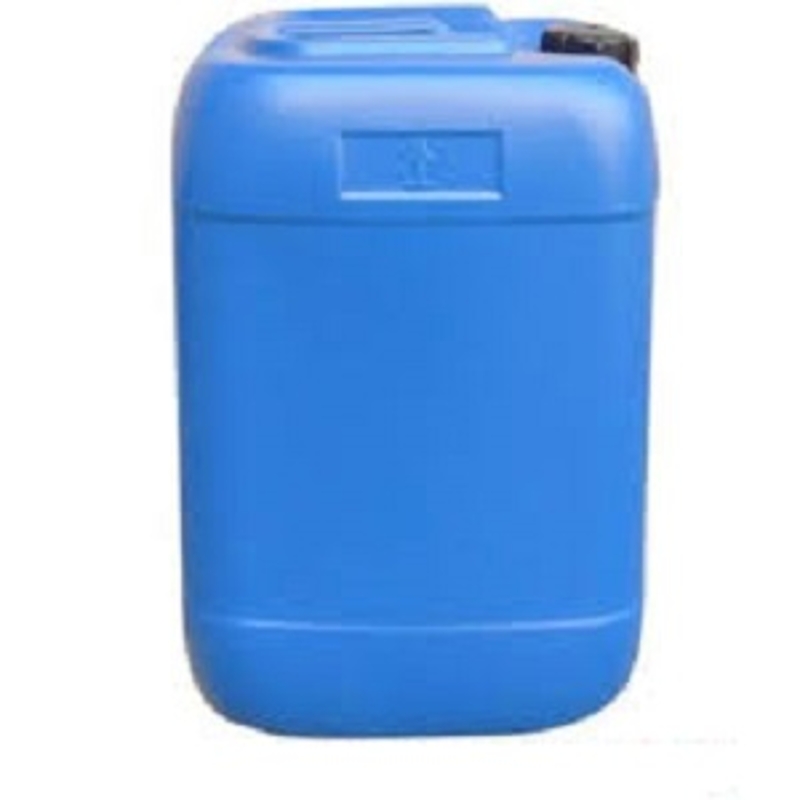
Store in original packaging as approved by manufacturer.
-------------------------------------------------------------------------------------------------------------------------8. EXPOSURE CONTROLS / PERSONAL PROTECTION
National Exposure Standards
No exposure standard has been established for this product by the Australian Safety and Compensation Council (ASCC). However, the exposure standard for dust not otherwise specified is 10mg/m3 (for inspirable dust) and 3mg/m3 (for respirable dust).
Biological Limit Values
No information available on biological limit values for this product.
Engineering Controls
A system of local and/or general exhaust is recommended to keep employee exposures as low as possible. Local exhaust ventilation is generally preferred because it can control the emissions of the contaminant at its source, preventing dispersion of it into the general work area.
Personal Protection
RESPIRATOR: Wear an effective dust mask where dusts/vapours are generated and engineering controls are inadequate (AS1715/1716). EYES: Safety glasses with side shields (AS1336/1337). HANDS: Wear impervious gloves (AS2161). CLOTHING: Long-sleeved protective clothing and safety footwear (AS3765/2210).
-------------------------------------------------------------------------------------------------------------------------9. PHYSICAL AND CHEMICAL PROPERTIES
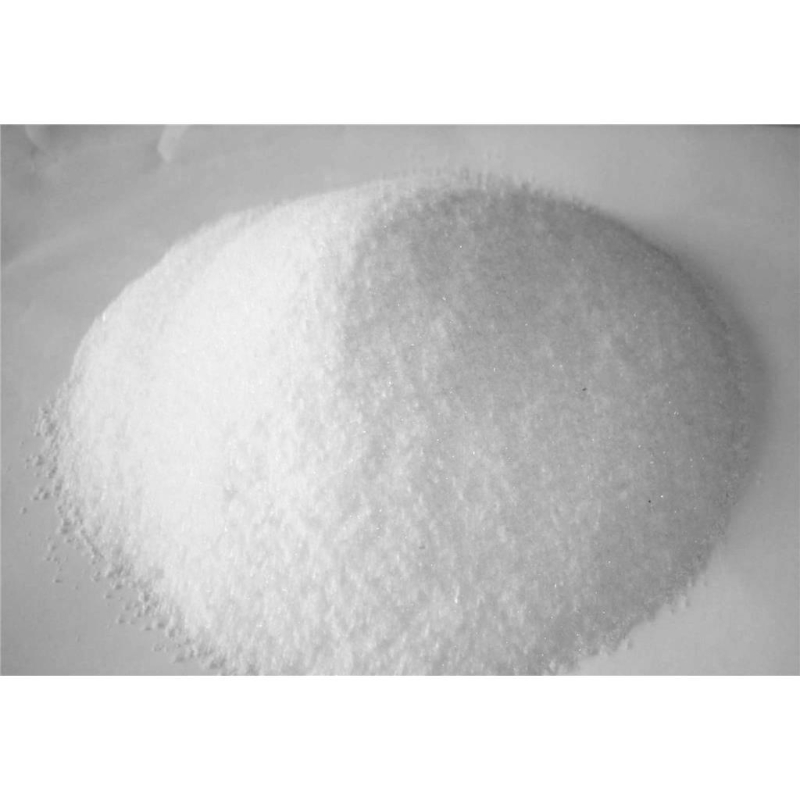
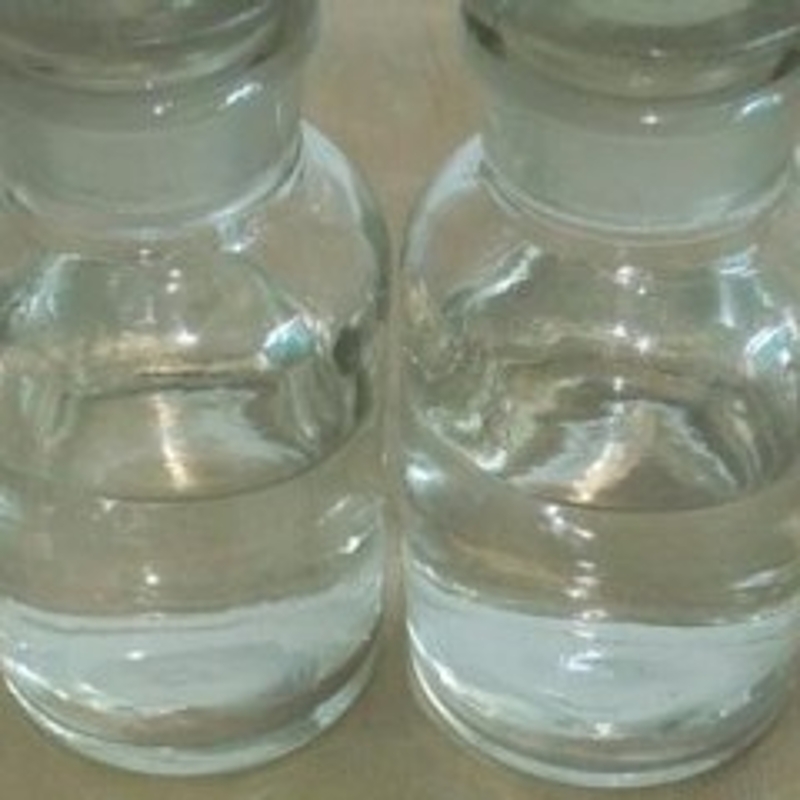
Appearance: White Crystalline powder
Formula: C6H12O6
Odor: Odorless
Vapour Pressure: Not applicable.
Vapour Density: Not applicable.
Boiling Point: Not applicable.
Melting Point: 100 - 110 deg C
Solubility in Water: 500g/L (20'C)
Specific Gravity: Not applicable.
Flash Point: Not applicable.
Ph: 5-6 (100g/L (20'C))
Lower Explosion Not applicable.
Limit
Upper Explosion Not applicable.
Limit
Ignition Temperature: Not applicable.
Specific Heat Value: Not applicable.
Particle Size: Not applicable.
Flame Propagation/ Not applicable
Burning:
Rate of Solid Materials
Properties of Not applicable
Materials That May
Initiate or Contribute
to Fire Intensity
Potential for Dust Product is combustible and potentailly a dust explosion hazard.
Explosion
Reactions that Not applicable.
Release Flammable
Gases
Fast of Intensely Not applicable.
Burning
Characteristics
Non-flammables: Not applicable.
That Could Contribute
Unusual Hazards to a Fire
Release of Invisible: Not applicable.
Flammable Vapours and Gases
Decomposition Temperature: 104'C
Additional Information Specific Rotation (20D): -89'- 93' Molecular weight : 180.16 Bulk Density : 700g/L (25'C) Solubility : Soluble in ether, acetone, and alcohol.
-------------------------------------------------------------------------------------------------------------------------10. STABILITY AND REACTIVITY
Chemical Stability
Product is stable under normal conditions of use, storage and temperature. Combustible Solid.
Conditions to Avoid
Avoid excessive heat, direct sunlight, static discharges, generating dust, moisture and high temperatures.
Incompatible Materials
Incompatible with oxidizing agents, strong acids, and sources of ignition.
Hazardous Decomposition Products
When involved in a fire, this product may generate irritating, poisonous, or corrosive fumes of carbon monoxide, and carbon dioxide.
Hazardous Reactions
Hazardous polymerization has not been reported.
-------------------------------------------------------------------------------------------------------------------------
11. TOXICOLOGICAL INFORMATION
Toxicity Data
No toxicological information available for this product.
Health Effects - Acute
Swallowed
Ingestion of large quantities may be harmful. May cause gastrointestinal irritation with nausea, vomiting, diarrhoea, and gastric pain.
Eye May cause eye irritation. May cause watering of eyes.
Skin May cause skin irritation.
Inhaled May be harmful if inhaled. Material may be irritating to mucous membranes and upper respiratory tract.
12. ECOLOGICAL INFORMATION
Ecotoxicity: No data available.
Persistence and COD - 1100mgO2/g BOD - 700mgO2/g
Degardability:
Mobility: Soluble in water.
Environmental Fate: Avoid contaminating waterways, drains and sewers.
(Exposure)
13. DISPOSAL CONSIDERATIONS
Disposal
Dispose of in accordance with all local, state and federal regulations. All empty packaging should be disposed of in accordance with Local, State, and Federal Regulations or recycled/reconditioned at an approved facility.
Special Precautions for Land Fill or Incineration
Contact a specialist disposal company or the local waste regulator for advice. Dissolve or mix the material with a combustible solvent and burn in a chemical incinerator equipped with an afterburner and scrubber.
-------------------------------------------------------------------------------------------------------------------------
14. TRANSPORT INFORMATION
Land Transport
UN Number: Not applicable.
Shipping Name: FRUCTOSE
Dangerous Goods Not applicable
Class
Subsidiary Risk: Not applicable.
Pack Group: Not applicable.
Precaution for User: No data available.
Hazchem Code N/A
Sea Transport
UN Number: Not applicable.
Shipping Name FRUCTOSE
Dangerous Goods: Not applicable.
Class
Subsidiary Risk: Not applicable.
Pack Group: Not applicable.
Precaution for User No data available.
Hazchem Code N/A
-------------------------------------------------------------------------------------------------------------------------15. REGULATORY INFORMATION
No data available
Poisons Schedule N/A
EPG N/A
AICS Name D-FRUCTOSE
NZ Toxic Substance: No data available.
Additional Classified as non-hazardous according to The Australian Safety and Compensation Information Council (ASCC) and Annex I European Directive 67/548/EEC. EINECS No: 200-333-3
Fructose
-------------------------------------------------------------------------------------------------------------------------16. OTHER INFORMATION
Literature References: No data available.
Sources for Data: No data available.
Legend to Abbreviations and Acronyms
< Less than
> Greater than
AICS Australian Inventory of Chemical Substances
CAS Chemical Abstracts Service (Registry Number)
cm2 square centimeters
CO2 Carbon Dioxide
COD Chemical Oxygen Demand
deg C ( 'C ) degrees Celsius
ERMA Environmental Risk Management Authority
g gram
g/cm3 grams per cubic centimeter
g/l grams per liter
HSNO Hazardous Substance and New Organism
IDLH Immediately Dangerous to Life and Health
Immiscible liquids are insoluble in each other
kg kilogram
kg/m3 kilograms per cubic meter
LC50 LC stands for lethal concentration. LC50 is the concentration of a material in air which causes the death of 50% (one half) of a group of test animals. The material is inhaled over a set period of time, usually 1 or 4 hours.
LD50 LD stands for Lethal Dose. LD50 is the amount of a material, given all at once, which causes the death of 50% (one half) of a group of test animals
Ltr Litre
m3 cubic metre
mbar millibar
mg milligram
mg/24H milligrams per 24 hours
mg/kg milligrams per kilogram
mg/m3 milligrams per cubic metre
Misc miscible
miscible liquids form one homogeneous liquid phase regardless of the amount of either component present
mm millimetre
mPa.s milli Pascal per second
N/A Not Applicable
NIOSH National Institute for Occupational Safety and Health
OECD Organization for Economic Co-operation and Development
PEL Permissible Exposure Limit
ppb parts per billion
ppm parts per million
ppm/2h parts per million per 2 hours
ppm/6h parts per millionper 6 hours
RCP Reciprocal Calculation Procedure
STEL Short Term Exposure Limit
TLV Threshold Limit Value
tne tonne
TWA Time Weighted Average
ug/24H micrograms per 24 hours
UN United Nations (number)
wt weight
m








 Indonesia
 Russia
 Romania
 India
India