Product
Supplier
Encyclopedia
Inquiry
Coconut Diethanolamine buy - large image1
Coconut Diethanolamine buy - image1

Coconut Diethanolamine

TDS 32 Inquiries

Unit Price: Get Latest Price
CAS No.:

68603-42-9

Grade:

Industrial Grade

Content:

99%

Port:

QINGDAO

Brand:

EAST CHEMSOURCES

Packaging:

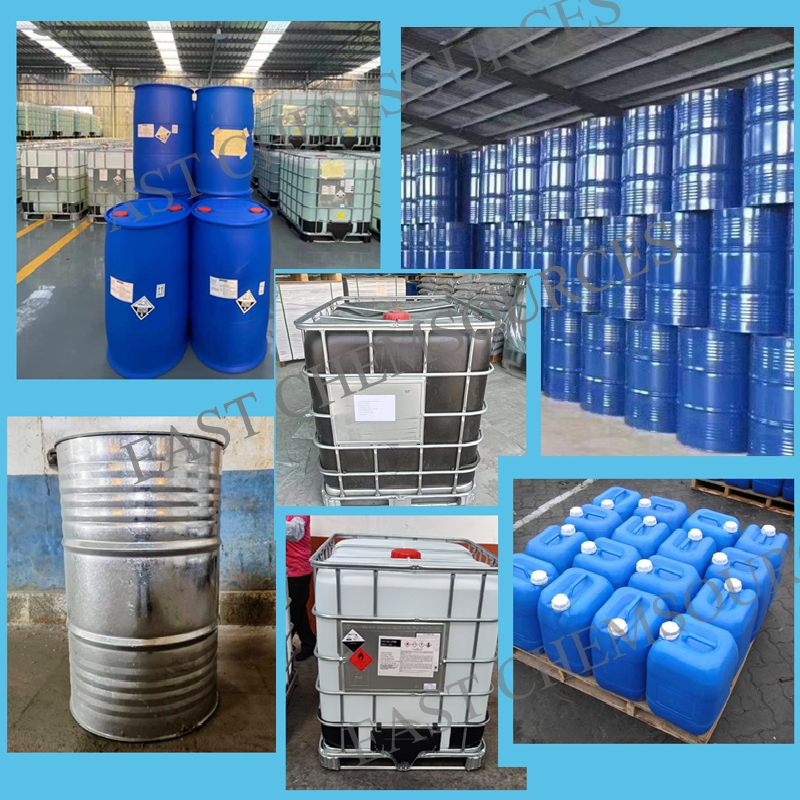
200KG DRUM

Price valid (until):

2024-03-04

Company Type:
Trader
Location:
China
Payment Terms:
TT against copy of documents,TT against B/L draft before shipment,100% TT in advance
Average Lead Time:
10 days
Qualification:
Main Products:

Food additives,Pharmaceutical raw materials,Chemicals,Comestic raw materials

  • Product Description

  • Seller Information

  • Inquiry History

  • Description

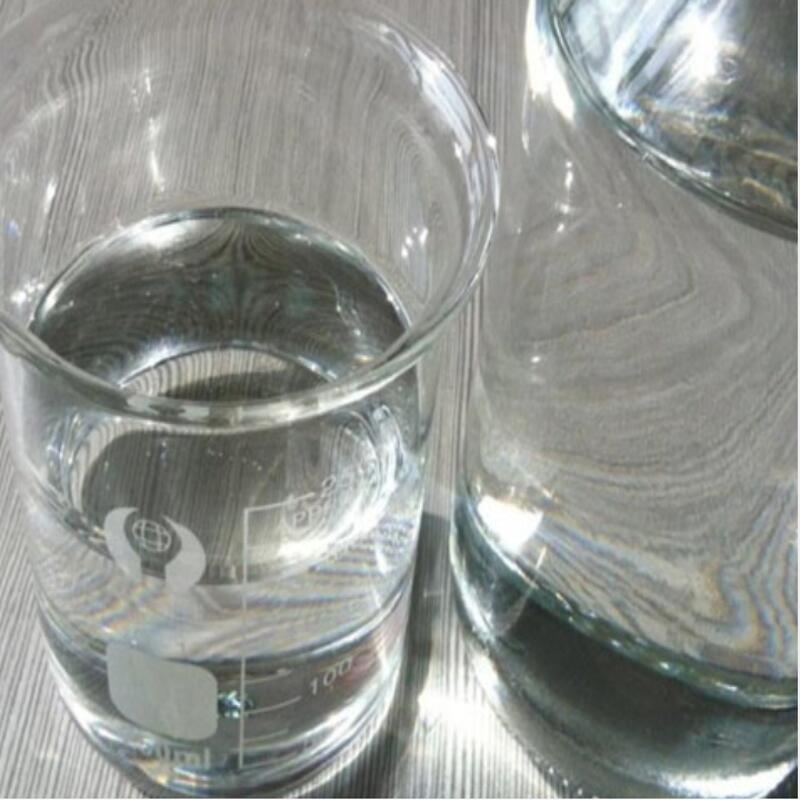
    Shop Coconut Diethanolamine-Detailed Image 1Shop Coconut Diethanolamine-Detailed Image 2Shop Coconut Diethanolamine-Detailed Image 3

    1. Identification of the substance/mixture and of the company/undertaking

    Product identifier

    Trade Name:

    Coconut Diethanolamide

    CAS Number:

    68603-42-9

    Use of the substance/preparation

    Ingredient in Personal and Home Care products

    Details of the supplier of the safety data sheet

    Manufacturer/Supplier:

    EAST CHEMSOURCES LIMITED

    NO.666 HAIBIN 12TH ROAD,QINGDAO,China

    Zip Code 266100

    Tel: +86/0532-81906761  Fax: +86/0532-81906761   

    Mail: JOSEN@EASTCHEM-CN.COM

    Emergency Telephone Number:      

    +86/0532-81906761

    2. Hazards Identification                                         

    Classification of the substance or mixture

    Physical hazards

    Not classified.

    Health hazards

    Acute toxicity - oral

    Category 4

    Skin Irritation

    Category 2

    Serious Eye Damage

    Category 2A;

    Environmental hazards

    Hazardous to the aquatic environment, acute hazard

    Category 2

    Hazardous to the aquatic environment, long-term hazard

    Category 3

    OSHA defined hazards

    Not classified.


    Label elements

    Hazard label for supply/use required.

      Shop Coconut Diethanolamine-Detailed Image 4  

    Signal word:

    Warning

    Hazard statements

    Causes skin irritation. Causes serious eye damage. Harmful to aquatic life with long lasting effects.

    Precautionary statements

    Obtain special instructions before use. Do not handle until all safety precautions have been read and understood. Do not breathe mist or vapor. Wash thoroughly after handling. Avoid release to the environment. Wear protective gloves/protective clothing/eye protection/face protection.

    Response

    If on skin: Wash with plenty of water. If in eyes: Rinse cautiously with water for several minutes.

    Remove contact lenses, if present and easy to do. Continue rinsing. If exposed or concerned: Get medical advice/attention. Specific treatment (see this label). If skin irritation occurs: Get medical advice/attention. If eye irritation persists: Get medical advice/attention. Take off contaminated clothing and wash before reuse.

    Storage

    Store locked up.

    Disposal

    Dispose of contents/container in accordance with local/regional/national/international regulations.

    Hazard(s) not otherwise classified (HNOC)

    None known.

    Supplemental information

    None.

    3. Composition/ Information on Ingredients                           

    Mixtures

    Name

    CAS-No. 

    Percent [%]

    Cocoamide DEA (Alternative CAS 68155-07-7)

    68603-42-9

    99%

    4. First Aid Measures                                            

    In case of inhalation

    Move to fresh air. Call a physician if symptoms develop or persist.

    After skin contact:

    Immediately flush with plenty of water. Remove contaminated clothing and wash clothing separately before reuse. If irritation persists get medical attention.

    After eye contact:

    Immediately flush eyes with running water for at least 15 minutes. Get medical attention.

    After Ingestion

    Rinse mouth. Get medical attention if symptoms occur.

    Most important symptoms/effects,

    acute and delayed

    Symptoms may include stinging, tearing, redness, swelling, and blurred vision. Skin irritation. May cause redness and pain. Prolonged exposure may cause chronic effects.

    Indication of immediate medical attention and special treatment needed

    Provide general supportive measures and treat symptomatically. Keep victim under observation. Symptoms may be delayed.

    General information

    IF exposed or concerned: Get medical advice/attention. Ensure that medical personnel are aware of the material(s) involved, and take precautions to protect themselves.

    5. Firefighting Measures                                          

    Suitable extinguishing media:

    Water fog. Foam. Dry chemical powder. CO2.

    Unsuitable extinguishing media

    Do not use water jet as an extinguisher, as this will spread the fire.

    Extinguishing media which must not be used for safety reasons:

    High power water jet.

    Special hazards arising from the substance or mixture

    In case of fire may be liberated: nitrogen dioxide and nitrogen monoxide, carbon monoxide and carbon monoxide and carbon dioxide.

    Advice for firefighters

    Self-contained breathing apparatus and full protective clothing must be worn in case of fire.

    Fire-fighting equipment/instructions

    Move containers from fire area if you can do so without risk.

    Specific methods General fire hazards

    Use standard firefighting procedures and consider the hazards of other involved materials. No unusual fire or explosion hazards noted.

    6. Accidental Release Measures                                    

    Personal precautions, protective equipment and emergency procedures

    Keep unnecessary personnel away. Keep people away from and upwind of spill/leak. Wear appropriate protective equipment and clothing during clean-up. Do not breathe mist or vapor. Do not touch damaged containers or spilled material unless wearing appropriate protective clothing.

    Ensure adequate ventilation. Local authorities should be advised if significant spillages cannot be contained.

    Environmental precaution


    Avoid release to the environment. Contact local authorities in case of spillage to drain/aquatic environment. Prevent further leakage or spillage if safe to do so. Do not contaminate water. Avoid discharge into drains, water courses or onto the ground.

    Methods for containment

    Prevent entry into waterways, sewers, basements or confined areas.

    Methods for cleaning up

    Wear appropriate protective equipment and clothing during clean-up. Eliminate ignition sources including sources including sources of electrical, static or frictional sparks.

    Small Spills: Use a non-combustible material like vermiculite, sand or earth to soak up the product and place into a container for later disposal.

    Large Spills: Dike far ahead of liquid spill for later disposal.

    Reference to other sections

    Refer additionally to chapter 8 and 13.

    7. Handling and Storage                                          

    Precautions for safe handling

    Obtain special instructions before use. Do not handle until all safety precautions have been read and understood. Do not breathe mist or vapor. Avoid contact with skin. Avoid contact with eyes. Avoid contact during pregnancy/while nursing. Avoid prolonged exposure. Avoid contact with clothing. Provide adequate ventilation. Wear appropriate personal protective equipment. Observe good industrial hygiene practices. When using, do not eat, drink or smoke. Wash hands thoroughly after handling. Avoid release to the environment. Do not empty into drains.

    Conditions for safe storage, including any incompatibilities

    Requirements for storeroom and containers:

    Protect from frost. In case the product becomes cloudy, thicker or frozen by cooling, defrost it at room temperature and stir it.

    Hints on joint storage: No information is available.

    8. Exposure Controls/ Personal Protection                           

    Engineering controls

    Use general ventilation. Local exhaust is suggested for use, where possible, in enclosed or confined spaces.

    General

    Eye wash fountain and emergency shower are recommended

    Eye/face protection

    Wear chemical goggles. Face-shield.

    Skin protection

    Wear suitable protective clothing. Use impervious gloves.

    Respiratory protection

    If ventilation is not sufficient to effective prevent buildup of aerosols or vapors, appropriate respiratory protection must be provided.

    9. Physical & Chemical Properties                                  

    Appearance

    Viscous liquid

    Odour

    Characteristic odour

    Molecular Formula

    C11H23CON(CH2CH2OH)2

    Molecular Weight

    287

    pH(25℃)

    10.5 @10% Alcohol Solution

    Freezing point

    8-12 ℃

    Relative density

    0.99g/ml (water=1)

    Boiling point

    >150℃

    Flash point

    >93℃

    Vapor density

    Not available

    Solubility

    Easily soluble in water

    Main application

    Used in shampoo, detergent, soap etc.

    10. Stability& Reactivity                                          

    Reactivity

    The product is stable and non-reactive under normal conditions of use, storage and transport.

    Chemical stability

    Material is stable under normal conditions.

    Incompatible materials

    Strong acids and oxidizing agents. Peroxides. Phenols.

    Conditions to avoid

    Avoid temperatures exceeding the flash point. Contact with incompatible materials.

    Possibility of Polymerization

    Will not occur

    Hazardous decomposition products

    No hazardous decomposition products are known.

    11. Toxicological Information                                      

    Information on likely routes of exposure

    Ingestion

    Expected to be a low ingestion hazard.

    Inhalation

    Prolonged inhalation may be harmful. May cause damage to organs by

    inhalation.

    Skin contact

    Causes skin irritation.

    Eye contact

    Causes serious eye irritation.

    Symptoms related to the physical, chemical and toxicological characteristics

    Symptoms may include stinging, tearing, redness, swelling, and blurred vision. Skin irritation. May cause redness and pain.

    Acute Oral

    Acute oral toxicity (LD50): >5000 mg/kg [Rat.]

    Sub-acute and

    Chronic Toxicity

    Not list as toxicity according to the test of rat.

    Irritation

    Moderately irritating to eyes, slight or no irritation to skin.

    Carcinogenicity

    Suspected of causing cancer.

    Teratogenicity

    Not available

    Mutagenicity

    Testing has shown this product to be non-mutagenic when make the rats expose in 100mg/ml products for 24h.

    12. Ecological Information                                        

    Eco-toxicity


    Harmful to aquatic, may cause long-term adverse effect in the aquatic environment.

    Algae toxicity:

    EC50 Desmodesmus subspicatus (green algae): <10 mg/L/72h.

    Daphnia toxicity:

    EC50 Daphnia magna (daphnia): <10 mg/L/48h (OECD 202).

    Fish toxicity:

    LC50 (fish): <10 mg/L/96h (OECD 203).

    Persistence

    and degradability

    This product is readily biodegradable.

    Bioaccumulative potential

    No data available.

    Mobility

    The product will dissolve in water.

    13. Disposal Considerations                                       

    Disposal instructions

    Collect and reclaim or dispose in sealed containers at licensed waste disposal site. This material and its container must be disposed of as hazardous waste. Do not allow this material to drain into sewers/water supplies. Do not contaminate ponds, waterways or ditches with chemical or used container. Dispose of contents/container in accordance with local/regional/national/international regulations.

    Hazardous waste code

    The waste code should be assigned in discussion between the user, the producer and the waste disposal company.

    Waste from residues / unused products

    Dispose of in accordance with local regulations. Empty containers or liners may retain some product residues. This material and its container must be disposed of in a safe manner (see: Disposal instructions).

    Contaminated packaging

    Empty containers should be taken to an approved waste handling site for recycling or disposal. Since emptied containers may retain product residue, follow label warnings even after container is emptied.

    14. Transport Information                                        

    According to ADN/ADR/RID/IMDG/IATA not classified as dangerous goods.

    This classification is in principle not valid for carriage by tank vessel on inland waterways. Please refer to the manufacturer for further information.

    UN number

    Not available

    UN proper shipping name

    ADR/RID, IMDG, IATA:        Not restricted

    Transport hazard class(es)

    Not available

    Packing group

    Not available

    Environment hazards

    Marine pollutant              No

    Special precautions for user

    See sections 6 to 8 of this Safety Data Sheet.

    Transport in bulk according to Annex II of MARPOL 73/78 and the IBC-Code

    No transport as bulk according IBC-Code

    15. Regulatory Information                                       

    Environmental Protection Law of The People's Republic of China


    Regulations on the Safety Administration of Dangerous Chemicals

    The State Council issued, Jan.26,2002

    Implementing Regulations on Safety Management of Hazardous Chemicals  

    NO.677, Department of Labor and Chemical Industry issued, 1992

    Workplace Provision on Safety Use of Chemicals

    NO.423, Department of Labor issued, 1996

    Classification and Labels of Dangerous Chemical Substances Commonly used

    GB 13690-2009

    Rule for Storage of Chemical Dangers

    GB15603-1995

    Packing Symbol of Dangerous Goods

    GB 190-2009

    General Specifications for Transport Packages of Dangerous Goods

    GB 12463-2009


    16. Other Information                                           

    Guidance Department 

    R&D department

    Created  

    06-30-2010

    Last Updated

    12-02-2015


    Items Specifications


    ECHEMI Editorial Reference
    viscous yellow to amber liquid
    Cocamide DEA is also named N,N-bis(2-hydroxyethyl) coco fatty acid diethanolamide, coconut fatty acid diethanolamide, cocoyl diethanolamide, and coconut oil acid diethanolamide. It is manufactured from coconut oil and is widely used in industry and at horne as a surface-active agent. It is contained in hand gels, handwashing soaps, shampoos and dish-washing liquids for its foam-producing and stabilizing properties, and in metalworking fluids and polishing agents as an anticorrosion inhibitor.
    CHARACTERISTICS: viscous yellow to amber liquid with an inherent characteristic odorFATTY ACIDS <= 0.5% (Free fatty acid)ESTERS 4.0 - 8.0%AMIDE 77.0 - 84.0 %APPEARANCE Yellowish liquidKARL FISCHER WATER <= 0.50%FREE AROMATIC AMINES <= 5.0 %pH 9.0 - 11.0
    A poison by ingestion. A moderate skin irritant. Questionable carcinogen with experimental Carcinogenic data reported. When heated to decomposition it emits acrid smoke and irritating vapors.

    Certificates

    Basic Info
    Product Name:

    Coconut diethanolamide

    Other Name:

    amides,coco,n,n-bis(2-hydroxyethyl);Amides,coco,N,N-bis(hydroxyethyl);clindrol200cgn;clindrol202cgn;clindrolsuperamide100cg;Coconutacid,diethanolamide;COCAMIDE DIETHANOLAMINE;N,N-Bis(hydroxyethyl)coco amides

    CAS No.:

    68603-42-9

    Molecular Formula:

    no

    Molecular Weight:

    0

    Exact Mass:

    526.835266

    EC Number:

    271-657-0

    TSCA:

    TSCA listed

    Categories:

    Non-ionic Surfactants

    Characteristics
    XLogP3:

    0.00000

    Density:

    0.98 g/cm3

    Boiling Point:

    168-274°C

    Refractive Index:

    1.4697-1.4816

    Water Solubility:

    5-10 g/100 mL at 18 ºC

    Odor:

    at 100.00%. mild ammonia

    Air and Water Reactions:

    Water soluble. Foams in water.

    Reactivity Profile:

    Coconut diethanolamide is a mixture of amines. Amines are chemical bases. They neutralize acids to form salts plus water. These acid-base reactions are exothermic. The amount of heat that is evolved per mole of amine in a neutralization is largely independent of the strength of the amine as a base. Amines may be incompatible with isocyanates, halogenated organics, peroxides, phenols (acidic), epoxides, anhydrides, and acid halides. Flammable gaseous hydrogen is generated by amines in combination with strong reducing agents, such as hydrides.

    Hazard Identification

    Classification of the substance or mixture

    Skin irritation, Category 2

    Eye irritation, Category 2

    GHS label elements, including precautionary statements

    Pictogram(s)

    Signal word

    Warning

    Hazard statement(s)

    H315 Causes skin irritation

    H319 Causes serious eye irritation

    Precautionary statement(s)
    Prevention

    P264 Wash ... thoroughly after handling.

    P280 Wear protective gloves/protective clothing/eye protection/face protection/hearing protection/...

    Response

    P302+P352 IF ON SKIN: Wash with plenty of water/...

    P321 Specific treatment (see ... on this label).

    P332+P317 If skin irritation occurs: Get medical help.

    P362+P364 Take off contaminated clothing and wash it before reuse.

    P305+P351+P338 IF IN EYES: Rinse cautiously with water for several minutes. Remove contact lenses, if present and easy to do. Continue rinsing.

    Storage

    none

    Disposal

    none

    Other hazards which do not result in classification

    no data available

    Handling and Storage

    Precautions for safe handling

    Handling in a well ventilated place. Wear suitable protective clothing. Avoid contact with skin and eyes. Avoid formation of dust and aerosols. Use non-sparking tools. Prevent fire caused by electrostatic discharge steam.

    Conditions for safe storage, including any incompatibilities

    Store the container tightly closed in a dry, cool and well-ventilated place. Store apart from foodstuff containers or incompatible materials.

  • Seller Information
    Business Type:

    Trader

    Main Products:

    Food additives,Pharmaceutical raw materials,Chemicals,Comestic raw materials

    Location:

    Room 501, Unit 6, No. 40, hushan road,Licang,Qingdao

    Payment Terms:

    TT against copy of documents,TT against B/L draft before shipment,100% TT in advance

    Average lead Time:

    10 days

    Total Annual Revenue:

    $1 million-$2.5 million

    Total Employees:

    11-50

    Year of Establishment:

    2017

    QINGDAO EASTCHEMSORCES TRADE LIMITED is a leading Manufactory supplier of Sorbitol, Citric acid, Sodium hypochlorite based in Qingdao, Shandong, China. With a commitment to quality and customer satisfaction, QINGDAO EASTCHEMSORCES TRADE LIMITED has become a trusted name in the industry. Our product line includes a range of high-quality Sorbitol, Citric acid, Sodium hypochlorite, which are available at competitive prices. QINGDAO EASTCHEMSORCES TRADE LIMITED has established itself as a reliable supplier of chemical products on the echemi.com.

  • Inquiry History
    32 Inquiries
    Country Product Purchase Quantity Date Posted
    Russia

    Coconut Diethanolamide

    3 TON Oct 21, 2024
    Egypt

    Cocamide Diethanolamine

    20.00 20' Fcl Mar 20, 2026
    India

    Coco Diethanolamide

    50.00 KG Aug 14, 2025
    Kampuchea (Cambodia )

    CDE 85%

    1000.00 KG Mar 28, 2025
    Australia

    coconut diethanolamine

    1.00 MT Nov 5, 2024
    South Africa

    coconut diethanolamine

    1.00 TON Oct 18, 2024
    South Africa

    Coconut Diethanolamine

    6.00 MT Sep 25, 2024
    Germany

    cdea detergent raw material

    120 TON Jul 31, 2024
    India

    CDE (COCODEA)

    1 20' Fcl Apr 13, 2024
    Egypt

    coconut diethanolamide

    2 20' Fcl Feb 27, 2024
    Canada

    Amides, coco, N,N-bis(hydroxyethyl)

    500 KG Dec 9, 2023
    Egypt

    Coco Di Ethanol Amide

    2 20' Fcl Apr 23, 2024
    Egypt

    Cocodiethanolamide 85%

    1.00 KG Dec 24, 2025
    United Arab Emirates

    Cocamide Diethanolamine 85%

    1.00 20' Fcl Sep 5, 2025
    Russia

    Lauramide DEA Super 6501

    1 KG Aug 13, 2025
    India

    COCAMIDE DEA

    5.00 TON Jul 8, 2024
    United States

    Cocamide Dea

    1 KG Oct 12, 2026
    India

    Inquiry for CDEA (Cocamide DEA / Coco Diethanolamide)

    1 20' Fcl Aug 24, 2026
    Armenia

    Coconut Diethanolamide

    1 20' Fcl Jul 24, 2026
    Austria

    Cocamide Diethanolamine

    10 20' Fcl Feb 6, 2026
    • 1
    • 2
    • Go to Page Go
    Post an enquiry for this product
pic ×

Scan the QR Code to Share

All products displayed on this website are only for non-medical purposes such as industrial applications or scientific research, and cannot be used for clinical diagnosis or treatment of humans or animals. They are not medicinal or edible.

According to relevant laws and regulations and the regulations of this website, units or individuals who purchase hazardous materials should obtain valid qualifications and qualification conditions.

The information shown above is provided by the enterprise itself, and the authenticity, accuracy and legitimacy of the content are the responsibility of the publishing company. ECHEMI does not bear any guarantee responsibility for this. Please be aware that risks in internet transactions objectively exist.

Feedback & Suggestions
Send Message

Thank you for your feedback. If you require further assistance, please contact us by email at info@echemi.com or call us at +86-532-55729510.