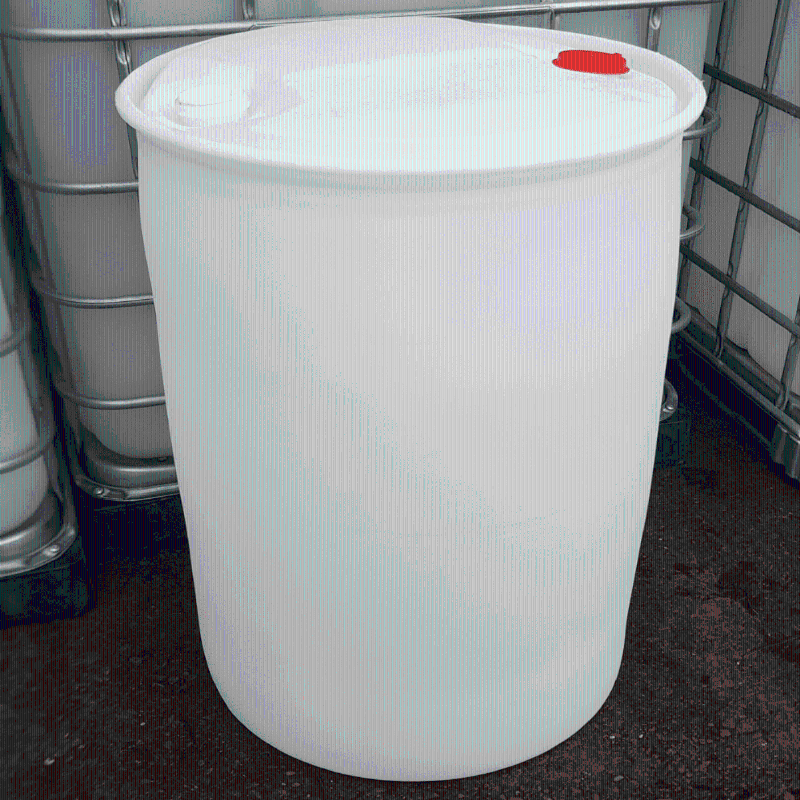
![Shop CAS 10043-35-3/11113-50-1 Orthoboric acid-Detailed Image 1]() SAFETY DATA SHEETS
According to the UN GHS revision 9
Version: 1.0
Creation Date: July 15, 2019
Revision Date: July 15, 2019
SECTION 1: Identification
1.1GHS Product identifier
1.2Other means of identification
| Product number |
- |
| Other names |
Borsaure;Borsure;sassoline BH3O3,sassolite |
1.3Recommended use of the chemical and restrictions on use
| Identified uses |
Industrial and scientific research use. |
| Uses advised against |
no data available |
SECTION 2: Hazard Identification
2.1Classification of the substance or mixture
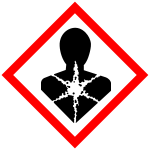
Reproductive toxicity, Category 1B
2.2GHS label elements, including precautionary statements
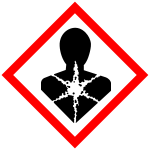
| Pictogram(s) |
![Shop CAS 10043-35-3/11113-50-1 Orthoboric acid-Detailed Image 2]() |
| Signal word |
Danger |
| Hazard statement(s) |
none |
| Precautionary statement(s) |
| Prevention |
P203 Obtain, read and follow all safety instructions before use. P280 Wear protective gloves/protective clothing/eye protection/face protection/hearing protection/... |
| Response |
P318 IF exposed or concerned, get medical advice. |
| Storage |
P405 Store locked up. |
| Disposal |
P501 Dispose of contents/container to an appropriate treatment and disposal facility in accordance with applicable laws and regulations, and product characteristics at time of disposal. |
2.3Other hazards which do not result in classification
SECTION 3: Composition/information on ingredients
3.1Substances
| Chemical name |
Common names and synonyms |
CAS number |
EC number |
Concentration |
| Boric acid |
Boric acid |
10043-35-3 |
233-139-2 |
100% |
SECTION 4: First-aid measures
4.1Description of necessary first-aid measures
If inhaled
Following skin contact
Rinse and then wash skin with water and soap.
Following eye contact
Rinse with plenty of water (remove contact lenses if easily possible).
Following ingestion
Rinse mouth. Do NOT induce vomiting. Refer immediately for medical attention.
4.2Most important symptoms/effects, acute and delayed
Although no adverse effects have been reported from inhaling boric acid dust, it is absorbed through mucous membranes. Ingestion of 5 grams or more may irritate gastrointestinal tract and affect central nervous system. Contact with dust or aqueous solutions may irritate eyes; no chronic effects have been recognized, but continued contact should be avoided. Dust and solutions are absorbed through burns and open wounds but not through unbroken skin. (USCG, 1999)
4.3Indication of immediate medical attention and special treatment needed, if necessary
The diagnoses of boric acid poisoning can be confirmed with the measurement of blood or serum boric acid levels (nL=1.4 nmol/mL), but this test is not routinely available. Treatment of boric acid toxicity is mainly supportive. Activated charcoal is not recommended because of its relatively poor adsorptive capacity for boric acid. In cases of massive oral overdose or renal failure, hemodialysis, or perhaps exchange transfusion in infants, may be helpful in shortening the half-life of boric acid.
SECTION 5: Fire-fighting measures
5.1Suitable extinguishing media
Fire Extinguishing Agents: Water fog. (USCG, 1999)
5.2Specific hazards arising from the chemical
Literature sources indicate that this compound is nonflammable. (NTP, 1992)
5.3Special protective actions for fire-fighters
In case of fire in the surroundings, use appropriate extinguishing media.
SECTION 6: Accidental release measures
6.1Personal precautions, protective equipment and emergency procedures
Personal protection: particulate filter respirator adapted to the airborne concentration of the substance. Sweep spilled substance into covered containers. If appropriate, moisten first to prevent dusting. Wash away remainder with plenty of water.
6.2Environmental precautions
Personal protection: particulate filter respirator adapted to the airborne concentration of the substance. Sweep spilled substance into covered containers. If appropriate, moisten first to prevent dusting. Wash away remainder with plenty of water.
6.3Methods and materials for containment and cleaning up
Collect and arrange disposal. Keep the chemical in suitable and closed containers for disposal. Remove all sources of ignition. Use spark-proof tools and explosion-proof equipment. Adhered or collected material should be promptly disposed of, in accordance with appropriate laws and regulations.
SECTION 7: Handling and storage
7.1Precautions for safe handling
Handling in a well ventilated place. Wear suitable protective clothing. Avoid contact with skin and eyes. Avoid formation of dust and aerosols. Use non-sparking tools. Prevent fire caused by electrostatic discharge steam.
7.2Conditions for safe storage, including any incompatibilities
Separated from strong bases.Preserve in well-closed containers.
SECTION 8: Exposure controls/personal protection
8.1Control parameters
Occupational Exposure limit values
TLV: (inhalable fraction): 2 mg/m3, as TWA; 6 mg/m3 as STEL; A4 (not classifiable as a human carcinogen).MAK: (inhalable fraction): 10 mg/m3; peak limitation category: I(1); pregnancy risk group: B
Biological limit values
8.2Appropriate engineering controls
Ensure adequate ventilation. Handle in accordance with good industrial hygiene and safety practice. Set up emergency exits and the risk-elimination area.
8.3Individual protection measures, such as personal protective equipment (PPE)
Eye/face protection
Wear safety spectacles or eye protection in combination with breathing protection.
Skin protection
Protective gloves. Protective clothing.
Respiratory protection
Use local exhaust or breathing protection.
Thermal hazards
SECTION 9: Physical and chemical properties and safety characteristics
| Physical state |
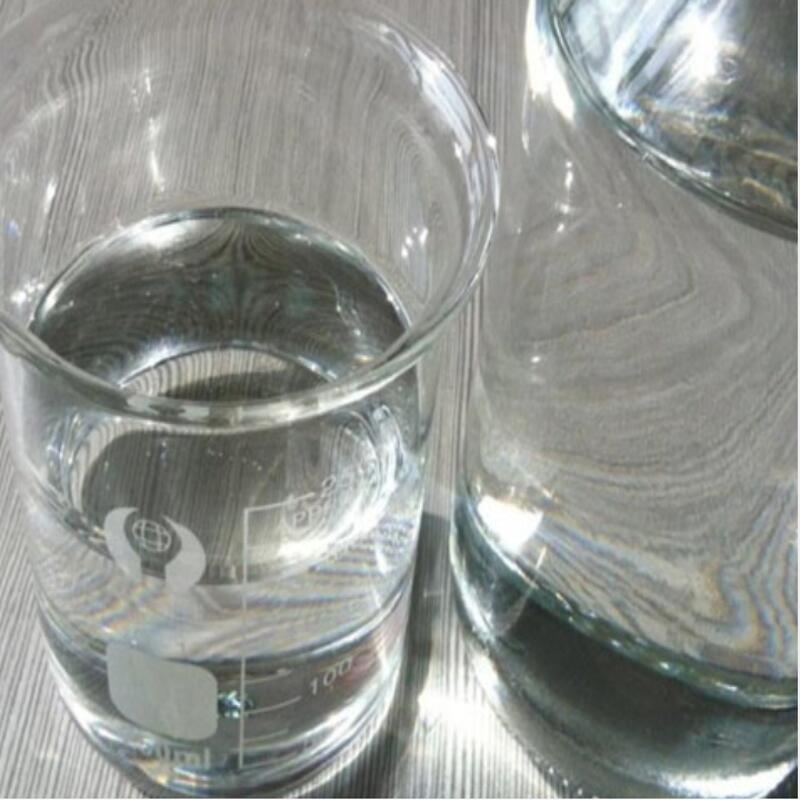
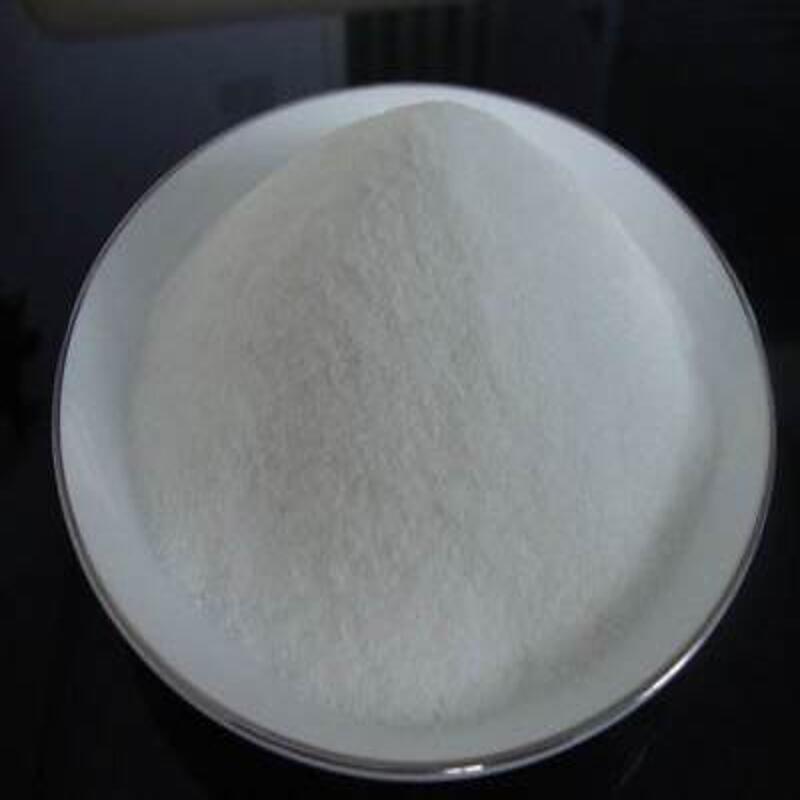
Solid. Crystalline. |
| Colour |
White. |
| Odour |
Odorless |
| Melting point/freezing point |
> 1 000 °C. |
| Boiling point or initial boiling point and boiling range |
300°C |
| Flammability |
Not combustible. Gives off irritating or toxic fumes (or gases) in a fire. |
| Lower and upper explosion limit/flammability limit |
no data available |
| Flash point |
no data available |
| Auto-ignition temperature |
Remarks:It has been determined that the test substance was not classified as a pyrophoric solid of class 4.2. |
| Decomposition temperature |
171°C |
| pH |
3,8-4,8 (3,3 % aqueous solution) |
| Kinematic viscosity |
no data available |
| Solubility |
Miscible with water |
| Partition coefficient n-octanol/water |
log Pow = -1.09. Temperature:22 °C. |
| Vapour pressure |
0 Pa. Temperature:25 °C. |
| Density and/or relative density |
1 489 kg/m³. Temperature:23 °C.;1.49. Temperature:23 °C. |
| Relative vapour density |
no data available |
| Particle characteristics |
no data available |
SECTION 10: Stability and reactivity
10.1Reactivity
Decomposes above 100°C . This produces water and irritant boric anhydride. The solution in water is a weak acid. Attacks metals. This produces hydrogen. This generates fire and explosion hazard.
10.2Chemical stability
10.3Possibility of hazardous reactions
Not flammableBORIC ACID is a very weak acid. Incompatible with alkali carbonates and hydroxides. During an attempt to make triacetyl borate, a mixture of boric acid and acetic anhydride exploded when heated to 58-60°C [Chem. Eng. News 51:(34) 1973]. Reacts violently with the strong reducing agent potassium metal.
10.4Conditions to avoid
10.5Incompatible materials
During an attempt to make triacetyl borate, a mixture of boric acid and acetic anhydride exploded when heated to 58-60 deg C.
10.6Hazardous decomposition products
Boric acid decomposes in heat above 100 deg C forming boric anhydride and water.
SECTION 11: Toxicological information
Acute toxicity
- Oral: LD50 - rat (male) - 3 450 mg/kg bw. Remarks:Mg boric acid/kg.
- Inhalation: LC50 - rat (male/female) - > 2.03 mg/L air.
- Dermal: LD50 - rabbit (male/female) - > 2 000 mg/kg bw.
Skin corrosion/irritation
Serious eye damage/irritation
Respiratory or skin sensitization
Germ cell mutagenicity
Carcinogenicity
Cancer Classification: Group E Evidence of Non-carcinogenicity for Humans
Reproductive toxicity
STOT-single exposure
The substance is irritating to the respiratory tract. May cause mechanical irritation to the eyes. The substance may cause effects on the central nervous system and kidneys. This may result in impaired functions.
STOT-repeated exposure
Repeated or prolonged contact with skin may cause dermatitis. The substance may have effects on the testes. Animal tests show that this substance possibly causes toxicity to human reproduction or development.
Aspiration hazard
Evaporation at 20°C is negligible; a harmful concentration of airborne particles can, however, be reached quickly , especially if powdered.
SECTION 12: Ecological information
12.1Toxicity
- Toxicity to fish: LC50 - Pimephales promelas - 79.7 mg/L - 96 h.
- Toxicity to daphnia and other aquatic invertebrates: LC50 - other aquatic mollusc: Lampsilis siliquoidea (Fatmucket mussel) - 137 mg/L - 96 h. Remarks:(Microscopic inspection for movement of foot or cilia).
- Toxicity to algae: EC10 - Pseudokirchneriella subcapitata (previous names: Raphidocelis subcapitata, Selenastrum capricornutum) - 24.5 mg/L - 3 d.
- Toxicity to microorganisms: EC50 - activated sludge of a predominantly domestic sewage - > 10 000 mg/L - 3 h. Remarks:Respiration rate.
12.2Persistence and degradability
No biotransformation processes have been reported for boron compounds(1). Boric acid has been shown to be a mild antiseptic agent with bacteriostatic action(2). A concentration beyond 10 mg/L produces toxicity to activated sludge cultures(3).
12.3Bioaccumulative potential
Highly water soluble materials are unlikely to bioaccumulate to any significant degree, and borate species are all present essentially as undissociated boric acid at neutral pH(1). The octanol/water partition coefficient for boric acid has been measured as 0.175(1), indicating low bioaccumulation potential(1). Boron did not bioaccumulate in 47-day and 21-day exposure tests using oysters and sockeye salmon respectively(1).
12.4Mobility in soil
Boric acid adsorption to illite (three-layered clay consisting of two outer layers of hydrated SiO2 and a central layer of hydrated Al2O3) and kaolinite (alternate layers of SiO2 and Al2O3) clays, as well as activated sludge was studied. The compound was added to 100 mL flasks corresponding to a boron concentration range of zero to 256 mg/L. It was observed that kaollinite adsorbed about 40 times (Kd = 0.199 (Freundlich adsorption coefficient)) more boric acid than illinite (Kd = 0.005) at pH 7; five times as much boric acid adsorbed to activated sludge (Kd = 0.025) as to illinite at pH 7(1). Boron adsorption is influenced by the distribution of boron species (H3BO3; B(OH)4(-)) as well as pH, the type and/or composition of the solution matrix, and surface properties(2). The pKa of boric acid is 9.24(3), indicating that this compound will exist primarily in the undissociated form in the environment, but partially in the anion form in alkaline soils(SRC). However, boric acid is a Lewis acid and therefore behaves as an electron acceptor, rather than a proton donor(3).
12.5Other adverse effects
SECTION 13: Disposal considerations
13.1Disposal methods
Product
The material can be disposed of by removal to a licensed chemical destruction plant or by controlled incineration with flue gas scrubbing. Do not contaminate water, foodstuffs, feed or seed by storage or disposal. Do not discharge to sewer systems.
Contaminated packaging
Containers can be triply rinsed (or equivalent) and offered for recycling or reconditioning. Alternatively, the packaging can be punctured to make it unusable for other purposes and then be disposed of in a sanitary landfill. Controlled incineration with flue gas scrubbing is possible for combustible packaging materials.
SECTION 14: Transport information
14.1UN Number
| ADR/RID: Not dangerous goods. (For reference only, please check.) |
IMDG: Not dangerous goods. (For reference only, please check.) |
IATA: Not dangerous goods. (For reference only, please check.) |
14.2UN Proper Shipping Name
| ADR/RID: Not dangerous goods. (For reference only, please check.) |
IMDG: Not dangerous goods. (For reference only, please check.) |
IATA: Not dangerous goods. (For reference only, please check.) |
14.3Transport hazard class(es)
| ADR/RID: Not dangerous goods. (For reference only, please check.) |
IMDG: Not dangerous goods. (For reference only, please check.) |
IATA: Not dangerous goods. (For reference only, please check.) |
14.4Packing group, if applicable
| ADR/RID: Not dangerous goods. (For reference only, please check.) |
IMDG: Not dangerous goods. (For reference only, please check.) |
IATA: Not dangerous goods. (For reference only, please check.) |
14.5Environmental hazards
| ADR/RID: No |
IMDG: No |
IATA: No |
14.6Special precautions for user
14.7Transport in bulk according to IMO instruments
SECTION 15: Regulatory information
15.1Safety, health and environmental regulations specific for the product in question
| Chemical name |
Common names and synonyms |
CAS number |
EC number |
| Boric acid |
Boric acid |
10043-35-3 |
233-139-2 |
| European Inventory of Existing Commercial Chemical Substances (EINECS) |
Listed. |
| EC Inventory |
Listed. |
| United States Toxic Substances Control Act (TSCA) Inventory |
Listed. |
| China Catalog of Hazardous chemicals 2015 |
Listed. |
| New Zealand Inventory of Chemicals (NZIoC) |
Listed. |
| Philippines Inventory of Chemicals and Chemical Substances (PICCS) |
Listed. |
| Vietnam National Chemical Inventory |
Listed. |
| Chinese Chemical Inventory of Existing Chemical Substances (China IECSC) |
Listed. |
| Korea Existing Chemicals List (KECL) |
Listed. |
SECTION 16: Other information
Information on revision
| Creation Date |
July 15, 2019 |
| Revision Date |
July 15, 2019 |
Abbreviations and acronyms
- CAS: Chemical Abstracts Service
- ADR: European Agreement concerning the International Carriage of Dangerous Goods by Road
- RID: Regulation concerning the International Carriage of Dangerous Goods by Rail
- IMDG: International Maritime Dangerous Goods
- IATA: International Air Transportation Association
- TWA: Time Weighted Average
- STEL: Short term exposure limit
- LC50: Lethal Concentration 50%
- LD50: Lethal Dose 50%
- EC50: Effective Concentration 50%
![Shop CAS 10043-35-3/11113-50-1 Orthoboric acid-Detailed Image 3]()
| Items |
Specifications |
|
H3BO3
|
99.6~100.8%
|
|
B2O3
|
≥56.1%
|
|
SO4
|
≤0.01%
|
|
Cl
|
≤0.01%
|
|
Fe
|
≤0.001%
|
|
Water Insoluble
|
≤0.01%
|
![Shop CAS 10043-35-3/11113-50-1 Orthoboric acid-Detailed Image 4]()
![Shop CAS 10043-35-3/11113-50-1 Orthoboric acid-Detailed Image 5]()
![Shop CAS 10043-35-3/11113-50-1 Orthoboric acid-Detailed Image 6]()
![Shop CAS 10043-35-3/11113-50-1 Orthoboric acid-Detailed Image 7]()
ECHEMI Editorial Reference
Odorless white solid.







 Bangladesh
 South Korea
 Pakistan
 Indonesia
 South Africa
 Paraguay
 Canada
 Vietnam
 Australia
 Portugal
 SAFETY DATA SHEETS