1. | CHEMICAL PRODUCT AND COMPANY IDENTIFICATION |
Product name | 1-ETHYL-2-PYRROLIDINONE |
Chemical Name | 1-ethyl-2-pyrrolidinone |
Synonyms | 1-Ethyl-2-pyrrolidinone, 1-Ethylpyrrolidin-2-one, C6-H11-N-O, N-ethylpyrrolidinone, N-ethylpyrrolidone |
Chemical formula | C6H11NO |
Other means of identification | Not Available |
CAS number | 2687-91-4 |
Manufacturer: EAST CHEMSOURCES LIMITED
Post code: 266100
Tel: 86-532-81906761
Fax: 86-532-81906761
Linkman: JOSEN YUE
2. | COMPOSITION/INFORMATION ON INGREDIENTS |
CAS No | %[weight] | Name |
2687-91-4 | >=99.5 | 1-ethyl-2-pyrrolidinone |
3. | HAZARDS IDENTIFICATION |
Hazards type:Non-hazards
Human health hazards:
The steam pressure of the product is low,so there is no inhalation hazards.
Combustion hazards: combustible, non irritating
Eye Contact:
Check for and remove any contact lenses. Immediately flush eyes with running water for at least 15 minutes,
keeping eyelids
open. Cold water maybe used. Get medical attention.
Skin Contact:
In case of contact, immediately flush skin with plenty of water. Cover the irritated skin with an emollient.
Remove contaminated
clothing and shoes. Cold water maybe used.Wash clothing before reuse. Thoroughly clean shoes before
reuse. Get medical
attention.
Serious Skin Contact:
Wash with a disinfectant soap and cover the contaminated skin with an anti-bacterial cream. Seek
immediate medical
attention.
Inhalation:
If inhaled, remove to fresh air. If not breathing, give artificial respiration. If breathing is difficult, give
oxygen. Get medical
attention if symptoms appear.
Serious Inhalation:
Evacuate the victim to a safe area as soon as possible. Loosen tight clothing such as a collar, tie, belt or
waistband. If
breathing is difficult, administer oxygen. If the victim is not breathing, perform mouth-to-mouth
resuscitation. Seek medical
attention.
Ingestion:
Do NOT induce vomiting unless directed to do so by medical personnel. Never give anything by mouth to
an unconscious
person. If large quantities of this material are swallowed, call a physician immediately. Loosen tight
clothing such as a collar,
tie,belt or waistband.
Serious Ingestion: Not available.
5. | FIRE FIGHTING MEASURES |
FLASH POINT : >150°C
EXTINGUISHING MEDIA
Foam Carbon dioxide Dry powder Other extinguishing agent suitable for Class B fires For large fires, use
water spray or fog, thoroughly drenching the burning material. Water mist maybe used to cool closed
containers.
UNSUITABLE EXTINGUISHING MEDIA
Do not use water unless flooding amounts are available.
FIRE AND EXPLOSION HAZARD
Low Fire Hazard; liquids may burn upon heating to temperatures at or above the flashpoint. Empty
product containers may contain product residue. Do not pressurize, cut, heat, weld, or expose containers to
flame or other sources of ignition. May evolve oxides of carbon (COx) under fire conditions.
SPECIAL PROTECTIVE EQUIPMENT FOR FIRE FIGHTING
In case of fire, wear a full face positive-pressure self contained breathing apparatus and protective suit.
6. | ACCIDENTAL RELEASE MEASURES |
Small Spill:
Dilute with water and mop up, or absorb with an inert dry material and place in an appropriate waste disposal container.
Large Spill:
Flammable liquid. Keep away from heat. Keep away from sources of ignition. Stop leak if without risk. Absorb with DRY earth,
sand or other non-combustible material. Do not touch spilled material. Prevent entry into sewers, basements or confined
areas; dike if needed. Be careful that the product is not present at a concentration level above TLV. Check TLV on the MSDS
and with local authorities.
HANDLING
Do not get in eyes, on skin, on clothing. Do not take internally. Use with adequate ventilation. Do not
breathe vapors/gases/dust. Keep the containers closed when not in use. Have emergency equipment (for fires,
spills, leaks, etc.) readily available. Ensure all containers are labelled.
STORAGE CONDITIONS
Store in suitable labelled containers. Store the containers tightly closed. Store separately from oxidizers.
Store away from heat and sources of ignition. Protect product from freezing.
8. | EXPOSURE CONTROLS/PERSONAL PROTECTION |
OCCUPATIONAL EXPOSURE LIMITS
This product does not contain any substance that has an established exposure limit.
ENGINEERING MEASURES
General ventilation is recommended.
PERSONAL PROTECTION
GENERAL ADVICE
The use and choice of personal protection equipment is related to the hazard of the product, the workplace and the way the product is handled. In general, werecommend as a minimum precaution that safety glasses with
side-shields and workclothes protecting arms, legs and body be used. In addition any person visiting an area
where this product is handled should at least wear safety glasses with side-shields.
RESPIRATORY PROTECTION
At ambient temperature none needed for vapour. If product is heated or if aerosol generation is likely, the use of a half face filter mask is recommended. An organic vapor cartridge with dust/mist prefilter maybe used. If respiratory protection is required, institute a complete respiratory protection program including selection, fit
testing, training, maintenance and inspection.
HAND PROTECTION
Nitrile gloves, Butyl gloves, Neoprene gloves, PVC gloves
SKIN PROTECTION
See general advice.
EYE PROTECTION
Wear chemical splash goggles.
HYGIENE RECOMMENDATIONS
Use good work and personal hygiene practices to avoid exposure. Consider the provision in the work area of a safety shower and eyewash. Always wash thoroughly after handling chemicals. When handling this product
never eat, drink or smoke.
9. | PHYSICAL AND CHEMICAL PROPERTIES |
Appearance: liquid
PH : 5.0~7.0
Freezing point: N.D
Boiling point: >170 ℃
Flashpoint: >150 ℃
Solubility:Soluble in water, Soluble in alcohol and Other solvent.
VOC CONTENT: 0 %
Note: These physical properties are typical values for this product and are subject to change.
10. | STABILITY AND REACTIVITY |
STABILITY
Stable under normal conditions.
HAZARDOUS POLYMERIZATION
Hazardous polymerization will not occur.
CONDITIONS TO AVOID
Avoid extremes of temperature.
MATERIALS TO AVOID
Contact with strong oxidizers (e.g. chlorine, peroxides, chromates, nitric acid, perchlorate, concentrated
oxygen, permanganate) may generate heat, fires, explosions and/or toxic vapors.
HAZARDOUS DECOMPOSITION PRODUCTS
Under fire conditions:Oxides of carbon
11. | TOXICOLOGICAL INFORMATION |
Aquatic organism: slightly
Irritant: slightly
Sensitization: slightly
Mutagenicity: no
Teratogenicity: no
CARCINOGENICITY :
None of the substances in this product are listed as carcinogens by the International Agency for Research on
Cancer (IARC), the National Toxicology Program (NTP) or the American Conference of Governmental
Industrial Hygienists (ACGIH).
HUMAN HAZARD CHARACTERIZATION :
Based on our hazard characterization, the potenairtial human hazard is: Low
12. | ECOLOGICAL INFORMATION |
PERSISTENCY AND DEGRADATION
Biological Oxygen Demand (BOD): NO
ENVIRONMENTAL HAZARD CHARACTERIZATION
Based on our hazard characterization, the potential environmental hazard is: NO
13. | DISPOSAL CONSIDERATIONS |
Dispose of wastes in an approved incinerator or waste treatment/disposal site, in accordance with all
applicable regulations. Do not dispose of wastes in local sewer or with normal garbage.
Empty drums should betaken for recycling, recovery, or disposal through a suitably qualified or licensed
contractor.
Comply with local regulations.
14. | TRANSPORT INFORMATION |
Classification: This product is not classified as hazardous
package demand:no special demand
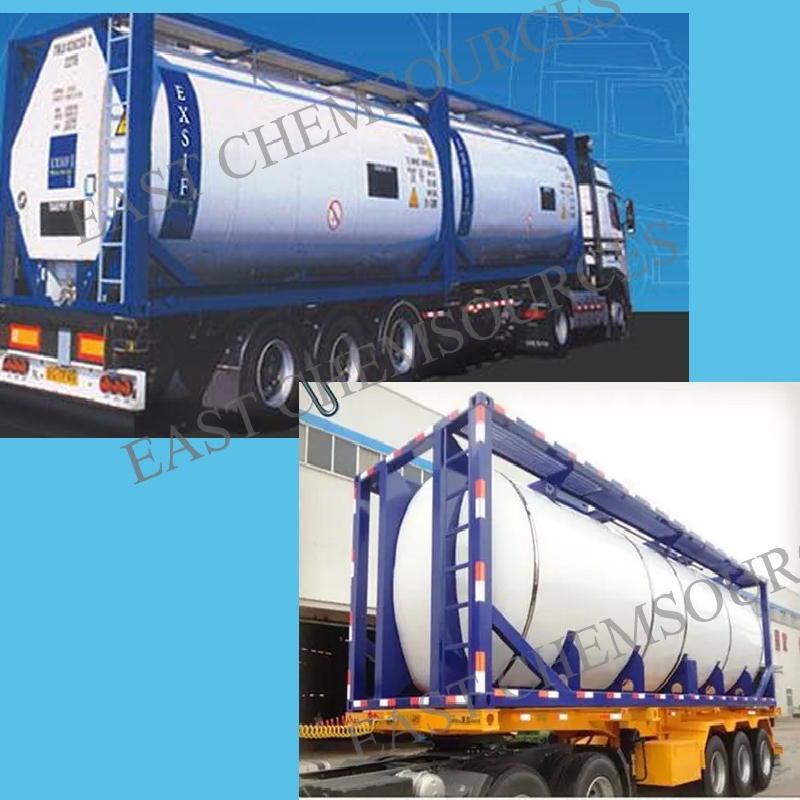
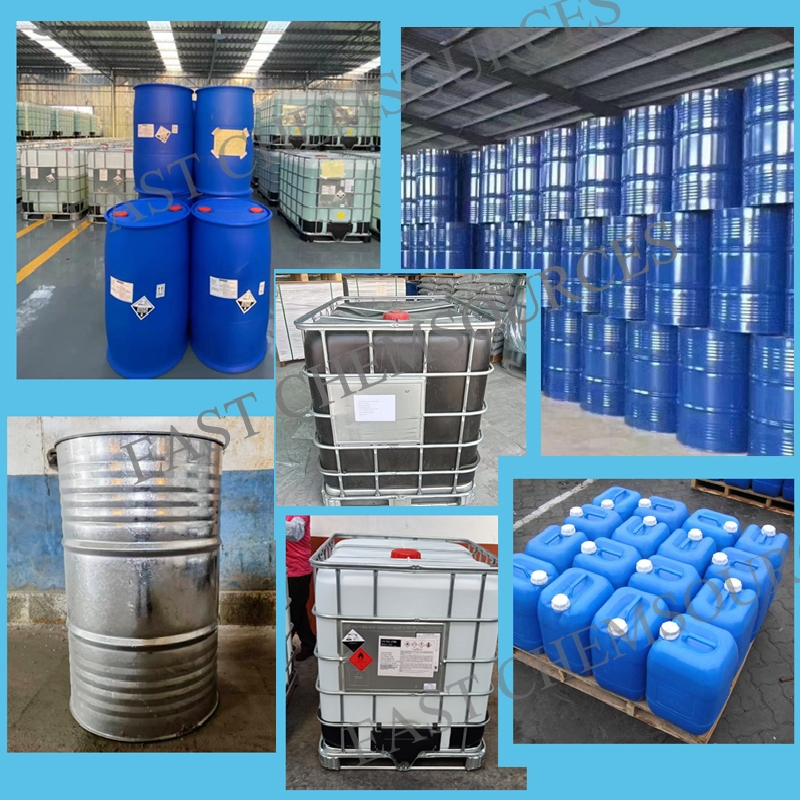
package: 200Kg / plastic drum or 1000kg/ IBCdrum (Net weight).
The information in this section is for reference only and should not take the place of a shipping paper (bill
of lading) specific to an order. Please note that the proper Shipping Name / Hazard Class may vary by
packaging, properties, and mode of transportation.
15. | REGULATORY INFORMATION |
Security laws and rules: applicable
Law of environmental protection: applicable
This product material safety data sheet provides health and safety information. The product is to be used in applications consistent with our product literature. Individuals handling this product should be informed of the
recommended safety precautions and should have access to this information. For any other uses, exposures
should be evaluated so that appropriate handling practices and training programs can be established to insure
safe workplace operations. Please consult your local sales representative for any further information.