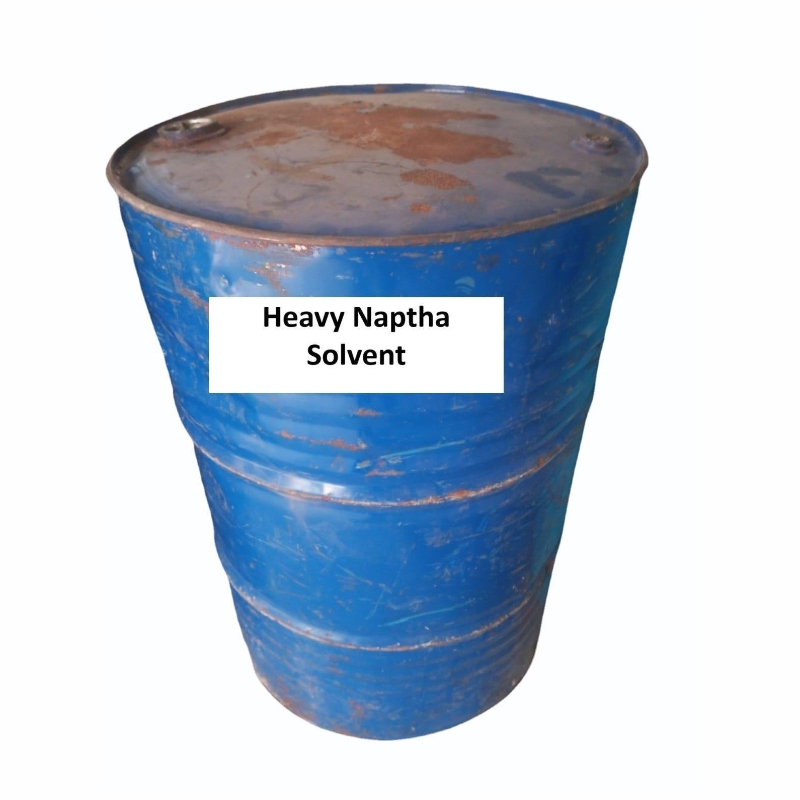
Composition: Heavy naphtha primarily consists of aliphatic and aromatic hydrocarbons with carbon chain lengths ranging from C6 to C12, although it may contain higher molecular weight components as well. It is a complex mixture containing various straight-chain, branched-chain, and cyclic hydrocarbons.
Refining Process: Solvent refining is one of the methods used to separate naphtha from crude oil. In this process, the crude oil is treated with a solvent, such as propane or butane, to selectively dissolve the desired hydrocarbon fraction. The solvent is then separated from the dissolved hydrocarbons, leaving behind the solvent-refined naphtha.
Physical Properties: Heavy naphtha is typically a clear, colorless to light yellow liquid with a characteristic petroleum odor. It has a relatively low boiling point range, typically between 60°C and 200°C, making it volatile and flammable. The exact composition and properties of heavy naphtha can vary depending on the source of crude oil and the refining process.
Applications: Heavy naphtha is utilized as a feedstock in various industrial processes, including petrochemical production, fuel blending, and solvent formulation. Its high content of aromatic hydrocarbons makes it suitable for applications such as production of benzene, toluene, and xylenes (BTX), as well as in the manufacture of solvents, paints, and coatings.
Petrochemical Feedstock: Heavy naphtha serves as a primary feedstock for the production of valuable petrochemical intermediates, including olefins (ethylene, propylene), aromatics (benzene, toluene, xylenes), and other chemical derivatives. It undergoes various conversion processes, such as steam cracking, catalytic reforming, and hydrocracking, to yield these products.
Fuel Blending: In the petroleum refining industry, heavy naphtha is blended with other refinery streams to produce gasoline and other motor fuels. It contributes to the octane rating and volatility of gasoline blends, helping to meet regulatory specifications and optimize engine performance.
Solvent Formulation: Heavy naphtha is utilized as a solvent in the formulation of paints, coatings, adhesives, and cleaning products. Its ability to dissolve a wide range of organic compounds makes it valuable in industrial and consumer applications where effective solvency is required.
Safety Considerations: Heavy naphtha is flammable and should be handled with caution to prevent fire and explosion hazards. Proper storage, handling, and transportation practices are essential to minimize risks associated with its use. Additionally, exposure to heavy naphtha vapors should be avoided, as they may cause irritation to the respiratory system and central nervous system.
Environmental Impact: Spills or releases of heavy naphtha can pose environmental risks, including soil and water contamination. Regulatory agencies enforce guidelines and regulations to ensure the safe handling, storage, and disposal of petroleum products to mitigate environmental impacts.
Regulatory Compliance: Heavy naphtha is subject to regulatory oversight by governmental agencies to ensure its safe production, handling, transportation, and use. Compliance with regulatory standards, including safety data sheets (SDS) and labeling requirements, is essential for manufacturers, distributors, and end-users of heavy naphtha.