Product
Supplier
Encyclopedia
Inquiry
Home > Biochemical Engineering > Nucleic Acid Drugs > RNA for Sale > Most Professional Manufacturer Supply High Qulity RIBONUCLEIC ACID(RNA) CAS 63231-63-0
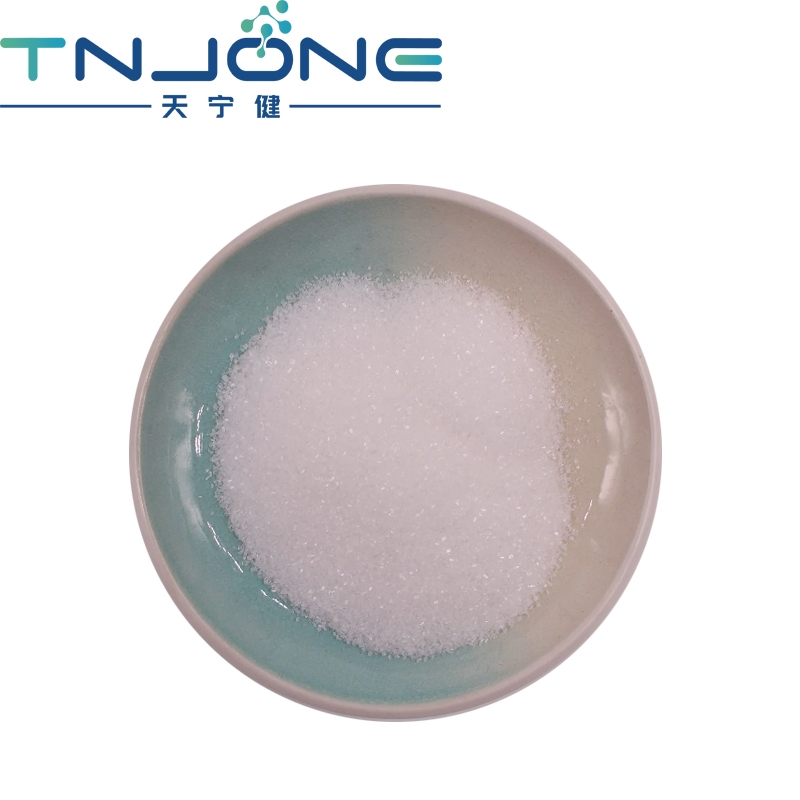
Most Professional Manufacturer Supply High Qulity RIBONUCLEIC ACID(RNA) CAS 63231-63-0 buy - large image1
Most Professional Manufacturer Supply High Qulity RIBONUCLEIC ACID(RNA) CAS 63231-63-0 buy - image1
Most Professional Manufacturer Supply High Qulity RIBONUCLEIC ACID(RNA) CAS 63231-63-0 buy - image2
Most Professional Manufacturer Supply High Qulity RIBONUCLEIC ACID(RNA) CAS 63231-63-0 buy - image3
Most Professional Manufacturer Supply High Qulity RIBONUCLEIC ACID(RNA) CAS 63231-63-0 buy - image4
Most Professional Manufacturer Supply High Qulity RIBONUCLEIC ACID(RNA) CAS 63231-63-0 buy - image5
Most Professional Manufacturer Supply High Qulity RIBONUCLEIC ACID(RNA) CAS 63231-63-0 buy - image6

Most Professional Manufacturer Supply High Qulity RIBONUCLEIC ACID(RNA) CAS 63231-63-0

1 Inquiries

Unit Price: Get Latest Price
CAS No.:

63231-63-0

Grade:

Pharmaceutical Grade

Content:

99%

Port:

Durban

Brand:

Custom

Packaging:

As per customer requirement

Price valid (until):

2024-05-18

Company Type:
Distributor
Location:
South Africa
Qualification:
Main Products:

Sodium Lauryl Ether Sulfate,Caustic Soda,Soda Ash,Citric Acid,Calcium Hypochlorite,Oxalic Acid

  • Product Description

  • Seller Information

  • Inquiry History

  • Description


      Product Detail  


                        1. Nucleic Acid Structure: RNA is a single-stranded nucleic acid composed of nucleotide monomers. Each nucleotide consists of a ribose sugar, a phosphate group, and one of four nitrogenous bases: adenine (A), guanine (G), cytosine (C), or uracil (U).

                        2. Types of RNA: There are several types of RNA, each with specific functions in the cell. Messenger RNA (mRNA) carries genetic information from the DNA in the cell nucleus to the ribosomes, where it is translated into proteins. Transfer RNA (tRNA) transports amino acids to the ribosome during protein synthesis. Ribosomal RNA (rRNA) is a structural component of ribosomes, where protein synthesis occurs.

                        3. Transcription: RNA is synthesized from a DNA template through a process called transcription. During transcription, the DNA double helix unwinds, and an RNA polymerase enzyme catalyzes the formation of RNA molecules complementary to one strand of the DNA.

                        4. Genetic Code: The sequence of nucleotides in RNA carries the genetic information needed to specify the sequence of amino acids in a protein. This information is encoded in sets of three nucleotides called codons, each of which corresponds to a specific amino acid or a stop signal in protein synthesis.

                        5. Translation: The genetic information carried by mRNA is translated into a sequence of amino acids during protein synthesis, a process that occurs on the ribosomes with the help of tRNA molecules. Each tRNA molecule binds to a specific amino acid and recognizes the corresponding codon on the mRNA through its anticodon sequence.

                        6. Post-transcriptional Modifications: RNA molecules undergo various modifications after transcription, including addition of a 5' cap and a 3' polyadenylated tail to mRNA, splicing of introns from pre-mRNA, and chemical modifications of bases in tRNA and rRNA. These modifications can affect RNA stability, localization, and function.

                        7. Gene Regulation: RNA plays a central role in the regulation of gene expression by controlling the production of specific proteins in response to internal and external signals. Regulatory RNAs, such as microRNAs (miRNAs) and long non-coding RNAs (lncRNAs), can bind to mRNA molecules and modulate their stability or translation efficiency.

                        8. RNA Interference: RNA interference (RNAi) is a mechanism by which small RNA molecules, such as siRNAs (small interfering RNAs) and miRNAs, silence gene expression by targeting complementary mRNA molecules for degradation or translational repression. RNAi has important roles in gene regulation, development, and defense against viral infections.

                        9. Viral RNA: Some viruses use RNA as their genetic material instead of DNA. RNA viruses replicate their genomes using an RNA-dependent RNA polymerase and can cause a wide range of human diseases, including the common cold, influenza, HIV/AIDS, and COVID-19.

                        10. RNA Vaccines: RNA-based vaccines, such as mRNA vaccines, have emerged as a promising approach for preventing infectious diseases and cancer. These vaccines deliver RNA molecules encoding antigens into cells, where they are translated into protein antigens that stimulate an immune response.

                        11. RNA Therapeutics: RNA-based therapies, including antisense oligonucleotides, small interfering RNAs (siRNAs), and messenger RNA (mRNA) therapeutics, are being developed for the treatment of various diseases, including genetic disorders, cancer, and infectious diseases.

                        12. RNA Sequencing: RNA sequencing (RNA-seq) is a powerful technique used to analyze gene expression patterns and transcriptomes in different cell types, tissues, and conditions. RNA-seq provides insights into the dynamics of gene regulation and can help identify biomarkers and therapeutic targets for diseases.

                        13. RNA Structure Prediction: Computational methods are used to predict the secondary and tertiary structures of RNA molecules based on their primary sequence. RNA secondary structure prediction algorithms use thermodynamic principles to identify stable base pairing interactions, while tertiary structure prediction methods model RNA folding and interactions with other molecules.

                        14. RNA Editing: RNA editing is a process by which specific nucleotides in RNA molecules are modified after transcription, leading to changes in the RNA sequence and, potentially, protein function. RNA editing can occur through mechanisms such as adenosine-to-inosine (A-to-I) editing mediated by adenosine deaminases acting on RNA (ADARs).

                        15. RNA in Evolution: RNA is thought to have played a central role in the origin of life and the evolution of early biological systems. The RNA world hypothesis proposes that RNA molecules preceded DNA as the genetic material and were capable of both storing genetic information and catalyzing chemical reactions, including self-replication.


    No. Property/Function Description
    1 Structure Single-stranded or double-stranded molecule composed of nucleotides
    2 Components Made of ribose sugar, phosphate group, and nitrogenous bases (A, G, C, U)
    3 Types Messenger RNA (mRNA), Transfer RNA (tRNA), Ribosomal RNA (rRNA), etc.
    4 Function mRNA carries genetic information from DNA to ribosomes for protein synthesis; tRNA delivers amino acids to ribosomes during translation; rRNA is a structural and functional component of ribosomes
    5 Stability Can be susceptible to degradation by RNases (RNA-degrading enzymes)
    6 Synthesis Transcribed from DNA by RNA polymerase during transcription
    7 Location Found in the nucleus (eukaryotes) or cytoplasm (prokaryotes and eukaryotes)
    8 Cellular Processes Involved in transcription, translation, splicing, and various regulatory mechanisms
    9 Regulation Subject to various regulatory mechanisms, including RNA interference (RNAi)
    10 Modifications Can undergo post-transcriptional modifications, such as capping, polyadenylation, and RNA editing
    11 Interactions Interacts with proteins, DNA, and other RNA molecules to carry out its functions
    12 Evolutionary Conservation Shows evolutionary conservation across species, with structural and functional similarities
    13 Research Applications Widely studied in molecular biology, genetics, and biotechnology
    14 Therapeutic Potential Target for drug development in areas such as RNA-based therapies and vaccines
    15 RNA Sequencing Technique used to analyze RNA expression levels and identify differentially expressed genes


      Product Detail  


    Shop Most Professional Manufacturer Supply High Qulity RIBONUCLEIC ACID(RNA) CAS 63231-63-0-Detailed Image 1Shop Most Professional Manufacturer Supply High Qulity RIBONUCLEIC ACID(RNA) CAS 63231-63-0-Detailed Image 2

    Basic Info
    Product Name:

    RNA

    Other Name:

    RNA;Ribonucleic acids;Ribonucleic acid;Nucleic acids,ribo-;Nucleic acids,ribo;Pentosenucleic acids;9009-85-2;9010-74-6;9046-65-5;9046-66-6

    CAS No.:

    63231-63-0

    EC Number:

    277-256-7

    Categories:

    Nucleic Acid Drugs

    Characteristics
    Appearance:

    Off-white to Pale Brown lyophilized powder

    Water Solubility:

    It is soluble in water.

    Storage Conditions:

    −20°C

  • Seller Information
    Business Type:

    Distributor

    Main Products:

    Sodium Lauryl Ether Sulfate,Caustic Soda,Soda Ash,Citric Acid,Calcium Hypochlorite,Oxalic Acid

    Location:

    13 PROTEA PARK MILKWOOD STREET RANGEVIEW GAUTENG 1739

    Payment Terms:

    TT against copy of documents,TT against B/L draft before shipment

    Average lead Time:

    60

    Total Annual Revenue:

    $1 million-$2.5 million

    Total Employees:

    11-50

    Year of Establishment:

    2012

  • Inquiry History
    1 Inquiries
    Country Product Purchase Quantity Date Posted
    United States

    RIBONUCLEIC ACID, TRANSFER

    500 G Jul 17, 2023
    Post an enquiry for this product
pic ×

Scan the QR Code to Share

All products displayed on this website are only for non-medical purposes such as industrial applications or scientific research, and cannot be used for clinical diagnosis or treatment of humans or animals. They are not medicinal or edible.

According to relevant laws and regulations and the regulations of this website, units or individuals who purchase hazardous materials should obtain valid qualifications and qualification conditions.

The information shown above is provided by the enterprise itself, and the authenticity, accuracy and legitimacy of the content are the responsibility of the publishing company. ECHEMI does not bear any guarantee responsibility for this. Please be aware that risks in internet transactions objectively exist.

Feedback & Suggestions
Send Message

Thank you for your feedback. If you require further assistance, please contact us by email at info@echemi.com or call us at +86-532-55729510.