Product
Supplier
Encyclopedia
Inquiry
Home > Biochemical Engineering > Amino Acids and Derivatives > Cysteine for Sale > Best Quality Supplyer 99% DL-Cysteine cas 3374-22-9 IN BULK
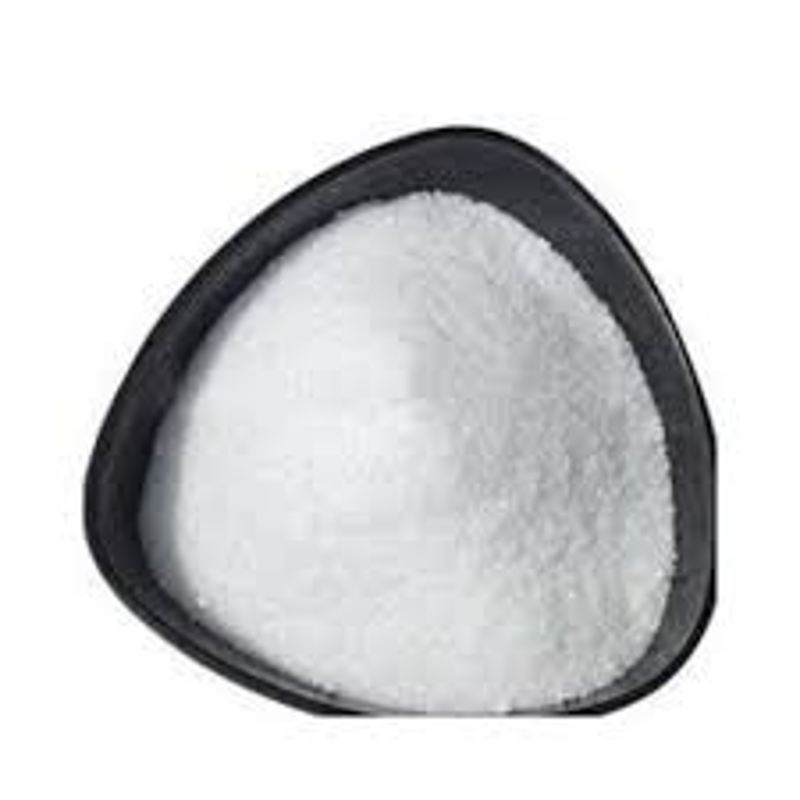
Best Quality Supplyer 99% DL-Cysteine cas 3374-22-9 IN BULK buy - large image1
Best Quality Supplyer 99% DL-Cysteine cas 3374-22-9 IN BULK buy - image1
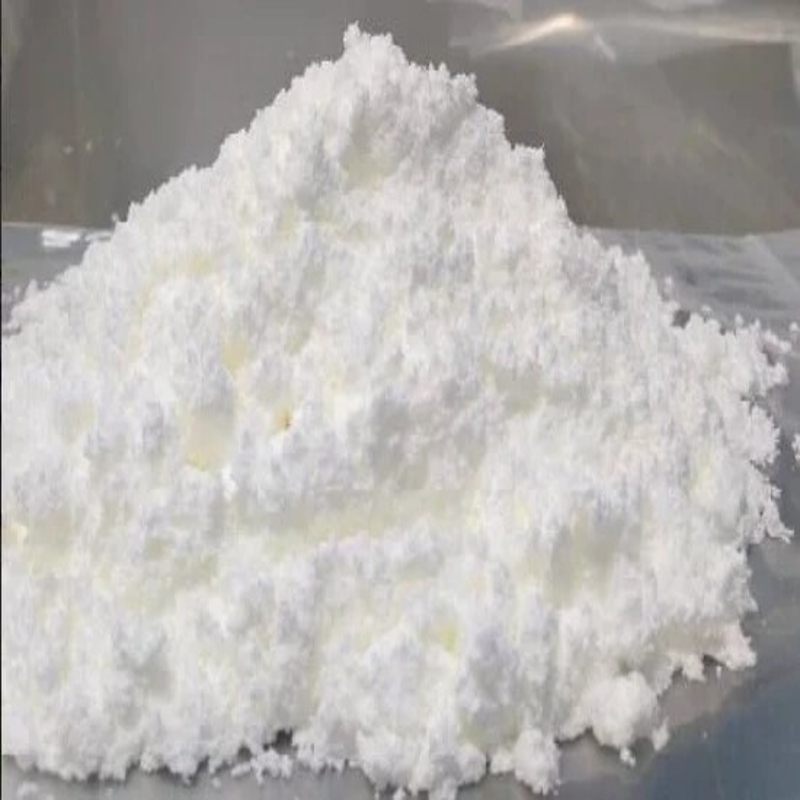
Best Quality Supplyer 99% DL-Cysteine cas 3374-22-9 IN BULK buy - image2
Best Quality Supplyer 99% DL-Cysteine cas 3374-22-9 IN BULK buy - image3
Best Quality Supplyer 99% DL-Cysteine cas 3374-22-9 IN BULK buy - image4
Best Quality Supplyer 99% DL-Cysteine cas 3374-22-9 IN BULK buy - image5
Best Quality Supplyer 99% DL-Cysteine cas 3374-22-9 IN BULK buy - image6

Best Quality Supplyer 99% DL-Cysteine cas 3374-22-9 IN BULK

2 Inquiries

Unit Price: Get Latest Price
CAS No.:

3374-22-9

Grade:

Industrial Grade

Content:

99%

Port:

Durban

Brand:

Custom

Packaging:

As per customer requirement

Price valid (until):

2024-04-18

Company Type:
Distributor
Location:
South Africa
Qualification:
Main Products:

Sodium Lauryl Ether Sulfate,Caustic Soda,Soda Ash,Citric Acid,Calcium Hypochlorite,Oxalic Acid

  • Product Description

  • Seller Information

  • Inquiry History

  • Description


      Product Detail  


    Cysteine, bearing the chemical identifier 3374-22-9, is an indispensable amino acid essential for numerous biological processes in living organisms. Its structural uniqueness, functional versatility, and biomedical implications underscore its significance in physiology, biochemistry, and medicine.

    1. Structural Foundation: Cysteine, categorized as a nonpolar amino acid, features a thiol functional group (–SH) within its side chain, distinguishing it from other amino acids. This sulfhydryl group contributes to cysteine's distinctive chemical reactivity and physiological roles.

    2. Functional Diversity: Beyond its role as a protein building block, cysteine serves as a crucial component in the synthesis of glutathione, a potent antioxidant involved in cellular defense against oxidative stress and detoxification of harmful substances. Additionally, cysteine residues participate in disulfide bond formation, facilitating protein folding and stability in intracellular and extracellular environments.

    3. Redox Regulation: The thiol group of cysteine enables redox reactions, rendering it pivotal in cellular redox signaling and homeostasis. Cysteine residues within proteins undergo reversible oxidation-reduction reactions, modulating protein structure, function, and cellular responses to oxidative stimuli.

    4. Biomedical Implications: Cysteine's multifaceted roles in antioxidant defense, redox regulation, and protein structure make it indispensable in various physiological processes and pathological conditions. Dysregulation of cysteine metabolism has been implicated in oxidative stress-related disorders, neurodegenerative diseases, and metabolic syndromes.

    5. Therapeutic Applications: Given its critical functions in cellular physiology and pathology, cysteine holds therapeutic potential in mitigating oxidative damage, enhancing cellular resilience, and modulating disease progression. Cysteine supplementation, either through dietary sources or pharmacological agents, may offer therapeutic benefits in conditions characterized by oxidative stress and impaired redox balance.

    6. Clinical Relevance: Cysteine-based therapies and interventions have garnered attention in clinical research, with investigations focusing on their efficacy in mitigating oxidative damage, supporting antioxidant defense mechanisms, and improving outcomes in various disease states. Furthermore, cysteine serves as a precursor for the synthesis of N-acetylcysteine (NAC), a pharmacological agent utilized in the management of acetaminophen overdose, chronic obstructive pulmonary disease (COPD), and other respiratory disorders.

    7. Regulation and Safety Considerations: While cysteine supplementation may confer therapeutic benefits, careful consideration of dosage, formulation, and administration routes is warranted to ensure safety and efficacy. Moreover, potential interactions with other medications and underlying health conditions necessitate comprehensive evaluation and monitoring in clinical practice.

    8. Future Directions: Continued research into cysteine metabolism, redox signaling pathways, and therapeutic applications holds promise for advancing our understanding of its biological roles and clinical relevance. Exploration of novel cysteine-based therapies, targeted drug delivery systems, and personalized treatment approaches may pave the way for innovative strategies in disease management and healthcare.

    Conclusion: Cysteine stands as a cornerstone of cellular biology, contributing to a myriad of physiological processes and playing a pivotal role in health and disease. Its unique chemical properties, functional versatility, and biomedical significance underscore its importance as a target for scientific inquiry, therapeutic innovation, and clinical intervention in diverse areas of medicine and biotechnology.


      Specifications  


    Items Specifications
    1. Chemical Structure Cysteine is a sulfur-containing amino acid with the chemical formula C3H7NO2S.
    2. Classification It is classified as a non-essential amino acid, meaning the body can synthesize it from other amino acids as needed.
    3. Biological Function Cysteine plays a crucial role in protein synthesis, as it is involved in the formation of disulfide bonds in proteins.
    4. Antioxidant Activity It acts as a precursor for glutathione, a powerful antioxidant that helps protect cells from oxidative damage.
    5. Structural Role Cysteine contributes to the three-dimensional structure of proteins, influencing their stability and function.
    6. Metal Chelation It can chelate with certain metals, such as mercury and lead, helping to detoxify the body from heavy metal poisoning.
    7. Dietary Sources Dietary sources of cysteine include protein-rich foods such as meat, poultry, fish, dairy products, and eggs.
    8. Food Additive Cysteine and its derivatives, such as cysteine hydrochloride, are used as food additives to enhance dough quality.
    9. Health Benefits Cysteine supplementation may have various health benefits, including supporting liver function and promoting hair health.
    10. Pharmaceutical Uses It is used in the pharmaceutical industry for the synthesis of drugs and as a component in certain formulations.
    11. Skin Care Cysteine is used in skincare products for its antioxidant properties and its role in supporting skin health and elasticity.
    12. Industrial Applications It is utilized in various industrial processes, such as in the production of flavors, fragrances, and cosmetics.
    13. Research Interest Cysteine research is of interest in fields such as biochemistry, medicine, and nutrition due to its diverse roles in the body.
    14. Cystinuria In individuals with cystinuria, cysteine may be excreted in the urine at high levels, leading to the formation of kidney stones.
    15. Genetic Disorders Deficiencies in enzymes involved in cysteine metabolism can lead to genetic disorders such as homocystinuria.


      Product Detail  


    Shop Best Quality Supplyer 99% DL-Cysteine cas 3374-22-9 IN BULK-Detailed Image 1Shop Best Quality Supplyer 99% DL-Cysteine cas 3374-22-9 IN BULK-Detailed Image 2

    Basic Info
    Product Name:

    Cysteine

    Other Name:

    Cysteine;Cysteine,DL-;DL-Cysteine;(±)-Cysteine;NSC 63864;(±)-2-Amino-3-mercaptopropionic acid;2-Amino-3-sulfanylpropanoic acid

    CAS No.:

    3374-22-9

    Molecular Formula:

    C3H7NO2S

    InChIKeys:

    InChIKey=XUJNEKJLAYXESH-UHFFFAOYSA-N

    Molecular Weight:

    121.16

    Exact Mass:

    121.16

    EC Number:

    222-160-2

    NSC Number:

    647530|63864

    DSSTox ID:

    DTXSID5046988

    HScode:

    29309013

    Characteristics
    PSA:

    64.3

    XLogP3:

    -2.5

    Appearance:

    White to off-white Powder

    Density:

    1.3±0.1 g/cm3

    Melting Point:

    222-225 °C

    Boiling Point:

    293.9°C at 760 mmHg

    Flash Point:

    131.5±25.9 °C

    Refractive Index:

    1.550

    Water Solubility:

    soluble in water (partly), 1 N HCl (25 mg/ml), ethanol, and acetic acid. Insoluble in acetone.

    Storage Conditions:

    Keep container tightly closed in a dry and well-ventilated place. Store under inert gas. Air sensitive. Storage class (TRGS 510): Non Combustible Solids.

    Vapor Pressure:

    6.73X10⁻⁷ mm Hg at 25 deg C (est)

    Specific rotation:

    Specific optical rotation: +6.5 deg at 25 °C/D (5 N HCl); +13.0 deg at 25 °C/D (glacial acetic acid)

    Hazard Identification

    Classification of the substance or mixture

    Acute toxicity - Category 4, Oral

    GHS label elements, including precautionary statements

    Pictogram(s)

    Signal word

    Warning

    Hazard statement(s)

    H302 Harmful if swallowed

    Precautionary statement(s)
    Prevention

    P264 Wash ... thoroughly after handling.

    P270 Do not eat, drink or smoke when using this product.

    Response

    P301+P317 IF SWALLOWED: Get medical help.

    P330 Rinse mouth.

    Storage

    none

    Disposal

    P501 Dispose of contents/container to an appropriate treatment and disposal facility in accordance with applicable laws and regulations, and product characteristics at time of disposal.

    Other hazards which do not result in classification

    no data available

    Handling and Storage

    Precautions for safe handling

    Handling in a well ventilated place. Wear suitable protective clothing. Avoid contact with skin and eyes. Avoid formation of dust and aerosols. Use non-sparking tools. Prevent fire caused by electrostatic discharge steam.

    Conditions for safe storage, including any incompatibilities

    Keep container tightly closed in a dry and well-ventilated place. Store under inert gas. Air sensitive. Storage class (TRGS 510): Non Combustible Solids.

  • Seller Information
    Business Type:

    Distributor

    Main Products:

    Sodium Lauryl Ether Sulfate,Caustic Soda,Soda Ash,Citric Acid,Calcium Hypochlorite,Oxalic Acid

    Location:

    13 PROTEA PARK MILKWOOD STREET RANGEVIEW GAUTENG 1739

    Payment Terms:

    TT against copy of documents,TT against B/L draft before shipment

    Average lead Time:

    60

    Total Annual Revenue:

    $1 million-$2.5 million

    Total Employees:

    11-50

    Year of Establishment:

    2012

  • Inquiry History
    2 Inquiries
    Country Product Purchase Quantity Date Posted
    Netherlands

    Cysteine

    1 MT Sep 15, 2025
    Netherlands

    Cysteine

    1 MT Sep 12, 2025
    Post an enquiry for this product
pic ×

Scan the QR Code to Share

All products displayed on this website are only for non-medical purposes such as industrial applications or scientific research, and cannot be used for clinical diagnosis or treatment of humans or animals. They are not medicinal or edible.

According to relevant laws and regulations and the regulations of this website, units or individuals who purchase hazardous materials should obtain valid qualifications and qualification conditions.

The information shown above is provided by the enterprise itself, and the authenticity, accuracy and legitimacy of the content are the responsibility of the publishing company. ECHEMI does not bear any guarantee responsibility for this. Please be aware that risks in internet transactions objectively exist.

Feedback & Suggestions
Send Message

Thank you for your feedback. If you require further assistance, please contact us by email at info@echemi.com or call us at +86-532-55729510.