Product
Supplier
Encyclopedia
Inquiry
Home > Analytical Chemistry > Food Safety > 2-Chlorobiphenyl for Sale > Best Quality Supplyer 2-Chlorobiphenyl (2051-60-7) in BULK
Best Quality Supplyer 2-Chlorobiphenyl  (2051-60-7) in BULK buy - large image1
Best Quality Supplyer 2-Chlorobiphenyl  (2051-60-7) in BULK buy - image1
Best Quality Supplyer 2-Chlorobiphenyl  (2051-60-7) in BULK buy - image2
Best Quality Supplyer 2-Chlorobiphenyl  (2051-60-7) in BULK buy - image3
Best Quality Supplyer 2-Chlorobiphenyl  (2051-60-7) in BULK buy - image4
Best Quality Supplyer 2-Chlorobiphenyl  (2051-60-7) in BULK buy - image5
Best Quality Supplyer 2-Chlorobiphenyl  (2051-60-7) in BULK buy - image6

Best Quality Supplyer 2-Chlorobiphenyl (2051-60-7) in BULK

Unit Price: Get Latest Price
CAS No.:

2051-60-7

Grade:

Industrial Grade

Content:

99%

Port:

Durban

Brand:

Custom

Packaging:

As per customer requirement

Price valid (until):

2024-05-19

Company Type:
Distributor
Location:
South Africa
Qualification:
Main Products:

Sodium Lauryl Ether Sulfate,Caustic Soda,Soda Ash,Citric Acid,Calcium Hypochlorite,Oxalic Acid

  • Product Description

  • Seller Information

  • Description


      Product Detail  


    1. Chemical Composition and Structure

    2-Chlorobiphenyl, with the CAS number 2051-60-7, is an organic compound belonging to the class of chlorinated biphenyls. It consists of a biphenyl molecule with a chlorine atom attached at the 2-position, imparting distinct chemical properties and reactivity.

    2. Industrial Applications

    2-Chlorobiphenyl has been historically utilized in various industrial applications, including as a heat transfer medium and a dielectric fluid in electrical transformers and capacitors. Its high thermal stability and electrical insulating properties make it suitable for these purposes.

    3. Environmental Concerns

    Due to its persistence in the environment and potential for bioaccumulation, 2-Chlorobiphenyl is classified as a persistent organic pollutant (POP). Its presence in the environment raises concerns about ecological impacts and human health risks, leading to regulatory restrictions on its use and disposal.

    4. Toxicological Profile

    Studies have shown that 2-Chlorobiphenyl exhibits toxicological effects, including carcinogenicity and reproductive toxicity. Prolonged exposure to elevated levels of 2-Chlorobiphenyl may pose health risks to humans and wildlife, necessitating careful management and monitoring of its environmental presence.

    5. Chemical Stability and Reactivity

    2-Chlorobiphenyl is characterized by its chemical stability under normal environmental conditions. However, it can undergo transformation through various chemical processes, including degradation, oxidation, and biotransformation, leading to the formation of degradation products with potentially different environmental and toxicological properties.

    6. Persistence in the Environment

    One of the key characteristics of 2-Chlorobiphenyl is its persistence in the environment, particularly in soil and sediments. Its resistance to degradation processes can result in long-term environmental contamination and pose challenges for remediation efforts.

    7. Bioaccumulation Potential

    2-Chlorobiphenyl has the potential to bioaccumulate in living organisms due to its lipophilic nature and resistance to metabolism and elimination. This bioaccumulative property can lead to increasing concentrations of 2-Chlorobiphenyl in higher trophic levels of the food chain, posing risks to predators and human consumers.

    8. Regulatory Status

    2-Chlorobiphenyl is subject to regulatory controls and restrictions in many countries due to its hazardous properties and environmental persistence. Regulatory measures may include bans on production and use, as well as requirements for monitoring and remediation of contaminated sites.

    9. Environmental Fate and Transport

    The environmental fate and transport of 2-Chlorobiphenyl are influenced by factors such as its physical-chemical properties, environmental conditions, and interactions with biota. Understanding these processes is essential for predicting its distribution and potential impacts in the environment.

    10. Remediation Strategies

    Efforts to mitigate the environmental impact of 2-Chlorobiphenyl contamination often involve remediation strategies such as soil excavation, thermal treatment, and bioremediation. These approaches aim to reduce the concentration of 2-Chlorobiphenyl in contaminated sites and minimize associated risks to human health and the environment.

    Items Specifications
    1 Chemical Name 2-Chlorobiphenyl
    2 CAS Number 2051-60-7
    3 Molecular Formula C12H9Cl
    4 Molecular Weight 188.66 g/mol
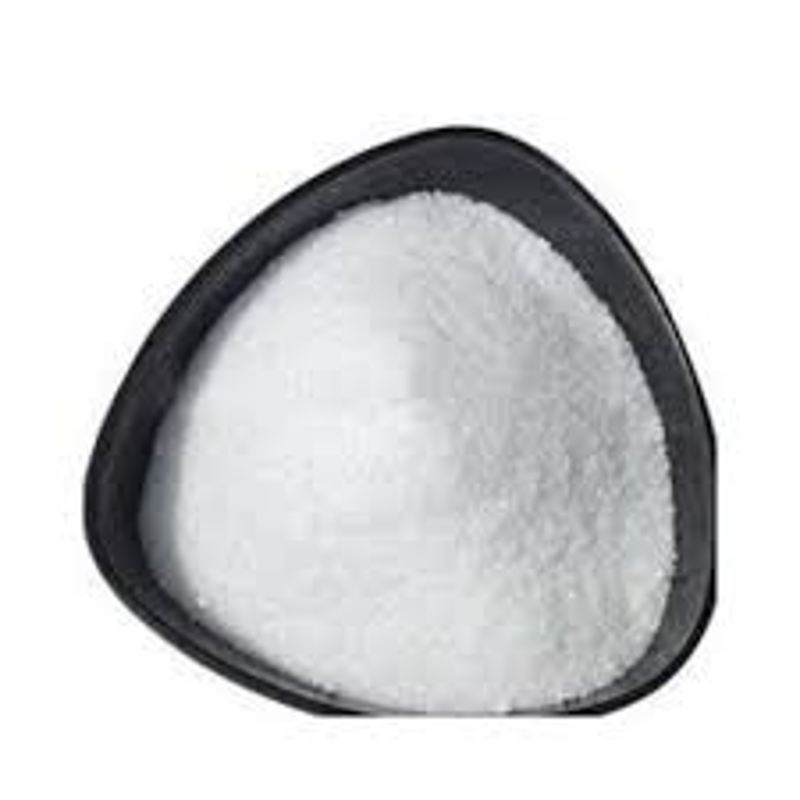
    5 Appearance Colorless to pale yellow crystalline solid
    6 Melting Point ~60-62°C
    7 Boiling Point ~350-360°C
    8 Density ~1.27 g/cm³
    9 Solubility in Water Insoluble
    10 Solubility in Organic Solvents Soluble in organic solvents
    11 Stability Stable under normal conditions
    12 Hazardous Decomposition Products Hydrogen chloride, carbon monoxide
    13 Hazardous Polymerization Will not occur
    14 Flash Point Not applicable (solid)
    15 Uses Intermediate in the synthesis of pharmaceuticals, agrochemicals, and other organic compounds.


      Product Detail  


    Shop Supplyer of 2-CHLOROBIPHENYL CAS NO 2051-60-7-Detailed Image 1Shop Supplyer of 2-CHLOROBIPHENYL CAS NO 2051-60-7-Detailed Image 2Shop Supplyer of 2-CHLOROBIPHENYL CAS NO 2051-60-7-Detailed Image 3

    Basic Info
    Product Name:

    2-Chlorobiphenyl

    Other Name:

    1,1′-Biphenyl,2-chloro-;Biphenyl,2-chloro-;2-Chloro-1,1′-biphenyl;2-Chlorobiphenyl;2-Monochlorobiphenyl;o-Chlorobiphenyl;2-Chlorodiphenyl;1-Chloro-2-phenylbenzene;PCB 1;NSC 67354

    CAS No.:

    2051-60-7

    Molecular Formula:

    C12H9Cl

    InChIKeys:

    InChIKey=LAXBNTIAOJWAOP-UHFFFAOYSA-N

    Molecular Weight:

    188.65

    Exact Mass:

    188.65

    EC Number:

    218-125-6

    UNII:

    2E08SP4D3P

    NSC Number:

    67354

    DSSTox ID:

    DTXSID6040298

    HScode:

    2903999090

    Categories:

    Food Safety

    Characteristics
    PSA:

    0 Ų

    XLogP3:

    4.45

    Density:

    1.1499 g/cm3 @ Temp: 32.5 °C

    Melting Point:

    34 °C

    Boiling Point:

    274 °C

    Flash Point:

    115.9±8.6 °C

    Refractive Index:

    1.583

    Water Solubility:

    7.8mg/L(25 ºC)

    Vapor Pressure:

    0.00 mmHg

    Toxicity:

    Oral-mammal LDL0: 2500 mg/kg

    Flammability characteristics:

    Flammable; toxic chloride fumes released from the fire

    OH:

    2.82e-12 cm3/molecule*sec

    Henrys Law Constant:

    7.36e-04 atm-m3/mole

    Hazard Identification

    Classification of the substance or mixture

    Specific target organ toxicity – repeated exposure, Category 2

    Hazardous to the aquatic environment, short-term (Acute) - Category Acute 1

    Hazardous to the aquatic environment, long-term (Chronic) - Category Chronic 1

    GHS label elements, including precautionary statements

    Pictogram(s)

    Signal word

    Warning

    Hazard statement(s)

    H373 May cause damage to organs through prolonged or repeated exposure

    H410 Very toxic to aquatic life with long lasting effects

    Precautionary statement(s)
    Prevention

    P260 Do not breathe dust/fume/gas/mist/vapours/spray.

    P273 Avoid release to the environment.

    Response

    P319 Get medical help if you feel unwell.

    P391 Collect spillage.

    Storage

    none

    Disposal

    P501 Dispose of contents/container to an appropriate treatment and disposal facility in accordance with applicable laws and regulations, and product characteristics at time of disposal.

    Other hazards which do not result in classification

    no data available

    Handling and Storage

    Precautions for safe handling

    Handling in a well ventilated place. Wear suitable protective clothing. Avoid contact with skin and eyes. Avoid formation of dust and aerosols. Use non-sparking tools. Prevent fire caused by electrostatic discharge steam.

    Conditions for safe storage, including any incompatibilities

    Store in tightly closed containers in a cool, well-ventilated area away from strong oxidizers (such as chlorine, bromine, and fluorine). A regulated marked area should be established where this chemical is handled, used, or stored ... Polychlorinated biphenyls

  • Seller Information
    Business Type:

    Distributor

    Main Products:

    Sodium Lauryl Ether Sulfate,Caustic Soda,Soda Ash,Citric Acid,Calcium Hypochlorite,Oxalic Acid

    Location:

    13 PROTEA PARK MILKWOOD STREET RANGEVIEW GAUTENG 1739

    Payment Terms:

    TT against copy of documents,TT against B/L draft before shipment

    Average lead Time:

    60

    Total Annual Revenue:

    $1 million-$2.5 million

    Total Employees:

    11-50

    Year of Establishment:

    2012

  • Country Product Purchase Quantity Date Posted
    Post an enquiry for this product
pic ×

Scan the QR Code to Share

All products displayed on this website are only for non-medical purposes such as industrial applications or scientific research, and cannot be used for clinical diagnosis or treatment of humans or animals. They are not medicinal or edible.

According to relevant laws and regulations and the regulations of this website, units or individuals who purchase hazardous materials should obtain valid qualifications and qualification conditions.

The information shown above is provided by the enterprise itself, and the authenticity, accuracy and legitimacy of the content are the responsibility of the publishing company. ECHEMI does not bear any guarantee responsibility for this. Please be aware that risks in internet transactions objectively exist.

Feedback & Suggestions
Send Message

Thank you for your feedback. If you require further assistance, please contact us by email at info@echemi.com or call us at +86-532-55729510.