Product
Supplier
Encyclopedia
Inquiry
Home > Biochemical Engineering > Biosynthetic Natural Products > Daidzein for Sale > Most Professional Factory Supply High Qulity Daidzein CAS 486-66-8 In BULK
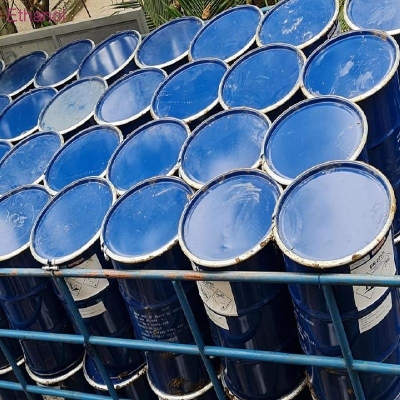
Most Professional Factory Supply High Qulity Daidzein CAS 486-66-8 In BULK buy - large image1
Most Professional Factory Supply High Qulity Daidzein CAS 486-66-8 In BULK buy - image1
Most Professional Factory Supply High Qulity Daidzein CAS 486-66-8 In BULK buy - image2
Most Professional Factory Supply High Qulity Daidzein CAS 486-66-8 In BULK buy - image3
Most Professional Factory Supply High Qulity Daidzein CAS 486-66-8 In BULK buy - image4
Most Professional Factory Supply High Qulity Daidzein CAS 486-66-8 In BULK buy - image5
Most Professional Factory Supply High Qulity Daidzein CAS 486-66-8 In BULK buy - image6

Most Professional Factory Supply High Qulity Daidzein CAS 486-66-8 In BULK

Unit Price: Get Latest Price
CAS No.:

486-66-8

Grade:

Pharmaceutical Grade

Content:

99%

Port:

Durban

Brand:

Custom

Packaging:

As per customer requirement

Price valid (until):

2024-05-21

Company Type:
Distributor
Location:
South Africa
Qualification:
Main Products:

Sodium Lauryl Ether Sulfate,Caustic Soda,Soda Ash,Citric Acid,Calcium Hypochlorite,Oxalic Acid

  • Product Description

  • Seller Information

  • Description


      Product Detail  


                                                1. Introduction to Daidzein (486-66-8): Daidzein (486-66-8) is a naturally occurring isoflavone compound found primarily in soybeans and other leguminous plants. It belongs to the class of phytoestrogens and has garnered significant interest due to its potential health benefits and diverse pharmacological properties.

                                                2. Chemical Structure of Daidzein (486-66-8): Daidzein (486-66-8) possesses a distinct chemical structure characterized by a flavone backbone with two phenolic hydroxyl groups. This structural arrangement imparts unique biological activities and underlies its interactions with cellular targets.

                                                3. Natural Sources of Daidzein (486-66-8): Daidzein (486-66-8) is abundantly found in soybeans, soy products such as tofu and soy milk, as well as other leguminous plants like chickpeas and lentils. Its presence in the diet contributes to the health-promoting effects associated with soy consumption.

                                                4. Metabolism of Daidzein (486-66-8) in the Body: Following ingestion, daidzein (486-66-8) undergoes metabolism in the gastrointestinal tract, where it is converted into various metabolites such as equol and O-desmethylangolensin (O-DMA), which exhibit distinct biological activities.

                                                5. Estrogenic Activity of Daidzein (486-66-8): Daidzein (486-66-8) exerts estrogenic effects by binding to estrogen receptors (ERs) in the body, albeit with weaker affinity compared to endogenous estrogens. This property underlies its role as a phytoestrogen and its potential applications in hormone-related conditions.

                                                6. Antioxidant Properties of Daidzein (486-66-8): Daidzein (486-66-8) exhibits potent antioxidant activity attributed to its ability to scavenge reactive oxygen species (ROS) and mitigate oxidative stress-induced damage in cells and tissues, thereby conferring cytoprotective effects.

                                                7. Anti-inflammatory Effects of Daidzein (486-66-8): Daidzein (486-66-8) displays anti-inflammatory properties by modulating various signaling pathways involved in the inflammatory response, such as NF-κB and MAPK cascades, leading to attenuation of inflammatory mediators and cytokine production.

                                                8. Cardioprotective Benefits of Daidzein (486-66-8): Daidzein (486-66-8) has been implicated in promoting cardiovascular health through mechanisms such as improving lipid profiles, enhancing endothelial function, and reducing arterial stiffness, thereby reducing the risk of cardiovascular diseases.

                                                9. Potential Neuroprotective Effects of Daidzein (486-66-8): Emerging evidence suggests that daidzein (486-66-8) may exert neuroprotective effects against neurodegenerative disorders such as Alzheimer's disease and Parkinson's disease, attributed to its antioxidant and anti-inflammatory properties.

                                                10. Impact of Daidzein (486-66-8) on Bone Health: Daidzein (486-66-8) has been implicated in promoting bone health and reducing the risk of osteoporosis by modulating bone metabolism, enhancing osteoblastic activity, and inhibiting osteoclast-mediated bone resorption.

                                                11. Gut Microbiota Metabolism of Daidzein (486-66-8): Daidzein (486-66-8) is subject to biotransformation by gut microbiota, leading to the formation of metabolites such as equol, which may contribute to its health effects, particularly in individuals with specific microbial populations capable of equol production.

                                                12. Daidzein (486-66-8) in Cancer Prevention and Therapy: Preclinical studies have suggested potential chemopreventive and anticancer properties of daidzein (486-66-8) against various types of cancer, including breast, prostate, and colon cancer, although further clinical research is warranted to validate these findings.

                                                13. Regulatory Status and Safety Considerations: Daidzein (486-66-8) is generally regarded as safe (GRAS) when consumed in dietary amounts, although high-dose supplementation may warrant caution due to potential interactions with hormone-sensitive conditions and medications.

                                                14. Bioavailability and Pharmacokinetics of Daidzein (486-66-8): The bioavailability of daidzein (486-66-8) varies depending on factors such as food matrix, individual metabolic capacity, and gut microbiota composition, influencing its absorption, distribution, metabolism, and excretion in the body.

                                                15. Future Directions in Daidzein (486-66-8) Research: Continued research efforts aim to elucidate the molecular mechanisms underlying the health-promoting effects of daidzein (486-66-8) and explore its therapeutic potential in diverse medical applications, ranging from metabolic disorders to neurodegenerative diseases.


      Product Detail  


    ItemDescriptionChemical StructureDaidzein is a natural compound classified as an isoflavone, characterized by a phenolic ring structure.Molecular FormulaC₁₅H₁₀O₄IUPAC Name7-Hydroxy-3-(4-hydroxyphenyl)chromen-4-oneSynonymsDaidzeol; 4',7-Dihydroxyisoflavone; Pterocarpanoid; Daidzein 7-O-glucosideChemical ClassIsoflavonoidSolubilitySoluble in organic solvents like ethanol, methanol, and acetone; slightly soluble in water.SourcePrimarily found in legumes like soybeans, chickpeas, and lentils.Biological RoleExhibits estrogenic activity, serving as a phytoestrogen in the human body.Health BenefitsMay have potential benefits in hormone-related conditions, osteoporosis, and cardiovascular health.MetabolismMetabolized by gut microbiota in the intestine to form equol, a compound with stronger estrogenic activity.Dietary SourcesSoy-based products such as tofu, tempeh, and soy milk; also present in red clover and kudzu root.Pharmacological UseInvestigated for its potential in hormone replacement therapy and as a dietary supplement for menopausal women.BioavailabilityInfluenced by factors like gut microbiota composition and individual metabolism.Structural IsomersExists as an isomer with genistein, differing in the position of one hydroxyl group on the B-ring.Research AreasStudied for its anti-inflammatory, antioxidant, and anticancer properties in various preclinical and clinical studies.ItemDescriptionChemical StructureDaidzein is a natural compound classified as an isoflavone, characterized by a phenolic ring structure.Molecular FormulaC₁₅H₁₀O₄IUPAC Name7-Hydroxy-3-(4-hydroxyphenyl)chromen-4-oneSynonymsDaidzeol; 4',7-Dihydroxyisoflavone; Pterocarpanoid; Daidzein 7-O-glucosideChemical ClassIsoflavonoidSolubilitySoluble in organic solvents like ethanol, methanol, and acetone; slightly soluble in water.SourcePrimarily found in legumes like soybeans, chickpeas, and lentils.Biological RoleExhibits estrogenic activity, serving as a phytoestrogen in the human body.Health BenefitsMay have potential benefits in hormone-related conditions, osteoporosis, and cardiovascular health.MetabolismMetabolized by gut microbiota in the intestine to form equol, a compound with stronger estrogenic activity.Dietary SourcesSoy-based products such as tofu, tempeh, and soy milk; also present in red clover and kudzu root.Pharmacological UseInvestigated for its potential in hormone replacement therapy and as a dietary supplement for menopausal women.BioavailabilityInfluenced by factors like gut microbiota composition and individual metabolism.Structural IsomersExists as an isomer with genistein, differing in the position of one hydroxyl group on the B-ring.Research AreasStudied for its anti-inflammatory, antioxidant, and anticancer properties in various preclinical and clinical studies.ItemDescriptionChemical StructureDaidzein is a natural compound classified as an isoflavone, characterized by a phenolic ring structure.Molecular FormulaC₁₅H₁₀O₄IUPAC Name7-Hydroxy-3-(4-hydroxyphenyl)chromen-4-oneSynonymsDaidzeol; 4',7-Dihydroxyisoflavone; Pterocarpanoid; Daidzein 7-O-glucosideChemical ClassIsoflavonoidSolubilitySoluble in organic solvents like ethanol, methanol, and acetone; slightly soluble in water.SourcePrimarily found in legumes like soybeans, chickpeas, and lentils.Biological RoleExhibits estrogenic activity, serving as a phytoestrogen in the human body.Health BenefitsMay have potential benefits in hormone-related conditions, osteoporosis, and cardiovascular health.MetabolismMetabolized by gut microbiota in the intestine to form equol, a compound with stronger estrogenic activity.Dietary SourcesSoy-based products such as tofu, tempeh, and soy milk; also present in red clover and kudzu root.Pharmacological UseInvestigated for its potential in hormone replacement therapy and as a dietary supplement for menopausal women.BioavailabilityInfluenced by factors like gut microbiota composition and individual metabolism.Structural IsomersExists as an isomer with genistein, differing in the position of one hydroxyl group on the B-ring.Research AreasStudied for its anti-inflammatory, antioxidant, and anticancer properties in various preclinical and clinical studies.ItemDescriptionChemical StructureDaidzein is a natural compound classified as an isoflavone, characterized by a phenolic ring structure.Molecular FormulaC₁₅H₁₀O₄IUPAC Name7-Hydroxy-3-(4-hydroxyphenyl)chromen-4-oneSynonymsDaidzeol; 4',7-Dihydroxyisoflavone; Pterocarpanoid; Daidzein 7-O-glucosideChemical ClassIsoflavonoidSolubilitySoluble in organic solvents like ethanol, methanol, and acetone; slightly soluble in water.SourcePrimarily found in legumes like soybeans, chickpeas, and lentils.Biological RoleExhibits estrogenic activity, serving as a phytoestrogen in the human body.Health BenefitsMay have potential benefits in hormone-related conditions, osteoporosis, and cardiovascular health.MetabolismMetabolized by gut microbiota in the intestine to form equol, a compound with stronger estrogenic activity.Dietary SourcesSoy-based products such as tofu, tempeh, and soy milk; also present in red clover and kudzu root.Pharmacological UseInvestigated for its potential in hormone replacement therapy and as a dietary supplement for menopausal women.BioavailabilityInfluenced by factors like gut microbiota composition and individual metabolism.Structural IsomersExists as an isomer with genistein, differing in the position of one hydroxyl group on the B-ring.Research AreasStudied for its anti-inflammatory, antioxidant, and anticancer properties in various preclinical and clinical studies.


    Shop Most Professional Factory Supply High Qulity Daidzein CAS 486-66-8 In BULK-Detailed Image 1Shop Most Professional Factory Supply High Qulity Daidzein CAS 486-66-8 In BULK-Detailed Image 2Shop Most Professional Factory Supply High Qulity Daidzein CAS 486-66-8 In BULK-Detailed Image 3Shop Most Professional Factory Supply High Qulity Daidzein CAS 486-66-8 In BULK-Detailed Image 4

    Basic Info
    Product Name:

    Daidzein

    Other Name:

    4H-1-Benzopyran-4-one,7-hydroxy-3-(4-hydroxyphenyl)-;Daidzein;Isoflavone,4′,7-dihydroxy-;7-Hydroxy-3-(4-hydroxyphenyl)-4H-1-benzopyran-4-one;4′,7-Dihydroxyisoflavone;7,4′-Dihydroxyisoflavone;Daidzeol;K 251b;NPI 031E;Isoaurostatin;FW 635I-1;Daidzin aglycone

    CAS No.:

    486-66-8

    Molecular Formula:

    C15H10O4

    InChIKeys:

    InChIKey=ZQSIJRDFPHDXIC-UHFFFAOYSA-N

    Molecular Weight:

    254.24

    Exact Mass:

    254.24

    EC Number:

    207-635-4

    UNII:

    6287WC5J2L

    DSSTox ID:

    DTXSID9022310

    NCI Thesaurus Code:

    C1060

    HScode:

    29329990

    Characteristics
    PSA:

    66.8

    XLogP3:

    2.5

    Appearance:

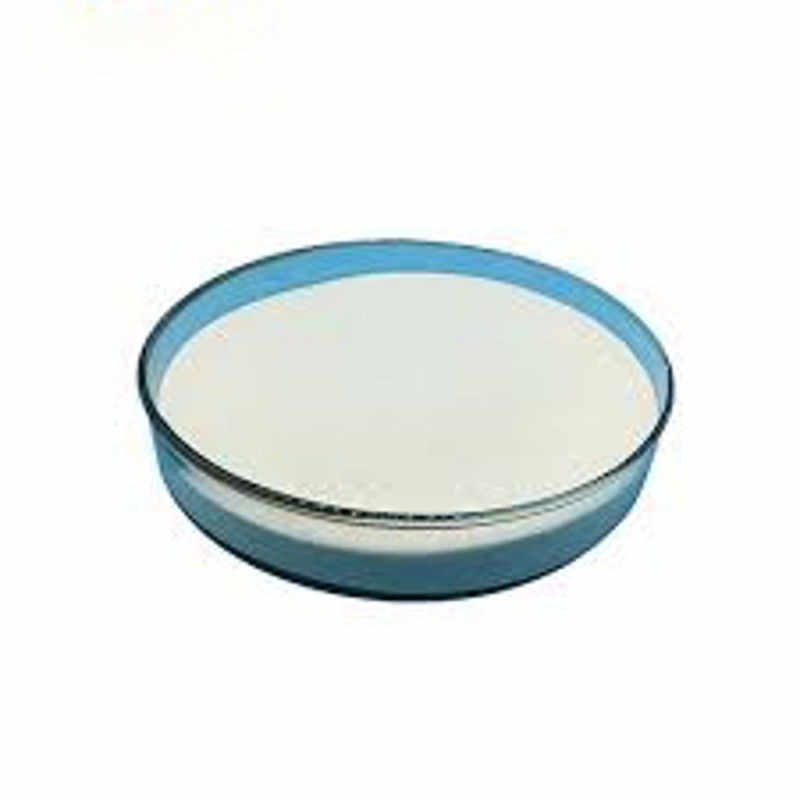
    White to off-white Powder

    Density:

    1.4±0.1 g/cm3

    Melting Point:

    323 °C (decomp)

    Boiling Point:

    512.8°C at 760 mmHg

    Flash Point:

    201.2±23.6 °C

    Refractive Index:

    1.699

    Water Solubility:

    H2O: insoluble ;DMSO: 10 mg/mL

    Storage Conditions:

    2-8°C

    Vapor Pressure:

    4.53E-10mmHg at 25°C

    Collision Cross Section:

    157.23 Ų [M+H]+ [CCS Type: DT, Method: stepped-field]|173.13 Ų [M+Na]+ [CCS Type: DT, Method: stepped-field]|162.33 Ų [M-H]- [CCS Type: DT, Method: stepped-field]|161.8 Ų [M-H]-

    Hazard Identification

    Classification of the substance or mixture

    Skin irritation, Category 2

    Eye irritation, Category 2

    GHS label elements, including precautionary statements

    Pictogram(s)

    Signal word

    Warning

    Hazard statement(s)

    H315 Causes skin irritation

    H319 Causes serious eye irritation

    Precautionary statement(s)
    Prevention

    P264 Wash ... thoroughly after handling.

    P280 Wear protective gloves/protective clothing/eye protection/face protection/hearing protection/...

    Response

    P302+P352 IF ON SKIN: Wash with plenty of water/...

    P321 Specific treatment (see ... on this label).

    P332+P317 If skin irritation occurs: Get medical help.

    P362+P364 Take off contaminated clothing and wash it before reuse.

    P305+P351+P338 IF IN EYES: Rinse cautiously with water for several minutes. Remove contact lenses, if present and easy to do. Continue rinsing.

    Storage

    none

    Disposal

    none

    Other hazards which do not result in classification

    no data available

    Handling and Storage

    Precautions for safe handling

    Handling in a well ventilated place. Wear suitable protective clothing. Avoid contact with skin and eyes. Avoid formation of dust and aerosols. Use non-sparking tools. Prevent fire caused by electrostatic discharge steam.

    Conditions for safe storage, including any incompatibilities

    Store the container tightly closed in a dry, cool and well-ventilated place. Store apart from foodstuff containers or incompatible materials.

  • Seller Information
    Business Type:

    Distributor

    Main Products:

    Sodium Lauryl Ether Sulfate,Caustic Soda,Soda Ash,Citric Acid,Calcium Hypochlorite,Oxalic Acid

    Location:

    13 PROTEA PARK MILKWOOD STREET RANGEVIEW GAUTENG 1739

    Payment Terms:

    TT against copy of documents,TT against B/L draft before shipment

    Average lead Time:

    60

    Total Annual Revenue:

    $1 million-$2.5 million

    Total Employees:

    11-50

    Year of Establishment:

    2012

  • Country Product Purchase Quantity Date Posted
    Post an enquiry for this product
pic ×

Scan the QR Code to Share

All products displayed on this website are only for non-medical purposes such as industrial applications or scientific research, and cannot be used for clinical diagnosis or treatment of humans or animals. They are not medicinal or edible.

According to relevant laws and regulations and the regulations of this website, units or individuals who purchase hazardous materials should obtain valid qualifications and qualification conditions.

The information shown above is provided by the enterprise itself, and the authenticity, accuracy and legitimacy of the content are the responsibility of the publishing company. ECHEMI does not bear any guarantee responsibility for this. Please be aware that risks in internet transactions objectively exist.

Feedback & Suggestions
Send Message

Thank you for your feedback. If you require further assistance, please contact us by email at info@echemi.com or call us at +86-532-55729510.