Product
Supplier
Encyclopedia
Inquiry
Home > Biochemical Engineering > Biosynthetic Natural Products > Magnolol for Sale > Most Professional Factory Supply High Qulity Magnolol CAS 528-43-8
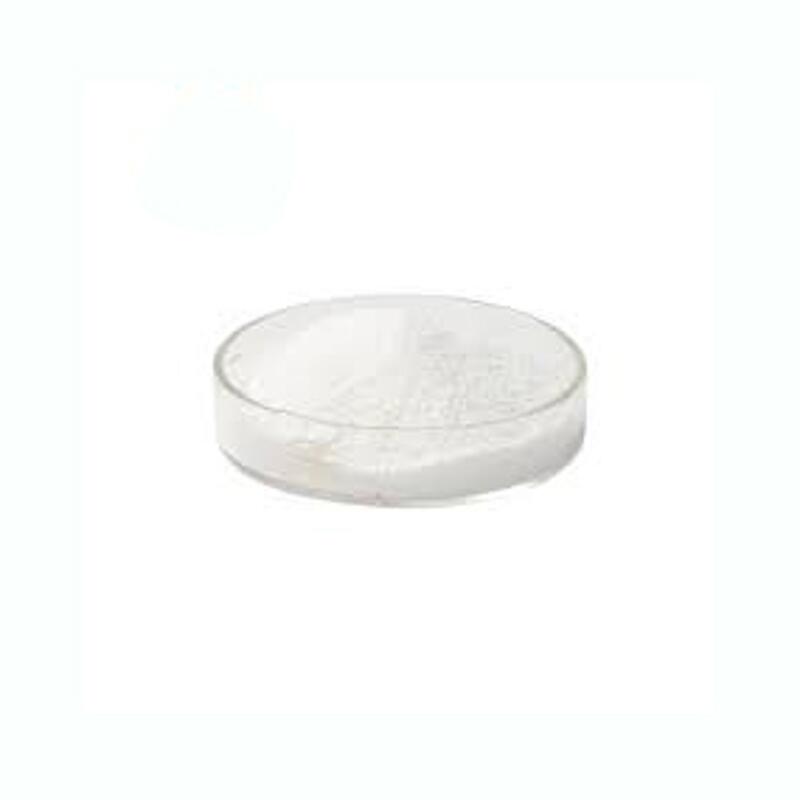
Most Professional Factory Supply High Qulity Magnolol CAS 528-43-8 buy - large image1
Most Professional Factory Supply High Qulity Magnolol CAS 528-43-8 buy - image1
Most Professional Factory Supply High Qulity Magnolol CAS 528-43-8 buy - image2
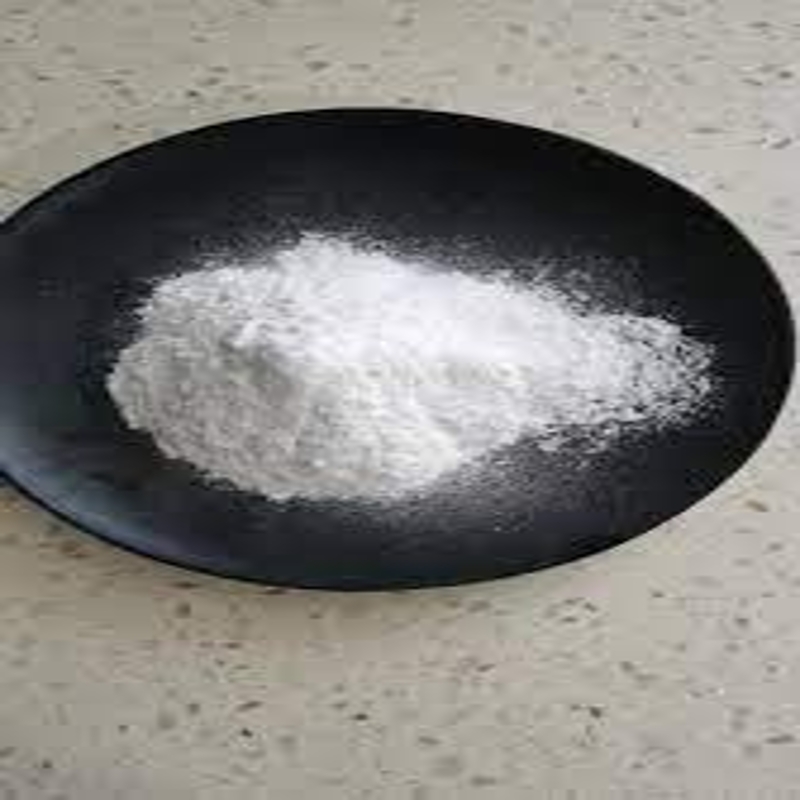
Most Professional Factory Supply High Qulity Magnolol CAS 528-43-8 buy - image3
Most Professional Factory Supply High Qulity Magnolol CAS 528-43-8 buy - image4
Most Professional Factory Supply High Qulity Magnolol CAS 528-43-8 buy - image5

Most Professional Factory Supply High Qulity Magnolol CAS 528-43-8

1 Inquiries

Unit Price: Get Latest Price
CAS No.:

528-43-8

Grade:

Pharmaceutical Grade

Content:

99%

Port:

Durban

Brand:

Custom

Packaging:

As per customer requirement

Price valid (until):

2024-05-21

Company Type:
Distributor
Location:
South Africa
Qualification:
Main Products:

Sodium Lauryl Ether Sulfate,Caustic Soda,Soda Ash,Citric Acid,Calcium Hypochlorite,Oxalic Acid

  • Product Description

  • Seller Information

  • Inquiry History

  • Description


      Product Detail  


                                                    1. Introduction to Magnolol (528-43-8): Magnolol (528-43-8) is a bioactive compound derived from the bark and cones of the Magnolia officinalis and Magnolia obovata trees. It is renowned for its pharmacological properties and traditional medicinal uses in various cultures.

                                                    2. Chemical Structure of Magnolol (528-43-8): Magnolol (528-43-8) is a biphenolic compound with a hydroxyl group attached to each phenyl ring. Its chemical structure contributes to its antioxidant, anti-inflammatory, and neuroprotective activities, among other biological effects.

                                                    3. Natural Sources of Magnolol (528-43-8): Magnolol (528-43-8) is primarily obtained from the bark of Magnolia species, where it serves as a secondary metabolite with protective functions against environmental stressors such as pathogens and herbivores.

                                                    4. Traditional Medicinal Uses of Magnolol (528-43-8): In traditional medicine systems like Traditional Chinese Medicine (TCM), magnolol (528-43-8) has been used to alleviate various ailments, including gastrointestinal disorders, anxiety, and inflammation.

                                                    5. Pharmacological Properties of Magnolol (528-43-8): Magnolol (528-43-8) exhibits a wide range of pharmacological properties, including antioxidant, anti-inflammatory, antimicrobial, anticancer, and neuroprotective effects. These properties make it a promising candidate for therapeutic applications.

                                                    6. Mechanisms of Action of Magnolol (528-43-8): The biological activities of magnolol (528-43-8) are attributed to its ability to modulate various molecular pathways, including inhibition of pro-inflammatory mediators, scavenging of free radicals, and regulation of cell signaling pathways.

                                                    7. Antioxidant Activity of Magnolol (528-43-8): Magnolol (528-43-8) exhibits potent antioxidant activity by neutralizing reactive oxygen species (ROS) and protecting cells from oxidative damage. Its antioxidant properties contribute to its cytoprotective effects and potential health benefits.

                                                    8. Anti-inflammatory Effects of Magnolol (528-43-8): Magnolol (528-43-8) possesses significant anti-inflammatory properties, which inhibit the production of inflammatory cytokines and enzymes involved in the inflammatory response. This makes it a valuable compound for managing inflammatory conditions.

                                                    9. Antimicrobial Properties of Magnolol (528-43-8): Magnolol (528-43-8) demonstrates antimicrobial activity against a wide range of pathogens, including bacteria, fungi, and viruses. Its antimicrobial effects make it a promising natural alternative for combating infectious diseases.

                                                    10. Neuroprotective Potential of Magnolol (528-43-8): Magnolol (528-43-8) exerts neuroprotective effects by modulating neurotransmitter levels, reducing neuroinflammation, and promoting neuronal survival and synaptic plasticity. These properties hold promise for the treatment of neurodegenerative disorders.

                                                    11. Cardioprotective Effects of Magnolol (528-43-8): Magnolol (528-43-8) has been investigated for its potential cardioprotective effects, including the regulation of blood pressure, inhibition of platelet aggregation, and improvement of vascular function. These cardiovascular benefits support its use in heart health.

                                                    12. Clinical Research on Magnolol (528-43-8): Clinical studies exploring the therapeutic efficacy and safety of magnolol (528-43-8) in human subjects are ongoing. These studies aim to validate its traditional uses and uncover new applications in modern medicine.

                                                    13. Formulation Considerations for Magnolol (528-43-8): Formulation techniques such as encapsulation and nanoformulation enhance the stability, bioavailability, and targeted delivery of magnolol (528-43-8) in pharmaceutical and nutraceutical products.

                                                    14. Safety Profile of Magnolol (528-43-8): Magnolol (528-43-8) is generally regarded as safe when used at appropriate doses. However, like any bioactive compound, it may cause adverse effects in certain individuals, emphasizing the importance of dosage control and monitoring.

                                                    15. Future Directions in Magnolol (528-43-8) Research: Continued research on magnolol (528-43-8) focuses on elucidating its molecular mechanisms, exploring novel therapeutic applications, and optimizing its formulation for enhanced bioactivity and clinical efficacy. Collaboration between multidisciplinary research teams drives innovation and advances our understanding of this valuable natural compound.

    Items Specifications
    Chemical Structure Magnolol is a natural organic compound classified as a lignan, characterized by its biphenolic structure.
    Molecular Formula C₁₈H₁₈O₂
    IUPAC Name 5,5'-Diallyl-2,2'-dihydroxybiphenyl-2,2'-dicarboxylate
    Synonyms 5,5'-Diallyl-2,2'-biphenyldiol; Magnolia cone factor; Bis-allyl biphenol
    Chemical Class Lignan
    Solubility Sparingly soluble in water, soluble in organic solvents like ethanol, methanol, and acetone.
    Source Originally isolated from the bark of the Magnolia tree (Magnolia officinalis) and other related species.
    Biological Role Exhibits various pharmacological activities, including anti-inflammatory, antioxidant, and neuroprotective effects.
    Health Benefits Investigated for potential applications in the treatment of anxiety, depression, and other mood disorders.
    Metabolism Metabolized in the liver and excreted mainly through urine and feces.
    Dietary Sources Found in traditional Chinese medicine preparations using Magnolia bark extracts.
    Pharmacological Use Studied for its potential therapeutic effects in cancer, cardiovascular diseases, and metabolic disorders.
    Bioavailability Limited by factors such as low water solubility and first-pass metabolism.
    Structural Isomers Exists as a single compound without structural isomers.
    Research Areas Active area of research in pharmacology and medicinal chemistry for its diverse biological activities.
    Industrial Uses Utilized in the development of nutraceuticals, dietary supplements, and herbal remedies.


      Product Detail  


    Shop Most Professional Factory Supply High Qulity Magnolol CAS 528-43-8-Detailed Image 1Shop Most Professional Factory Supply High Qulity Magnolol CAS 528-43-8-Detailed Image 2Shop Most Professional Factory Supply High Qulity Magnolol CAS 528-43-8-Detailed Image 3

    Basic Info
    Product Name:

    Magnolol

    Other Name:

    [1,1′-Biphenyl]-2,2′-diol,5,5′-di-2-propen-1-yl-;2,2′-Bichavicol;2,2′-Biphenyldiol,5,5′-diallyl-;[1,1′-Biphenyl]-2,2′-diol,5,5′-di-2-propenyl-;5,5′-Di-2-propen-1-yl[1,1′-biphenyl]-2,2′-diol;Magnolol;5,5′-Diallyl-2,2′-biphenyldiol;NSC 293099;2-(2-Hydroxy-5-prop-2-enylphenyl)-4-prop-2-enylphenol

    CAS No.:

    528-43-8

    Molecular Formula:

    C18H18O2

    InChIKeys:

    InChIKey=VVOAZFWZEDHOOU-UHFFFAOYSA-N

    Molecular Weight:

    266.34

    Exact Mass:

    266.33

    UNII:

    001E35HGVF

    NSC Number:

    293099

    DSSTox ID:

    DTXSID0044076

    HScode:

    2907299090

    Characteristics
    PSA:

    40.5

    XLogP3:

    5

    Appearance:

    White powder; Bitter aroma

    Density:

    1.1±0.1 g/cm3

    Melting Point:

    103 °C

    Boiling Point:

    178-180 °C @ Press: 1 Torr

    Flash Point:

    184.5±21.9 °C

    Refractive Index:

    1.602

    Water Solubility:

    In water, 1.24 mg/L at 25 deg C (est)

    Storage Conditions:

    2-8°C

    Vapor Pressure:

    4.37X10⁻⁷ mm Hg at 25 deg C (est)

    Toxicity:

    LD50 orl-mus: 2200 mg/kg BRXXAA #5135746

    Henrys Law Constant:

    Henry's Law constant = 9.41X10⁻¹² atm-cu m/mol at 25 °C (est)

    Experimental Properties:

    Hydroxyl radical reaction rate constant = 1.12X10⁻¹⁰ cu cm/molec-sec at 25 °C (est)|Ozone radical reaction rate constant = 2.4X10⁻¹⁷ cu cm/molec-sec at 25 °C (est)

    Hazard Identification

    Classification of the substance or mixture

    Skin irritation, Category 2

    Serious eye damage, Category 1

    Specific target organ toxicity – single exposure, Category 3

    Hazardous to the aquatic environment, long-term (Chronic) - Category Chronic 2

    GHS label elements, including precautionary statements

    Pictogram(s)

    Signal word

    Danger

    Hazard statement(s)

    H315 Causes skin irritation

    H318 Causes serious eye damage

    H335 May cause respiratory irritation

    H411 Toxic to aquatic life with long lasting effects

    Precautionary statement(s)
    Prevention

    P264 Wash ... thoroughly after handling.

    P280 Wear protective gloves/protective clothing/eye protection/face protection/hearing protection/...

    P261 Avoid breathing dust/fume/gas/mist/vapours/spray.

    P271 Use only outdoors or in a well-ventilated area.

    P273 Avoid release to the environment.

    Response

    P302+P352 IF ON SKIN: Wash with plenty of water/...

    P321 Specific treatment (see ... on this label).

    P332+P317 If skin irritation occurs: Get medical help.

    P362+P364 Take off contaminated clothing and wash it before reuse.

    P305+P354+P338 IF IN EYES: Immediately rinse with water for several minutes. Remove contact lenses, if present and easy to do. Continue rinsing.

    P317 Get medical help.

    P304+P340 IF INHALED: Remove person to fresh air and keep comfortable for breathing.

    P319 Get medical help if you feel unwell.

    P391 Collect spillage.

    Storage

    P403+P233 Store in a well-ventilated place. Keep container tightly closed.

    P405 Store locked up.

    Disposal

    P501 Dispose of contents/container to an appropriate treatment and disposal facility in accordance with applicable laws and regulations, and product characteristics at time of disposal.

    Other hazards which do not result in classification

    no data available

    Handling and Storage

    Precautions for safe handling

    Handling in a well ventilated place. Wear suitable protective clothing. Avoid contact with skin and eyes. Avoid formation of dust and aerosols. Use non-sparking tools. Prevent fire caused by electrostatic discharge steam.

    Conditions for safe storage, including any incompatibilities

    Store the container tightly closed in a dry, cool and well-ventilated place. Store apart from foodstuff containers or incompatible materials.

  • Seller Information
    Business Type:

    Distributor

    Main Products:

    Sodium Lauryl Ether Sulfate,Caustic Soda,Soda Ash,Citric Acid,Calcium Hypochlorite,Oxalic Acid

    Location:

    13 PROTEA PARK MILKWOOD STREET RANGEVIEW GAUTENG 1739

    Payment Terms:

    TT against copy of documents,TT against B/L draft before shipment

    Average lead Time:

    60

    Total Annual Revenue:

    $1 million-$2.5 million

    Total Employees:

    11-50

    Year of Establishment:

    2012

  • Inquiry History
    1 Inquiries
    Country Product Purchase Quantity Date Posted
    Mexico

    magnolol 98% white powder magnolol Staherb

    100 KG Nov 14, 2023
    Post an enquiry for this product
pic ×

Scan the QR Code to Share

All products displayed on this website are only for non-medical purposes such as industrial applications or scientific research, and cannot be used for clinical diagnosis or treatment of humans or animals. They are not medicinal or edible.

According to relevant laws and regulations and the regulations of this website, units or individuals who purchase hazardous materials should obtain valid qualifications and qualification conditions.

The information shown above is provided by the enterprise itself, and the authenticity, accuracy and legitimacy of the content are the responsibility of the publishing company. ECHEMI does not bear any guarantee responsibility for this. Please be aware that risks in internet transactions objectively exist.

Feedback & Suggestions
Send Message

Thank you for your feedback. If you require further assistance, please contact us by email at info@echemi.com or call us at +86-532-55729510.