Tirzepatide is a once-weekly dual agonist of glucose-dependent insulinotropic polypeptide (GIP, aka: gastric inhibitory polypeptide) receptor and glucagon-like peptide-1 (GLP-1) receptor developed by Eli Lilly. ChemicalbookGIP and GLP-1 are both hormones secreted by the intestine and can promote insulin secretion. Tirzepatide integrates the action of 2 insulinotropic products into a single molecule and represents a new class of drugs for the treatment of type 2 diabetes.
Tirzepatide has a similar sequence to semaglutide, and the lys side chain in the sequence is modified with PEG, which is a functional group of the polypeptide, and can increase the water solubility of the sequence. The main physiological function of TirzepaChemicalbooktide is a glucose-dependent insulin nutritional polypeptide (GIP) and glucagon-like peptide-1 (GLP-1) receptor dual agonist, which is being developed for the treatment of type 2 diabetes and has entered the clinical stage.
Tirzepatide is a potential new drug for the treatment of type II diabetes, and this article will describe the progress of scientists' research on its efficacy. The results showed that Tirzepatide showed significant improvements in glycemic control and body weight, without increasing the risk of hypoglycemia.
Recently, the U.S. FDA announced that it has approved Tirzepatide (tirzepatide) developed by Eli Lilly and Company for improving blood sugar control in adults with type 2 diabetes. MounChemicalbookjaro is the first glucose-dependent dual agonist of insulinotropic polypeptide (GIP) and glucagon-like peptide-1 (GLP-1) receptors. Tirzepatide passes once a week
A previous phase 3 clinical trial showed an average weight loss of up to 22.5% (24 kg) in the 15 mg dose group after 72 weeks of tirpatide treatment. This is the first investigational drug to achieve an average weight loss of more than 20% in a Phase 3 clinical trial, and it is the best weight loss drug to date.
On June 5, 2023, researchers from Duke University, the German Diabetes Research Center, and Eli Lilly collaborated to publish a paper titled: The incretin co-agonist tirzepatide requires GIPR for hormone secretion from human islets in Nature Metabolism.
The study is the first to use human donor cells to demonstrate that tirpatide is indeed a dual GIP receptor and GLP-1 receptor agonist, rather than just a super GLP-1 receptor agonist. The study also demonstrated that tirpatide activation of GIP receptors is indispensable for its stimulation of insulin secretion.
According to the paper's corresponding author, Professor Jonathan Campbell of Duke University School of Medicine, understanding the multiple targeted mechanisms of action of tirpatide opens up a whole new world of developing better drugs for weight loss and diabetes.
Tirzepatide is composed of 17 kinds of 39 amino acids (including 37 coding amino acids and 2 non-coding amino acids), these 17 amino acids are tyrosine, α-aminoisobutyric acid, glutamic acid, glycine, threonine, phenylalanine, serine, aspartic acid, isoleucine, leucine, lysine, alanine, glutamine, valine, tryptophan, asparagine, proline. Tirpatide contains a side chain similar to that found in the semaglu structure, which consists of a C20 aliphatic acid through glutamic acid and a dimer of 2-(2-(2-aminoethoxy)ethoxy)acetic acid, attached to the lysine residue of the side chain.
The Chinese guidelines for the prevention and treatment of type 2 diabetes mellitus (2017 edition) mentioned that the results of a number of clinical studies have shown that the addition of GLP-1 receptor agonists after the failure of an oral hypoglycemic drug (metformin, sulfonylureas) can obtain effective glucose control.
In the 2019 diabetes diagnosis and treatment standards released by the American Diabetes Association (ADA), GLP-1 receptor agonists are the first to be recommended for most patients with type 2 diabetes who need more effective injection treatment, followed by insulin.
The most common adverse reactions of GLP-1 receptor agonists are gastrointestinal reactions, including nausea, vomiting, diarrhea, abdominal pain, etc., and gastrointestinal reactions are dose-dependent. Therefore, to reduce the response, it is recommended to start with a small dose and gradually increase the dose.
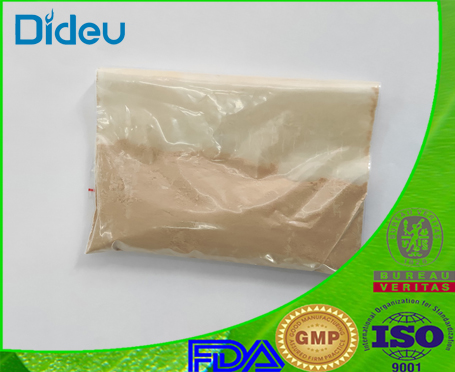
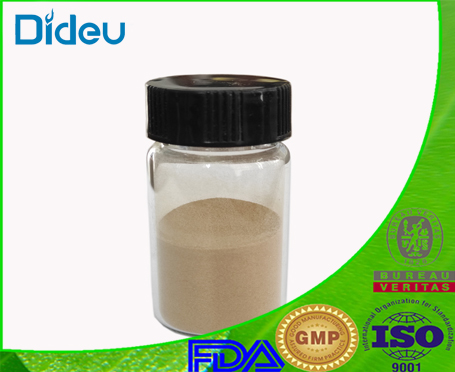
Our normal packaging is 10mg/Vial and 15mg/Vial.
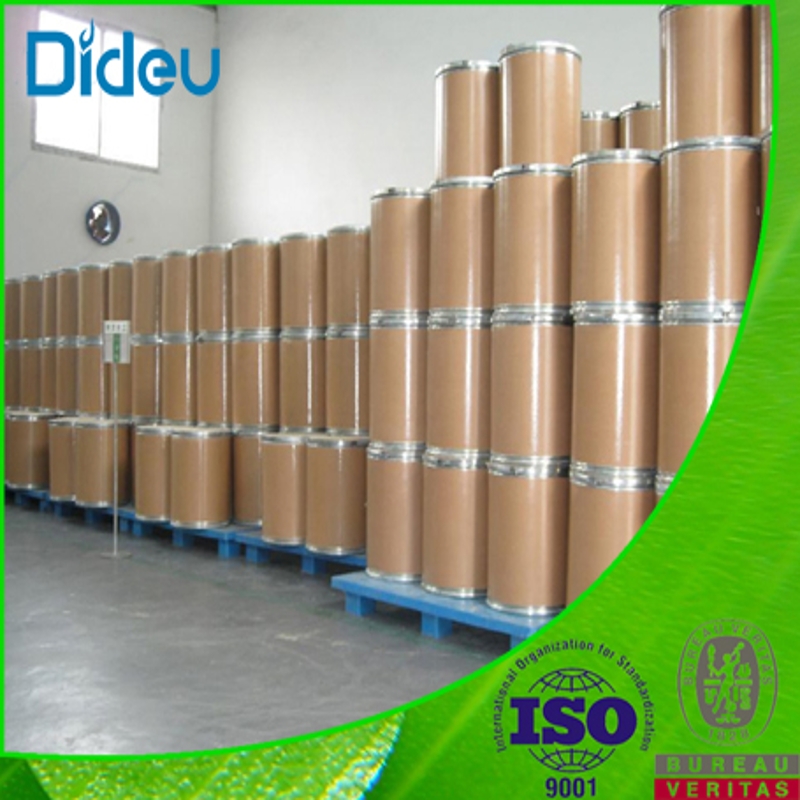
The packaging can be customized. the shipping term can be shipped by DHL, FEDEX, EMS and TNT.
Tirzepatide is a potential new drug for the treatment of type II diabetes, and this article will describe the progress of scientists' research on its efficacy. The results showed that Tirzepatide showed significant improvements in glycemic control and body weight, without increasing the risk of hypoglycemia.
Recently, the U.S. FDA announced that it has approved Tirzepatide (tirzepatide) developed by Eli Lilly and Company for improving blood sugar control in adults with type 2 diabetes. MounChemicalbookjaro is the first glucose-dependent dual agonist of insulinotropic polypeptide (GIP) and glucagon-like peptide-1 (GLP-1) receptors. Tirzepatide passes once a week
A previous phase 3 clinical trial showed an average weight loss of up to 22.5% (24 kg) in the 15 mg dose group after 72 weeks of tirpatide treatment. This is the first investigational drug to achieve an average weight loss of more than 20% in a Phase 3 clinical trial, and it is the best weight loss drug to date.
On June 5, 2023, researchers from Duke University, the German Diabetes Research Center, and Eli Lilly collaborated to publish a paper titled: The incretin co-agonist tirzepatide requires GIPR for hormone secretion from human islets in Nature Metabolism.
The study is the first to use human donor cells to demonstrate that tirpatide is indeed a dual GIP receptor and GLP-1 receptor agonist, rather than just a super GLP-1 receptor agonist. The study also demonstrated that tirpatide activation of GIP receptors is indispensable for its stimulation of insulin secretion.
According to the paper's corresponding author, Professor Jonathan Campbell of Duke University School of Medicine, understanding the multiple targeted mechanisms of action of tirpatide opens up a whole new world of developing better drugs for weight loss and diabetes.
The Chinese guidelines for the prevention and treatment of type 2 diabetes mellitus (2017 edition) mentioned that the results of a number of clinical studies have shown that the addition of GLP-1 receptor agonists after the failure of an oral hypoglycemic drug (metformin, sulfonylureas) can obtain effective glucose control.
In the 2019 diabetes diagnosis and treatment standards released by the American Diabetes Association (ADA), GLP-1 receptor agonists are the first to be recommended for most patients with type 2 diabetes who need more effective injection treatment, followed by insulin.
The most common adverse reactions of GLP-1 receptor agonists are gastrointestinal reactions, including nausea, vomiting, diarrhea, abdominal pain, etc., and gastrointestinal reactions are dose-dependent. Therefore, to reduce the response, it is recommended to start with a small dose and gradually increase the dose.