Product
Supplier
Encyclopedia
Inquiry
Home > Biochemical Engineering > Chinese Herbs > Berberine for Sale > Berberine Powder Raw Material 99% Powder CAS 2086-83-1 Berberine Powder Raw Material
Berberine Powder Raw Material 99% Powder CAS 2086-83-1 Berberine Powder Raw Material buy - large image1
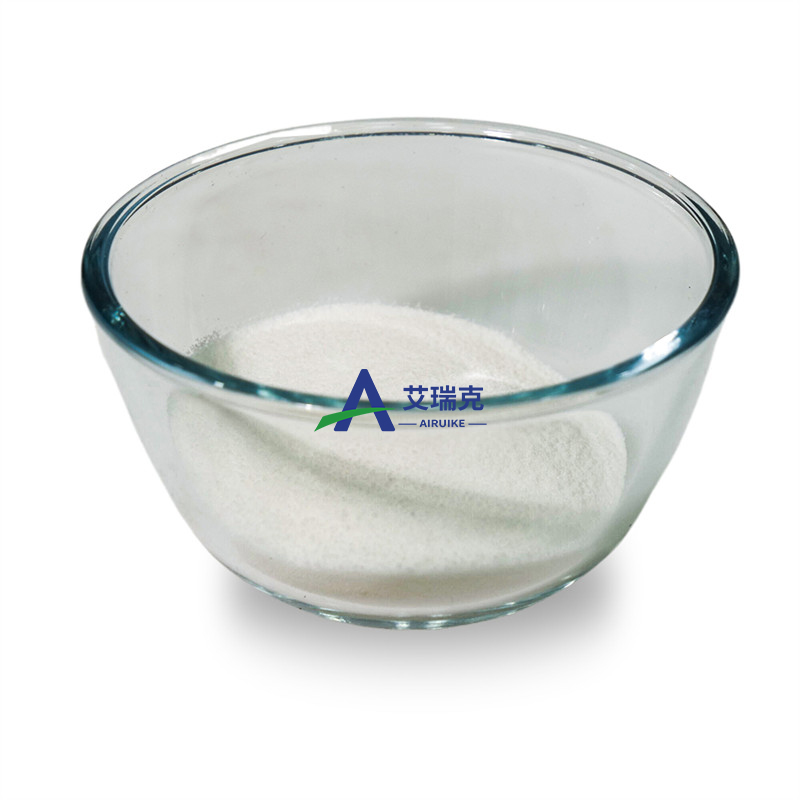
Berberine Powder Raw Material 99% Powder CAS 2086-83-1 Berberine Powder Raw Material buy - image1
Berberine Powder Raw Material 99% Powder CAS 2086-83-1 Berberine Powder Raw Material buy - image2
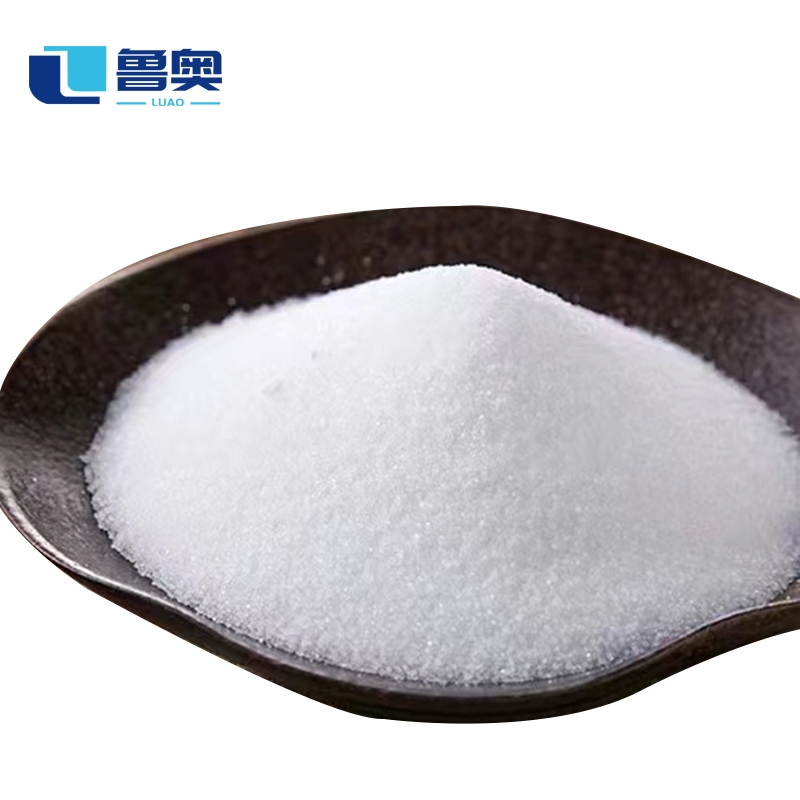
Berberine Powder Raw Material 99% Powder CAS 2086-83-1 Berberine Powder Raw Material buy - image3
Berberine Powder Raw Material 99% Powder CAS 2086-83-1 Berberine Powder Raw Material buy - image4
Berberine Powder Raw Material 99% Powder CAS 2086-83-1 Berberine Powder Raw Material buy - image5
Berberine Powder Raw Material 99% Powder CAS 2086-83-1 Berberine Powder Raw Material buy - image6

Berberine Powder Raw Material 99% Powder CAS 2086-83-1 Berberine Powder Raw Material

7 Inquiries

Unit Price: Get Latest Price
CAS No.:

2086-83-1

Grade:

Industrial Grade

Content:

99%

Port:

Durban

Brand:

Custom

Packaging:

As per customer requirement

Price valid (until):

2024-05-30

Company Type:
Distributor
Location:
South Africa
Qualification:
Main Products:

Sodium Lauryl Ether Sulfate,Caustic Soda,Soda Ash,Citric Acid,Calcium Hypochlorite,Oxalic Acid

  • Product Description

  • Seller Information

  • Inquiry History

  • Description


      Product Detail  


                                                                                      1. Title: Berberine (2086-83-1): Pharmacological Properties, Mechanisms of Action, and Therapeutic Applications

                                                                                        1. Introduction to Berberine (2086-83-1)

                                                                                          • Berberine is a bioactive alkaloid compound derived from various plants, including Berberis species, known for its diverse pharmacological properties and therapeutic potential.
                                                                                          • This review explores the pharmacological properties, mechanisms of action, and therapeutic applications of berberine.
                                                                                        2. Chemical Structure and Sources

                                                                                          • Berberine belongs to the isoquinoline alkaloid group and is characterized by a tetracyclic structure with isoquinoline and benzene rings.
                                                                                          • It is found in the roots, rhizomes, and bark of various plants, including Berberis vulgaris (barberry), Coptis chinensis (goldthread), and Hydrastis canadensis (goldenseal).
                                                                                        3. Pharmacological Properties

                                                                                          • Berberine exhibits a wide range of pharmacological activities, including anti-microbial, anti-inflammatory, anti-diabetic, anti-hyperlipidemic, and anti-cancer effects.
                                                                                          • Its multifaceted biological properties make it a promising candidate for the prevention and treatment of various diseases and disorders.
                                                                                        4. Anti-Microbial Activity

                                                                                          • Berberine possesses potent anti-microbial activity against bacteria, fungi, viruses, and parasites.
                                                                                          • It inhibits the growth and proliferation of pathogenic microorganisms by disrupting their cell membrane integrity, inhibiting nucleic acid synthesis, and interfering with their metabolic processes.
                                                                                        5. Anti-Inflammatory Effects

                                                                                          • Berberine exerts anti-inflammatory effects by suppressing the production of pro-inflammatory cytokines, such as TNF-α, IL-1β, and IL-6.
                                                                                          • It inhibits the activation of NF-κB and MAPK signaling pathways, attenuating inflammation in various tissues and organs.
                                                                                        6. Anti-Diabetic Properties

                                                                                          • Berberine demonstrates anti-diabetic effects by improving insulin sensitivity, enhancing glucose uptake, and reducing blood glucose levels.
                                                                                          • It activates AMP-activated protein kinase (AMPK) and stimulates glucose metabolism, leading to increased insulin sensitivity and glucose uptake in skeletal muscle and adipose tissue.
                                                                                        7. Anti-Hyperlipidemic Effects

                                                                                          • Berberine exhibits anti-hyperlipidemic effects by reducing serum cholesterol, triglyceride, and LDL cholesterol levels and increasing HDL cholesterol levels.
                                                                                          • It inhibits cholesterol synthesis, enhances LDL receptor expression, and promotes cholesterol excretion, contributing to its lipid-lowering effects.
                                                                                        8. Anti-Cancer Activity

                                                                                          • Berberine shows anti-cancer activity against various types of cancers, including breast, prostate, colon, and lung cancers.
                                                                                          • It inhibits tumor cell proliferation, induces apoptosis, arrests cell cycle progression, and suppresses angiogenesis and metastasis, making it a potential candidate for cancer therapy.
                                                                                        9. Cardioprotective Effects

                                                                                          • Berberine confers cardioprotective effects by improving cardiac function, reducing myocardial injury, and ameliorating cardiac remodeling.
                                                                                          • It regulates lipid metabolism, reduces oxidative stress, and inhibits inflammatory responses in the cardiovascular system, protecting against atherosclerosis, hypertension, and heart failure.
                                                                                        10. Conclusion: Therapeutic Applications of Berberine

                                                                                          • Berberine, a natural alkaloid compound abundant in medicinal plants, exhibits diverse pharmacological properties with therapeutic implications for the prevention and treatment of infectious diseases, inflammatory disorders, metabolic syndromes, cardiovascular diseases, and cancers.
                                                                                          • Further research is warranted to elucidate its mechanisms of action, optimize its pharmacokinetic properties, and evaluate its efficacy and safety in clinical trials for the development of novel therapeutic agents.


      Specifications  


    Items Specifications
    CAS Number 2086-83-1
    Chemical Formula C20H18NO4
    Molecular Weight Approximately 336.36 g/mol
    Appearance Yellow crystalline powder
    Purity ≥ 98%
    Melting Point 145-146°C
    Boiling Point Not applicable
    Density 1.22 g/cm³
    Solubility Soluble in hot water, methanol, ethanol
    Storage Store in a cool, dry place away from light and moisture
    Stability Stable under normal conditions
    Odor Odorless
    Applications Used in traditional medicine for its antimicrobial, anti-inflammatory, and antidiabetic properties; also used in dietary supplements


      Product Pictures


    Shop Berberine Powder Raw Material 99% Powder CAS 2086-83-1 Berberine Powder Raw Material-Detailed Image 1Shop Berberine Powder Raw Material 99% Powder CAS 2086-83-1 Berberine Powder Raw Material-Detailed Image 2Shop Berberine Powder Raw Material 99% Powder CAS 2086-83-1 Berberine Powder Raw Material-Detailed Image 3Shop Berberine Powder Raw Material 99% Powder CAS 2086-83-1 Berberine Powder Raw Material-Detailed Image 4Shop Berberine Powder Raw Material 99% Powder CAS 2086-83-1 Berberine Powder Raw Material-Detailed Image 5Shop Berberine Powder Raw Material 99% Powder CAS 2086-83-1 Berberine Powder Raw Material-Detailed Image 6

    ECHEMI Editorial Reference
    Berberine is a natural alkaline, reduces apoptosis, with potent anti-oxidative and anti-inflammatory effect[1].
    Solid
    Berberine is an organic heteropentacyclic compound, an alkaloid antibiotic, a botanical anti-fungal agent and a berberine alkaloid. It has a role as an antilipemic drug, a hypoglycemic agent, an antioxidant, a potassium channel blocker, an antineoplastic agent, an EC 1.1.1.21 (aldehyde reductase) inhibitor, an EC 1.1.1.141 [15-hydroxyprostaglandin dehydrogenase (NAD(+))] inhibitor, an EC 1.13.11.52 (indoleamine 2,3-dioxygenase) inhibitor, an EC 1.21.3.3 (reticuline oxidase) inhibitor, an EC 2.1.1.116 [3'-hydroxy-N-methyl-(S)-coclaurine 4'-O-methyltransferase] inhibitor, an EC 3.1.1.4 (phospholipase A2) inhibitor, an EC 3.4.21.26 (prolyl oligopeptidase) inhibitor, an EC 3.4.14.5 (dipeptidyl-peptidase IV) inhibitor, an EC 3.1.3.48 (protein-tyrosine-phosphatase) inhibitor, an EC 3.1.1.7 (acetylcholinesterase) inhibitor, an EC 3.1.1.8 (cholinesterase) inhibitor, an EC 2.7.11.10 (IkappaB kinase) inhibitor, an EC 2.1.1.122 [(S)-tetrahydroprotoberberine N-methyltransferase] inhibitor, a geroprotector and a metabolite.|An alkaloid from Hydrastis canadensis L., Berberidaceae. It is also found in many other plants. It is relatively toxic parenterally, but has been used orally for various parasitic and fungal infections and as antidiarrheal.|Berberine is a quaternary ammonia compound found in many botanical products, including goldenseal, barberry and Oregon grape, which is used for its purported antioxidant and antimicrobial properties for a host of conditions, including obesity, diabetes, hyperlipidemia, heart failure, H. pylori infection and colonic adenoma prevention. Berberine has not been linked to serum aminotransferase elevations during therapy nor to instances of clinically apparent liver injury.|Berberine is a quaternary ammonium salt of an isoquinoline alkaloid and active component of various Chinese herbs, with potential antineoplastic, radiosensitizing, anti-inflammatory, anti-lipidemic and antidiabetic activities. Although the mechanisms of action through which berberine exerts its effects are not yet fully elucidated, upon administration this agent appears to suppress the activation of various proteins and/or modulate the expression of a variety of genes involved in tumorigenesis and inflammation, including, but not limited to transcription factor nuclear factor-kappa B (NF-kB), myeloid cell leukemia 1 (Mcl-1), B-cell lymphoma 2 (Bcl-2), B-cell lymphoma-extra large (Bcl-xl), cyclooxygenase (COX)-2, tumor necrosis factor (TNF), interleukin (IL)-6, IL-12, inducible nitric oxide synthase (iNOS), intercellular adhesion molecule-1 (ICAM-1), E-selectin, monocyte chemoattractant protein-1 (MCP-1), C-X-C motif chemokine 2 (CXCL2), cyclin D1, activator protein (AP-1), hypoxia-inducible factor 1 (HIF-1), signal transducer and activator of transcription 3 (STAT3), peroxisome proliferator-activated receptor (PPAR), arylamine N-acetyltransferase (NAT), and DNA topoisomerase I and II. The modulation of gene expression may induce cell cycle arrest and apoptosis, and inhibit cancer cell proliferation. In addition, berberine modulates lipid and glucose metabolism.

    Basic Info
    Product Name:

    Berberine

    Other Name:

    Benzo[g]-1,3-benzodioxolo[5,6-a]quinolizinium,5,6-dihydro-9,10-dimethoxy-;Umbellatine;Berbinium,7,8,13,13a-tetradehydro-9,10-dimethoxy-2,3-(methylenedioxy)-;5,6-Dihydro-9,10-dimethoxybenzo[g]-1,3-benzodioxolo[5,6-a]quinolizinium;Berberine;Berbericine;Berberin;Umbellatin;Thalsine;Majarine;Berberone;100414-97-9;1361-59-7;11048-54-7;66414-49-1

    CAS No.:

    2086-83-1

    Molecular Formula:

    C20H18NO4

    InChIKeys:

    InChIKey=YBHILYKTIRIUTE-UHFFFAOYSA-N

    Molecular Weight:

    336.36100

    Exact Mass:

    336.12400

    EC Number:

    218-229-1

    UNII:

    0I8Y3P32UF

    DSSTox ID:

    DTXSID9043857

    NCI Thesaurus Code:

    C83551

    HScode:

    2934999090

    Categories:

    Chinese Herbs

    Characteristics
    PSA:

    40.80000

    XLogP3:

    3.6

    Appearance:

    Solid

    Density:

    1.2976 (rough estimate)

    Melting Point:

    145 °C

    Water Solubility:

    43.48g/L(25 ºC)

    Toxicity:

    LD50 orl-mus: 329 mg/kg YKKZAJ 82,726,62

    Hazard Identification

    Classification of the substance or mixture

    no data available

    GHS label elements, including precautionary statements

    Pictogram(s) no data available
    Signal word

    no data available

    Hazard statement(s)

    no data available

    Precautionary statement(s)
    Prevention

    no data available

    Response

    no data available

    Storage

    no data available

    Disposal

    no data available

    Other hazards which do not result in classification

    no data available

    Handling and Storage

    Precautions for safe handling

    Handling in a well ventilated place. Wear suitable protective clothing. Avoid contact with skin and eyes. Avoid formation of dust and aerosols. Use non-sparking tools. Prevent fire caused by electrostatic discharge steam.

    Conditions for safe storage, including any incompatibilities

    Store the container tightly closed in a dry, cool and well-ventilated place. Store apart from foodstuff containers or incompatible materials.

  • Seller Information
    Business Type:

    Distributor

    Main Products:

    Sodium Lauryl Ether Sulfate,Caustic Soda,Soda Ash,Citric Acid,Calcium Hypochlorite,Oxalic Acid

    Location:

    13 PROTEA PARK MILKWOOD STREET RANGEVIEW GAUTENG 1739

    Payment Terms:

    TT against copy of documents,TT against B/L draft before shipment

    Average lead Time:

    60

    Total Annual Revenue:

    $1 million-$2.5 million

    Total Employees:

    11-50

    Year of Establishment:

    2012

  • Inquiry History
    7 Inquiries
    Country Product Purchase Quantity Date Posted
    Singapore

    Berberine

    150 KG Jul 4, 2024
    Canada

    Berberine Powder

    1 MT Nov 19, 2024
    Vietnam

    berberine 95%

    20 MT Dec 4, 2023
    India

    Berberine

    20 G Nov 29, 2023
    Australia

    Berberine

    1 KG Apr 17, 2026
    Malaysia

    Berberine

    1 L Nov 20, 2023
    Thailand

    berberin-pwder

    200 G Oct 16, 2023
    Post an enquiry for this product
pic ×

Scan the QR Code to Share

All products displayed on this website are only for non-medical purposes such as industrial applications or scientific research, and cannot be used for clinical diagnosis or treatment of humans or animals. They are not medicinal or edible.

According to relevant laws and regulations and the regulations of this website, units or individuals who purchase hazardous materials should obtain valid qualifications and qualification conditions.

The information shown above is provided by the enterprise itself, and the authenticity, accuracy and legitimacy of the content are the responsibility of the publishing company. ECHEMI does not bear any guarantee responsibility for this. Please be aware that risks in internet transactions objectively exist.

Feedback & Suggestions
Send Message

Thank you for your feedback. If you require further assistance, please contact us by email at info@echemi.com or call us at +86-532-55729510.