-
-
-
-
-
-
-
Introduction to Eicosatetraenoic Acid (24880-40-8): Unraveling the Intricacies of a Polyunsaturated Fatty Acid
Eicosatetraenoic acid, bearing the Chemical Abstracts Service (CAS) number 24880-40-8, emerges as a polyunsaturated fatty acid (PUFA) with profound implications in cellular membrane structure, lipid metabolism, inflammation, and human health. This comprehensive exposition endeavors to elucidate the multifaceted facets of eicosatetraenoic acid, spanning its chemical identity, physiological roles, metabolic pathways, dietary sources, health effects, and therapeutic potentials.
Deciphering the Chemical Identity of Eicosatetraenoic Acid (24880-40-8)
At its core, eicosatetraenoic acid stands as a long-chain fatty acid comprising 20 carbon atoms and four double bonds, positioned at specific intervals along the hydrocarbon chain. Its structural configuration, characterized by the presence of multiple unsaturated bonds, not only confers unique biochemical properties upon eicosatetraenoic acid but also dictates its diverse functionalities within biological systems.
Physiological Roles: Unveiling the Biological Significance of Eicosatetraenoic Acid
Within the intricate tapestry of human physiology, eicosatetraenoic acid emerges as a pivotal regulator, modulating a myriad of physiological processes. From its role in cellular membrane structure and fluidity to its involvement in lipid metabolism, gene expression, and inflammatory signaling pathways, eicosatetraenoic acid stands as a linchpin of cellular homeostasis and systemic functionality.
Dietary Sources: Eicosatetraenoic Acid in Human Nutrition
Eicosatetraenoic acid is obtained through dietary sources rich in polyunsaturated fats, including certain fish species such as salmon, mackerel, and sardines, as well as plant-based oils like flaxseed oil and hempseed oil. Incorporating these foods into the diet ensures an adequate intake of eicosatetraenoic acid, thus supporting optimal cellular function and overall health.
Health Effects: Impact of Eicosatetraenoic Acid on Human Health
The consumption of eicosatetraenoic acid-rich foods is associated with numerous health benefits, including reduced risk of cardiovascular diseases, improved cognitive function, and modulation of inflammatory responses. Eicosatetraenoic acid exerts anti-inflammatory, anti-thrombotic, and vasodilatory effects, thus contributing to the maintenance of cardiovascular health and prevention of chronic inflammatory conditions.
Emerging Research Frontiers: Exploring Novel Insights and Interventions in Eicosatetraenoic Acid Biology
The landscape of eicosatetraenoic acid research continues to evolve, unraveling novel insights into its molecular mechanisms of action, cellular signaling pathways, and therapeutic potentials. From elucidating its roles in lipid signaling and membrane dynamics to exploring its interactions with inflammatory mediators and metabolic regulators, ongoing research endeavors promise to unveil new frontiers in eicosatetraenoic acid biology and therapeutic interventions.
Conclusion: Eicosatetraenoic Acid (24880-40-8) as a Nexus of Physiology and Nutrition
In conclusion, eicosatetraenoic acid epitomizes a nexus of physiology and nutrition, underscoring its pivotal role in cellular function, lipid metabolism, and human health. Its intricate interplay with cellular and molecular processes renders eicosatetraenoic acid a central player in the maintenance of systemic homeostasis and the prevention of chronic diseases, thus offering promise for improved health outcomes and wellness in the pursuit of optimal nutrition and dietary interventions.
| Items | Specifications |
| Chemical Formula | C20H32O2 |
| Molecular Weight | 304.47 g/mol |
| CAS Number | 24880-40-8 |
| Common Name | Arachidonic acid |
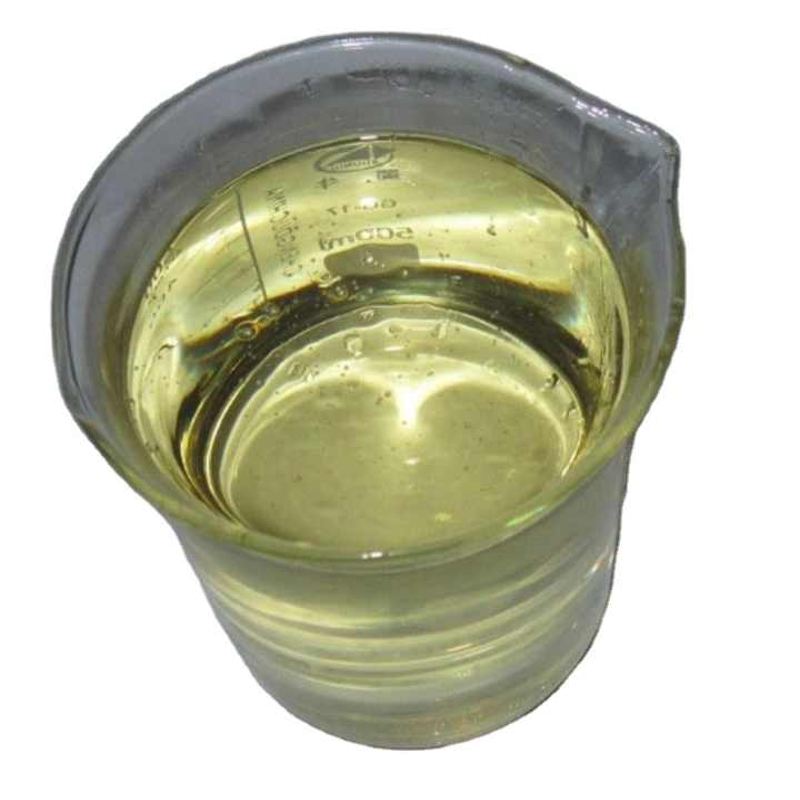
| Appearance | Colorless to pale yellow liquid |
| Solubility | Insoluble in water, soluble in organic solvents |
| Melting Point | -49 °C |
| Boiling Point | 169-171 °C |
| Odor | Faint odor |
| Hazardous Properties | None known |
| Storage Conditions | Store in a cool, dry place, protect from light |
| Stability | Stable under normal conditions |
| Synthesis | Biosynthesis in the body, derived from dietary sources |
| Biological Function | Precursor to various eicosanoids, including prostaglandins, thromboxanes, and leukotrienes |
| Clinical Significance | Implicated in inflammation, pain, and various physiological processes |
| Regulatory Status | Not regulated for research use |
Chemical FormulaC4H7NMolecular Weight69.11 g/molAppearanceColorless liquidMelting Point-112.3°CBoiling Point118-119°CDensity0.769 g/cm3SolubilityMiscible with water and most organic solventsOdorAlmond-like odorFlash Point26.1°C (closed cup)StorageStore in a cool, well-ventilated area away from incompatible materialsStabilityStable under normal conditionsPurity≥ 99%Moisture Content≤ 0.1%pHNot applicableHazardous PropertiesHighly flammable liquid, harmful if swallowed, causes skin and eye irritation
| Chemical Formula | C8H12N2 |
| CAS Number | 51-71-8 |
| Molecular Weight | 136.2 g/mol |
| Appearance | White to off-white crystalline powder |
| Odor | Odorless |
| Density | Not available |
| Melting Point | 100-104 °C |
| Boiling Point | Decomposes at >150 °C |
| Solubility | Soluble in water, ethanol, and chloroform |
| Vapor Pressure | Negligible |
| Flash Point | Not applicable |
| Autoignition Temperature | Not applicable |
| pH | Not applicable |
| Refractive Index | Not applicable |
| Hazard Class | Hazardous, Irritant |
Chemical FormulaC3H3NMolecular Weight53.06 g/molAppearanceColorless liquidMelting Point-83.6°CBoiling Point77.3°CDensity0.807 g/cm³ at 20°CSolubilityMiscible with water, soluble in organic solventspH~7 (neutral)Purity≥ 99.5%Moisture Content≤ 0.1%Acidity (as HCN)≤ 0.01%Alkalinity (as NH3)≤ 0.01%Hazard ClassHighly flammable, toxicFlash Point-14°CStorageStore in a cool, dry, well-ventilated area away from heat, sparks, and flames
ECHEMI Editorial Reference
Liquid
All-cis-8,11,14,17-icosatetraenoic acid is an icosatetraenoic acid having four cis double bonds at positions 8, 11, 14 and 17. It has a role as a fungal metabolite. It is an icosatetraenoic acid and an omega-3 fatty acid. It is a conjugate acid of an all-cis-8,11,14,17-icosatetraenoate.