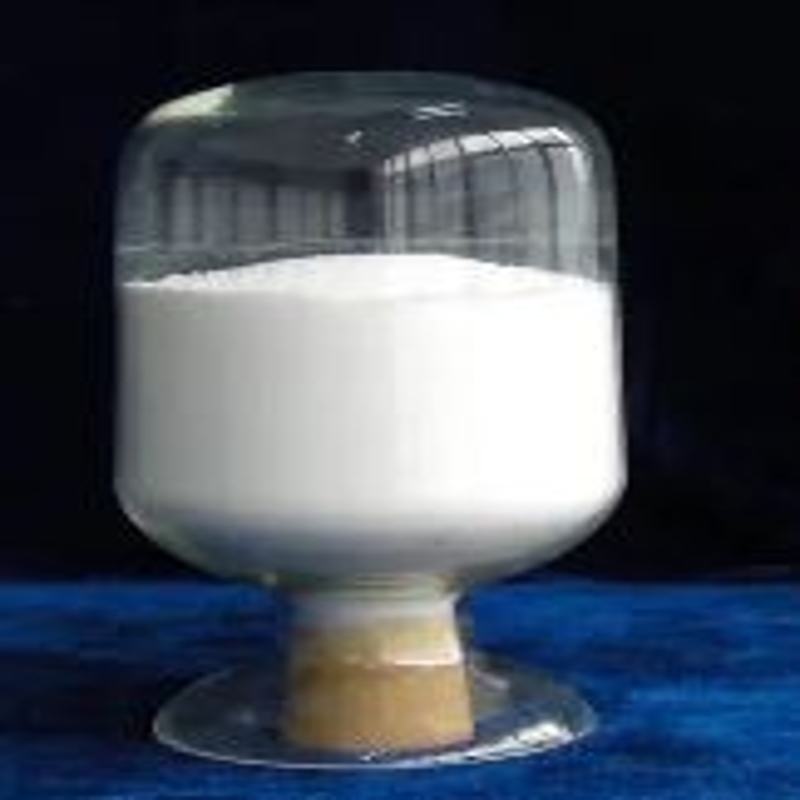
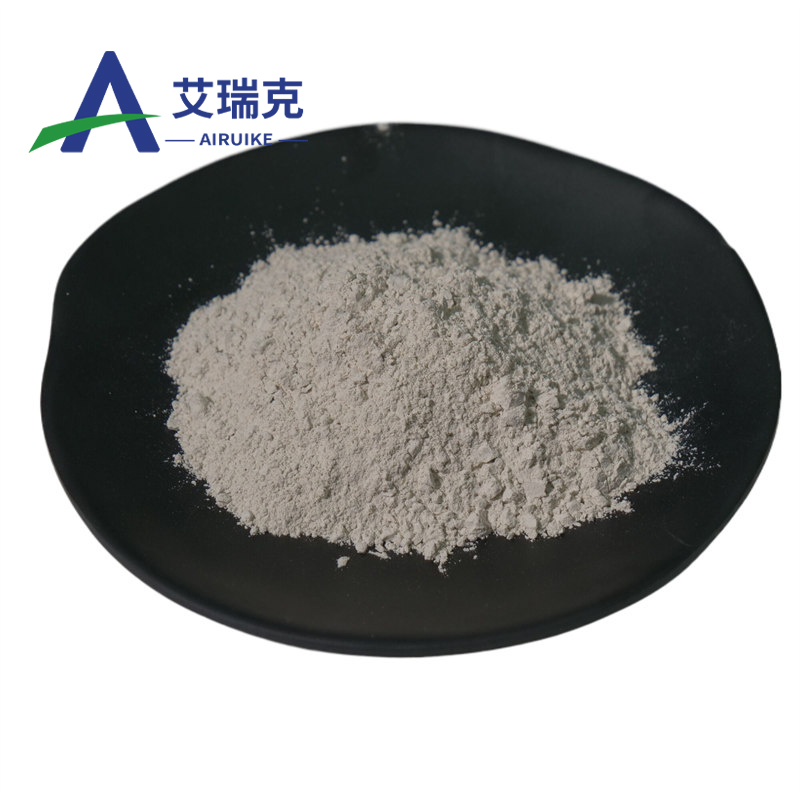
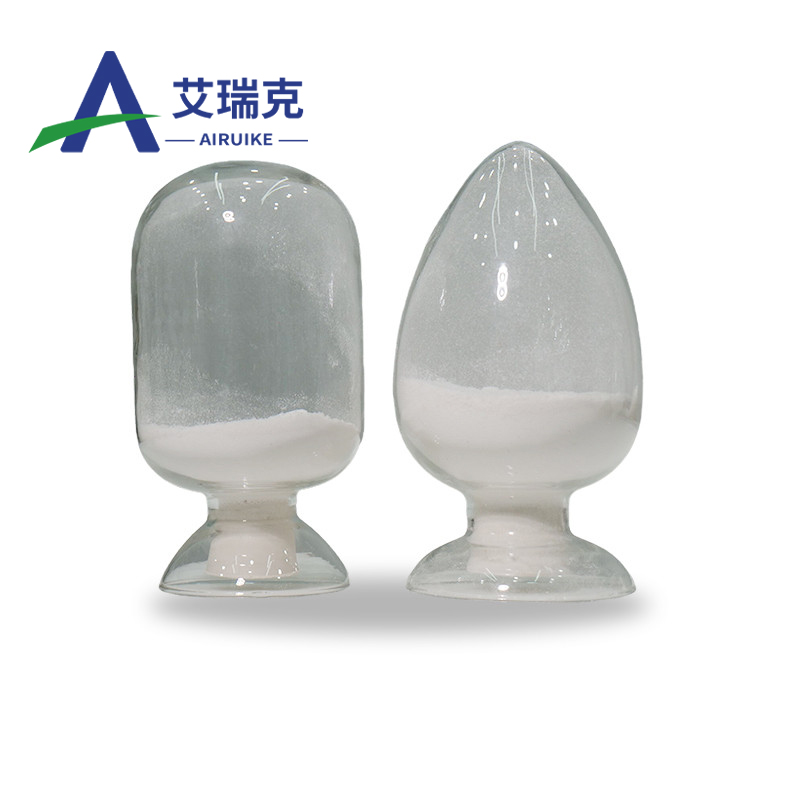
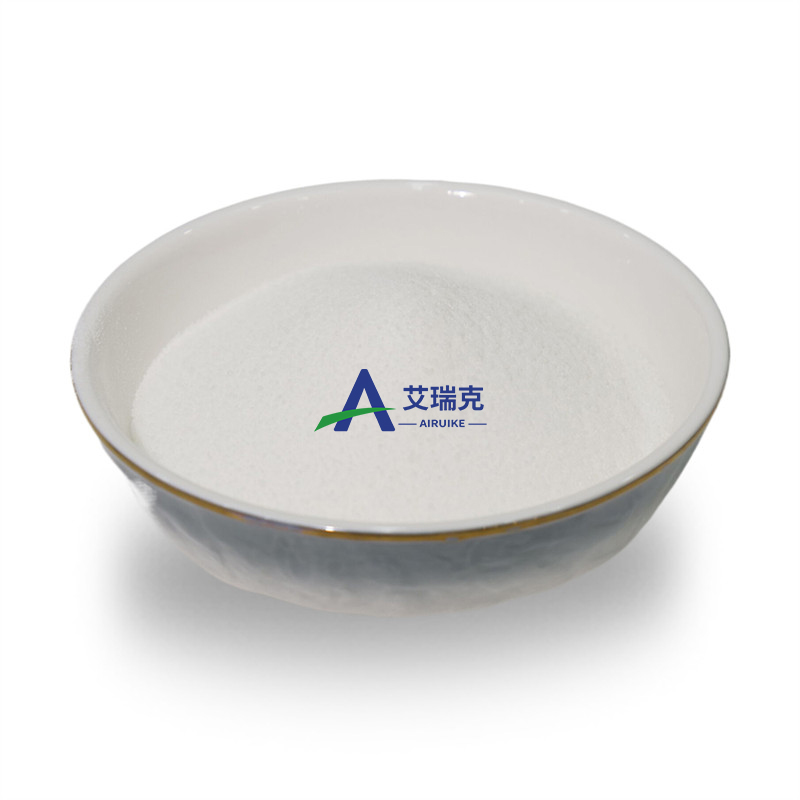
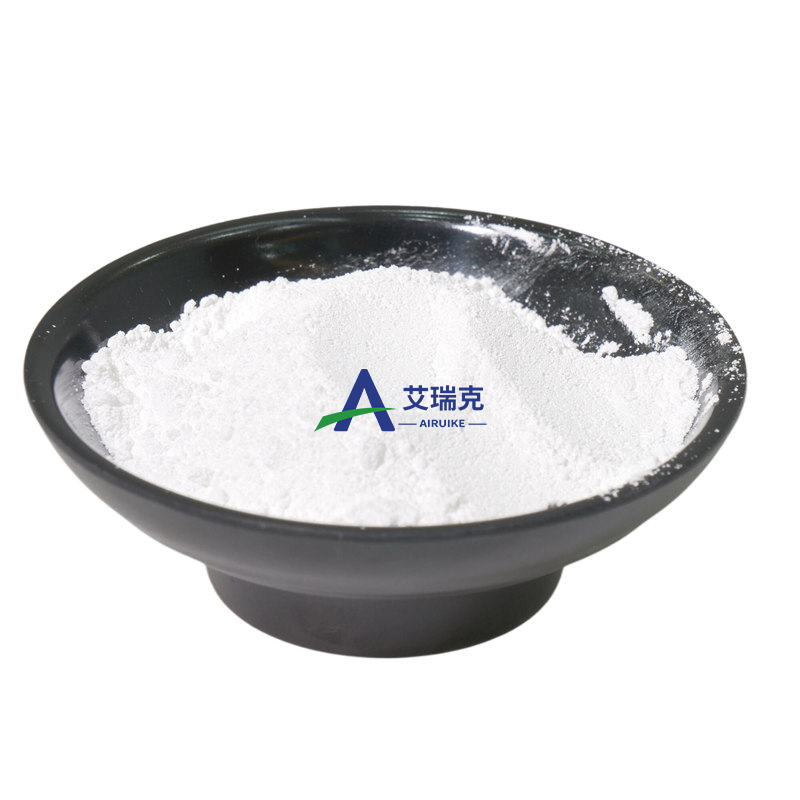
Quinidine 99% White to off-white powder
56-54-2
Pharmaceutical Grade
0%
qingdao
Airuike
100g;1kg;25g
2024-08-11

api,Intermediates,Organic Chemistry,Inorganic Chemistry,Daily Chemicals,Cosmetic Raw Materals
-
Product Description
-
Seller Information
-
DescriptionBasic Info
-
Product Name:
Quinidine
Other Name:Cinchonan-9-ol,6′-methoxy-,(9S)-;Quinidine;(9S)-6′-Methoxycinchonan-9-ol;Conquinine;Pitayine;β-Quinine;(+)-Quinidine;Conchinin;Chinidin;(8R,9S)-Quinidine;Pitayin;Cin-quin;Kinidin;Conchinine;β-Quinidine;Quindine;11010-73-4;500225-45-6;845886-64-8;882741-47-1;883881-01-4;898814-00-1;910899-51-3;1528764-92-2;2393956-08-4
CAS No.:56-54-2
Molecular Formula:C20H24N2O2
InChIKeys:InChIKey=LOUPRKONTZGTKE-LHHVKLHASA-N
Molecular Weight:324.424
Exact Mass:324.42
EC Number:200-279-0
UNII:ITX08688JL
UN Number:2811
DSSTox ID:DTXSID4023549
NCI Thesaurus Code:C793
Color/Form:CRYSTALS WITH 2.5 MOL WATER OF CRYSTALLIZATION; CRYSTALS FROM DILUTE ALCOHOL
ATC Code:N07XX59|C - Cardiovascular system
HScode:2933990090
Categories:
Characteristics-
PSA:
45.6
XLogP3:2.9
Appearance:Crystals or white powder. (NTP, 1992)
Density:1.2±0.1 g/cm3
Melting Point:174 °C
Boiling Point:495.88°C at 760 mmHg
Flash Point:253.7±27.3 °C
Refractive Index:1.638
Water Solubility:H2O: 19mg/L(25 ºC)
Storage Conditions:You should store this material in the refrigerator.
Toxicity:LD50 in rats (mg/kg): 30 i.v., 263 orally (Dietmann)
Specific rotation:Specific optical rotation @ 15 °C/D + 230 deg (concn by volume = 1.8 in chloroform); specific optical rotation @ 17 °C/D + 258 deg (alcohol); +322 deg (concn by volume = 1.6 in 2 M HCl); UV absorption spectrum is identical with that of quinine; blue fluorescence in dilute H2SO4.
PKA:8.56(at 25 °C)
Dissociation Constants:8.56 (at 25 °C)|pK1 @ 20 °C = 5.4; pK2 = 10.0|pKa = 8.56 @ 25 °C
Collision Cross Section:175.8 Ų [M+H]+ [CCS Type: TW, Method: Major Mix IMS/Tof Calibration Kit (Waters)]
Experimental Properties:Rods; soluble in 8 parts water with blue fluorescence /Acid sulfate tetrahydrate/|Crystals from water; decomposes at 115 °C; specific optical rotation at 15 °C/D + 223 deg (0.4 molar solution). /Quinidine dihydrobromide trihydrate/|Crystals; MP: 175-176.5 °C; sol in 9 parts water, 60 parts alcohol /Gluconate/
Air and Water Reactions:Insoluble in water.
Reactive Group:Alcohols and Polyols
Hazard IdentificationClassification of the substance or mixture
Acute toxicity - Category 3, Oral
Skin sensitization, Sub-category 1A
GHS label elements, including precautionary statements
Pictogram(s) 
Signal word Danger
Hazard statement(s) H301 Toxic if swallowed
H317 May cause an allergic skin reaction
Precautionary statement(s) Prevention P264 Wash ... thoroughly after handling.
P270 Do not eat, drink or smoke when using this product.
P261 Avoid breathing dust/fume/gas/mist/vapours/spray.
P272 Contaminated work clothing should not be allowed out of the workplace.
P280 Wear protective gloves/protective clothing/eye protection/face protection/hearing protection/...
Response P301+P316 IF SWALLOWED: Get emergency medical help immediately.
P321 Specific treatment (see ... on this label).
P330 Rinse mouth.
P302+P352 IF ON SKIN: Wash with plenty of water/...
P333+P317 If skin irritation or rash occurs: Get medical help.
P362+P364 Take off contaminated clothing and wash it before reuse.
Storage P405 Store locked up.
Disposal P501 Dispose of contents/container to an appropriate treatment and disposal facility in accordance with applicable laws and regulations, and product characteristics at time of disposal.
Other hazards which do not result in classification
no data available
Handling and StoragePrecautions for safe handling
Handling in a well ventilated place. Wear suitable protective clothing. Avoid contact with skin and eyes. Avoid formation of dust and aerosols. Use non-sparking tools. Prevent fire caused by electrostatic discharge steam.
Conditions for safe storage, including any incompatibilities
Quinidine should be stored at controlled room temperature. Quinidine salts slowly discolor on exposure to light, aquiring a brownish tint. Only clear, colorless solutions are suitable for injection./intravenous quinidine gluconate/
-
-
Seller Information
-
Business Type:
Trader
-
Main Products:
api,Intermediates,Organic Chemistry,Inorganic Chemistry,Daily Chemicals,Cosmetic Raw Materals
-
Location:
Huangdao District, Qingdao City, Shandong Province (formerly Room 606-2, Building 1, No. 10 Beijing Road, Jiaonan City)
-
Payment Terms:
TT against copy of documents,D/P,D/A,TT against B/L draft before shipment,100% TT in advance
-
Average lead Time:
15
-
Total Annual Revenue:
$5 million-$10 million
-
Total Employees:
51-100
-
Year of Establishment:
2023
-
Certifications:
Credit rating certificate,Hazardous Chemicals Business License
-
-
Country Product Purchase Quantity Date Posted Post an enquiry for this product