

Top Quality Food Grade Sweetener Sorbitol Powder/ Sorbitol Crystal
TDS 63 Inquiries
50-70-4
Food Grade
70%
China
TNN
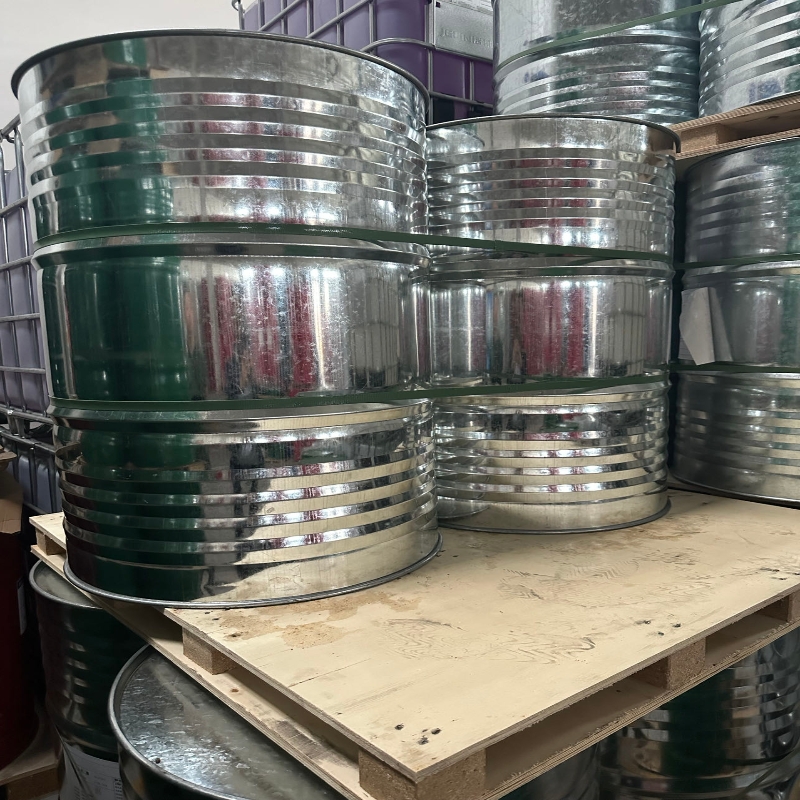
270kg drum flexibag
2029-12-31
Sodium benzoate,Potassium sorbate,Xanthan gum,phosphoric acid,citric acid,Aminophylline anhydrous
-
Product Description
-
Seller Information
-
Inquiry History
-
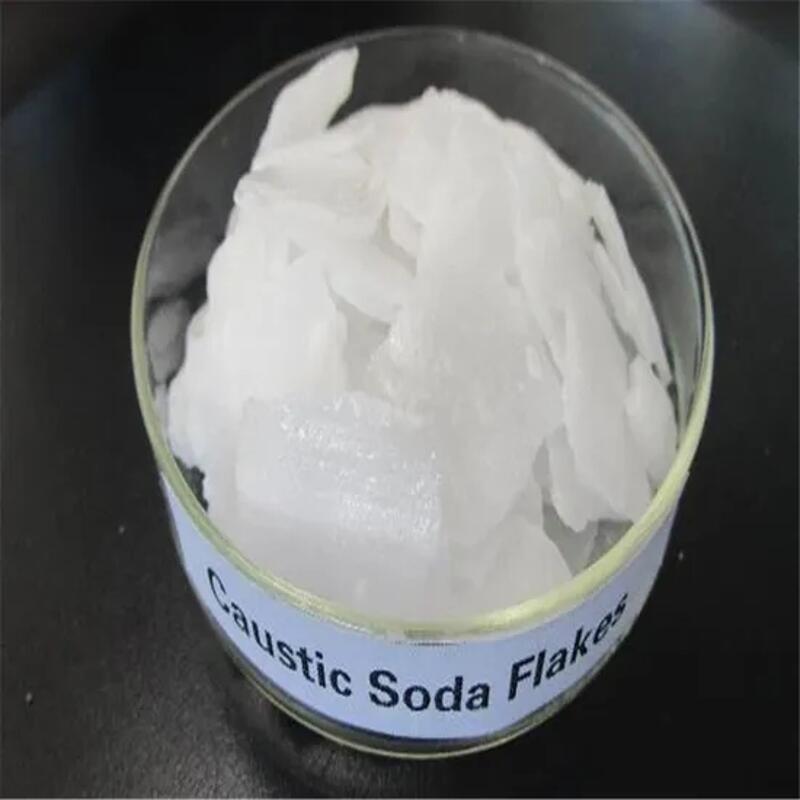
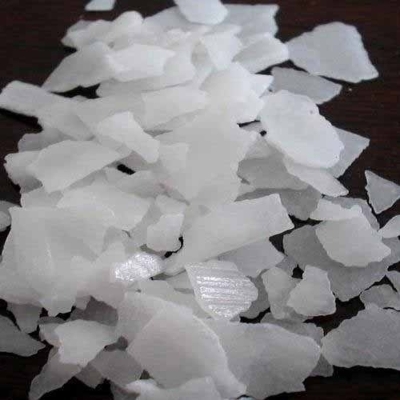
DescriptionECHEMI Editorial ReferenceIt is white and odorless crystalline powder with sweet taste and being hygroscopic. It can be dissolved in water (235g/100g water, 25 °C), glycerin, and propylene glycol; and is slightly soluble in methanol, ethanol, acetic acid, and phenol and acetamide solution but almost insoluble in most other organic solvents. d-Sorbitol has a sweet taste. In comparison to sucrose, the relative sweetness of sorbitol is approximately 50%. Sorbitol can exist in any of several crystalline forms with melting
Sorbitol is an odorless colorless solid. Sinks and mixes with water. (USCG, 1999)|DryPowder; DryPowder, Liquid; DryPowder, WetSolid; Liquid; OtherSolid|White hygroscopic powder, crystalline powder, flakes or granules.|Liquid|WHITE HYGROSCOPIC SOLID IN VARIOUS FORMS.
Sorbitol is an odorless colorless solid. Sinks and mixes with water. (USCG, 1999)|D-glucitol is the D-enantiomer of glucitol (also known as D-sorbitol). It has a role as a sweetening agent, a laxative, a metabolite, a cathartic, a human metabolite, a food humectant, a Saccharomyces cerevisiae metabolite, an Escherichia coli metabolite and a mouse metabolite. It is an enantiomer of a L-glucitol.|A polyhydric alcohol with about half the sweetness of sucrose. Sorbitol occurs naturally and is also produced synthetically from glucose. It was formerly used as a diuretic and may still be used as a laxative and in irrigating solutions for some surgical procedures.|Sorbitol is a sugar alcohol found in fruits and plants with diuretic, laxative and cathartic property. Unabsorbed sorbitol retains water in the large intestine through osmotic pressure thereby stimulating peristalsis of the intestine and exerting its diuretic, laxative and cathartic effect. In addition, sorbitol has one-third fewer calories and 60 % the sweetening activity of sucrose and is used as a sugar replacement in diabetes.|A polyhydric alcohol with about half the sweetness of sucrose. Sorbitol occurs naturally and is also produced synthetically from glucose. It was formerly used as a diuretic and may still be used as a laxative and in irrigating solutions for some surgical procedures. It is also used in many manufacturing processes, as a pharmaceutical aid, and in several research applications.CertificatesBasic Info-
Product Name:
Sorbitol
Other Name:D-Glucitol;Glucitol,D-;Sorbitol;Diakarmon;Sionon;Sorbit;Sorbol;D-Sorbol;D-Sorbitol;L-Gulitol;Neosorb;Sorbex M;Sorbex Rp;Sorbex R;Sorbex X;Sorbitol syrup C;Sorbex S;Sorbo;Sorbostyl;Cholaxine;Sionit;Sorbilande;Nivitin;D-(-)-Sorbitol;Sionite;Siosan;Esasorb;Karion;Neosorb 70/70;Karion (carbohydrate);Glucitol;Neosorb 20/60DC;Karion instant;Sorbit W 70;(-)-Sorbitol;Sorbit S;Neosorb P 60;Sionit K;Sorbit D 70;Sorbit L 70;Sorbit WP;Sorbite;Foodol D 70;Sorbitol FP;Sorbitol F;Glucarine (sorbitol syrup);Glucarine;Neosorb P 20/60;Sorbit W-Powder;Neosorb 70/02;C*Sorbidex;Sorbidex P 16616;Sorbit T 70;Sorbit Kyowa Powder 50M;Kyowa Powder 50M;Cystosol;Sorbitur;Resulax;Sorbilax;E 420;Neosorb P 60W;Sorbit D-Powder;Sorbogem 712;Sorbit DP 50;Sorbit W-Powder 50;NSC 25944;Sorbit DP;Sorbitol S;Sorbitol FK;C*Sorbidex P 16616;D-Sorbit 50M;7B5697N;Cerestar P 16616;P 60W;Sorbidex S 16601;Neosorb 70/20;LTS-P 20M;Sorbit LTSP;Sorbit D;C*Sorbidex 16100;CSorbidex 16100;Sorbitol Kao;Neosorb 70/02SB;Sorbitol SP;Sorbidex NC 16205;Parteck SI 150;Sorbitol 70W;Sorpart;Sorbierite;Sorbidex 200;Sorbidex S 16603;LTS P 50M;Neosorb 71/02SB;Neosorb 70/02B;Parteck SI 200;Parteck SI 400;Parteck SI 450;Meritol 121;Sorbitol FP 100M;FP 100M;Sorbit KK;Meritol 128;Merisorb 200;Sorbit KK Powder 50M;Foodol 70;Brix 70;LTS-P G 3;Sorbitol Ueno 20M;Sorbitol C;A 5178;D-SORB 88;Plastilys;98201-93-5;3959-53-3;8013-15-8;8014-89-9;8036-93-9;8042-39-5;8045-74-7;8046-05-7;15060-73-8;36134-87-9;63800-20-4;75398-79-7;952319-42-5
CAS No.:50-70-4
Molecular Formula:C6H14O6
InChIKeys:InChIKey=FBPFZTCFMRRESA-JGWLITMVSA-N
Molecular Weight:182.17200
Exact Mass:182.17
EC Number:619-324-4
UNII:506T60A25R
ICSC Number:0892
NSC Number:759608
DSSTox ID:DTXSID5023588
NCI Thesaurus Code:C29462
Color/Form:Needles from water|White powder, as granules, or as crystalline masses|White crystalline powder|WHITE POWDER, GRANULES, OR FLAKES
ATC Code:A06AD18|A - Alimentary tract and metabolism|B - Blood and blood forming organs|V - Various
HScode:2905440000
Categories:
Characteristics-
PSA:
121.38000
XLogP3:-2.2
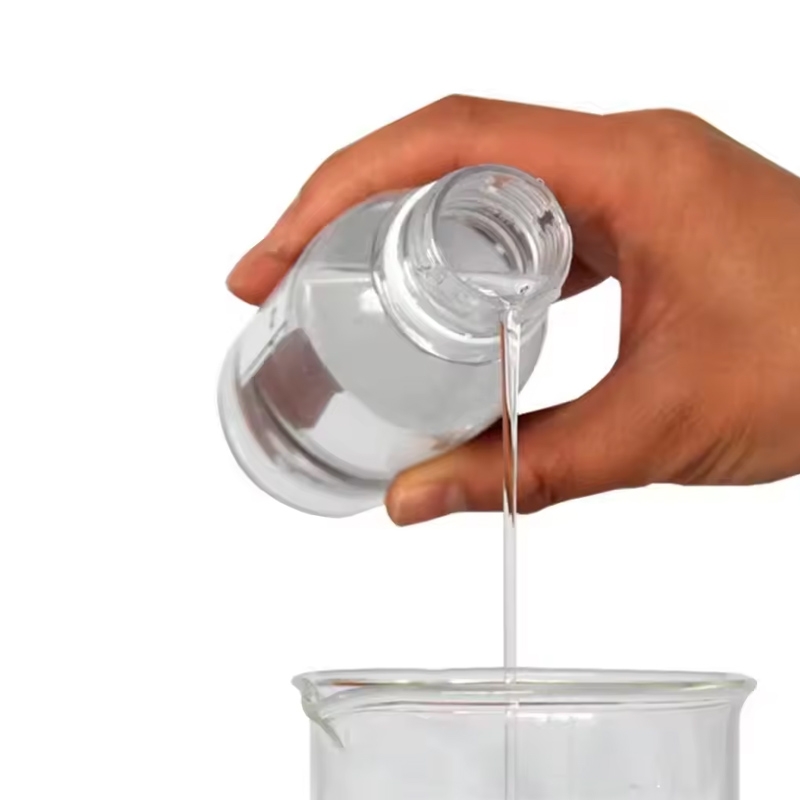
Appearance:Transparent to light yellow syrup like liquid
Density:1.489 g/cm3 @ Temp: 20 °C
Melting Point:110-112 °C
Boiling Point:295 °C @ Press: 3.5 Torr
Flash Point:292.5ºC
Refractive Index:1.597
Water Solubility:Solubility in water, g/100ml at 20°C: 220
Storage Conditions:Store in cool place. Keep container tightly closed in a dry and well-ventilated place.
Vapor Pressure:<0.1 mm Hg ( 25 °C)
Toxicity:LD50 orally in Rabbit: 15900 mg/kg
Specific rotation:Specific optical rotation: -2.0 deg at 20 °C/D (water)
Explosive limit:Finely dispersed particles form explosive mixtures
Odor:Odorless
Taste:Sweet taste, approx 60% as sweet as sugar (wt/wt)
PH:pH: about 7.0
PKA:13.6None
Henrys Law Constant:Henry's Law constant = 7.3X10⁻¹³ atm-cu m/mol at 25 °C (est)
Dissociation Constants:13.6|pKa: 13.6 at 17.5 °C|pKa = 13.57
Collision Cross Section:142.5 Ų [M+Na]+ [CCS Type: DT, Method: single field calibrated with Agilent tune mix (Agilent)]|129.64 Ų [M-H]- [CCS Type: DT, Method: single field calibrated with Agilent tune mix (Agilent)]|142.9 Ų [M+Na]+ [CCS Type: DT, Method: single field calibrated with ESI Low Concentration Tuning Mix (Agilent)]|131.4 Ų [M-H]- [CCS Type: DT, Method: single field calibrated with ESI Low Concentration Tuning Mix (Agilent)]|147.2 Ų [M+H]+ [CCS Type: DT, Method: stepped-field]|139.4 Ų [M+Na]+ [CCS Type: DT, Method: stepped-field]|131.9 Ų [M-H]-
Experimental Properties:Hydrated crystals melt somewhat below 100 °C; in healthy human organism 1 g of sorbitol yields 3.994 calories ...|Commercial 70% aq soln: Density: 1.2879 at 20 °C/20 °C; Index of refraction: 1.45831 at 25 °C/D; Specific optical rotation: -2.10 deg at 20 °C/D; BP: 105 °C at 760 mm Hg; pH: 6-7; Viscosity at 25 °C: 110 centipoises (cP)|HYGROSCOPICITY: MEDIUM-LOW; SOLVENCY (FOR OILS): POOR; HIGH TEMP RESISTANCE: STABLE|High % sorbitol solutions are much more viscous than corresponding glycerol solutions|Hydroxyl radical reaction rate constant = 5.0X10⁻¹¹ cu cm/molec-sec at 25 °C (est)
Air and Water Reactions:Water soluble.
Reactive Group:Alcohols and Polyols
Reactivity Profile:SORBITOL is an alcohol. Flammable and/or toxic gases are generated by the combination of alcohols with alkali metals, nitrides, and strong reducing agents. They react with oxoacids and carboxylic acids to form esters plus water. Oxidizing agents convert them to aldehydes or ketones. Alcohols exhibit both weak acid and weak base behavior. They may initiate the polymerization of isocyanates and epoxides.
Heat of Combustion:-3025.5 kJ.mol
Hazard IdentificationClassification of the substance or mixture
Not classified.
GHS label elements, including precautionary statements
Pictogram(s) No symbol. Signal word No signal word
Hazard statement(s) none
Precautionary statement(s) Prevention none
Response none
Storage none
Disposal none
Other hazards which do not result in classification
no data available
Handling and StoragePrecautions for safe handling
NO open flames. Closed system, dust explosion-proof electrical equipment and lighting. Prevent deposition of dust. Handling in a well ventilated place. Wear suitable protective clothing. Avoid contact with skin and eyes. Avoid formation of dust and aerosols. Use non-sparking tools. Prevent fire caused by electrostatic discharge steam.
Conditions for safe storage, including any incompatibilities
The bulk material is hygroscopic and should be stored in an airtight container in a cool, dry place.
-
-
Seller Information
-
Business Type:
Trader
-
Main Products:
Sodium benzoate,Potassium sorbate,Xanthan gum,phosphoric acid,citric acid,Aminophylline anhydrous
-
Location:
RM2901, Rainbow Building, No.23, Renmin Road, Zhongshan Dist.
-
Payment Terms:
TT against copy of documents,D/P,L/C,D/A,O/A
-
Average lead Time:
30
-
Total Annual Revenue:
$10 million-$25 million
-
Total Employees:
11-50
-
Year of Establishment:
2006
-
Certifications:
QUALITY MANAGEMENT SYSTEM CERTIFICATE,kosher certification,SERTIFIKAT HALAL-HALAL CERTIFICATE,EU GMP
-
-
Inquiry History63 Inquiries
Country Product Purchase Quantity Date Posted  India
India
Sorbitol (E420)
3 MT Sep 13, 2023
India
Sorbitol Liquid 70%
1.00 MT Dec 21, 2023
India
Sorbitol Liquid 70%
10.00 MT Jan 8, 2024  Bangladesh
SORBITOL SOLUTION 70% (NON-CRYSTALLISING)
72000 KG Aug 7, 2026
India
Sorbitol Liquid 70%
10.00 MT Jan 4, 2024
Bangladesh
Sorbitol Solution 70%
72000 KG Aug 7, 2026  United Arab Emirates
Sorbitol
300 MT Mar 27, 2026  Yemen
Yemen
Sorbitol
2 20' Fcl Jun 8, 2026  Brazil
Sorbitol Liquid (70% solution)
65 KG Jun 3, 2026
Bangladesh
Sorbitol
100.00 MT Jun 1, 2026
India
Sorbitol
1.00 MT May 13, 2026
India
Roquette
1.00 KG May 7, 2026
India
Sorbitol 70% Solution
2400.00 KG Apr 17, 2026
United Arab Emirates
Sorbitol
1 20' Fcl Mar 27, 2026  Pakistan
Sorbitol
1.00 KG Mar 11, 2026
India
Sorbitol
1 MT Mar 4, 2026  Sweden
SORBITOL
1 20' Fcl Feb 25, 2026  Morocco
sorbitol syrup, crystallizing
5400 KG Jan 28, 2026  Egypt
Egypt
Sorbitol Powder
1.00 20' Fcl Jan 27, 2026
Pakistan
Sorbitol
1.00 KG Dec 24, 2025 Post an enquiry for this product


Hot Related Products
-
 Caustic Soda-Batong
 -
 PROPYLENE GLYCOL USP 57-55-6
 -
 Caustic Soda Flakes / Pearl Sodium Hydroxide Naoh High Purity 99% 98.5% 98% price
$450-550/MT FOB
-
 Propylene Glycol 99% pure CAS 57-55-6 in stock fast delivery
$60/KG FOB
-
 Industrial Grade 99% Caustic Soda in Flake Pearl and Solid Forms
$343.04-392.04/MT FOB
-
 Caustic Soda Flakes White