N-Acetyl-L-cysteine MF C5H9NO3S MW163.19 CAS 616-91-1
23 Inquiries
616-91-1
Food Grade
99%
SHAANXI
Dideu
1KG/BAG
2029-11-22

Chemical Pesticides,Food Additives,Agrochemicals,Active Pharm Ingredients,Flavors and Fragrances,Chemical Catalyst
-
Product Description
-
Seller Information
-
Inquiry History
-
DescriptionECHEMI Editorial ReferenceAcetylcysteine is a mucolytic agent which reduces the thickness of the mucus.
Solid
N-acetyl-L-cysteine is an N-acetyl-L-amino acid that is the N-acetylated derivative of the natural amino acid L-cysteine. It has a role as an antiinfective agent, an antioxidant, an antiviral drug, an antidote to paracetamol poisoning, a vulnerary, a mucolytic, a human metabolite, a radical scavenger, a ferroptosis inhibitor and a geroprotector. It is a L-cysteine derivative, an acetylcysteine and a N-acetyl-L-amino acid. It is a conjugate acid of a N-acetyl-L-cysteinate.|Acetylcysteine (also known as N-acetylcysteine or N-acetyl-L-cysteine or NAC) is primarily used as a mucolytic agent and in the management of acetaminophen poisoning. It is a derivative of cysteine with an acetyl group attached to the amino group of cysteine. NAC is essentially a prodrug that is converted to cysteine (in the intestine by the enzyme aminoacylase 1) and absorbed in the intestine into the blood stream. Cysteine is a key constituent to glutathione and hence administration of acetylcysteine replenishes glutathione stores. Acetylcysteine can also be used as a general antioxidant which can help mitigate symptoms for a variety of diseases exacerbated by reactive oxygen species (ROS). For instance, acetylcysteine is commonly used in individuals with renal impairment to prevent the precipitation of acute renal failure. Acetylcysteine has been shown to have efficacy in treating mild to moderate traumatic brain injury including ischemic brain injury, particularly in reducing neuronal losses, and also reducing cognitive and neurological symptoms when administered promptly after injury. N-acetylcysteine is now widely used in the treatment of HIV, and it has reported efficacy in chronic obstructive pulmonary disease and contrast-induced nephropathy. Acetylcysteine is also being successfully used to treat a variety of neuropsychiatric and neurodegenerative disorders including cocaine, cannabis, and smoking addictions, Alzheimer's and Parkinson's diseases, autism, compulsive and grooming disorders, schizophrenia, depression, and bipolar disorder. Recent data also shows that N-acetylcysteine inhibits muscle fatigue and can be used to enhance performance in endurance events and in exercise and endurance training. Acetylcysteine is also undergoing clinical trials as RK-0202, an oral rinse for the prevention and treatment of mucositis. It is comprised of acetylcysteine in a polymer matrix.|Acetylcysteine is an Antidote, and Antidote for Acetaminophen Overdose, and Mucolytic. The mechanism of action of acetylcysteine is as a Reduction Activity. The physiologic effect of acetylcysteine is by means of Decreased Respiratory Secretion Viscosity, and Increased Glutathione Concentration.|Acetylcysteine, also known as N-acetylcysteine (NAC), is a modified amino acid that is used as an antidote for acetaminophen overdose to prevent hepatic injury. Acetylcysteine is a hepatoprotective agent and has not been linked to significant serum enzyme elevations during therapy or to instances of clinically apparent acute liver injury.|Acetylcysteine is a synthetic N-acetyl derivative and prodrug of the endogenous amino acid L-cysteine, a precursor of the antioxidant glutathione (GSH), with mucolytic, antioxidant, and potential cytoprotective, cancer-preventive, and anti-inflammatory activities. Upon administration, acetylcysteine exerts its mucolytic activity by reducing disulfide bonds in mucoproteins, resulting in liquification of mucus and reducing its viscosity. It is also used for the treatment of acetaminophen overdose as it can restore the depleted GSH reserves in the hepatocytes during the process of detoxification. The antioxidant activity is attributed to the ability of GSH to scavenge reactive oxygen species (ROS), thereby preventing ROS-mediated cell damage, decreasing oxidative stress, protecting cells against the damaging effects of free radicals and preventing apoptosis in these cells. In addition, this may inhibit tumor cell proliferation, progression and survival, in susceptible tumor cells that rely on ROS-mediated signaling for their proliferation and malignant behavior. Under certain circumstances, acetylcysteine is able to induce apoptosis in susceptible cells, including certain tumor cells, via the intrinsic mitochondria-dependent pathway but not involving endoplasmic reticulum stress. Also, acetylcysteine may also be able to degrade Notch2, thereby preventing proliferation, migration, and invasion in Notch2-overexpressing glioblastoma cells. In addition, acetylcysteine may inhibit viral stimulation by reactive oxygen intermediates, thereby producing antiviral activity in HIV patients. Acetylcysteine also possesses anti-inflammatory activity through modulation of the nuclear factor-kappa B (NF-kB) pathway and the modulation of cytokine synthesis.|The N-acetyl derivative of CYSTEINE. It is used as a mucolytic agent to reduce the viscosity of mucous secretions. It has also been shown to have antiviral effects in patients with HIV due to inhibition of viral stimulation by reactive oxygen intermediates.Basic Info-
Product Name:
N-Acetyl-L-cysteine
Other Name:L-Cysteine,N-acetyl-;Cysteine,N-acetyl-,L-;N-Acetyl-L-cysteine;N-Acetylcysteine;Acetylcysteine;Mercapturic acid;Mucomyst;Mercapturic acid,(R)-;Airbron;Fluimucil;Fluimucetin;Respaire;Mucolyticum-Lappe;L-Acetylcysteine;Parvolex;Mucolytikum Lappe;Broncholysin;NSC 111180;Broncholysin (mucolytic);Mucosolvin;N-Acetyl-(R)-cysteine;Mucofilin;L-N-Acetylcysteine;Fluimicil;Fluimicil Infantil;Fluibiotic;Nα-Acetylcysteine;Exomuc;(R)-N-Acetylcysteine;Tixair;Muco Sanigen;Brunac;Fluatox;Mucocedyl;Mucolator;Neo-Fluimucil;Fabrol;Mucolyticum;Mucret;Fluprowit;Acetilcysteina;ACC;Flumil;Syntemucol;Hypotears;Lysomucil;Fluimucil Antidot;Acetadote;Mucosten;Asist;Trom;Mentopin;Mucomelt;Mucinac;(2R)-2Acetamido-3-sulfanylpropanoic acid;Cysteplus;Ac-Cys-OH;(2R)-2-Acetamido-3-sulfanylpropanoic acid;7696-05-1;1261105-20-7
CAS No.:616-91-1
Molecular Formula:C5H9NO3S
InChIKeys:InChIKey=PWKSKIMOESPYIA-BYPYZUCNSA-N
Molecular Weight:163.19
Exact Mass:163.19
BRN:1724426
EC Number:210-498-3
UNII:WYQ7N0BPYC
DSSTox ID:DTXSID5020021
NCI Thesaurus Code:C200
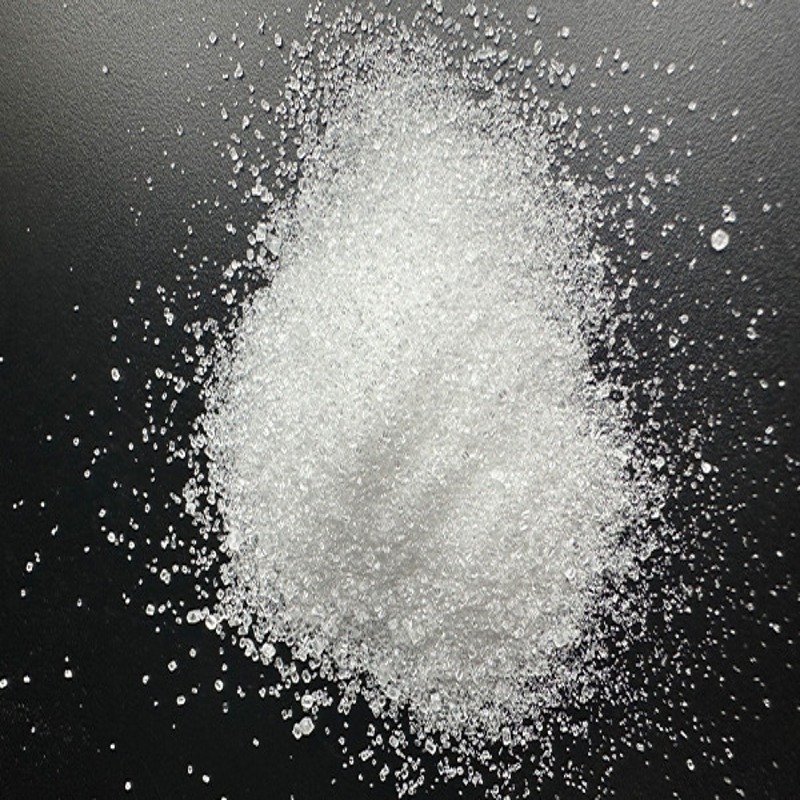
Color/Form:Crystals from water|WHITE, CRYSTALLINE POWDER
ATC Code:R05CB01|R - Respiratory system|S - Sensory organs|V - Various
HScode:29309016
Categories:
Characteristics-
PSA:
67.4
XLogP3:0.4
Appearance:White Solid
Density:1.3±0.1 g/cm3
Melting Point:109.5 °C
Boiling Point:407.7°C at 760 mmHg
Flash Point:200.4±27.3 °C
Refractive Index:1.519
Water Solubility:soluble in water, ethanol, methanol, dimethyl sulfoxide, hot isopropyl alcohol, methyl acetate and ethyl acetate. Insoluble in chloroform and ether.H2O: 100 mg/mL with heating
Storage Conditions:2-8°C
Vapor Pressure:1.1X10⁻⁵ mm Hg at 25 deg C /Estimated/
Toxicity:Oral-rat LD50:5050 mg/kg; Oral-Mouse LD50:7888 mg/kg
Flammability characteristics:Decomposes smoke in humid air; burning releases toxic nitrogen oxide and sulfur oxide smoke
Specific rotation:-35.1 ºC (c=2,H2O)
Odor:SLIGHT ACETIC ODOR
Taste:CHARACTERISTIC SOUR TASTE
PH:2 TO 2.75 (1 IN 100 ML)
PKA:9.52(at 25 °C)
Henrys Law Constant:Henry's Law constant = 1.7X10⁻¹³ atm-cu m/mole at 25 °C /Estimated/
Dissociation Constants:9.52 (at 25 °C)|pKa= 3.24 (carboxylic acid moiety)|pKa = 9.52 (SH group)
Collision Cross Section:140.9 Ų [M+Na]+ [CCS Type: DT, Method: single field calibrated with ESI Low Concentration Tuning Mix (Agilent)]|140.9 Ų [M+Na]+
Experimental Properties:It is stable in ordinary light, nonhygroscopic (oxidizes in moist air), and stable at temperatures up to 120 °C|Hydroxyl radical reaction rate constant = 5.5X10⁻¹¹ cu cm/molec-sec at 25 °C /Estimated/
Hazard IdentificationClassification of the substance or mixture
Not classified.
GHS label elements, including precautionary statements
Pictogram(s) No symbol. Signal word No signal word
Hazard statement(s) none
Precautionary statement(s) Prevention none
Response none
Storage none
Disposal none
Other hazards which do not result in classification
no data available
Handling and StoragePrecautions for safe handling
Handling in a well ventilated place. Wear suitable protective clothing. Avoid contact with skin and eyes. Avoid formation of dust and aerosols. Use non-sparking tools. Prevent fire caused by electrostatic discharge steam.
Conditions for safe storage, including any incompatibilities
Unopened vials of acetylcysteine sodium solution should be stored at 15-30 deg C. Following exposure to air, solutions should be stored at 2-8 deg C to retard oxidation and should be used within 96 hr.
-
-
Seller Information
-
Business Type:
Manufactory
-
Main Products:
Chemical Pesticides,Food Additives,Agrochemicals,Active Pharm Ingredients,Flavors and Fragrances,Chemical Catalyst
-
Location:
https://www.dideu.com/en/
-
Payment Terms:
TT against copy of documents,D/P,L/C,D/A,O/A,TT against B/L draft before shipment,100% TT in advance
-
Average lead Time:
7
-
Total Annual Revenue:
Above $100 million
-
Total Employees:
Above 1000
-
Year of Establishment:
2016
-
Certifications:
ISO Certificate,REACH
"> -
-
Inquiry History23 Inquiries
Country Product Purchase Quantity Date Posted  United States
N-Acetyl-L-cysteine NAC CAS 616-91-1 with Factory Price
25 KG Nov 2, 2023  Singapore
2-ACETAMIDO-3-MERCAPTOPROPIONIC ACID
4000 KG Sep 18, 2024  Pakistan
N-ACETYL-L-CYSTEINE
1 KG Jan 15, 2026  Spain
Spain
N-Acetyl-L-cysteine NAC
1 KG Aug 21, 2026  Turkey
N-Acetyl-cysteine
300 MT Apr 14, 2026  Romania
N-acetyl cysteine
1 KG Mar 25, 2026  Switzerland
N-Acetyl-L-Cysteine
250 KG Jul 18, 2025  Malaysia
N-Acetyl-cysteine
2 MT May 11, 2025  Australia
N-Acetyl-L-Cysteine
5 KG Sep 13, 2024  India
India
N-Acetyl Cysteine
50.00 KG Feb 19, 2024  Brazil
N-Acetyl-L-Cysteine
1000 KG Mar 29, 2026
Brazil
N-Acetylcysteine (NAC)
2000 MT Sep 16, 2025
Pakistan
ACETYLCYSTEINE
50 KG Mar 25, 2025
United States
N-Acetyl-L-Cysteine
750000 KG Mar 4, 2025  Poland
N-acetylcysteine
200 KG Nov 16, 2023
United States
N-acetyl cysteine
100 KG Nov 2, 2023
Australia
N-Acetyl-L-Cysteine 99.9% HAIDE Biotech
10 KG Oct 4, 2023  Netherlands
N-Acetyl-L-Cysteine
25 KG Jan 26, 2025
India
N-Acetyl-L-cysteine/acetylcysteine
6 MT Jun 7, 2024
India
N-Acetyl-L-cysteine/acetylcysteine
6.5 MT Apr 26, 2024 Post an enquiry for this product