Product
Supplier
Encyclopedia
Inquiry
Home > Surfactant > Anionic Surfactants > Polyethylene glycol nonylphenyl ether for Sale > Nonionic Surfactant China (NP-40) CAS 9016-45-9
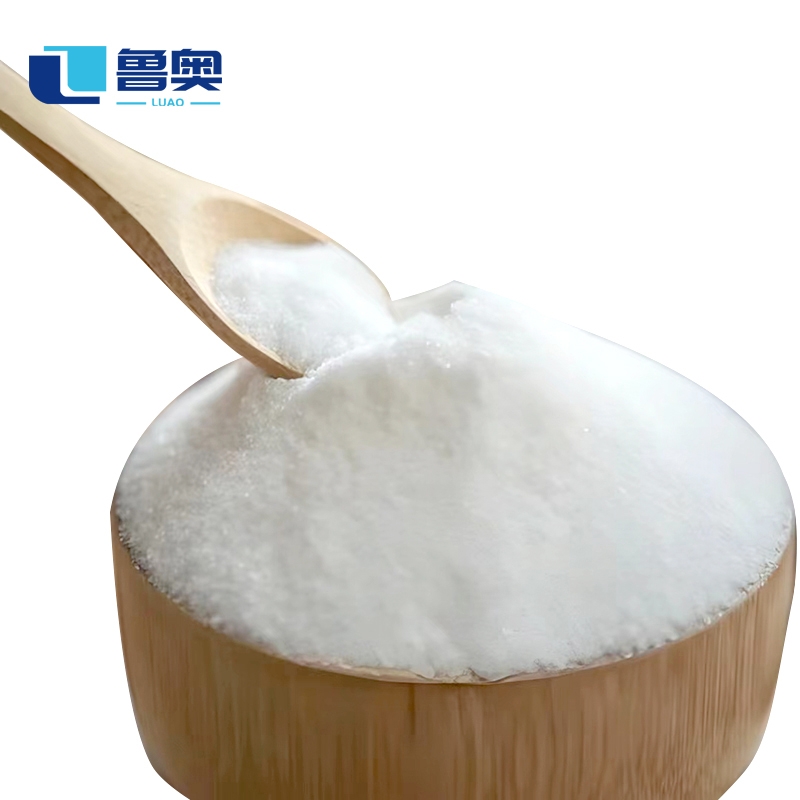
Nonionic Surfactant China (NP-40) CAS 9016-45-9 buy - large image1
Nonionic Surfactant China (NP-40) CAS 9016-45-9 buy - image1
Nonionic Surfactant China (NP-40) CAS 9016-45-9 buy - image2
Nonionic Surfactant China (NP-40) CAS 9016-45-9 buy - image3
Nonionic Surfactant China (NP-40) CAS 9016-45-9 buy - image4
Nonionic Surfactant China (NP-40) CAS 9016-45-9 buy - image5
Nonionic Surfactant China (NP-40) CAS 9016-45-9 buy - image6

Nonionic Surfactant China (NP-40) CAS 9016-45-9

TDS 15 Inquiries

Unit Price: Get Latest Price
CAS No.:

9016-45-9

Grade:

Industrial Grade

Content:

98%

Port:

Texas

Brand:

TRN TRADER

Packaging:

25

Price valid (until):

2024-11-23

Company Type:
Manufactory
Location:
United States
Qualification:
Main Products:

Fertilisers,Water Traitement,Ferro Alloys,Chemicals

  • Product Description

  • Seller Information

  • Inquiry History

  • Description


      Product Detail  


    SECTION 1: Identification

    1.1GHS Product identifier

    Product name

    2-(2-[4-(1,1,3,3-Tetramethylbutyl)phenoxy]ethoxy)ethanol

    1.2Other means of identification

    Product number

    -

    Other names

    octylphenol ethoxylate OPE9;op1062;ethylancp

    1.3Recommended use of the chemical and restrictions on use

    Identified uses

    Industrial and scientific research use.

    Uses advised against

    no data available


    SECTION 2: Hazard identification

    2.1Classification of the substance or mixture

    Acute toxicity - Category 4, Oral

    Serious eye damage, Category 1

    Hazardous to the aquatic environment, long-term (Chronic) - Category Chronic 3

    2.2GHS label elements, including precautionary statements

    Pictogram(s) Shop Nonionic Surfactant China (NP-40) CAS 9016-45-9-Detailed Image 1 Shop Nonionic Surfactant China (NP-40) CAS 9016-45-9-Detailed Image 2
    Signal word

    Danger

    Hazard statement(s)

    H302 Harmful if swallowed

    H318 Causes serious eye damage

    H412 Harmful to aquatic life with long lasting effects

    Precautionary statement(s)
    Prevention

    P264 Wash ... thoroughly after handling.

    P270 Do not eat, drink or smoke when using this product.

    P280 Wear protective gloves/protective clothing/eye protection/face protection/hearing protection/...

    P273 Avoid release to the environment.

    Response

    P301+P317 IF SWALLOWED: Get medical help.

    P330 Rinse mouth.

    P305+P354+P338 IF IN EYES: Immediately rinse with water for several minutes. Remove contact lenses, if present and easy to do. Continue rinsing.

    P317 Get medical help.

    Storage

    none

    Disposal

    P501 Dispose of contents/container to an appropriate treatment and disposal facility in accordance with applicable laws and regulations, and product characteristics at time of disposal.

    2.3Other hazards which do not result in classification

    no data available

    SECTION 3: Composition/information on ingredients

    3.1Substances

    Chemical name Common names and synonyms CAS number EC number Concentration
    2-(2-[4-(1,1,3,3-Tetramethylbutyl)phenoxy]ethoxy)ethanol 2-(2-[4-(1,1,3,3-Tetramethylbutyl)phenoxy]ethoxy)ethanol 9036-19-5 618-541-1 100%

    SECTION 4: First-aid measures

    4.1Description of necessary first-aid measures

    If inhaled

    Move the victim into fresh air. If breathing is difficult, give oxygen. If not breathing, give artificial respiration and consult a doctor immediately. Do not use mouth to mouth resuscitation if the victim ingested or inhaled the chemical.

    Following skin contact

    Take off contaminated clothing immediately. Wash off with soap and plenty of water. Consult a doctor.

    Following eye contact

    Rinse with pure water for at least 15 minutes. Consult a doctor.

    Following ingestion

    Rinse mouth with water. Do not induce vomiting. Never give anything by mouth to an unconscious person. Call a doctor or Poison Control Center immediately.

    4.2Most important symptoms/effects, acute and delayed

    no data available

    4.3Indication of immediate medical attention and special treatment needed, if necessary

    no data available

    SECTION 5: Fire-fighting measures

    5.1Suitable extinguishing media

    Use dry chemical, carbon dioxide or alcohol-resistant foam.

    5.2Specific hazards arising from the chemical

    no data available

    5.3Special protective actions for fire-fighters

    Wear self-contained breathing apparatus for firefighting if necessary.

    SECTION 6: Accidental release measures

    6.1Personal precautions, protective equipment and emergency procedures

    Avoid dust formation. Avoid breathing mist, gas or vapours.Avoid contacting with skin and eye. Use personal protective equipment.Wear chemical impermeable gloves. Ensure adequate ventilation.Remove all sources of ignition. Evacuate personnel to safe areas.Keep people away from and upwind of spill/leak.

    6.2Environmental precautions

    Prevent further spillage or leakage if it is safe to do so. Do not let the chemical enter drains. Discharge into the environment must be avoided.

    6.3Methods and materials for containment and cleaning up

    Collect and arrange disposal. Keep the chemical in suitable and closed containers for disposal. Remove all sources of ignition. Use spark-proof tools and explosion-proof equipment. Adhered or collected material should be promptly disposed of, in accordance with appropriate laws and regulations.

    SECTION 7: Handling and storage

    7.1Precautions for safe handling

    Handling in a well ventilated place. Wear suitable protective clothing. Avoid contact with skin and eyes. Avoid formation of dust and aerosols. Use non-sparking tools. Prevent fire caused by electrostatic discharge steam.

    7.2Conditions for safe storage, including any incompatibilities

    Store the container tightly closed in a dry, cool and well-ventilated place. Store apart from foodstuff containers or incompatible materials.

    SECTION 8: Exposure controls/personal protection

    8.1Control parameters

    Occupational Exposure limit values

    no data available

    Biological limit values

    no data available

    8.2Appropriate engineering controls

    Ensure adequate ventilation. Handle in accordance with good industrial hygiene and safety practice. Set up emergency exits and the risk-elimination area.

    8.3Individual protection measures, such as personal protective equipment (PPE)

    Eye/face protection

    Wear tightly fitting safety goggles with side-shields conforming to EN 166(EU) or NIOSH (US).

    Skin protection

    Wear fire/flame resistant and impervious clothing. Handle with gloves. Gloves must be inspected prior to use. Wash and dry hands. The selected protective gloves have to satisfy the specifications of EU Directive 89/686/EEC and the standard EN 374 derived from it.

    Respiratory protection

    If the exposure limits are exceeded, irritation or other symptoms are experienced, use a full-face respirator.

    Thermal hazards

    no data available

    SECTION 9: Physical and chemical properties and safety characteristics

    Physical state

    Light yellow liquid.

    Colour

    no data available

    Odour

    no data available

    Melting point/freezing point

    no data available

    Boiling point or initial boiling point and boiling range

    402.6°C at 760mmHg

    Flammability

    no data available

    Lower and upper explosion limit/flammability limit

    no data available

    Flash point

    197.3°C

    Auto-ignition temperature

    no data available

    Decomposition temperature

    no data available

    pH

    no data available

    Kinematic viscosity

    no data available

    Solubility

    no data available

    Partition coefficient n-octanol/water

    no data available

    Vapour pressure

    no data available

    Density and/or relative density

    1.104g/mLat 25°C(lit.)

    Relative vapour density

    no data available

    Particle characteristics

    no data available

    SECTION 10: Stability and reactivity

    10.1Reactivity

    no data available

    10.2Chemical stability

    no data available

    10.3Possibility of hazardous reactions

    no data available

    10.4Conditions to avoid

    no data available

    10.5Incompatible materials

    no data available

    10.6Hazardous decomposition products

    no data available

    SECTION 11: Toxicological information

    Acute toxicity

    • Oral: no data available
    • Inhalation: no data available
    • Dermal: no data available

    Skin corrosion/irritation

    no data available

    Serious eye damage/irritation

    no data available

    Respiratory or skin sensitization

    no data available

    Germ cell mutagenicity

    no data available

    Carcinogenicity

    no data available

    Reproductive toxicity

    no data available

    STOT-single exposure

    no data available

    STOT-repeated exposure

    no data available

    Aspiration hazard

    no data available

    SECTION 12: Ecological information

    12.1Toxicity

    • Toxicity to fish: no data available
    • Toxicity to daphnia and other aquatic invertebrates: no data available
    • Toxicity to algae: no data available
    • Toxicity to microorganisms: no data available

    12.2Persistence and degradability

    no data available

    12.3Bioaccumulative potential

    no data available

    12.4Mobility in soil

    no data available

    12.5Other adverse effects

    no data available

    SECTION 13: Disposal considerations

    13.1Disposal methods

    Product

    The material can be disposed of by removal to a licensed chemical destruction plant or by controlled incineration with flue gas scrubbing. Do not contaminate water, foodstuffs, feed or seed by storage or disposal. Do not discharge to sewer systems.

    Contaminated packaging

    Containers can be triply rinsed (or equivalent) and offered for recycling or reconditioning. Alternatively, the packaging can be punctured to make it unusable for other purposes and then be disposed of in a sanitary landfill. Controlled incineration with flue gas scrubbing is possible for combustible packaging materials.

    SECTION 14: Transport information

    14.1UN Number

    ADR/RID: UN3082 (For reference only, please check.) IMDG: UN3082 (For reference only, please check.) IATA: UN3082 (For reference only, please check.)

    14.2UN Proper Shipping Name

    ADR/RID: ENVIRONMENTALLY HAZARDOUS SUBSTANCE, LIQUID, N.O.S. (For reference only, please check.) IMDG: ENVIRONMENTALLY HAZARDOUS SUBSTANCE, LIQUID, N.O.S. (For reference only, please check.) IATA: ENVIRONMENTALLY HAZARDOUS SUBSTANCE, LIQUID, N.O.S. (For reference only, please check.)

    14.3Transport hazard class(es)

    ADR/RID: 9 (For reference only, please check.) IMDG: 9 (For reference only, please check.) IATA: 9 (For reference only, please check.)

    14.4Packing group, if applicable

    ADR/RID: III (For reference only, please check.) IMDG: III (For reference only, please check.) IATA: III (For reference only, please check.)

    14.5Environmental hazards

    ADR/RID: No IMDG: No IATA: No

    14.6Special precautions for user

    no data available

    14.7Transport in bulk according to IMO instruments

    no data available

    SECTION 15: Regulatory information

    15.1Safety, health and environmental regulations specific for the product in question

    Chemical name Common names and synonyms CAS number EC number
    2-(2-[4-(1,1,3,3-Tetramethylbutyl)phenoxy]ethoxy)ethanol 2-(2-[4-(1,1,3,3-Tetramethylbutyl)phenoxy]ethoxy)ethanol 9036-19-5 618-541-1
    European Inventory of Existing Commercial Chemical Substances (EINECS) Not Listed.
    EC Inventory Not Listed.
    United States Toxic Substances Control Act (TSCA) Inventory Listed.
    China Catalog of Hazardous chemicals 2015 Not Listed.
    New Zealand Inventory of Chemicals (NZIoC) Listed.
    Philippines Inventory of Chemicals and Chemical Substances (PICCS) Listed.
    Vietnam National Chemical Inventory Listed.
    Chinese Chemical Inventory of Existing Chemical Substances (China IECSC) Listed.
    Korea Existing Chemicals List (KECL) Listed.

    SECTION 16: Other information

    Information on revision

    Creation Date July 15, 2019
    Revision Date July 15, 2019

    Abbreviations and acronyms

    • CAS: Chemical Abstracts Service
    • ADR: European Agreement concerning the International Carriage of Dangerous Goods by Road
    • RID: Regulation concerning the International Carriage of Dangerous Goods by Rail
    • IMDG: International Maritime Dangerous Goods
    • IATA: International Air Transportation Association
    • TWA: Time Weighted Average
    • STEL: Short term exposure limit
    • LC50: Lethal Concentration 50%
    • LD50: Lethal Dose 50%
    • EC50: Effective Concentration 50%


    Certificates

    Basic Info
    Product Name:

    Polyethylene glycol nonylphenyl ether

    Other Name:

    Poly(oxy-1,2-ethanediyl),α-(nonylphenyl)-ω-hydroxy-;Glycols,polyethylene,mono(nonylphenyl) ether;Lubrol L;Polyethylene glycol nonylphenyl ether;Fenopal;Polyethylene glycol nonylphenol ether;Polyethylene glycol mono(nonylphenyl) ether;Alfenol 8;Antarox CO 530;Antarox CO 880;Dowfax 9N9;Lissapol TN 450;Marlophen;Nonidet P 80;NP 10;Polyethylene glycol mono(nonylphenol) ether;Polyoxyethylated nonylphenol;Surfonic N 1;Tergitol NP 27;Tergitol NP 40;Tergitol TP 9;Texofor FN 8;Arkopal N;Igepal CO;Nonylphenol polyethylene glycol ether;Nonipol;Poly(oxyethylene) nonylphenyl ether;Nonylphenoxy polyethoxy ethanol;Alfenol 22;Nonylphenyl polyethylene glycol ether;Antarox CO 630;Antarox CO 730;Antarox CO 850;Arkopal N 040;Arkopal N 060;Arkopal N 090;B 350;DS 3195;Ethylene oxide-nonylphenol condensate;Ethylene oxide-nonylphenol polymer;Hostapal CV;Igepal CO 530;Igepal CO 710;Lerolat N;Lissapol NX;Lubrol APN 5;Nonion NS 230;Nonylphenoxypoly(ethyleneoxy)ethanol;Nonylphenoxypoly(oxyethylene)ethanol;NP 100;NP 80;Penetrax;Polyethylene glycol nonylphenyl monoether;Renex 690;Retzanol NP 100;Slovafol 909;Slovafol 920;Syn Fac N 95;Tergitol NPX;Tergitol NP;Tergitol NP 14;Tergitol NP 35;Triton N 57;Triton N;(Nonylphenoxy)polyethylene oxide;Nonylphenol polyethylene oxide;Dispergator BO;Mono(nonylphenyl)polyethylene glycol;Triton N 101;Polyethoxylated nonylphenol;Renex 650;Oxyethylene nonylphenyl ether;9021-03-8;9067-50-9;11098-16-1;11103-60-9;11107-93-0;12767-68-9;12789-12-7;12790-67-9;25640-88-4;27288-14-8;28136-10-9;29594-36-3;30676-83-6;32196-52-4;37187-23-8;37210-94-9;37230-99-2;37280-80-1;37291-67-1;37336-52-0;39289-57-1;39316-45-5;39316-73-9;39346-85-5;39373-71-2;39392-83-1;39393-36-7;39421-49-3;39453-05-9;39454-98-3;39475-46-2;42617-03-8;50855-29-3;50934-84-4;51059-97-3;51609-19-9;51668-51-0;51938-59-1;51938-60-4;52012-43-8;52038-46-7;52051-49-7;52434-07-8;52440-03-6;52440-78-5

    CAS No.:

    9016-45-9

    Molecular Formula:

    (C2H4O)nC15H24O

    InChIKeys:

    BLXVTZPGEOGTGG-UHFFFAOYSA-N

    Molecular Weight:

    308.45558

    Exact Mass:

    308.235138

    EC Number:

    500-024-6

    UNII:

    U4A966MO25

    UN Number:

    3082

    DSSTox ID:

    DTXSID9058600

    HScode:

    34021300

    Categories:

    Anionic Surfactants

    Characteristics
    PSA:

    38.7

    XLogP3:

    5.79

    Appearance:

    Ethoxylated nonylphenol appears as colorless liquid or white solid with a mild odor. May float or sink in water. A low molecular-weight polymer. Used as a non-ionic surfactant, as an emulsifier, or as a metal cleaner, depending on the degree of polymerization.

    Density:

    106g/mLat 20°C

    Melting Point:

    42-43 °C

    Boiling Point:

    250°C(lit)

    Flash Point:

    535°F

    Refractive Index:

    n20/D 1.495(lit.)

    Water Solubility:

    Do you have solubility information on this product that you would like to share

    Storage Conditions:

    -20°C

    Toxicity:

    LD50 oral in rat: 2590uL/kg

    Air and Water Reactions:

    No rapid reaction with air. No rapid reaction with water.

    Reactive Group:

    Alcohols and Polyols

    Reactivity Profile:

    ETHOXYLATED NONYLPHENOL is a polyether. May react exothermically with strong oxidizing agents.

    Hazard Identification

    Classification of the substance or mixture

    Skin irritation, Category 2

    Eye irritation, Category 2

    Hazardous to the aquatic environment, long-term (Chronic) - Category Chronic 2

    GHS label elements, including precautionary statements

    Pictogram(s)

    Signal word

    Warning

    Hazard statement(s)

    H315 Causes skin irritation

    H319 Causes serious eye irritation

    H411 Toxic to aquatic life with long lasting effects

    Precautionary statement(s)
    Prevention

    P264 Wash ... thoroughly after handling.

    P280 Wear protective gloves/protective clothing/eye protection/face protection/hearing protection/...

    P273 Avoid release to the environment.

    Response

    P302+P352 IF ON SKIN: Wash with plenty of water/...

    P321 Specific treatment (see ... on this label).

    P332+P317 If skin irritation occurs: Get medical help.

    P362+P364 Take off contaminated clothing and wash it before reuse.

    P305+P351+P338 IF IN EYES: Rinse cautiously with water for several minutes. Remove contact lenses, if present and easy to do. Continue rinsing.

    P391 Collect spillage.

    Storage

    none

    Disposal

    P501 Dispose of contents/container to an appropriate treatment and disposal facility in accordance with applicable laws and regulations, and product characteristics at time of disposal.

    Other hazards which do not result in classification

    no data available

    Handling and Storage

    Precautions for safe handling

    Handling in a well ventilated place. Wear suitable protective clothing. Avoid contact with skin and eyes. Avoid formation of dust and aerosols. Use non-sparking tools. Prevent fire caused by electrostatic discharge steam.

    Conditions for safe storage, including any incompatibilities

    Store the container tightly closed in a dry, cool and well-ventilated place. Store apart from foodstuff containers or incompatible materials.

  • Seller Information
    Business Type:

    Manufactory

    Main Products:

    Fertilisers,Water Traitement,Ferro Alloys,Chemicals

    Location:

    5312 State Highway 121

    Payment Terms:

    TT against copy of documents,D/P,L/C,D/A,O/A,TT against B/L draft before shipment,100% TT in advance

    Average lead Time:

    7

    Total Annual Revenue:

    $10 million-$25 million

    Total Employees:

    51-100

    Year of Establishment:

    2017

    Certifications:

    Company Registration,US Tax Clearance 2024,Trade conformity,ACCREDITION

    About Us:

    TRN Trader Llc is a leading Chemicals company, dedicated to delivering top-notch products and services that exceed customer expectations. Founded in 2017 by Thomas R Newell, our organization has grown into a global entity with a strong presence worldwide.

    Our Mission:

    To provide innovative solutions, exceptional quality, and unparalleled customer service, fostering long-term relationships and driving business success.

    Our Vision:

    To be the preferred partner for TRN Trader Llc solutions worldwide, recognized for our commitment to excellence, sustainability, and community development.

    Core Values:

    •⁠ ⁠Customer Centricity
    •⁠ ⁠Innovation
    •⁠ ⁠Quality
    •⁠ ⁠Integrity
    •⁠ ⁠Teamwork
    •⁠ ⁠Sustainability

    What We Offer:

    •⁠ ⁠Customized solutions tailored to your needs

    Certifications and Awards:

    •⁠ ⁠ISO [certification]

    Global Reach:

    With offices in [countries], we serve customers across [regions]. Our strategic partnerships and extensive network ensure efficient delivery and support.

  • Inquiry History
    15 Inquiries
    Country Product Purchase Quantity Date Posted
    Kuwait

    ALPHOX 200 (NP 9.5)

    0.50 KG Mar 27, 2025
    Peru

    Nonionic Surfactant

    20 MT Jan 29, 2025
    Oman

    Nonylphenol Ethoxylate

    Nov 28, 2024
    India

    Nonyl Phenol Ethoxylate 9.5

    20.00 MT Jul 12, 2024
    India

    NONYL PHENOL ETHOXYLATE  9.5 MOLE

    1000.00 KG Mar 8, 2024
    Brazil

    Nonylphenol Ethoxylate 9, 5

    1 40' Fcl Jan 14, 2026
    Pakistan

    Polyoxyethylene nonylphenol

    1.00 20' Fcl Apr 2, 2025
    Vietnam

    Tergitol L-7

    500.00 KG Feb 21, 2024
    Egypt

    Nonylphenol Ethoxylate

    1000 KG Dec 19, 2023
    Switzerland

    Nonyl Phenol Ethoxylate

    500 KG Dec 5, 2023
    South Africa

    nonylphenol ethoxylate

    5.00 MT Sep 25, 2024
    Uzbekistan

    Np9

    8385 KG Apr 12, 2024
    Tunisia

    Nonylphenol ethoxylate

    1 MT Aug 2, 2023
    Greece

    nonoxynol 9

    1 MT Nov 18, 2023
    United States

    Alcohols, C9-11, ethoxylated

    279.2 KG Sep 22, 2025
    Post an enquiry for this product
pic ×

Scan the QR Code to Share

All products displayed on this website are only for non-medical purposes such as industrial applications or scientific research, and cannot be used for clinical diagnosis or treatment of humans or animals. They are not medicinal or edible.

According to relevant laws and regulations and the regulations of this website, units or individuals who purchase hazardous materials should obtain valid qualifications and qualification conditions.

The information shown above is provided by the enterprise itself, and the authenticity, accuracy and legitimacy of the content are the responsibility of the publishing company. ECHEMI does not bear any guarantee responsibility for this. Please be aware that risks in internet transactions objectively exist.

Feedback & Suggestions
Send Message

Thank you for your feedback. If you require further assistance, please contact us by email at info@echemi.com or call us at +86-532-55729510.