Product
Supplier
Encyclopedia
Inquiry
Pure D-Fructose buy - large image1
Pure D-Fructose buy - image1

Pure D-Fructose

6 Inquiries

Unit Price: Get Latest Price
CAS No.:

57-48-7

Grade:

Industrial Grade

Port:

rotterdam

Packaging:

bags

Price valid (until):

2024-12-26

Company Type:
Distributor
Location:
Netherlands
Qualification:
Main Products:

ethanol,ascorbic acid,acetone,Poly(ethylene) LDPE,Polypropylene,sodium carbonate

  • Product Description

  • Seller Information

  • Inquiry History

  • Description


    1. Product Overview

    • Chemical Name: D-Fructose
    • Other Names: Fruit sugar, levulose
    • Molecular Formula: C₆H₁₂O₆
    • CAS Number: 57-48-7
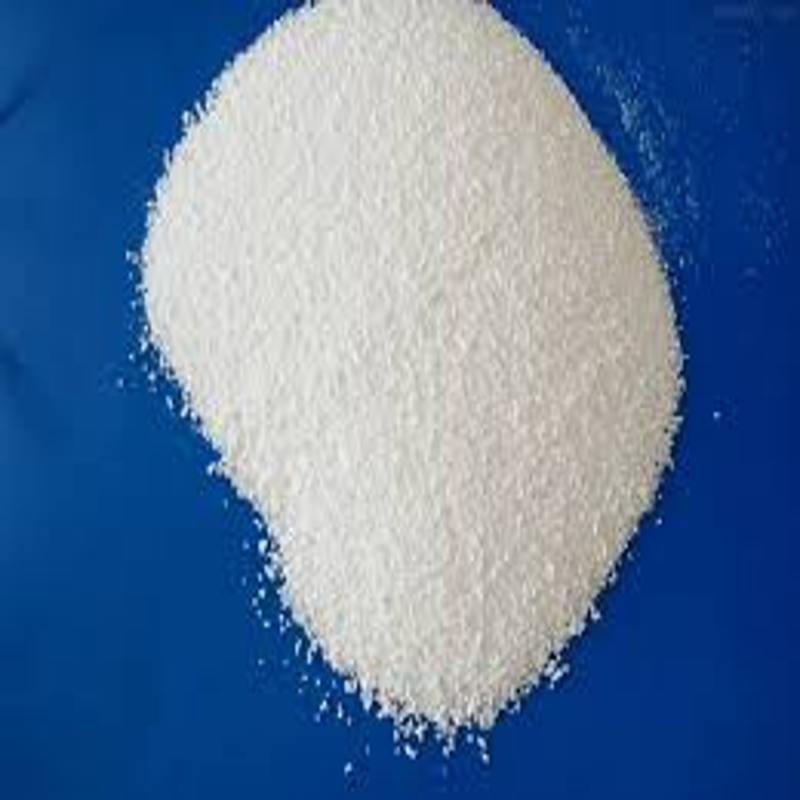
    • Appearance: White, crystalline powder
    • Odor: Slight, sweet odor
    • Sweetness: Approximately 1.2 to 1.8 times sweeter than sucrose (table sugar), depending on concentration and context.

    2. Chemical and Physical Properties

    • Molecular Weight: 180.16 g/mol
    • Melting Point: 103°C (217°F)
    • Solubility: Highly soluble in water; 1 g of fructose dissolves in approximately 0.2 mL of water at room temperature.
    • pH (solution): Around 5 to 7 in water
    • Density: 1.6 g/cm³ (crystalline form)
    • Optical Rotation: D-Fructose is optically active and rotates light to the right, which distinguishes it from other sugars like glucose.

    3. Production Process

    Fructose is typically produced by the hydrolysis of sucrose (table sugar) or from corn syrup (in the form of high fructose corn syrup, HFCS), which contains a mixture of glucose and fructose.

    • Extraction from Fruits: Fructose is naturally abundant in fruits like apples, pears, and grapes, as well as in honey and certain root vegetables.
    • Hydrolysis of Sucrose: When sucrose is hydrolyzed (split by water), it produces an equal mixture of glucose and fructose.
    • High Fructose Corn Syrup (HFCS): A commonly used industrial method for producing fructose involves converting glucose in corn syrup into fructose using enzymes, resulting in a product that typically contains 42% to 55% fructose.

    4. Applications

    Fructose has a wide range of applications due to its sweetness, solubility, and natural occurrence in food. Here are the key uses:

    a) Food and Beverages

    • Sweetener: Fructose is used as a sweetener in various food and beverage products like sodas, fruit juices, jams, and processed foods.
    • Beverages: Often used in carbonated drinks and energy drinks due to its intense sweetness, which allows manufacturers to use less sugar compared to sucrose.
    • Baking: Fructose is used in baking for its ability to retain moisture, which can help extend the shelf life of baked goods.
    • Low-Glycemic Products: Since fructose has a lower glycemic index than glucose, it is sometimes used in diabetic-friendly food products.

    b) Pharmaceuticals

    • Syrups and Solutions: Fructose is used in oral syrups, especially those intended for children, as it is sweeter than glucose and sucrose and can help mask the bitter taste of active ingredients.
    • Infant Formulas: It may be used in infant formulas as a carbohydrate source, providing a sweet taste and energy source.

    c) Cosmetics

    • Moisturizing Agent: Fructose is used in some skin care products due to its hygroscopic (water-attracting) properties, helping to retain moisture in the skin.
    • Hair Care: It may also be included in shampoos and conditioners as a humectant to maintain moisture balance in hair.

    d) Industrial Uses

    • Fermentation: Fructose is used in the fermentation process for producing ethanol and biofuels, especially as a substrate in bioethanol production.
    • Animal Feed: Fructose is used in some animal feed formulations due to its high energy content.

    5. Health and Nutritional Considerations

    a) Advantages

    • Sweetness: Fructose is sweeter than sucrose, which means that less can be used to achieve the same level of sweetness, making it a more efficient sweetener.
    • Lower Glycemic Index: Fructose has a lower glycemic index than glucose, meaning it has a smaller effect on blood sugar levels. This is one reason why it is used in some diabetic products, though its overall impact on health can still be a concern.

    b) Disadvantages and Concerns

    • Metabolism: Fructose is primarily metabolized in the liver, where it can be converted into glucose, stored as fat, or used for energy. Excessive consumption of fructose has been linked to insulin resistance, fatty liver disease, and obesity.
    • Increased Risk of Heart Disease: High consumption of fructose, especially from sources like high-fructose corn syrup (HFCS), has been associated with elevated triglycerides, an indicator of cardiovascular disease risk.
    • Fructose Malabsorption: Some individuals have difficulty absorbing fructose, leading to gastrointestinal discomfort, bloating, and diarrhea (a condition called fructose malabsorption).

    c) Recommended Intake

    While fructose is naturally present in many foods and has some beneficial properties, it is important to consume it in moderation. Excessive consumption of added sugars, including fructose, is not recommended by health organizations like the World Health Organization (WHO) and the American Heart Association (AHA).


    6. Safety and Handling

    Fructose is considered safe for use as a sweetener in food and beverages. However, as with any sweetener or ingredient, excessive consumption may lead to adverse health effects over time.

    Handling and Storage

    • Storage: Fructose should be stored in a cool, dry place away from direct sunlight. It should be kept in airtight containers to prevent moisture absorption.
    • Packaging: Typically available in bulk or in smaller packaging (such as 25 kg bags or 500g packs) for industrial or consumer use.
    • Shelf Life: Fructose has a long shelf life when stored properly, typically lasting several years.

    7. Regulatory Information

    • FDA (USA): Fructose is generally recognized as safe (GRAS) when used in food and beverages in accordance with good manufacturing practices.
    • EU Regulations: Fructose, as a food ingredient, is approved for use in the EU and is subject to strict regulations regarding maximum allowable concentrations in food and beverages.
    • Codex Alimentarius: The Codex Alimentarius, which sets international food standards, has established guidelines for the safe use of fructose in food products.

    8. Market Availability and Pricing

    Fructose is widely produced and used globally, particularly in the food and beverage industry. It is available in various forms, such as crystalline powder or liquid syrup. The price of fructose can vary depending on the form, purity, and quantity ordered.

    • Pricing: On average, the price of fructose powder can range between $2 to $4 per kg for bulk orders, depending on the supplier and region.

    Summary of Fructose

    • Chemical Formula: C₆H₁₂O₆
    • CAS Number: 57-48-7
    • Appearance: White crystalline powder
    • Uses: Widely used as a sweetener in food and beverages, pharmaceuticals, cosmetics, and industrial applicati


    Pls input...

    Items Specifications


    Basic Info
    Product Name:

    Fructose

    Other Name:

    D-Fructose;Fructose,D-;D-arabino-2-Hexulose;Levulose;D-(-)-Levulose;Fructose;Sugar,fruit;Fruit sugar;Furucton;D-(-)-Fructose;Nevulose;Hi-Fructo 970;Krystar 300;Krystar;Fujifructo L 95;Advantose FS 95;Hi-Fructo M 75;Hi-Fructo F;NF 55;HFD 95;69-67-0;3812-57-5;10597-68-9;196419-06-4;149014-33-5

    CAS No.:

    57-48-7

    Molecular Formula:

    C6H12O6

    InChIKeys:

    InChIKey=BJHIKXHVCXFQLS-UYFOZJQFSA-N

    Molecular Weight:

    180.16

    Exact Mass:

    180.16

    BRN:

    1239004

    EC Number:

    200-333-3

    UNII:

    6YSS42VSEV

    HScode:

    17025000

    Categories:

    Organic Reagents

    Characteristics
    PSA:

    118

    XLogP3:

    -2.23

    Appearance:

    White Crystals or Crystalline Powder

    Density:

    1.580 g/cm3 @ Temp: -5 °C

    Melting Point:

    91-95 °C

    Boiling Point:

    440.1°C at 760 mmHg

    Flash Point:

    220ºC

    Refractive Index:

    1.616

    Water Solubility:

    H2O: 3750 g/L (20 ºC)

    Storage Conditions:

    2-8°C

    Specific rotation:

    -92.25 º (c=10,H2O,on dry sub.)

    Collision Cross Section:

    141.7 Ų [M+Na]+

    Hazard Identification

    Classification of the substance or mixture

    Not classified.

    GHS label elements, including precautionary statements

    Pictogram(s) No symbol.
    Signal word

    No signal word

    Hazard statement(s)

    none

    Precautionary statement(s)
    Prevention

    none

    Response

    none

    Storage

    none

    Disposal

    none

    Other hazards which do not result in classification

    no data available

    Handling and Storage

    Precautions for safe handling

    NO open flames. Closed system, dust explosion-proof electrical equipment and lighting. Prevent deposition of dust. Handling in a well ventilated place. Wear suitable protective clothing. Avoid contact with skin and eyes. Avoid formation of dust and aerosols. Use non-sparking tools. Prevent fire caused by electrostatic discharge steam.

    Conditions for safe storage, including any incompatibilities

    Separated from strong oxidants.

  • Seller Information
    Business Type:

    Distributor

    Main Products:

    ethanol,ascorbic acid,acetone,Poly(ethylene) LDPE,Polypropylene,sodium carbonate

    Location:

    Admiraal Banckertweg 12 2315 SR, Leiden, Zuid-Holland

    Payment Terms:

    TT against copy of documents,L/C,TT against B/L draft before shipment

    Average lead Time:

    45

    Total Annual Revenue:

    $1 million-$2.5 million

    Total Employees:

    11-50

    Year of Establishment:

    2010

    Certifications:

    business

  • Inquiry History
    6 Inquiries
    Country Product Purchase Quantity Date Posted
    Indonesia

    Fructose

    100.00 MT Sep 29, 2025
    Russia

    fructose

    1 20' Fcl Nov 26, 2024
    Romania

    crystalline fructose

    20 MT Mar 24, 2026
    Russia

    fructose

    20 TON Nov 26, 2024
    Russia

    Fructose

    1 MT May 16, 2024
    India

    D Fructose

    1000.00 KG May 6, 2024
    Post an enquiry for this product
pic ×

Scan the QR Code to Share

All products displayed on this website are only for non-medical purposes such as industrial applications or scientific research, and cannot be used for clinical diagnosis or treatment of humans or animals. They are not medicinal or edible.

According to relevant laws and regulations and the regulations of this website, units or individuals who purchase hazardous materials should obtain valid qualifications and qualification conditions.

The information shown above is provided by the enterprise itself, and the authenticity, accuracy and legitimacy of the content are the responsibility of the publishing company. ECHEMI does not bear any guarantee responsibility for this. Please be aware that risks in internet transactions objectively exist.

Feedback & Suggestions
Send Message

Thank you for your feedback. If you require further assistance, please contact us by email at info@echemi.com or call us at +86-532-55729510.