Below is a detailed description of fatty amine polyether in terms of its application characteristics, specification parameters, and quality standards.
Fatty Amine Polyether: A Comprehensive Overview
Application Characteristics
Fatty amine polyether is a versatile compound with a wide range of applications across various industries. Due to its unique chemical structure, it exhibits both hydrophilic and lipophilic properties, making it suitable for use in a multitude of solvents.
In the textile industry, fatty amine polyether serves as an excellent leveling agent. It is particularly effective in reducing dye bath sulfuric acid usage and minimizing fabric strength damage when used with acid complex dyes. Additionally, it enhances the uniformity of dyeing in neutral and reduction dyeing processes. Furthermore, it can act as a stripping agent for wool and nylon fabrics.
In addition to textile applications, fatty amine polyether finds use in other industries such as coatings, adhesives, and inks, thanks to its stability and multifunctionality. It can also be employed as a curing agent for epoxy resins, thereby improving the performance of the cured product.
Specification Parameters
The specification parameters of fatty amine polyether can vary depending on the specific product and manufacturer. However, some common parameters include:
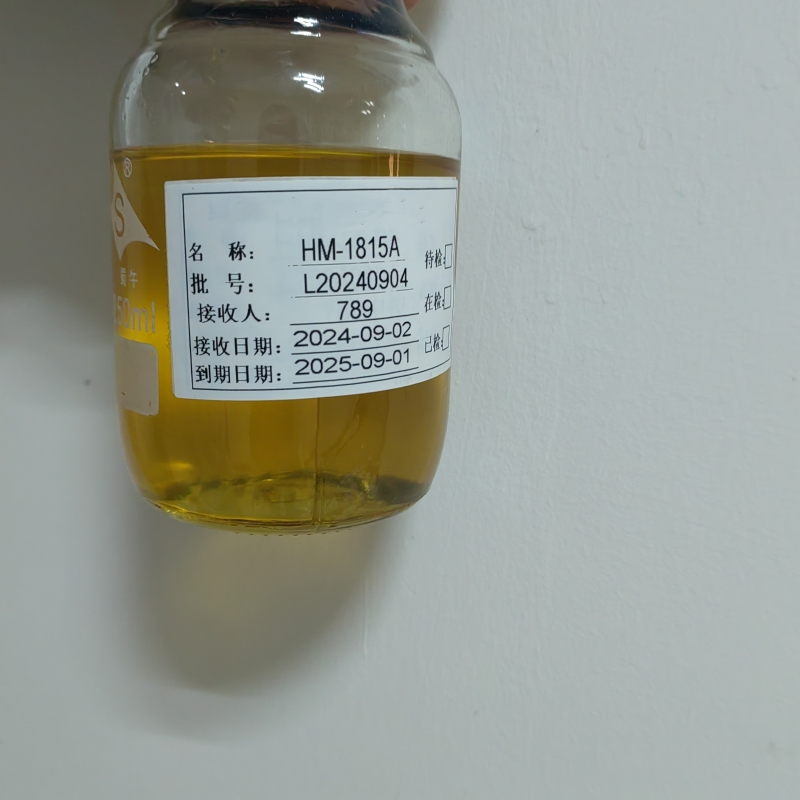
- Appearance: Typically, fatty amine polyether appears as a red-brown transparent liquid at 25°C.
- Water Content: The water content is usually limited to ≤4.0%.
- Total Amine Value: The total amine value, expressed in mgKOH/g, typically ranges between 72.0 and 80.0.
- Dioxane Content: The dioxane content is usually ≤10 mg/kg.
These parameters ensure that the product meets the required quality standards and performs effectively in its intended applications.
Quality Standards
To ensure the quality and consistency of fatty amine polyether, manufacturers adhere to strict quality standards. These standards cover various aspects of the production process, including raw material selection, production control, and final product testing.
For instance, manufacturers may use advanced production control and management systems such as DCS, SIS, MES, and ERP to ensure product quality stability and safety. Additionally, they may conduct rigorous testing to verify the product's chemical properties, such as pH value, amine value, and water content.
Furthermore, manufacturers often prioritize environmental protection and energy conservation during production. They may implement measures to reduce waste and emissions, and seek certification for their environmentally friendly practices.
In conclusion, fatty amine polyether is a versatile compound with a wide range of applications in various industries. Its unique chemical properties and stability make it an excellent choice for use as a leveling agent, curing agent, and more. By adhering to strict quality standards and using advanced production techniques, manufacturers can ensure that their products meet the highest standards of quality and performance.