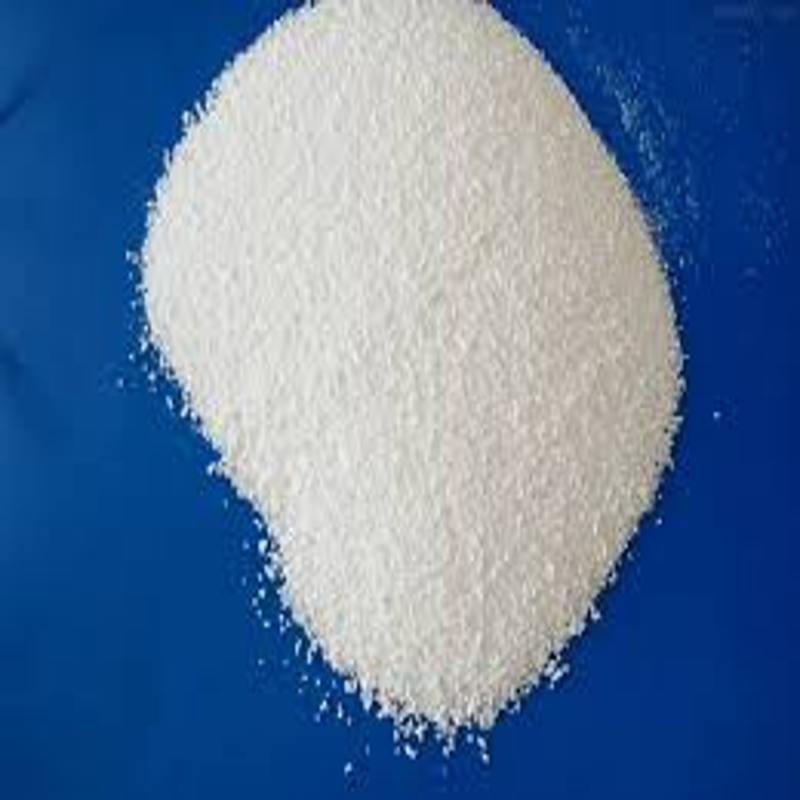
Diphenyl Ether (99%) - Product Information
Diphenyl Ether (C₁₂H₁₀O), also known as Phenyl Ether, is a widely used organic compound with various industrial and laboratory applications. With a 99% purity specification, this form of diphenyl ether is suitable for more demanding uses, including as a solvent in chemical reactions, as a heat transfer fluid, and in other high-performance applications.
1. Chemical Identity
- Chemical Name: Diphenyl Ether
- IUPAC Name: 1,1'-Oxybisbenzene
- Chemical Formula: C₁₂H₁₀O
- Molecular Weight: 170.21 g/mol
2. Physical and Chemical Properties
- Appearance: Colorless to pale yellow liquid, can also be a solid at lower temperatures.
- Boiling Point: 257°C (494.6°F)
- Melting Point: -27.5°C (-17.5°F)
- Density: 1.04 g/cm³ at 25°C
- Solubility: Insoluble in water; soluble in organic solvents like ethanol, acetone, ether, and chloroform.
- Vapor Pressure: Low vapor pressure, which makes it suitable for high-temperature applications.
- Reactivity: Stable under standard conditions; inert with many other chemicals but reacts under specific conditions (e.g., at high temperatures or in the presence of strong oxidizers).
3. Production Methods
Diphenyl ether is typically produced through the reaction of phenol and benzene in the presence of an acid catalyst, usually at high temperature and pressure. Another method involves the dehydrogenation of diphenyl methane.
4. Applications and Uses
Industrial Uses:
- Heat Transfer Fluids: Due to its high boiling point and low freezing point, diphenyl ether is commonly used in heat transfer systems and thermal oils in industries requiring high temperature operation.
- Solvent: It serves as a solvent in the chemical, pharmaceutical, and paint industries, particularly when a high-boiling, non-polar solvent is needed.
- Chemical Synthesis: It is an intermediate in the production of various organic chemicals, including phenolic compounds and pesticides.
- Electrical Insulation: Diphenyl ether is used as an insulating fluid in electrical components like transformers and capacitors due to its stability at high temperatures.
Pharmaceutical and Research Uses:
- Research Solvent: Due to its relatively inert nature and ability to dissolve a variety of compounds, it is often used in research settings, especially in organic synthesis and chromatography.
- Synthetic Chemistry: Used in the synthesis of certain organic compounds and in laboratory-scale reactions where a high-boiling solvent is needed.
Other Applications:
- Plastic and Polymer Additives: Sometimes used in the production of heat-resistant plastics and resins.
- Polymerization Reactions: Diphenyl ether is sometimes used in polymerization processes, especially in high-temperature conditions.
5. Safety and Handling
- Toxicity: Diphenyl ether is considered to have low toxicity but can still cause mild irritation to the eyes and skin. Inhalation of vapors in high concentrations can lead to dizziness, headaches, or nausea.
- Flammability: It is a flammable liquid and should be handled away from open flames, sparks, and other ignition sources. The compound should be stored in cool, dry places away from heat and flame.
- Precautionary Measures: Proper protective equipment such as gloves, goggles, and suitable respiratory protection should be used when handling this chemical, particularly in confined or poorly ventilated spaces.
- Storage: Store in tightly sealed containers, in a cool and dry environment. Ensure containers are properly labeled and that storage complies with local regulations for flammable liquids.
6. Environmental Impact
Diphenyl ether is not readily biodegradable, and it can be harmful to aquatic life if released into the environment. Proper disposal and containment procedures should be followed to minimize environmental contamination.
7. Market and Pricing
The 99% pure Diphenyl Ether typically costs more than lower-purity forms due to its higher quality. The price can range depending on the supplier, quantity, and region. As of the latest market information, the price for bulk quantities of high-purity diphenyl ether can range from $3,000 to $6,000 per ton. Smaller quantities for laboratory use may cost more per kilogram.
8. Related Compounds
- Phenol (C₆H₆O): Phenol is the starting material in the production of diphenyl ether.
- Biphenyl (C₆H₅C₆H₅): Biphenyl is a closely related compound, which consists of two benzene rings without the oxygen atom that connects them, and is used similarly as a heat transfer fluid.
- Anisole (C₆H₅OCH₃): Anisole is another ether derivative with a methoxy group (-OCH₃) instead of a phenyl group.