Product
Supplier
Encyclopedia
Inquiry
Home > Agrochemicals > Pesticide Intermediates > 2,4,6,8-Tetramethyl-1,3,5,7-Tetraoxacyclooctane for Sale > Powder Insecticide Pesticide Molluscicide Metaldehyde 5% Dp CAS 108-62-3
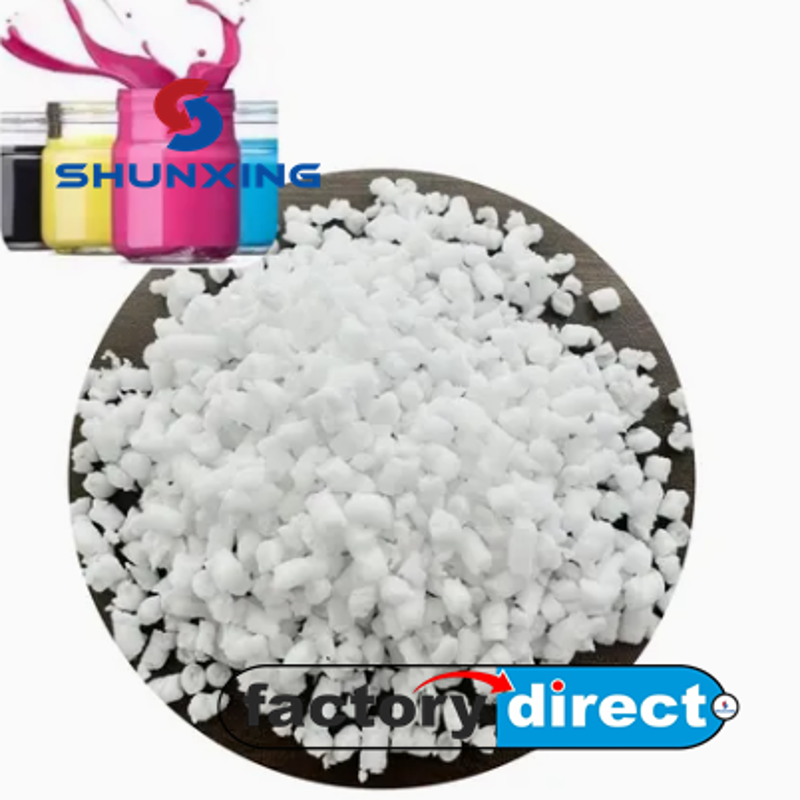
Powder Insecticide Pesticide Molluscicide Metaldehyde 5% Dp CAS 108-62-3 buy - large image1
Powder Insecticide Pesticide Molluscicide Metaldehyde 5% Dp CAS 108-62-3 buy - image1
Powder Insecticide Pesticide Molluscicide Metaldehyde 5% Dp CAS 108-62-3 buy - image2
Powder Insecticide Pesticide Molluscicide Metaldehyde 5% Dp CAS 108-62-3 buy - image3
Powder Insecticide Pesticide Molluscicide Metaldehyde 5% Dp CAS 108-62-3 buy - image4
Powder Insecticide Pesticide Molluscicide Metaldehyde 5% Dp CAS 108-62-3 buy - image5
Powder Insecticide Pesticide Molluscicide Metaldehyde 5% Dp CAS 108-62-3 buy - image6

Powder Insecticide Pesticide Molluscicide Metaldehyde 5% Dp CAS 108-62-3

1 Inquiries

Unit Price: Get Latest Price
CAS No.:

108-62-3

Grade:

Agricultural Grade

Content:

99.9%

Port:

Shanghai

Brand:

SX

Packaging:

25kg/bag

Sample Available:

Yes

Price valid (until):

2025-08-31

Company Type:
Trader
Location:
China
Payment Terms:
TT against copy of documents,L/C,TT against B/L draft before shipment,100% TT in advance
Average Lead Time:
7 days
Qualification:
Main Products:

HPMC,Lithium Carbonate,Cellulose Acetate Tow,EVA resin,Terpene Resin,PP fiber

  • Product Description

  • Seller Information

  • Inquiry History

  • Description


    Product Description


    Product name Metaldehyde
    Specification 98%TC;80%WP;40%SC
    Use Prevention and control of snails in rice fields, snails and slugs in citrus and cotton fields, slugs and snails in melon fields
    Features White to colorless crystalline solid, insoluble in water, insoluble in acetic acid. It is flammable, explosive, non-corrosive; No photolysis, no hydrolysis, can react with oxidant

    Tetracyletaldehyde is a cyclic polymer of tetracyletaldehyde, which is a pesticide used to control snails and other gastropods, so it is also known as the "snail enemy". Its molecular formula is C8H16O4 and its molecular weight is 176.21. Metaldehyde is a white to colorless crystalline solid, insoluble in water, easily soluble in benzene, insoluble in acetic acid. It is flammable, explosive, non-corrosive; No photolysis, no hydrolysis, can react with oxidant.

    Tetracytaldehyde has a special flavor and strong attraction, and is commonly used as an insecticide against slugs, snails and other gastropods. It can allow such animals to be poisoned and die in a short time after contact, but it does not accumulate in plants and will not harm crops. 
     

    Action mechanism Metaldehyde is a highly selective molluscicide. 6% Mita, light blue appearance, softened in water, has a special fragrance, has a strong attraction. When the snail is attracted by the attractant and feeds or comes into contact with the agent, a large amount of acetylcholinesterase is released in the snail body, destroying the special mucus in the snail body, causing rapid dehydration of the snail body, nerve paralysis, and secreting mucus. Due to the loss of a large number of body fluids and the destruction of cells, the snail and the slugs are poisoned and die in a short time. The main ingredients are tetraldehyde, menafaryl and bait. Low toxicity to humans and animals, low toxicity to fish, land and aquatic non-target organisms, low toxicity to silkworms.
    Usage method Granules - This product is spread on the surface of bare land or around the roots of crops, in order to obtain a good control effect, it must be according to the living habits of snails and slugs. In the peak season of pest breeding, two weeks after the first use of additional application, the effect is better. Because the spring and autumn rainy seasons are the peak period of snail activity, which is the key period of application, 500 grams of 6% granules per mu can be used after seeding or transplantation of seedlings, and evenly spread, or mixed with fine sand, so that Fushou snails, snails and slugs can easily contact the agent and achieve the seedling protection effect.
    Wettable powder - Rice: Apply this product within one day after planting, spray on the rice field, the water layer should be 3-4 cm, and keep for 3-7 days. Apply the same amount to vegetables, cotton and tobacco as above, and spray evenly to make it easier for slugs and snails to access the agent. Seedling field: Apply the medicine immediately after sowing the seeds. Transplant field: Apply medicine immediately after transplantation. Tobacco, cotton (for seedling protection): After the crop transplantation, spray some on the root of the crop immediately, can achieve the ideal effect.
    Attention 1. In case of low temperature (below 1.5 ° C) or high temperature (above 35 ° C), the snail activity is weak, affecting the control effect.
    2. do not trample on the ground after application, if heavy rain, the drug particles are washed into the water by rain, it will also affect the efficacy, need to be applied.
    3.after using this pesticide, do not trample in the field.
    Store Closed operation, local exhaust. Prevent the release of dust into the workshop air. Operators must be specially trained and strictly abide by the operating procedures. It is recommended that operators wear self-priming filter dust masks, chemical safety glasses, anti-gas permeating work clothes, and latex gloves. Keep away from fire and heat. No smoking in the workplace. Use explosion-proof ventilation systems and equipment. Avoid producing dust. Avoid contact with oxidants. Equipped with the corresponding variety and quantity of fire equipment and leakage emergency treatment equipment. Empty containers may have harmful residues.
    Application 1.Agriculture
    The products of Metaldehyde are called Mida, snail enemy, snail killer, snail Mars, Meta, snail killer, etc.; The common dosage forms are 5%, 6%, 10%, 15% granules, 50%, 80% wettable powder. Tetaldehyde is commonly used as an insecticide against slugs, snails and other gastropods. It is suitable for vegetables, ornamental crops, fruit trees, berries, bananas, etc. grown in sheds or outdoors. It is a low toxicity pesticide assessed by the World Health Organization (WHO), and a medium toxicity insecticide according to the toxicity classification standard of pesticides in China.
    Metaldehyde has a special flavor and a strong attraction. After snails and slugs are consumed or contacted, a large amount of acetylcholinesterase is released in their bodies, destroying the special mucus in the body, causing rapid dehydration, nerve paralysis, destruction of a large number of body fluids and cells, and death in a short time. However, Metaldehyde does not accumulate in plants and does not harm crops.
    Metaldehyde can be used to control Fushu snail in rice field, mixed with granular sand within 1 day after transplanting, and applied evenly, it is appropriate to apply after rain or in the evening. To control snails and slugs in citrus and cotton fields, granules can be applied in the evening. When controlling slugs and snails in melon fields, you can choose to spread or apply granules in clear sky.

    2.Industry
    (1)Solid fuel
    Metaldehyde can be used as a solid fuel for small heaters in industry and is known as solid alcohol. Because it is flammable, burns smoothly, and has no ash pollution, it can be used as a component in lighting candles and fireworks materials, and can also be used to make firecrackers, fireworks, and colored candles.
    (2)Blowing agent
    In the manufacture of foam, Metaldehyde is a blowing agent. For example, in the process of caprolactam polymerization, a small amount of Metaldehyde can be added to produce a very light texture of polyamine foam.
    (3)catalyst
    Metaldehyde can be used as a catalyst for artificial rainfall. Artificial catalytic rainfall is an effective fire extinguishing method and a better fire prevention measure. As an artificial ice core, Metaldehyde has the advantages of high efficiency, low cost and non-toxic, which can replace expensive, scarce and toxic silver iodide. The determination of the ice-forming property of Metaldehyde shows that its ice-forming rate is slightly lower than that of silver iodide, but the ice-forming threshold temperature is higher than that of silver iodide, about -1ºC. For seeding clouds slightly below 0 ° C, Metaldehyde is superior to silver iodide. At the same time, the experimental results show that in the process of use, all Metaldehyde has been evaporated, and some particles of silver iodide remain in the atmosphere, falling downward, causing atmospheric pollution.
    Our Advantages

    1. We have a professional and efficient team that can meet your various needs.
    2. Have rich knowledge and sales experience in chemical products, and have in-depth research on the use of products and how to maximize their effects.
    3. The system is sound, from supply to production, packaging, quality inspection, after-sales, and from quality to service to ensure customer satisfaction.
    4. Price advantage. On the premise of ensuring quality, we will give you the best price to help maximize customers' interests.
    5. Transportation advantages, air, sea, land, express, all have dedicated agents to take care of it. No matter what transportation method you want to take, we can do it.
     

    Packing
    Shop Powder Insecticide Pesticide Molluscicide Metaldehyde 5% Dp CAS 108-62-3-Detailed Image 1
    Shop Powder Insecticide Pesticide Molluscicide Metaldehyde 5% Dp CAS 108-62-3-Detailed Image 2
    Shop Powder Insecticide Pesticide Molluscicide Metaldehyde 5% Dp CAS 108-62-3-Detailed Image 3
    Shop Powder Insecticide Pesticide Molluscicide Metaldehyde 5% Dp CAS 108-62-3-Detailed Image 4


    Our Office
    Shop Powder Insecticide Pesticide Molluscicide Metaldehyde 5% Dp CAS 108-62-3-Detailed Image 5
    Shop Powder Insecticide Pesticide Molluscicide Metaldehyde 5% Dp CAS 108-62-3-Detailed Image 6
    Shop Powder Insecticide Pesticide Molluscicide Metaldehyde 5% Dp CAS 108-62-3-Detailed Image 7


    Certifications


    After Sales Service & FAQs

    After Sales Serve

    Before shipping: Send the estimated shipping time, estimated arrival time, shipping advice, and shipping photos to the customer in advance.
    During transportation: Update tracking information timely.
    Arrival at destination: Contact the customer after the goods arrive at the destination.
    After receiving the goods: Track customer's goods packaging and quality.
     

    FAQs:

    1. Can I get samples?

    Of course, we provide our customers free samples, but you need to pay the shipping cost on your own.

    2. What are the payment terms?

    For payment terms, we accept Bank Account, L/C, T/T, D/P and so on.

    3. How about the packaging?

    We provide the usual types of packages for our customers. If you need, we can also customize packages as you required.

    4. How about the shipping costs?

    We provide air, sea and land transportation. According to your order, we will choose the best way to transport your goods. Shipping costs may vary because of the different shipping ways.

    5. What are the delivery time?

    We will arrange production immediately as soon as we accept your deposit. For small orders, the delivery time is approximately 3-7 days. For large orders, we will start production as soon as possible after the contract is signed, the appearance of the product is confirmed, the packaging is made and your approval is obtained.

    6. Do you have the after-sales service?

    Yes, we have. We have seven systems to guarantee your goods produce smoothly. We have Supply System, Production Management System, QC System,  Packaging System ,  Inventory System ,  Inspection System Before Delivery  and  After-Sales System . All of them are applied to ensure your goods arriving at your destination safely. If you have any questions, please feel free to contact us.


    ECHEMI Editorial Reference
    white fine crystalline powder Metaldehyde is a white crystalline powder with a mild menthol odor.
    Metaldehyde (CAS: 108-62-3) is a polymer of acetaldehyde that is used as a pesticide against snails and slugs, and also as a fuel. It was discovered by von Liebig in 1835, and a century later its use as a molluscicide was proposed by Gimingham and Newton in 1937. It is manufactured by reacting acetaldehyde with various acids at a low temperature. As a molluscicide, metaldehyde is used for controlling slugs and snails in gardens of a variety of vegetable and ornamental crops. For this purpose it is available in both solid and liquid formulations with metaldehyde concentrations ranging from 1.8 to 8% in pellet form, or in concentrations of up to 20% in liquid formulations. Some metaldehyde formulations may consist of other pesticides, such as arsenic; while others may contain toxic solvents like ethylene glycol. Therefore, a thorough forensic analysis of the product is recommended to assess complete risk associated with ingestion of these products.Children under the age of 3 years and pets are most commonly poisoned by ingestion of pellets or cakes containing metaldehyde. Intoxication by metaldehyde is typically acute, characterized initially by gastrointestinal and subsequently followed predominantly by neurologic signs. Vomiting, diarrhea, ataxia, tremors, convulsions, and hyperthermia are among the most common toxic signs in children and animals. Other clinical signs in children include mental confusion, muscle cramps and tremors, loss of consciousness, and coma. The proximate neurotoxic mechanisms are not known but reduced levels of neurotransmitters such as serotonin and g-aminobutryric acid (GABA) are implicated. Delayed effects of acute exposure include hepatotoxicity characterized by hepatic necrosis and increased serum liver enzymes. In general, males metabolize metaldehyde twice as fast as females. Therefore, female animals are more sensitive to metaldehyde poisoning compared to males. Most of the neurotoxic signs are seen at dose levels greater than 100 mg of metaldehyde per kilogram. Developmental studies have shown that metaldehyde exposure during pregnancy does not adversely affect fetuses.Chronic metaldehyde exposure is unlikely. However, experimental research has shown that metaldehyde is toxic under chronic exposure conditions. In males, chronic metaldehyde exposure causes testicular atrophy and is also toxic to the prostate gland. It causes atrophy of the prostate gland. It is not clear whether the effects on male gonads are due to endocrine disruption or through a different mechanism. There is also suggestive evidence of carcinogenic potential based on the presence of benign tumors in female rats and mice of both sexes.Provided treatment is initiated early in cases of acute exposure, prognosis is good. In dogs, the mortality rate in a recently completed study was 16%. Because there is no specific antidote, treatment consists of decontamination measures and symptomatic therapy. Recent formulations of metaldehyde pesticides contain denatonium benzoate, a bittering agent. The purpose of adding the bittering agent is to deter excessive ingestion of the products. This, along with new labeling guidelines highlighting the risk to children and pets has caused annual cases to drop significantly since 2006.
    white fine crystalline powder
    ChEBI: Metaldehyde is a member of the class of tetroxocanes that is 1,3,5,7-tetroxocane which carries four methyl groups at positions 2,4,6 and 8. It is a potent molluscicide and the active ingredient in most slug pellets used for crop protection. It has a role as a molluscicide and a fuel.
    Human poison by ingestion. Human systemic effects by ingestion: convulsions or effect on seizure threshold. Moderately toxic by inhalation and skin contact. Experimental reproductive effects. Mutation data reported. A flammable solid. When heated to decomposition it emits acrid smoke and irritating fumes. See also ALDEHYDES.

    Basic Info
    Product Name:

    2,4,6,8-Tetramethyl-1,3,5,7-Tetraoxacyclooctane

    Other Name:

    1,3,5,7-Tetroxocane, 2,4,6,8-tetramethyl-;tetraacetaldehyde;Tetramer;Tetramethyl-1,3,5,7-tetroxocane;Totroxocane, 2,4,6,8-tetramethyl-;Vassgro mini slug pellets;ACETALDEHYDE TETRAMER;Metaldehyde,97%

    CAS No.:

    108-62-3

    Molecular Formula:

    C8H16O4

    InChIKeys:

    InChIKey=GKKDCARASOJPNG-UHFFFAOYSA-N

    Molecular Weight:

    176.21

    Exact Mass:

    176.21

    EC Number:

    203-600-2

    Color/Form:

    White

    HScode:

    29125000

    Characteristics
    PSA:

    36.9

    XLogP3:

    0.12

    Appearance:

    White Fine Crystalline Powder

    Density:

    1.27

    Melting Point:

    246 °C

    Boiling Point:

    65°C/15mmHg(lit.)

    Flash Point:

    50°C

    Refractive Index:

    1.4220 (estimate)

    Water Solubility:

    0.02 g/100 mL (20 ºC)

    Storage Conditions:

    0-6°C

    Vapor Pressure:

    6.6Pa at 25℃

    Toxicity:

    The toxic mechanism in snails and slugs is different from that in mammals and birds. Metaldehyde irreversibly damages mucous secreting cells of snails and slugs on which these organisms depend. In animals and birds, the proximate toxic mechanism of metaldehyde is not known, but is either due to toxicity of metaldehyde itself or of its metabolite acetaldehyde on the brain and other tissues. The fundamental neurotoxic molecular mechanisms are not known, but a depression of serotonin and GABA is suspected to play a role.

    Flammability characteristics:

    Flammable

    Odor:

    Menthol odor

    Henrys Law Constant:

    1.9×10⁻¹mol/(m3Pa) at 25℃, HSDB (2015)

    Critical Temperature & Pressure:

    Keep in dark place,Sealed in dry,2-8°C

    Hazard Identification

    Classification of the substance or mixture

    Flammable solids, Category 2

    Acute toxicity - Category 3, Oral

    Hazardous to the aquatic environment, long-term (Chronic) - Category Chronic 3

    Reproductive toxicity, Category 2

    GHS label elements, including precautionary statements

    Pictogram(s)
    Signal word

    Warning

    Hazard statement(s)

    H228 Flammable solid

    H301 Toxic if swallowed

    H412 Harmful to aquatic life with long lasting effects

    Precautionary statement(s)
    Prevention

    P210 Keep away from heat, hot surfaces, sparks, open flames and other ignition sources. No smoking.

    P240 Ground and bond container and receiving equipment.

    P241 Use explosion-proof [electrical/ventilating/lighting/...] equipment.

    P280 Wear protective gloves/protective clothing/eye protection/face protection/hearing protection/...

    P264 Wash ... thoroughly after handling.

    P270 Do not eat, drink or smoke when using this product.

    P273 Avoid release to the environment.

    P203 Obtain, read and follow all safety instructions before use.

    Response

    P370+P378 In case of fire: Use ... to extinguish.

    P301+P316 IF SWALLOWED: Get emergency medical help immediately.

    P321 Specific treatment (see ... on this label).

    P330 Rinse mouth.

    P318 IF exposed or concerned, get medical advice.

    Storage

    P405 Store locked up.

    Disposal

    P501 Dispose of contents/container to an appropriate treatment and disposal facility in accordance with applicable laws and regulations, and product characteristics at time of disposal.

    Other hazards which do not result in classification

    no data available

    Handling and Storage

    Precautions for safe handling

    Handling in a well ventilated place. Wear suitable protective clothing. Avoid contact with skin and eyes. Avoid formation of dust and aerosols. Use non-sparking tools. Prevent fire caused by electrostatic discharge steam.

    Conditions for safe storage, including any incompatibilities

    Regulated by IATA.

  • Seller Information
    Business Type:

    Trader

    Main Products:

    HPMC,Lithium Carbonate,Cellulose Acetate Tow,EVA resin,Terpene Resin,PP fiber

    Location:

    Building 4, Feicui Building, No. 366 Xinshi North Road, Qiaoxi District, Shijiazhuang City, Hebei Province

    Payment Terms:

    TT against copy of documents,L/C,TT against B/L draft before shipment,100% TT in advance

    Average lead Time:

    7 days

    Total Annual Revenue:

    $5 million-$10 million

    Total Employees:

    51-100

    Year of Establishment:

    2024

    Hebei Shunxing Import and Export Co., Ltd. distributes and wholesales best-selling chemical products in the consumer market, enjoying a high position among consumers. The company has established long-term and stable cooperative relationships with multiple retailers and agents. The company was founded in 2012 and has a sales history of over 10 years. There are around 160 employees. Hebei Shunxing Import and Export Co., Ltd. operates a complete range of chemical products at reasonable prices. Our company has strong strength, values credit, abides by contracts, and guarantees product quality. With the characteristics of diversified business and the principle of small profits and quick sales, we have gained the trust of more and more customers. In today's increasingly transparent product prices, our company has won the trust of our customers with its thoughtful service and excellent product quality, and has established a mutually beneficial cooperative relationship with them. The company will continue to make friends from all walks of life in an honest and mutually beneficial manner, warmly welcoming friends from all walks of life。

    The company's main products are HPMC, PM, MDEA, LAS60%, Tween (R) 80, EDTA,white oil and so on.Most of them belong to general organic chemicals

  • Inquiry History
    1 Inquiries
    Country Product Purchase Quantity Date Posted
    Albania

    Metaldehyde

    10 TON Jan 6, 2025
    Post an enquiry for this product
pic ×

Scan the QR Code to Share

All products displayed on this website are only for non-medical purposes such as industrial applications or scientific research, and cannot be used for clinical diagnosis or treatment of humans or animals. They are not medicinal or edible.

According to relevant laws and regulations and the regulations of this website, units or individuals who purchase hazardous materials should obtain valid qualifications and qualification conditions.

The information shown above is provided by the enterprise itself, and the authenticity, accuracy and legitimacy of the content are the responsibility of the publishing company. ECHEMI does not bear any guarantee responsibility for this. Please be aware that risks in internet transactions objectively exist.

Feedback & Suggestions
Send Message

Thank you for your feedback. If you require further assistance, please contact us by email at info@echemi.com or call us at +86-532-55729510.