**Introduction to PVC Processing Aids**
Polyvinyl chloride (PVC) is one of the most widely used thermoplastic materials due to its versatility, durability, and cost-effectiveness. However, processing PVC can be challenging due to its inherent properties, such as poor thermal stability and high melt viscosity. To address these issues and enhance the processing efficiency and final product quality, various PVC processing aids are employed.
**What Are PVC Processing Aids?**
PVC processing aids are specialized additives designed to improve the processing characteristics of PVC during manufacturing. These aids facilitate easier handling, better melt flow, and enhanced mechanical properties of the final product. They are essential in ensuring that PVC can be processed efficiently using methods such as extrusion, injection molding, and calendering.
**Key Functions of PVC Processing Aids**
1. **Improving Melt Strength and Elasticity**: PVC processing aids increase the melt strength and elasticity of the polymer, which is crucial for processes like blow molding and thermoforming. This helps in maintaining the shape and integrity of the product during processing.
2. **Enhancing Thermal Stability**: PVC is prone to degradation at high temperatures. Processing aids help stabilize the polymer, preventing discoloration and degradation during thermal processing.
3. **Reducing Melt Viscosity**: By lowering the melt viscosity, these aids make it easier to process PVC, allowing for smoother extrusion and molding. This results in better surface finish and dimensional stability of the final product.
4. **Promoting Fusion**: Processing aids facilitate the fusion of PVC particles, ensuring a homogeneous melt. This is particularly important for achieving consistent mechanical properties and appearance in the final product.
5. **Improving Surface Quality**: These aids help in reducing surface defects such as sharkskin and orange peel, leading to a smoother and more aesthetically pleasing surface finish.
**Common Types of PVC Processing Aids**
1. **Acrylic-Based Processing Aids**: These are the most widely used processing aids, known for their effectiveness in improving melt strength, elasticity, and thermal stability.
2. **Methacrylate-Butadiene-Styrene (MBS)**: MBS aids are used to enhance impact resistance and processability, particularly in rigid PVC applications.
3. **Chlorinated Polyethylene (CPE)**: CPE is used to improve flexibility, impact strength, and processability in both rigid and flexible PVC formulations.
4. **Other Specialty Additives**: These include lubricants, stabilizers, and impact modifiers that work synergistically with processing aids to optimize PVC processing and performance.
**Applications of PVC Processing Aids**
PVC processing aids are used in a wide range of applications, including:
- **Construction**: Pipes, fittings, window profiles, and siding.
- **Packaging**: Blister packs, bottles, and films.
- **Automotive**: Interior and exterior trim, underbody coatings.
- **Medical**: Tubing, blood bags, and medical devices.
- **Consumer Goods**: Toys, footwear, and household items.
**Conclusion**
PVC processing aids play a crucial role in overcoming the challenges associated with PVC processing. By improving melt properties, thermal stability, and surface quality, these additives enable the production of high-quality PVC products across various industries. As the demand for PVC continues to grow, the development and application of advanced processing aids will remain essential in meeting the evolving needs of manufacturers and end-users alike.





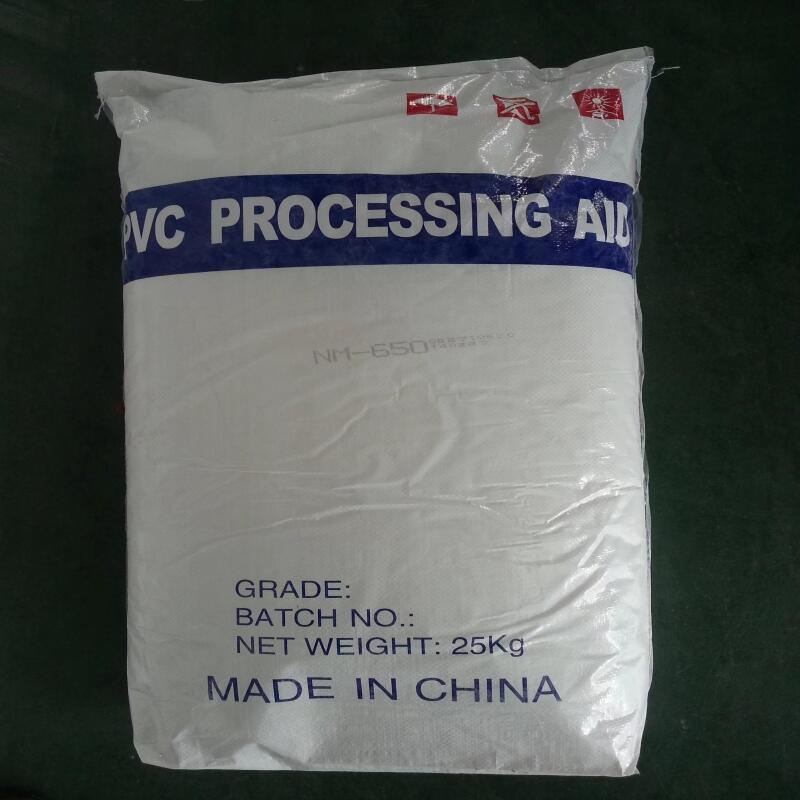

 TDS
TDS