3-Fluoro-4-aminobenzonitrile (CAS 63069-50-1): A Comprehensive Introduction
3-Fluoro-4-aminobenzonitrile, with the CAS number 63069-50-1, is a highly significant chemical compound in the field of organic chemistry. This compound has attracted extensive attention due to its unique chemical structure and a wide range of potential applications. In this article, we will explore in detail the properties, uses, applications in various fields, and preparation methods of 3-Fluoro-4-aminobenzonitrile.
Properties of 3-Fluoro-4-aminobenzonitrile
3-Fluoro-4-aminobenzonitrile is an organic compound with the molecular formula C₇H₅FN₂. Its molecular weight is approximately 136.13 g/mol. The compound appears as a solid at room temperature, and its physical and chemical properties are crucial for understanding its behavior in different environments.
Physical Properties
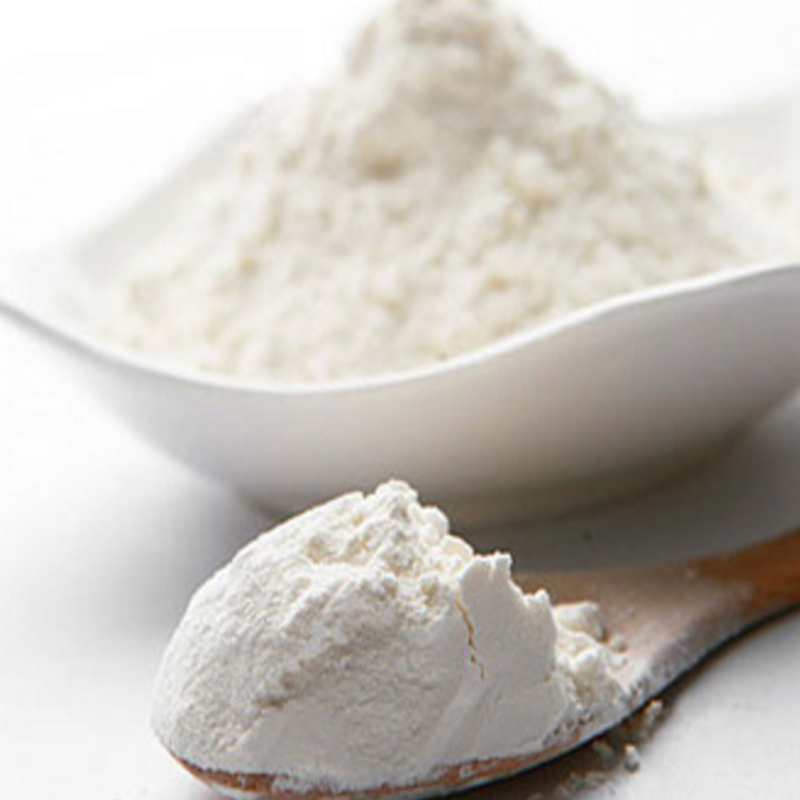
- Appearance: Usually, it is a white to off – white crystalline powder. This appearance makes it easy to handle and identify in laboratory and industrial settings.
- Melting Point: The melting point of 3-Fluoro-4-aminobenzonitrile is around 112 – 116 °C. This relatively high melting point indicates strong intermolecular forces within the compound, such as hydrogen bonding and van der Waals forces.
- Solubility: It has limited solubility in water but is soluble in common organic solvents such as ethanol, acetone, and dichloromethane. This solubility characteristic is important for its use in organic synthesis reactions, as it allows for easy dissolution in reaction media.
Chemical Properties
- Reactivity: The amino group (-NH₂) and the cyano group (-CN) in 3-Fluoro-4-aminobenzonitrile are reactive functional groups. The amino group can undergo reactions such as acylation, alkylation, and diazotization. The cyano group can be hydrolyzed to form carboxylic acids or reduced to form amines.
- Stability: Under normal storage conditions, 3-Fluoro-4-aminobenzonitrile is relatively stable. However, it should be stored in a cool, dry place away from strong oxidizing agents and acids to prevent decomposition.
If you are interested in 3-Fluoro-4-aminobenzonitrile, please click the following button to send an inquiry:
Send Inquiry
Uses of 3-Fluoro-4-aminobenzonitrile
3-Fluoro-4-aminobenzonitrile has a wide range of uses in different industries, mainly due to its unique chemical structure and reactivity.
Intermediate in Organic Synthesis
It serves as a key intermediate in the synthesis of various organic compounds. For example, it can be used in the synthesis of pharmaceuticals, agrochemicals, and dyes. In pharmaceutical synthesis, it can be further modified to introduce new functional groups, leading to the formation of biologically active molecules. In agrochemical synthesis, it can be used to prepare pesticides and herbicides with specific activities.
Building Block for Heterocyclic Compounds
The compound can act as a building block for the synthesis of heterocyclic compounds. Heterocyclic compounds are widely used in the fields of medicine, materials science, and catalysis. By reacting 3-Fluoro-4-aminobenzonitrile with appropriate reagents, different types of heterocyclic rings can be formed, such as pyridine, pyrimidine, and pyrazole derivatives.
Applications in Various Fields
Pharmaceutical Industry
In the pharmaceutical industry, 3-Fluoro-4-aminobenzonitrile plays an important role in the development of new drugs. It can be used as a starting material for the synthesis of drugs with anti-cancer, anti-inflammatory, and anti-microbial activities. For example, some research groups have reported the synthesis of novel anti-cancer agents using 3-Fluoro-4-aminobenzonitrile as a key intermediate. These drugs work by targeting specific biological pathways in cancer cells, inhibiting their growth and proliferation.
Agrochemical Industry
In the agrochemical industry, it is used in the production of pesticides and herbicides. Pesticides synthesized from 3-Fluoro-4-aminobenzonitrile can effectively control pests such as insects and mites, while herbicides can selectively inhibit the growth of weeds. The unique chemical properties of the compound allow for the design of agrochemicals with high efficacy and low environmental impact.
Materials Science
3-Fluoro-4-aminobenzonitrile can also be used in materials science. It can be incorporated into polymers to improve their properties, such as thermal stability, mechanical strength, and chemical resistance. For example, by copolymerizing 3-Fluoro-4-aminobenzonitrile with other monomers, new types of polymers with unique properties can be obtained, which have potential applications in the fields of electronics, aerospace, and automotive industries.
Preparation Methods of 3-Fluoro-4-aminobenzonitrile
Method 1: From 3-Fluoro-4-aminobenzonitrile
One of the common methods for preparing 3-Fluoro-4-aminobenzonitrile is the reduction of 3-Fluoro-4-aminobenzonitrile. The reaction typically involves using a reducing agent such as iron powder in the presence of an acid, usually hydrochloric acid. The reaction mechanism involves the transfer of electrons from the reducing agent to the nitro group, converting it into an amino group. The reaction is carried out under reflux conditions in an appropriate solvent, such as ethanol or water. After the reaction is completed, the product is isolated by filtration, washing, and recrystallization.
Method 2: Through Diazotization and Reduction
Another method involves the diazotization of an appropriate aniline derivative followed by reduction. First, the aniline derivative is diazotized using sodium nitrite in the presence of an acid, usually hydrochloric acid or sulfuric acid. The resulting diazonium salt is then reduced to the corresponding amine using a reducing agent such as tin(II) chloride or sodium sulfite. This method requires careful control of reaction conditions, such as temperature and pH, to ensure high yields and purity of the product.