Product Table
| Product Name | 5-aminolevulinic acid |
| Other Name | 5ALA,5-ALA |
| Purity | 90% |
| Appearance | Yellow Powder |
| CAS | 106-60-5 |
| Molecular formula | C5H9NO3 |
| EINECS | 203-414-1 |
| Water Solubility | 100% Water Soluble |
| Grade | Agricultural Grade |
Description
"5-Aminolevulinic acid" (5-ALA) is an organic compound containing oxygen. It is the common precursor of the biosynthesis of all porphyrin compounds. It is a non-protein amino acid widely present in bacteria, fungi, animals and plants. It is a naturally occurring physiologically active substance in plants that is essential for plant life activities and has active metabolism. It has no toxic side effects, is easily degraded and has no residue. It can be used as a seedling growth agent, yield increaser, color enhancer, greening agent, defoliant, herbicide, and insecticide in agricultural production.
Effect of Seaweed extract
1.Plant Growth Regulator
2.Green herbicide
3.Pesticides
Green herbicide
Herbicides produced using 5-ALA can kill dicotyledonous weeds. But are harmless to crops such as cereals, wheat, and barley, which mostly belong to monocotyledonous plants, and have selective weeding effects.
Paper Support
Exogenously applied 5-aminolevulinic acid modulates growth, yield, and physiological parameters in lentil (Lens culinaris Medik.) under rain-fed and supplemental irrigation conditions
Conclusions
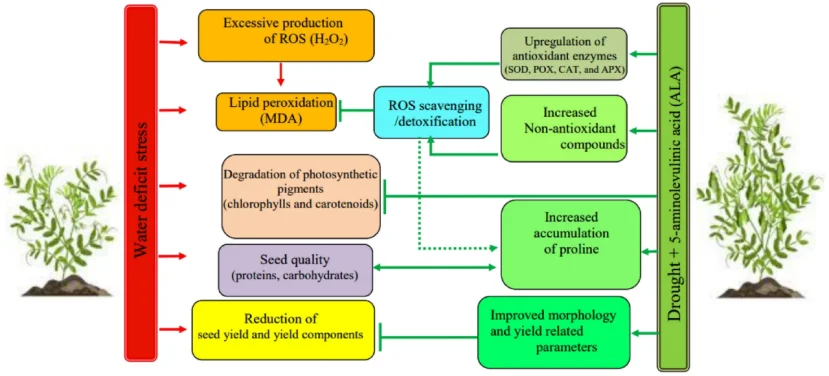
The study revealed the positive effects of using exogenous application of ALA on lentils growth and metabolism under rainfed conditions. By providing the supplementary irrigation during flowering and seed-filling stages, the quality and growth of lentils can be increased, resulting in improved yield-related traits. Moreover, foliar application of ALA enhances the studied attributes in lentil when grown under rain-fed conditions. Exogenous ALA regulates the photosynthetic pigments (chlorophylls and carotenoids), antioxidant enzyme activities, and compatible solutes while reducing H2O2 levels and increasing yield components in lentil plants, making them more tolerant to water-deficit stress. The use of ALA as a growth regulator is a novel approach to mitigate drought stress effects in dry farming conditions, and further research is needed to evaluate the regulatory mechanism of ALA treatment at the molecular level.
Mohammadi, H., Ezati, P., Hazrati, S. et al. Exogenously applied 5-aminolevulinic acid modulates growth, yield, and physiological parameters in lentil (Lens culinaris Medik.) under rain-fed and supplemental irrigation conditions. Sci Rep 13, 21312 (2023). https://doi.org/10.1038/s41598-023-48732-y
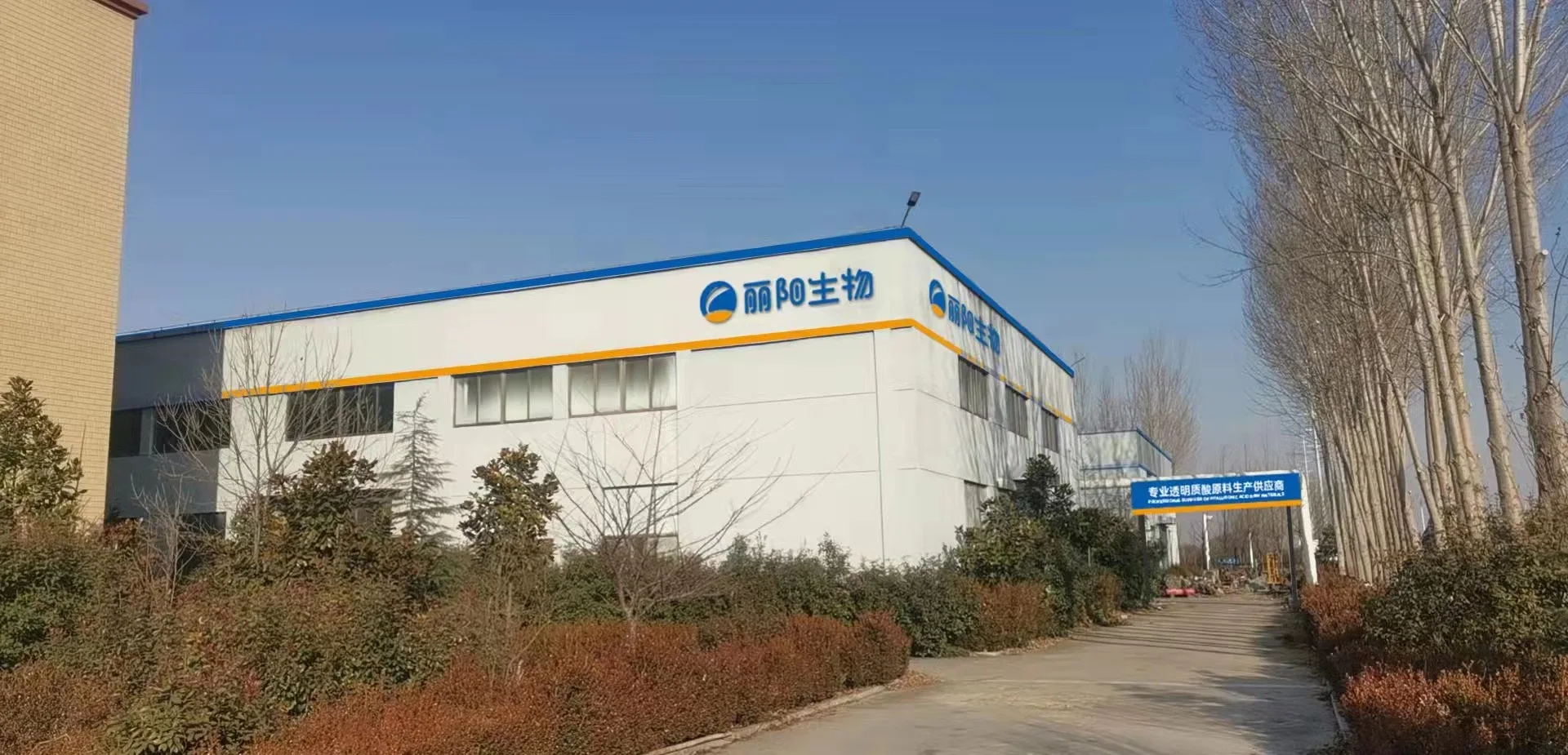
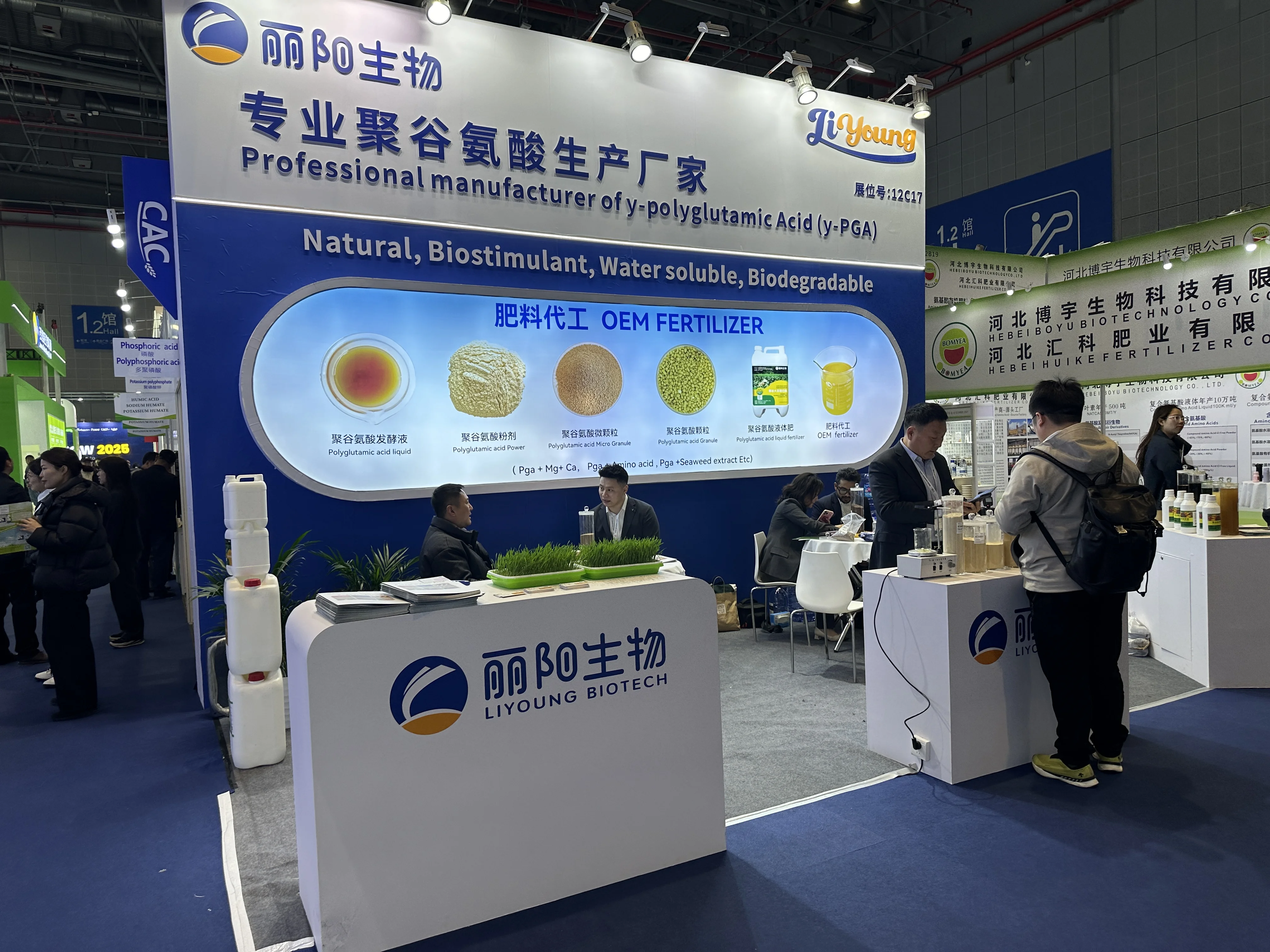
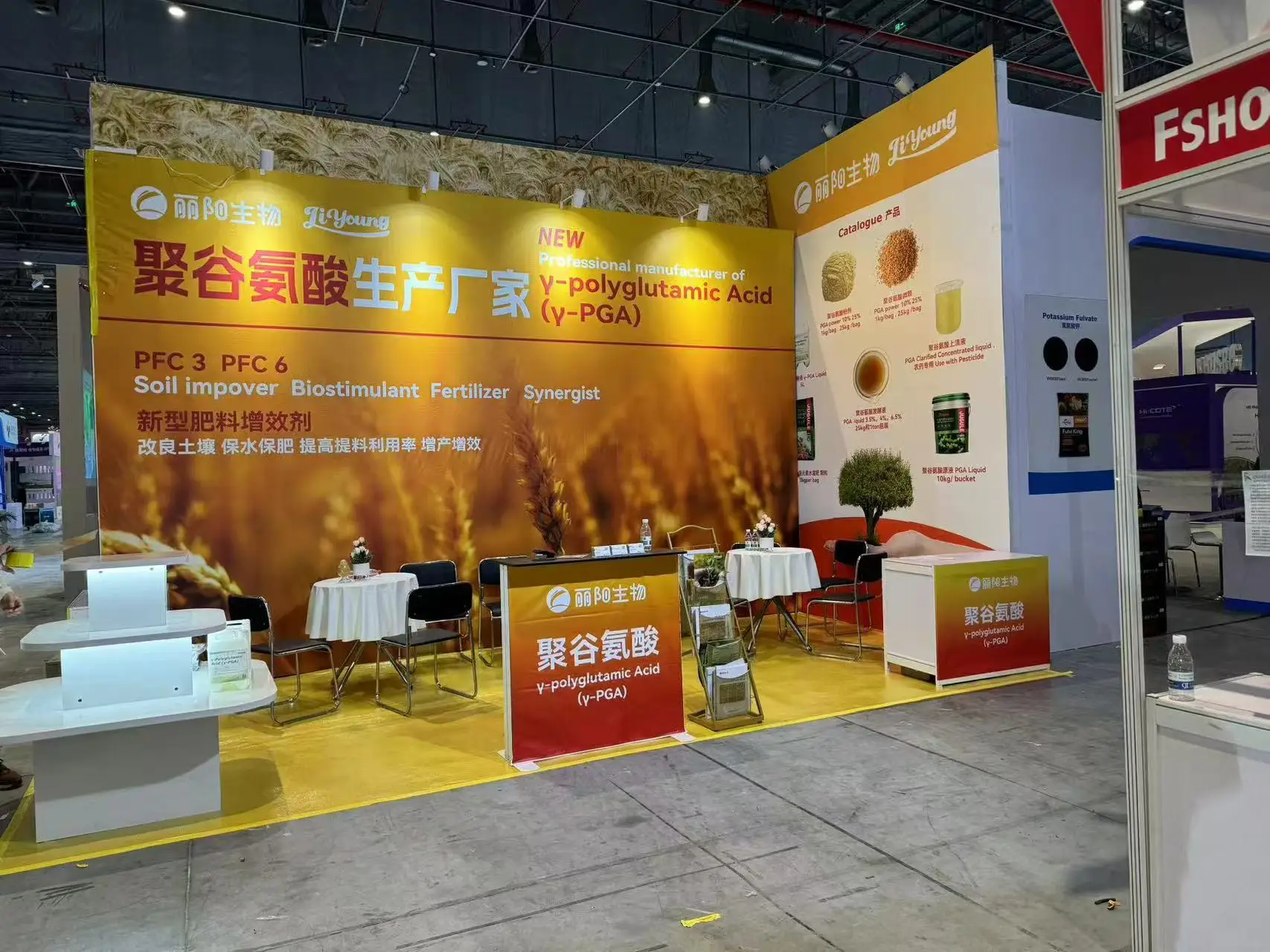
Factory&Exhibition