Product
Supplier
Encyclopedia
Inquiry
Home > Food Additives > Other Food Additives > β-nicotinamide mononucleotide, reduced form, disodium salt(NMNH) for Sale > β-nicotinamide mononucleotide, reduced form, disodium salt(NMNH) 98.0%Min RC00582
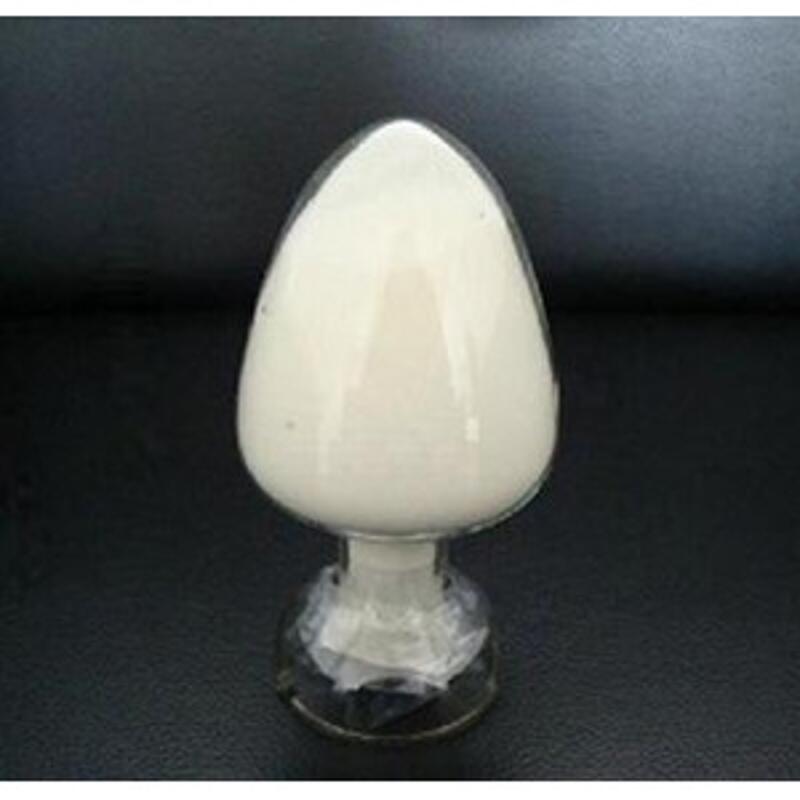
β-nicotinamide mononucleotide, reduced form, disodium salt(NMNH)  98.0%Min  RC00582 buy - large image1
β-nicotinamide mononucleotide, reduced form, disodium salt(NMNH)  98.0%Min  RC00582 buy - image1

β-nicotinamide mononucleotide, reduced form, disodium salt(NMNH) 98.0%Min RC00582

11 Inquiries

Unit Price: Get Latest Price
CAS No.:

108347-85-9

Grade:

Food Grade

Content:

98%

Port:

中国

Brand:

Royalchem

Packaging:

25kg/drum

Price valid (until):

2025-12-31

Company Type:
Trader
Location:
China
Qualification:
Main Products:

Pharmaceutical intermediates

  • Product Description

  • Seller Information

  • Inquiry History

  • Description


      Product Detail  


    Manufacturer: Hangzhou Royalchem Co.,LTD.

    Website:  www.cnroyalchem.com

    Here is a detailed product description for β-Nicotinamide Mononucleotide, Reduced Form, Disodium Salt (NMNH), CAS 108347-85-9:

    1. Chemical Identity & Structure  *  Chemical Name:  β-Nicotinamide Mononucleotide, Reduced Form, Disodium Salt *  Common Abbreviations:  NMNH; rNMNH; Dihydronicotinamide ribotide disodium salt *  CAS Number:  108347-85-9 *  Synonyms:  1-(5-O-Phosphono-β-D-ribofuranosyl)-1,4-dihydronicotinamide disodium salt; Dihydronicotinamide ribonucleotide disodium salt; β-Dihydronicotinamide ribose monophosphate disodium salt *  Molecular Formula:  C₁₁H₁₄N₂Na₂O₈P • xH₂O (Commonly supplied as hydrate, often monohydrate C₁₁H₁₆N₂Na₂O₉P) *  Molecular Weight:  377.18 g/mol (Anhydrous) *  IUPAC Name:  Disodium [(2R,3S,4R,5R)-5-(1,4-dihydro-3-carbamoylpyridin-1-yl)-3,4-dihydroxyoxolan-2-yl]methyl phosphate *  Structure:  NMNH consists of a reduced nicotinamide ring (dihydronicotinamide) glycosidically linked to the anomeric carbon of ribose, which is phosphorylated at the 5'-hydroxyl group. The disodium salt neutralizes the phosphate group's acidity. The reduced ring lacks the aromaticity of NMN/NMN⁺.

    2. Key Characteristics & Properties  *  Appearance:  Typically supplied as a lyophilized (freeze-dried) powder. *  Color:   P ale yellow to yellow solid Crucially, the reduced form (dihydronicotinamide) is inherently unstable and can oxidize upon exposure to air, moisture, or light, often developing a yellowish, pinkish, or reddish hue over time. A significant red/pink color indicates substantial oxidation to NMN⁺.  *  Solubility:  Soluble in water. Solubility in organic solvents is generally poor. Solutions are typically prepared fresh. *  Purity:  ≥9 8 % (HPLC) is common for research-grade material. Purity is assessed primarily by HPLC (UV detection, often at 260 nm or specific for dihydronicotinamide ~340-360 nm). *  Stability:   Highly unstable.  NMNH is extremely sensitive to: *  Oxidation:  Rapidly oxidizes upon exposure to atmospheric oxygen, converting back to NMN⁺. This is the primary degradation pathway. *  Light:  Accelerates oxidation. *  Heat:  Accelerates degradation. *  pH:  Degrades faster under acidic or strongly alkaline conditions. *  Storage:   Must be stored desiccated at ≤ -20°C, preferably ≤ -80°C, under inert atmosphere (argon or nitrogen) and protected from light.  Short-term handling should minimize air exposure. Lyophilized powders are more stable than solutions.

    3. Biological Significance & Function  *  Reduced Form of NMN:  NMNH is the two-electron reduced (dihydro) form of β-Nicotinamide Mononucleotide (NMN⁺). *  NAD(P)H Precursor:  Serves as a direct biosynthetic precursor to the reduced forms of the essential pyridine nucleotides, Nicotinamide Adenine Dinucleotide (NADH) and Nicotinamide Adenine Dinucleotide Phosphate (NADPH). *  Role in Redox Metabolism:  While NMN⁺ is a key precursor for NAD⁺ synthesis, NMNH itself is a direct precursor for NADH and NADPH synthesis. NADH and NADPH are the primary cellular reducing agents, essential for: * ATP production via oxidative phosphorylation (NADH). * Anabolic biosynthesis (e.g., fatty acid, cholesterol, nucleotide synthesis - NADPH). * Antioxidant defense systems (e.g., glutathione reductase - NADPH). * Detoxification reactions (Cytochrome P450 systems - NADPH). *  Enzymatic Conversion:  NMNH is phosphorylated to NADH by NAD⁺ kinase or can be adenylated to NADH. It can also be reduced to NADPH.

    4. Primary Applications (Research Use Only)  *  Biochemistry Research:  Fundamental studies on pyridine nucleotide biosynthesis, metabolism, and interconversion pathways. *  Enzymology Research:  Investigation of enzymes that utilize or produce NMNH, NADH, or NADPH as substrates, cofactors, or products (e.g., dehydrogenases, reductases, NAD⁺ kinases). *  Cellular Metabolism Studies:  Exploring the role and dynamics of reduced pyridine nucleotide pools (NADH/NADPH) in cellular energy metabolism, redox balance, and signaling. Investigating the potential impact of direct NMNH supplementation on cellular NADH/NADPH levels. *  Redox Signaling Research:  Studying the influence of NADH/NADPH levels and the NAD⁺/NADH & NADP⁺/NADPH ratios on cellular signaling pathways and gene expression. *  Comparative Studies:  Comparing the biological effects and metabolism of NMNH vs. its oxidized counterpart (NMN⁺) and other NAD⁺ precursors (e.g., NR, NAM). *  (Potential) Nutraceutical/Pharmaceutical Research:   Emerging and highly experimental  research into the potential therapeutic effects of elevating NADH/NADPH levels via NMNH supplementation in models related to energy deficits, oxidative stress, mitochondrial dysfunction, aging, or metabolic disorders.  This is preclinical research; efficacy and safety in humans are not established.

    5. Handling & Safety  *  For Research Use Only:  Not for diagnostic, therapeutic, or human consumption. *  Stability Handling:  Due to extreme sensitivity to oxidation, handling must be meticulous. Reconstitute only immediately before use with degassed buffers if possible, under inert atmosphere. Minimize exposure to air, light, and heat. Aliquot solutions and store unused aliquots at ≤ -80°C. *  Safety Data Sheet (SDS):  Consult the specific SDS provided with the product for detailed hazard information, handling precautions, first aid measures, and disposal procedures. *  General Precautions:  Wear appropriate personal protective equipment (PPE) including lab coat, gloves, and safety glasses. Avoid inhalation, ingestion, and skin/eye contact.

    Manufacturer

    Hangzhou Royalchem Co.,LTD.

    Website:  www.cnroyalchem.com

    Index Name

    Specifications

    Appearance

    Pale yellow to yellow solid

    Content

    98.0%

    Water

    10.0%

    Pb

    0.5 ppm

    Hg

    0.5 ppm

    As

    0.5 ppm

    Cd

    0.5 ppm

    Total microbial count

    300 CFU/g

    E.coil

    Not Detected

    Yeast and mold

    10 CFU/g

    Salmonelia

    Not Detected

    Staphylococcus aureus

    Not Detected

    Shop β-nicotinamide mononucleotide, reduced form, disodium salt(NMNH)  98.0%Min  RC00582-Detailed Image 1

    ECHEMI Editorial Reference
    NMNH (reduced Nicotinamide Mononucleotide) is a new potent NAD+ precursor. It is a new form of NMN, can increase NAD levels to a much higher extent.NMNH is a fluorescent molecule, in contrast to NMN. The molecular formulae for NMNH is C11H17N2O8P and it is also known as 1-(5-O-phosphono-beta-D-ribofuranosyl) -1,4-dihydropyridine-3-carboxamide Reduced nicotinamide mononucleotide.
    β-Nicotinamide mononucleotide, reduced form disodium (β-NMN) is the oxidized form of NAD+ precursor and is a NAD+ enhancer. β-Nicotinamide mononucleotide, reduced form disodium can be reduced to dihydronicotinamide mononucleotide (NMNH). NMNH inhibits glycolysis, TCA cycle, and cell growth.

    Basic Info
    Product Name:

    β-nicotinamide mononucleotide, reduced form, disodium salt(NMNH)

    Other Name:

    β-nicotinamide mononucleotide, reduced form, disodium salt(NMNH);NMNH β-nicotinamide mononucleotide, reduced form, disodium salt;NMNH;β-nicotinamide mononucleotide, reduced form, disodium salt;β-Nicotinamide mononucleotide, reduced form;NMNH(β-Nicotinamide mononucleotide Reduced );β-nicoChemicalbooktinamidemononucleotide,reducedform,disodiumsalt;β-Nicotinamide mononucleotide Reduced

    CAS No.:

    108347-85-9

    Molecular Formula:

    C11H18N2NaO8P

    InChIKeys:

    LSKSZICSFLRXJW-RAJFINMANA-N

    Molecular Weight:

    360.23

    Color/Form:

    Light yellow to yellow

    Categories:

    Other Food Additives

  • Seller Information
    Business Type:

    Trader

    Main Products:

    Pharmaceutical intermediates

    Location:

    Room 336, Building 7, No. 177 Xingqiao North Road, Xingqiao Street, Linping District, Hangzhou

    Payment Terms:

    TT against copy of documents,D/P,L/C,TT against B/L draft before shipment,100% TT in advance

    Average lead Time:

    14

    Total Annual Revenue:

    Less than $1 million

    Total Employees:

    Less than 5

    Year of Establishment:

    2025

  • Inquiry History
    11 Inquiries
    Country Product Purchase Quantity Date Posted
    United States

    CAS 108347-85-9 β-nicotinamide mononucleotide, reduced form NMNH

    1 G Sep 28, 2023
    India

    NMNH(β-Nicotinamide mononucleotide Reduced )

    20 KG Oct 31, 2023
    United States

    NMNH(β-Nicotinamide mononucleotide Reduced )

    35 KG Aug 27, 2025
    Philippines

    a-nmn

    1 KG Feb 23, 2026
    United States

    NMNH

    50 G Jun 11, 2024
    Switzerland

    NMNH

    50 G Mar 26, 2024
    Philippines

    Nmnh

    100 G Dec 13, 2023
    United States

    NMNH(β-Nicotinamide mononucleotide Reduced )

    1 KG Sep 12, 2023
    Ireland

    NMNH

    1 KG Dec 25, 2023
    United States

    NMNH

    500 G Dec 13, 2023
    United States

    NMNH(β-Nicotinamide mononucleotide Reduced )

    500 G Nov 15, 2023
    Post an enquiry for this product
pic ×

Scan the QR Code to Share

All products displayed on this website are only for non-medical purposes such as industrial applications or scientific research, and cannot be used for clinical diagnosis or treatment of humans or animals. They are not medicinal or edible.

According to relevant laws and regulations and the regulations of this website, units or individuals who purchase hazardous materials should obtain valid qualifications and qualification conditions.

The information shown above is provided by the enterprise itself, and the authenticity, accuracy and legitimacy of the content are the responsibility of the publishing company. ECHEMI does not bear any guarantee responsibility for this. Please be aware that risks in internet transactions objectively exist.

Feedback & Suggestions
Send Message

Thank you for your feedback. If you require further assistance, please contact us by email at info@echemi.com or call us at +86-532-55729510.