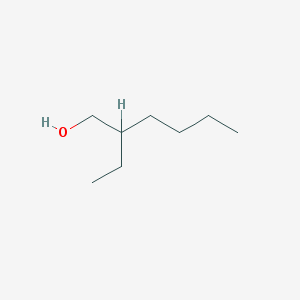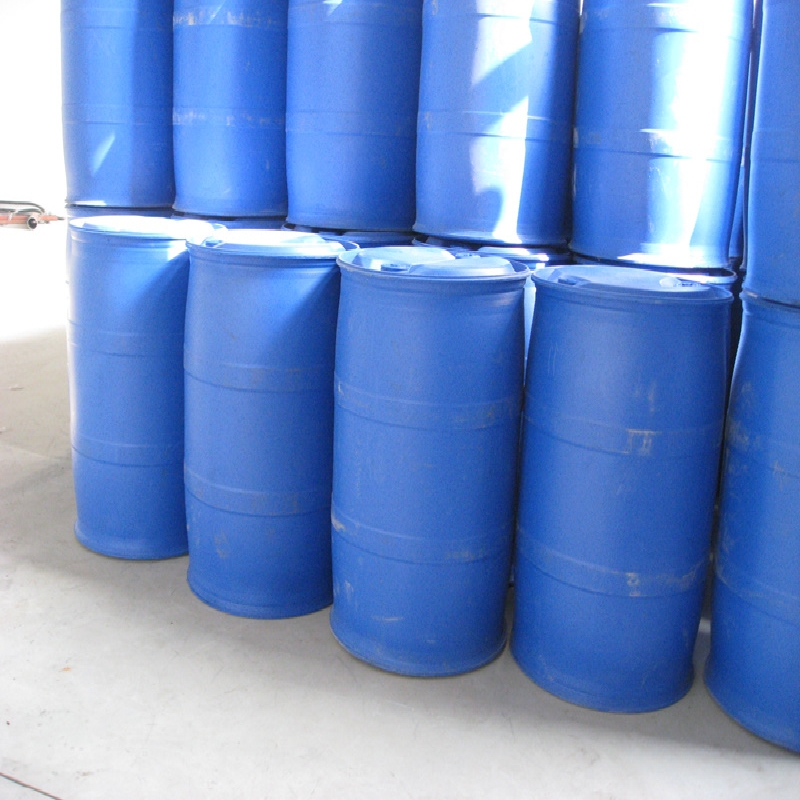

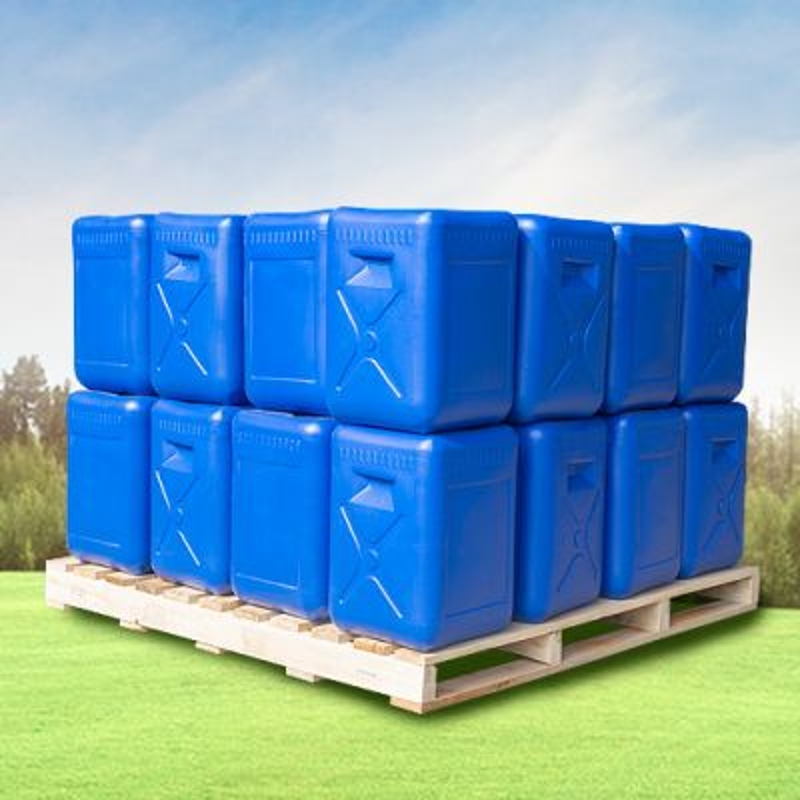
Di(2-ethylhexyl)phosphoric acid 298-07-7
TDS 9 Inquiries
298-07-7
Industrial Grade
99%
sjhanghai
zhishang
200L
Yes
2027-12-02

Agrochemicals,Daily Chemicals,Catalysts & Chemical Auxiliary Agents,Extract,Inorganic Chemicals,Organic Intermediate
-
Product Description
-
Seller Information
-
Inquiry History
-
DescriptionECHEMI Editorial Referenceclear colorless to light yellow liquid
Di-(2-ethylhexyl)phosphoric acid is an odorless light yellow liquid. Floats on water. (USCG, 1999)|Liquid|COLOURLESS OR AMBER LIQUID.
Di-(2-ethylhexyl)phosphoric acid is an odorless light yellow liquid. Floats on water. (USCG, 1999)CertificatesBasic Info-
Product Name:
Bis(2-ethylhexyl) phosphate
Other Name:Phosphoric acid,bis(2-ethylhexyl) ester;1-Hexanol,2-ethyl-,hydrogen phosphate;Bis(2-ethylhexyl) phosphate;Di(2-ethylhexyl)orthophosphoric acid;2-Ethyl-1-hexanol hydrogen phosphate;HDEHP;Di-2-ethylhexyl hydrogen phosphate;Bis(2-ethylhexyl) hydrogen phosphate;Bis(2-ethylhexyl) orthophosphate;O,O-Bis(2-ethylhexyl)phosphoric acid;O,O-Di(2-ethylhexyl)phosphoric acid;Hydrogen bis(2-ethylhexyl) phosphate;Di(2-ethylhexyl) phosphate;D 2EHPA;DP 8R;P 204 (acid);P 204;LB 58;Hostarex PA 216;Phosphoric acid di(2-ethylhexyl) ester;Orthophosphoric acid 2-ethylhexyl alcohol diester;Di(2-ethylhexyl)phosphoric acid;Dioctyl orthophosphate;Dioctyl phosphate;Dioctyl hydrogen phosphate;DEHAP;JB 58;HDEHPA;TOPS 99;DP 8;A 208 (phosphate);A 208;Baysolvex D 2EHPA;Phoslex A 208;1179814-34-6
CAS No.:298-07-7
UN No.:1902 8/PG 3
Molecular Formula:C16H35O4P
InChIKeys:InChIKey=SEGLCEQVOFDUPX-UHFFFAOYSA-N
Molecular Weight:322.42000
Exact Mass:322.42
EC Number:225-615-3
UNII:2Z4W0L3H06
ICSC Number:1412
UN Number:1902
DSSTox ID:DTXSID1027134
Color/Form:Viscous liquid|Amber liquid
HScode:29190090
Categories:
Characteristics-
PSA:
65.57000
XLogP3:5.55280
Appearance:Odorless light yellow liquid.
Density:0.973 g/cm3 @ Temp: 25 °C
Melting Point:-50 °C
Boiling Point:48ºC (12 mmHg)
Flash Point:137ºC
Refractive Index:1.44-1.444
Water Solubility:H2O: slightly soluble
Storage Conditions:Store in a tightly closed container. Store in a cool, dry, well-ventilated area away from incompatible substances. Corrosives ar
Vapor Pressure:0mmHg at 25°C
Toxicity:LD50 orally in Rabbit: 4940 mg/kg LD50 dermal Rabbit 1250 mg/kg
Odor:ODORLESS
Henrys Law Constant:Henry's Law constant = 4.1X10⁻⁸ atm-cu m/mol at 25 °C (est)
Dissociation Constants:pKa = 1.47 (est)
Experimental Properties:Decomposes at 1 atm; estimated liquid-water interfacial tension 30 dynes/cm= 0.030 n/m a 20 °C|Hydroxyl radical reaction rate constant = 6.2X10⁻¹¹ cu cm/molec-sec at 25 °C (est)
Air and Water Reactions:No rapid reaction with air. No rapid reaction with water.
Reactive Group:Esters, Sulfate Esters, Phosphate Esters, Thiophosphate Esters, and Borate Esters
Reactivity Profile:Organophosphates, such as DI-(2-ETHYLHEXYL)PHOSPHORIC ACID, are susceptible to formation of highly toxic and flammable phosphine gas in the presence of strong reducing agents such as hydrides. Partial oxidation by oxidizing agents may result in the release of toxic phosphorus oxides. Mildly corrosive to most metals; may form flammable hydrogen gas (USCG, 1999).
Heat of Combustion:-13,970 BTU/LB= -7,760 CAL/G= -325X10+5 J/KG
Corrosivity:Mildly corrosive to most metals
Hazard IdentificationClassification of the substance or mixture
Acute toxicity - Category 4, Oral
Skin corrosion, Sub-category 1C
Serious eye damage, Category 1
GHS label elements, including precautionary statements
Pictogram(s) 

Signal word Danger
Hazard statement(s) H302 Harmful if swallowed
H314 Causes severe skin burns and eye damage
Precautionary statement(s) Prevention P264 Wash ... thoroughly after handling.
P270 Do not eat, drink or smoke when using this product.
P260 Do not breathe dust/fume/gas/mist/vapours/spray.
P280 Wear protective gloves/protective clothing/eye protection/face protection/hearing protection/...
Response P301+P317 IF SWALLOWED: Get medical help.
P330 Rinse mouth.
P301+P330+P331 IF SWALLOWED: Rinse mouth. Do NOT induce vomiting.
P363 Wash contaminated clothing before reuse.
P304+P340 IF INHALED: Remove person to fresh air and keep comfortable for breathing.
P316 Get emergency medical help immediately.
P321 Specific treatment (see ... on this label).
P305+P351+P338 IF IN EYES: Rinse cautiously with water for several minutes. Remove contact lenses, if present and easy to do. Continue rinsing.
P305+P354+P338 IF IN EYES: Immediately rinse with water for several minutes. Remove contact lenses, if present and easy to do. Continue rinsing.
P317 Get medical help.
Storage P405 Store locked up.
Disposal P501 Dispose of contents/container to an appropriate treatment and disposal facility in accordance with applicable laws and regulations, and product characteristics at time of disposal.
Other hazards which do not result in classification
no data available
Handling and StoragePrecautions for safe handling
NO open flames. Handling in a well ventilated place. Wear suitable protective clothing. Avoid contact with skin and eyes. Avoid formation of dust and aerosols. Use non-sparking tools. Prevent fire caused by electrostatic discharge steam.
Conditions for safe storage, including any incompatibilities
Separated from metals.
-
-
Seller Information
-
Business Type:
Manufactory
-
Main Products:
Agrochemicals,Daily Chemicals,Catalysts & Chemical Auxiliary Agents,Extract,Inorganic Chemicals,Organic Intermediate
-
Location:
hisense intelligence valley,no 2116,of phoenix road
-
Payment Terms:
TT against copy of documents,D/P,L/C
-
Average lead Time:
7 days
-
Total Annual Revenue:
Less than $1 million
-
Total Employees:
11-50
-
Year of Establishment:
2017
-
-
Inquiry History9 Inquiries
Country Product Purchase Quantity Date Posted  India
India
Bis(2-ethylhexyl) phosphate
6 MT Jun 4, 2026  Uzbekistan
Di-2-Ethylhexyl Phosphoric Acid
1 KG Oct 18, 2024  Vietnam
D2EHPA
1000 KG Feb 13, 2025  Chile
Chile
Di(2-ethylhexyl) phosphoric acid
1000 KG Oct 15, 2025  Malaysia
Di(2-ethylhexyl) phosphoric scid (D2EHPA)
100 L Dec 1, 2023  Mexico
Di(2-ethylhexyl) phosphoric acid (D2EHPA) Industrial Grade
20 MT Nov 14, 2023  United States
D2EHPA
3 L Sep 26, 2025
Malaysia
DEHPA (Di(2-ethylhexyl)phosphoric acid)
30 L May 27, 2024  Kazakstan
Di(2-Ethylhexyl)Phosphoric Acid (D2EHPA) volume: 500 ml
4 MT May 29, 2024 Post an enquiry for this product




More from this Seller
-
-

-
1,3-Dioxolane 99.9% Colorless transparent liquid S-CAS 646-06-0 zhishang
Industrial Grade / 99.9%
-
-
-

-
Tetrachloroethylene 99% colorless liquid LK-YRM
Industrial Grade / 99%
-


Hot Related Products
-
 2-Ethylhexanol 5-10 Tons is avalible
 -
 2-ETHYL HEXANOL
 -
 2-Ethylhexanol
$0.1/KG EXW
-
 2-Ethylhexanol 99% Liquid SAA9865322545 SAA
 -
 2-EH 2-Ethylhexanol KOREA 99.7% Colorless and transparent liquid HANWHA
 -
 Ethylhexanol
 -
 China High Purity 170kg/drum or Flexitank CAS 104-76-7 2-Ethylhexanol
 -
 2-ethylhexanol for sale
 -
 China 2ethylhexanol High Purity 99.9% 2-Ethylhexanol 2EH price
 -
 2-Ethylhexanol CAS 104-76-7 High Purity Factory Direct, Good Quality Low Price, Fast Delivery