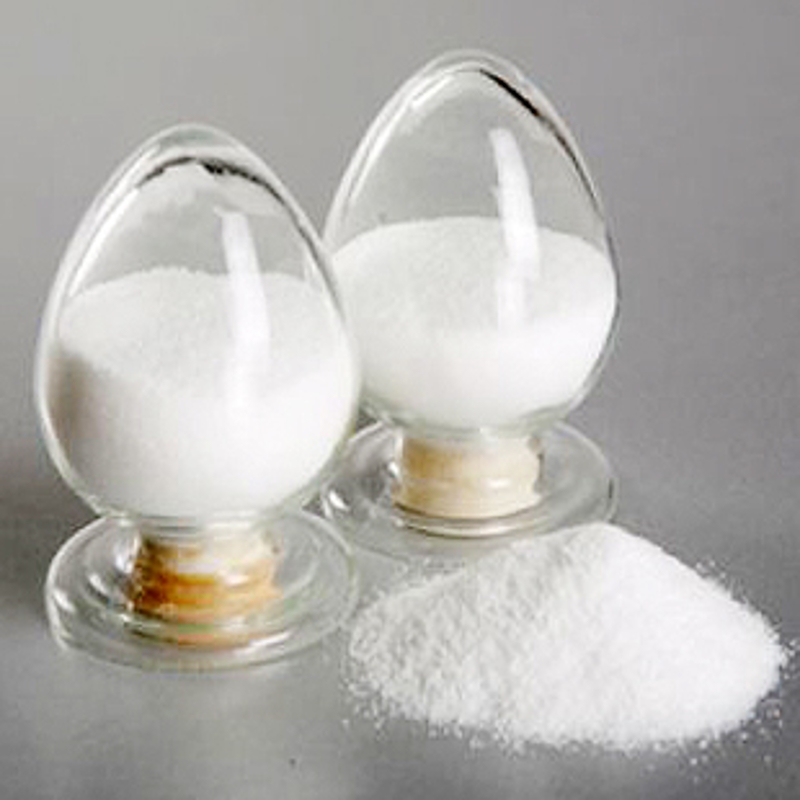
2,4-Dichlorophenoxyacetic acid,CAS 94-75-7
7 Inquiries
94-75-7
Shang hai
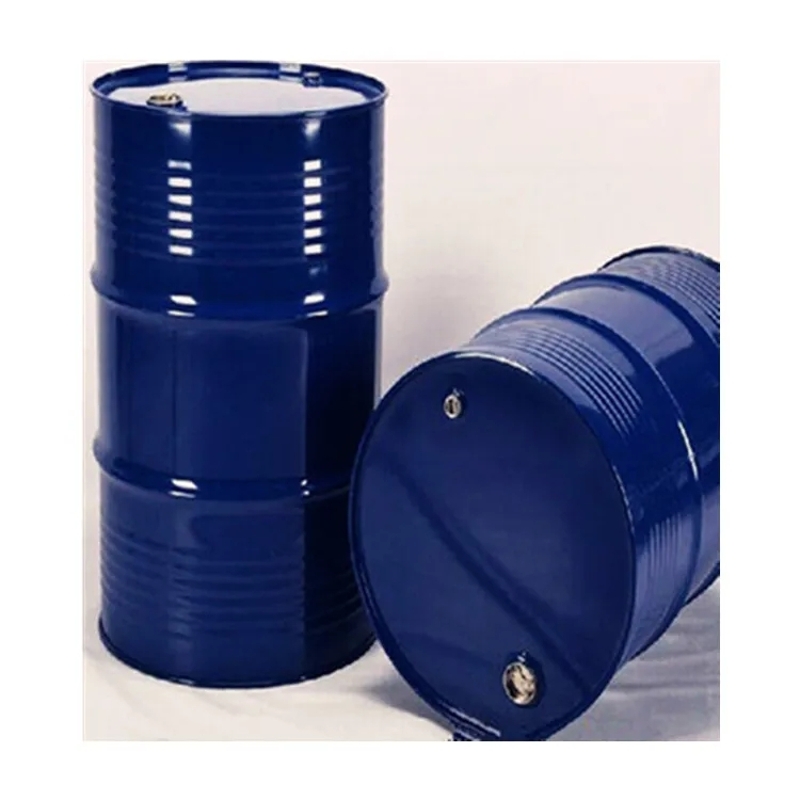
25kg/drum
Yes
2025-09-15

Agrochemicals,Daily Chemicals,Catalysts & Chemical Auxiliary Agents,Extract,Inorganic Chemicals,Organic Intermediate
-
Product Details
-
Seller Information
-
Inquiry History
-
DescriptionECHEMI Editorial Reference2,4-D (2,4-Dichlorophenoxyacetic acid) is a selective systemic herbicide for the control of broad-leaved weeds. 2,4-D acts as a plant hormone, causing uncontrolled growth in the meristematic tissues. 2,4-D inhibits DNA and protein synthesis and thereby prevents normal plant growth and development[1].Basic Info
-
Product Name:
(2,4-Dichlorophenoxy)acetic acid
Other Name:Acetic acid,2-(2,4-dichlorophenoxy)-;Acetic acid,(2,4-dichlorophenoxy)-;2-(2,4-Dichlorophenoxy)acetic acid;2,4-D;2,4-D Acid;2,4-Dichlorphenoxyacetic acid;Hedonal (herbicide);Pielik;Vidon 638;(2,4-Dichlorophenoxy)acetic acid;Dichlorophenoxyacetic acid;Foredex 75;Verton 2D;B-Selektonon;Dicopur;Fernimine;Netagrone;Ipaner;2,4-PA;Hedonal;Diclordon;2,4-Dichlorophenoxyethanoic acid;Mota Maskros;SDMA;Deherban;Basalcoat;Amoxone;Aminopielik 50SL;Monosan herbi;Desormone;Tiller S;NSC 190751;NSC 2925;Esterone;Isadiamineyeom;Dezormon;Huragan;HM 2010;Unison;Barrage HF;Profiamina;Invesamina 480SL;15183-39-8
CAS No.:94-75-7
Molecular Formula:C8H6Cl2O3
InChIKeys:InChIKey=OVSKIKFHRZPJSS-UHFFFAOYSA-N
Molecular Weight:221.04
Exact Mass:221.04
BRN:1214242
EC Number:202-361-1
HScode:29189090
Categories:
Characteristics-
PSA:
46.5
XLogP3:2.81
Appearance:off-white to tan crystalline
Density:1.42 g/cm3 @ Temp: 25 °C
Melting Point:138 °C
Boiling Point:160 °C @ Press: 0.4 Torr
Flash Point:160°C/0.4mm
Refractive Index:1.573
Water Solubility:H2O: Slightly soluble . Decomposes. 0.0890 g/100 mL
Storage Conditions:APPROX 4°C
Vapor Pressure:0.4 mm Hg ( 160 °C)
Vapor Density:7.63
Toxicity:Oral-Rat LD50: 375 mg/kg; Oral-Mouse LD50: 347 mg/kg
Flammability characteristics:Flammable; burning produces toxic chloride fumes
Odor:Oodorless
PH:2,4-D is a strong acid
Hazard IdentificationClassification of the substance or mixture
Acute toxicity - Category 4, Oral
Serious eye damage, Category 1
Skin sensitization, Category 1
Specific target organ toxicity â single exposure, Category 3
Hazardous to the aquatic environment, long-term (Chronic) - Category Chronic 3
GHS label elements, including precautionary statements
Pictogram(s) 

Signal word Danger
Hazard statement(s) H302 Harmful if swallowed
H318 Causes serious eye damage
H317 May cause an allergic skin reaction
H335 May cause respiratory irritation
H412 Harmful to aquatic life with long lasting effects
Precautionary statement(s) Prevention P264 Wash ... thoroughly after handling.
P270 Do not eat, drink or smoke when using this product.
P280 Wear protective gloves/protective clothing/eye protection/face protection/hearing protection/...
P261 Avoid breathing dust/fume/gas/mist/vapours/spray.
P272 Contaminated work clothing should not be allowed out of the workplace.
P271 Use only outdoors or in a well-ventilated area.
P273 Avoid release to the environment.
Response P301+P317 IF SWALLOWED: Get medical help.
P330 Rinse mouth.
P305+P354+P338 IF IN EYES: Immediately rinse with water for several minutes. Remove contact lenses, if present and easy to do. Continue rinsing.
P317 Get medical help.
P302+P352 IF ON SKIN: Wash with plenty of water/...
P333+P317 If skin irritation or rash occurs: Get medical help.
P321 Specific treatment (see ... on this label).
P362+P364 Take off contaminated clothing and wash it before reuse.
P304+P340 IF INHALED: Remove person to fresh air and keep comfortable for breathing.
P319 Get medical help if you feel unwell.
Storage P403+P233 Store in a well-ventilated place. Keep container tightly closed.
P405 Store locked up.
Disposal P501 Dispose of contents/container to an appropriate treatment and disposal facility in accordance with applicable laws and regulations, and product characteristics at time of disposal.
Other hazards which do not result in classification
no data available
Handling and StoragePrecautions for safe handling
NO contact with oxidizing agents. Handling in a well ventilated place. Wear suitable protective clothing. Avoid contact with skin and eyes. Avoid formation of dust and aerosols. Use non-sparking tools. Prevent fire caused by electrostatic discharge steam.
Conditions for safe storage, including any incompatibilities
Store in an area without drain or sewer access. Separated from strong oxidants and food and feedstuffs.Conditions for safe storage, including any incompatibilities: Keep container tightly closed in a dry and well-ventilated place. Keep in a dry place. Light sensitive. Moisture sensitive.
-
-
Seller Information
-
Business Type:
Manufactory
-
Main Products:
Agrochemicals,Daily Chemicals,Catalysts & Chemical Auxiliary Agents,Extract,Inorganic Chemicals,Organic Intermediate
-
Location:
9F/TOWER B DANING MUSIC PLAZA NO.777, WANRONG ROAD JINGAN, DISTRICT, SHANGHAI, R.P. CHINA
-
Payment Terms:
TT against copy of documents,D/P,L/C,TT against B/L draft before shipment,100% TT in advance
-
Average lead Time:
14 days
-
Total Annual Revenue:
$2.5 million-$5 million
-
Total Employees:
5-10
-
Year of Establishment:
2022
-
-
Inquiry History7 Inquiries
Country Product Purchase Quantity Date Posted  United Arab Emirates
2,4-Dichlorophenoxyacetic acid
300 MT Mar 27, 2026  India
India
2, 4 -Dichlorophenoxyacetic Acid
250 G Jan 14, 2026  Cameroon
2 4 D 720g/l sl, 2, 4 D 400g/l sl, 2-4 D 860g/l sl, weed killer
20 MT Aug 1, 2025  United States
Tirzepatide
10 MT Aug 9, 2024  Argentina
2, 4-Dichlorophenoxyacetic acid
100 TON Nov 1, 2024  Pakistan
2,4-dichlorophenoxyacetic acid
400 G Mar 7, 2024  Malaysia
2,4-Dichlorophenoxyacetic Acid
250 G Feb 19, 2024 Post an enquiry for this product
More from this Seller


Hot Related Products
-
 100% Liquid") Caprolactam (CPL) 100% Liquid
Caprolactam (CPL) 100% Liquid -
 Caustic Soda Flakes 99% Sodium Hydroxide NaOH Industrial Grade
 -
 Phenol for suppliers
 -
 99% Naoh Sodium Hydroxide Caustic Soda Flake/ Pearl CAS No 1310-73-2
 -
 Phenol
 -
 Phenol factory price -East Chemsources Limited
$1-1.2/MT FOB
-
 purity 99% Phenol Various purities available hly57
$1/MT FOB
-
 CSF Caustic Soda Flakes
 -
 phenol 99.9% elaborate
 -
 Factory sale CAS 108-95-2 Phenol