1. Description
Chemical properties: Urolithin A-diacetat belongs to the class of isocoumarin derivatives, with its molecular structure centered around the isocoumarin nucleus. Two acetyl groups (- COOCH3) are introduced at the phenolic hydroxyl site of urolithin A to form ester bonds. Acetylation modification enhances the lipophilicity of molecules, improves their dispersibility in lipophilic systems, and enhances chemical stability, avoiding the problem of oxidation of free phenolic hydroxyl groups. It is not easily hydrolyzed in neutral to weakly acidic environments, and long-term heating should be avoided under high temperature conditions.
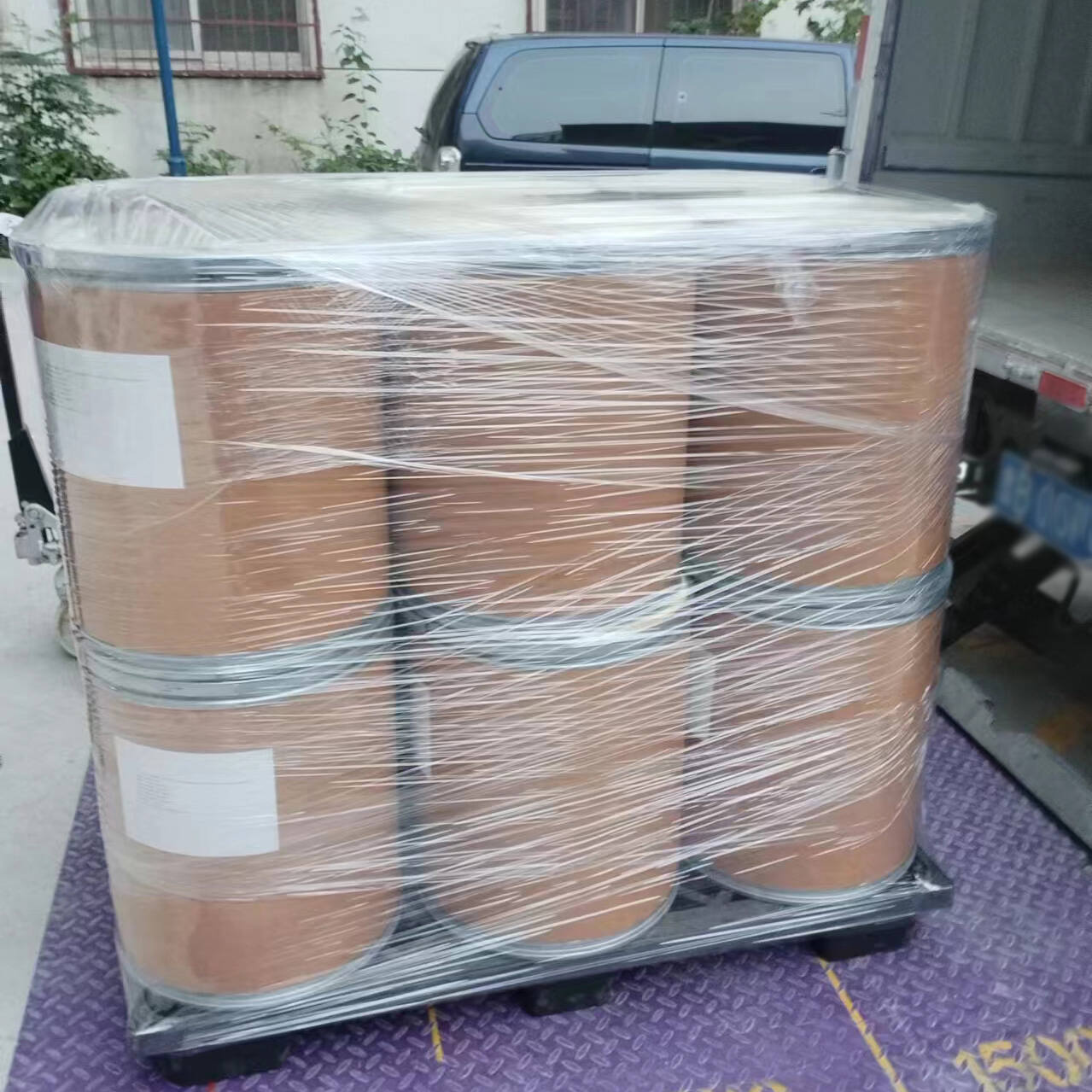
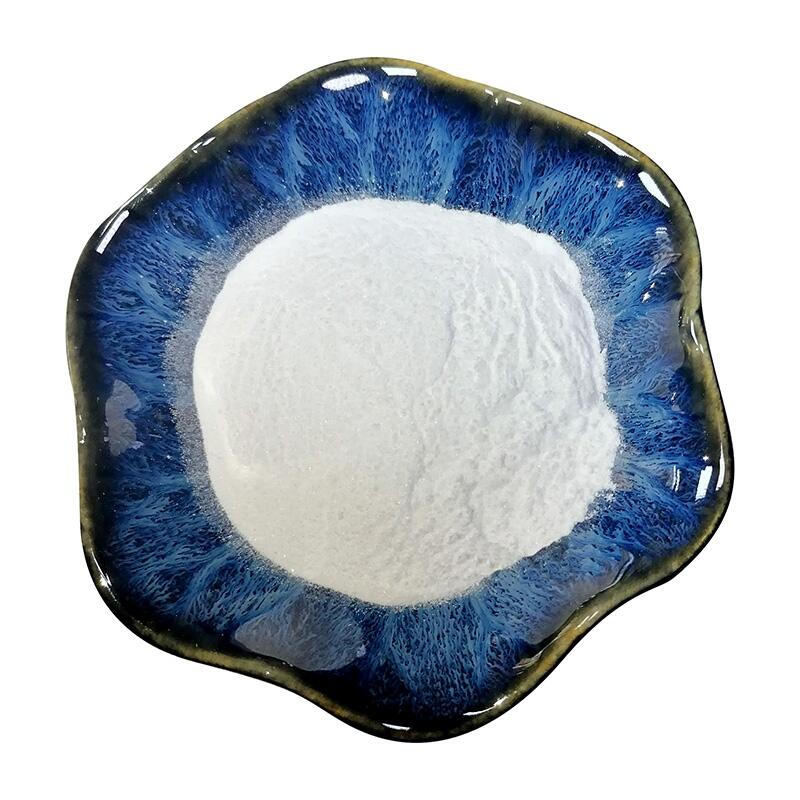
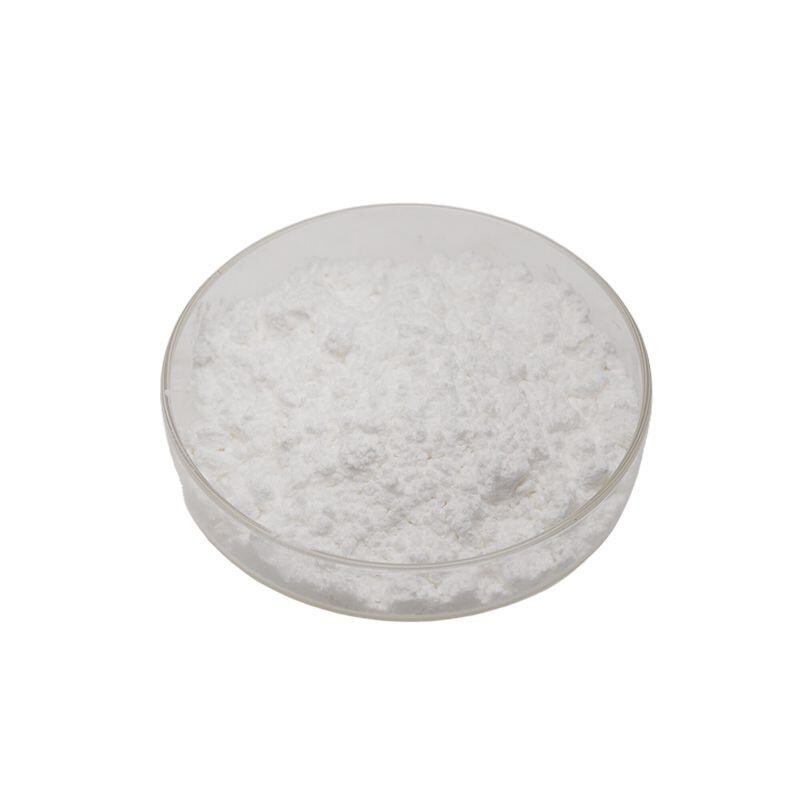
Physical properties: Urolithin A-diacetat is a white to off white crystalline powder at room temperature, with no obvious odor. It is slightly soluble in water and easily soluble in organic solvents such as ethanol, acetone, ethyl acetate, chloroform, etc. It has good solubility in oils and fats. Its melting point is about 150-155 ℃, its crystal structure is stable, and it can be stored for a long time under dark, sealed, and dry conditions. It has good compatibility with most lipophilic active ingredients and excipients.
Source and Preparation: Urolithin A is a natural product of tannic acid (found in foods such as pomegranate, blackberry, walnut, etc.) metabolized by the human gut microbiota. Diacetylurolithin A is mainly prepared by chemical synthesis - using urolithin A as raw material, it undergoes acetylation reaction with acetic anhydride under the action of catalyst (such as pyridine), and is purified and crystallized to obtain high-purity products. The synthesis process requires controlling the reaction temperature and the amount of acetic anhydride used to ensure complete acetylation.
2. Application
In the fields of medicine and biological research, Urolithin A-diacetat, as an active derivative of urolithin A, is used for mechanism research in mitochondrial function regulation, cellular aging, neurodegenerative diseases (such as Parkinson's disease, Alzheimer's disease), and muscle wasting. In scientific research, cell models (such as muscle cells and nerve cells) and animal models are used to explore their effects on mitochondrial autophagy, cellular energy metabolism, and oxidative stress response, providing experimental evidence for the development of intervention drugs for related diseases.
Cosmetics: Urolithin A-diacetat is used in high-end anti-aging skin care products (such as essence oil, face cream and eye cream) relying on its antioxidant, anti-aging and skin repair activities. Its lipophilic properties make it easy to penetrate the stratum corneum of the skin, exerting deep antioxidant and mitochondrial protection effects, adapting to the anti-aging needs of mature and dry skin, and improving skin relaxation, fine lines, dullness, and other problems.
Functional food field: Urolithin A-diacetat is a fat soluble active ingredient used in the development of dietary supplements (such as soft capsules, oil suspensions) for people concerned with muscle health, aging management, and cognitive function. Its fat solubility advantage makes it easy to stably exist in oil-based foods or supplements. After oral administration, it can enter the body through the intestinal fat solubility absorption pathway, exerting physiological activity and adapting to sports nutrition, anti-aging and health preservation scenarios.
3. Main Efficacy
Mitochondrial autophagy activation and energy metabolism enhancement: Urolithin A-diacetat can release urolithin A through deacetylation after entering cells, activate the mitochondrial autophagy pathway, clear damaged and dysfunctional mitochondria, and promote the regeneration and renewal of healthy mitochondria. Mitochondria, as the "energy factory" of cells, can enhance ATP production efficiency and improve cellular energy metabolism through functional optimization. They play an important supporting role in energy supply to muscle cells and nerve cells, helping to alleviate muscle fatigue and improve exercise endurance.
Antioxidant and anti-aging effects: Urolithin A-diacetat can directly eliminate oxidative substances such as reactive oxygen species (ROS) and lipid free radicals in the body, reducing damage to cell membranes, proteins, and DNA caused by oxidative stress; On the other hand, it can activate the nuclear factor E2 related factor 2 (Nrf2) signaling pathway, upregulate the expression of antioxidant enzymes such as superoxide dismutase (SOD) and glutathione peroxidase (GSH Px), and enhance the body's own antioxidant defense system. In skin anti-aging, it can reduce the oxidative degradation of collagen fibers, maintain skin elasticity, and delay the aging process.
Neuro and muscle protective effects: Urolithin A-diacetat has the potential to maintain cognitive function and prevent neurodegenerative diseases by maintaining mitochondrial functional stability, inhibiting neuronal apoptosis, reducing the release of neuroinflammatory factors (such as TNF - α, IL-1 β), improving synaptic transmission, and enhancing neuronal function; For muscle cells, it can promote the proliferation and differentiation of muscle satellite cells, increase muscle protein synthesis, delay muscle decay, and enhance muscle strength.
Skin penetration and repair efficacy: Urolithin A-diacetat, due to its lipid solubility advantage brought by acetylation modification, can efficiently penetrate the skin's stratum corneum barrier and reach the dermis layer of the skin. It exerts mitochondrial protection and antioxidant effects in the dermis, promotes fibroblast activity, increases collagen and elastin synthesis, repairs damaged skin barriers, reduces water loss, improves skin dryness, roughness, and fine lines, and achieves deep repair and anti-aging.