1. Description
Chemical properties: KT-939 belongs to heterocyclic small molecule compounds (the specific structure has not been fully disclosed), containing multiple active functional groups in the molecule, which may include aromatic rings, amino groups, or ester groups. These functional groups are key sites for its binding with biological targets. Chemical properties have a certain degree of stability, and can maintain structural integrity under normal temperature, light avoidance, and dry conditions. However, degradation may occur in strong acid, strong alkali, or extreme high temperature environments, and storage conditions need to be strictly controlled.
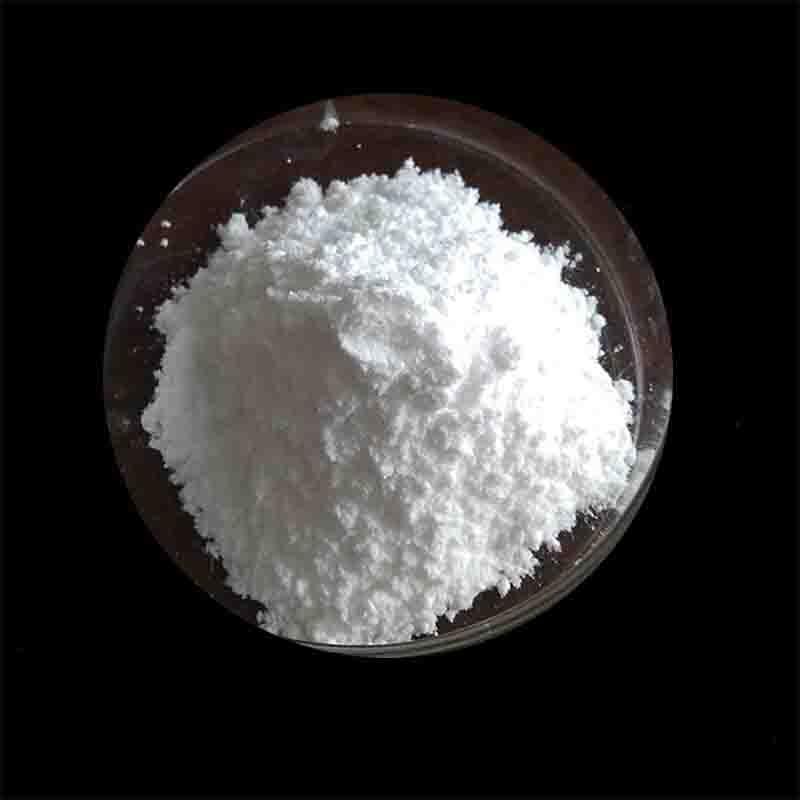
Physical properties: KT-939 appears as a white to off white crystalline powder at room temperature, with no obvious odor. Its solubility has a certain polarity preference and can be dissolved in commonly used organic solvents such as dimethyl sulfoxide (DMSO), methanol, ethanol, etc. Its solubility in pure water is relatively low, and its water dispersibility needs to be improved through appropriate co solvent or formulation techniques. Its powder state has a longer storage period under sealed, dark, and low temperature (2-8 ℃) conditions.
Source and Preparation: KT-939 is mainly prepared by chemical synthesis, using a multi-step organic synthesis process. Starting from commercial chemical raw materials, the target molecular structure is gradually constructed through substitution, cyclization, coupling and other reactions. Finally, high-purity (usually ≥ 98%) products are obtained through purification methods such as column chromatography and recrystallization to meet the strict requirements for reagent purity in scientific research experiments.
2. Application
In the field of biomedical research, KT-939 is widely used as a targeted research reagent in basic experiments in oncology, neuroscience, metabolic diseases, and other fields. For example, exploring its regulatory role on specific signaling pathways (such as cell proliferation and apoptosis related pathways) in tumor cell models; Studying its effects on neuronal survival and synaptic function in neural cell models provides a tool for analyzing the pathological mechanisms of related diseases.
Pre drug development research field: KT-939, due to its potential biological activity, can be used as a drug candidate for pre evaluation, including in vitro activity screening, target validation, structure-activity relationship analysis, etc. Researchers have explored the possibility of enhancing the activity and reducing toxicity of KT-939 through structural optimization, laying the foundation for the development of new therapeutic drugs.
Research field of biological pathway regulation: KT-939 is used to analyze the function of specific biological molecular pathways. By intervening in the target proteins of KT-939, downstream gene expression, protein interactions, and changes in cellular physiological functions are observed to clarify the role of this pathway in the occurrence and development of diseases, providing experimental evidence for finding key nodes for disease intervention
3. Main Efficacy
Targeted protein regulation efficacy: The core mechanism of action of KT-939 is to specifically bind to specific target proteins (such as enzymes, receptors, or signaling molecules) in the organism, and regulate their mediated biological pathways by inhibiting or activating the activity of the protein. For example, if the target is tumor associated kinase, KT-939 may exert anti proliferative effects by inhibiting kinase activity and blocking the proliferation signal of tumor cells.
Cellular function regulation efficacy: KT-939 is based on the regulation of target pathways, and can affect key physiological functions of cells. In scientific experiments, it has been observed that it may promote or inhibit cell apoptosis, regulate cell cycle progression, affect cell migration and invasion ability, or improve cell metabolic status. These cellular level effects provide direct evidence for understanding its potential role in disease models.
Potential for disease model intervention: KT-939 may improve symptoms in animal disease models by regulating disease-related pathways. For example, in inflammation related disease models, it is possible to reduce the release of inflammatory factors and alleviate inflammatory responses by inhibiting the inflammatory signaling pathway; In metabolic disorder models, it is possible to improve glucose and lipid metabolism indicators by regulating the activity of metabolism related proteins, providing in vivo activity data support for subsequent drug development.