Product
Supplier
Encyclopedia
Inquiry
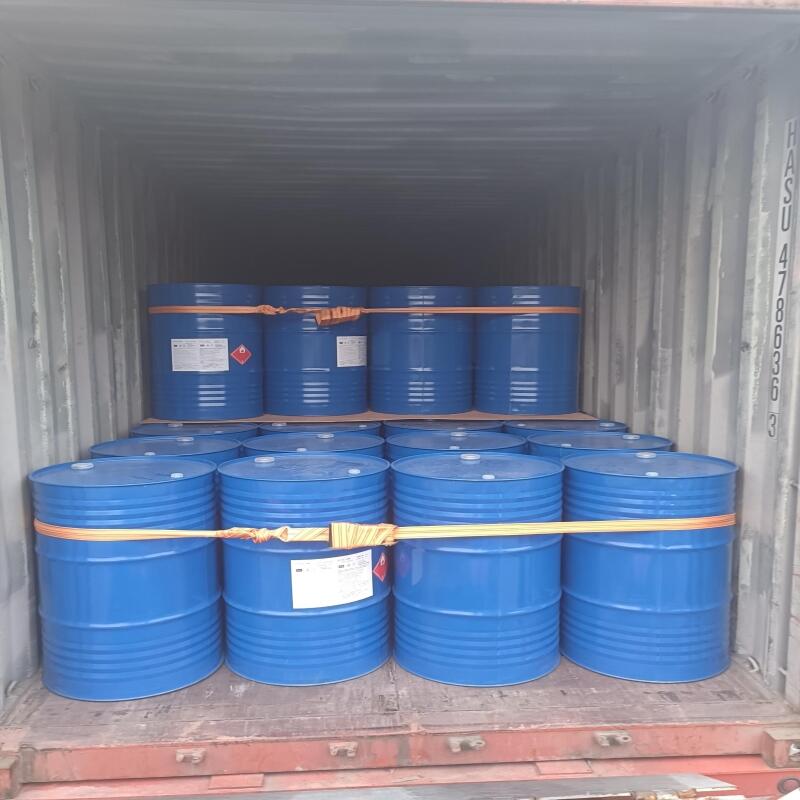
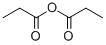
Propionic anhydride CAS: 123-62-6 buy - large image1
Propionic anhydride CAS: 123-62-6 buy - image1
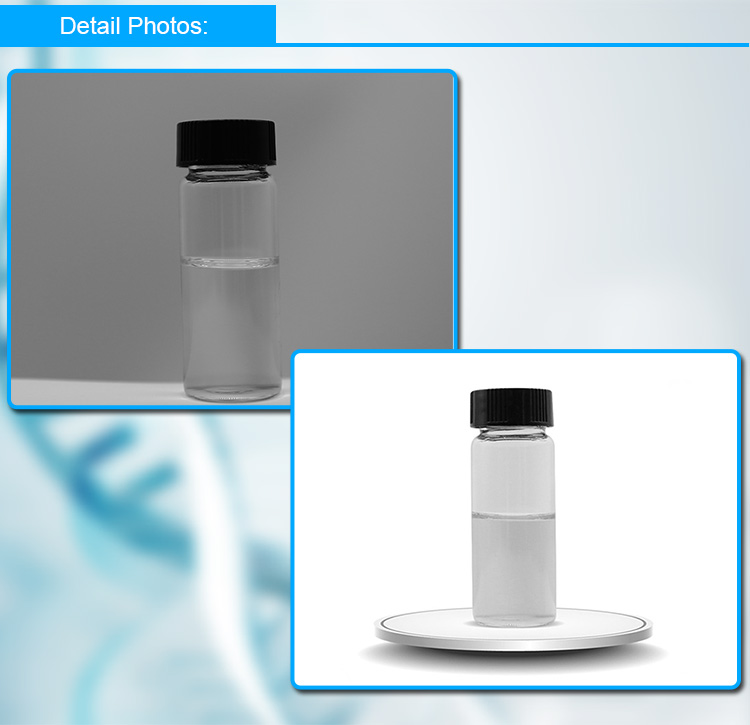
Propionic anhydride CAS: 123-62-6 buy - image2
Propionic anhydride CAS: 123-62-6 buy - image3
Propionic anhydride CAS: 123-62-6 buy - image4
Propionic anhydride CAS: 123-62-6 buy - image5
Propionic anhydride CAS: 123-62-6 buy - image6

Propionic anhydride CAS: 123-62-6

TDS 2 Inquiries

Unit Price: Get Latest Price
CAS No.:

123-62-6

Grade:

Industrial Grade

Content:

99%

Port:

SHANGHAI

Brand:

Orient

Packaging:

25kg/bag,500kg/bag, customized

Price valid (until):

2025-12-25

Company Type:
Trader
Location:
China
Qualification:
Main Products:

pharmaceutical intermediates,peptides,electronic chemicals

  • Product Description

  • Seller Information

  • Inquiry History

  • Description
    Propionic anhydride Basic information
    Product Name: Propionic anhydride
    Synonyms: propanoic acid 1-oxopropyl ester;PROPANOIC ANHYDRIDE;PROPIONIC ANHYDRIDE;Propinoicanhydride;propionic;Propionic acid anhydride;propionicacidanhydride;Propionyl oxide
    CAS: 123-62-6
    MF: C6H10O3
    MW: 130.14
    EINECS: 204-638-2
    Product Categories: Biochemicals and Reagents;Carboxylic Acid Anhydrides;Fatty Acids and conjugates;Fatty Acyls;Saturated Fatty Acids and Derivatives;Anhydrides;Building Blocks;Carbonyl Compounds;Chemical Synthesis;Lipids;Organic Building Blocks;Acylation Reagent;Organics;bc0001
    Mol File: 123-62-6.mol
    Shop Propionic anhydride CAS: 123-62-6-Detailed Image 1

    Propionic anhydride Chemical Properties
    Melting point  -42 °C
    Boiling point  167 °C(lit.)
    density  1.015 g/mL at 25 °C(lit.)
    vapor density  4.5 (vs air)
    vapor pressure  10 mm Hg ( 57.7 °C)
    refractive index  n20/D 1.404(lit.)
    Fp  165 °F
    storage temp.  Store below +30°C.
    solubility  H2O: decomposes (when in contact with water)
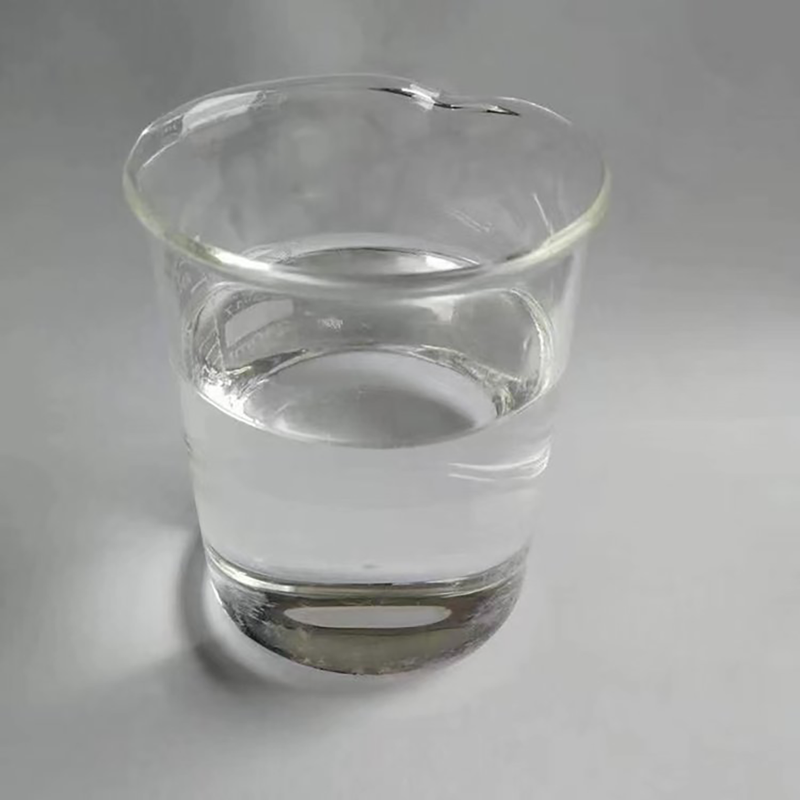
    form  clear liquid
    color  Colorless to Almost colorless
    Odor like acetaldehyde
    PH 2.5 (100g/l, H2O, 20℃)(calculated on the free acid)
    explosive limit 1.3-9.5%(V)
    Water Solubility  hydrolyses
    Sensitive  Moisture Sensitive
    Merck  14,7826
    BRN  507066
    Dielectric constant 18.0(16℃)
    Stability: Stable. Combustible. Incompatible with strong oxidizing agents, water, moisture, most common metals, active halogen compounds, ammonia, amines.
    LogP 0.33 at 20℃
    CAS DataBase Reference 123-62-6(CAS DataBase Reference)
    NIST Chemistry Reference Propanoic acid, anhydride(123-62-6)
    EPA Substance Registry System Propionic anhydride (123-62-6)

    Safety Information
    Hazard Codes  C
    Risk Statements  34-R34
    Safety Statements  26-45-S45-S26
    RIDADR  UN 2496 8/PG 3
    WGK Germany  1
    RTECS  UF9100000
    Autoignition Temperature 545 °F
    Hazard Note  Corrosive/Moisture Sensitive
    TSCA  Yes
    HS Code  2915 90 70
    HazardClass  8
    PackingGroup  III
    Hazardous Substances Data 123-62-6(Hazardous Substances Data)
    Toxicity LD50 orally in rats: 2.36 g/kg (Smyth)


    Propionic anhydride Usage And Synthesis
    Chemical Properties Propionic anhydride is a colorless liquid. Strong, pungent, unpleasant odor. Soluble in methanol, ethanol, ether, chloroform and alkali, decomposes in water.
    Uses Propionic anhydride is used as a esterifying agent for certain perfume oils, fats, oils, and especially cellulose and as a reagent in organic synthesis. In the production of alkyd resins, dyestuffs and drugs. Has been used as a dehydrating agent in some sulfonations and nitrations.
    Application Propionic anhydride was previously used in the preparation of α and β-1-propionyl derivatives of glucopyranose tetra-acetate.
    General Description Propionic anhydride is an organic compound with the molecular formula (CH3CH2CO)2O. it is an colorless acid anhydride that is widely used as a reagent in organic synthesis.
    Air & Water Reactions Decomposes exothermically in water to form a corrosive solution of propionic acid [Merck, 11th ed. 1989].
    Reactivity Profile Propionic anhydride reacts exothermically with water. The reactions are sometimes slow, but can become violent when local heating accelerates their rate. Acids accelerate the reaction with water. Incompatible with acids, strong oxidizing agents, alcohols, amines, and bases.
    Hazard Strong irritant to tissue.
    Health Hazard Inhalation causes irritation of eyes and respiratory tract. Contact with liquid causes burns of eyes and skin. Ingestion causes burns of mouth and stomach.
    Fire Hazard Combustible material: may burn but does not ignite readily. Substance will react with water (some violently) releasing flammable, toxic or corrosive gases and runoff. When heated, vapors may form explosive mixtures with air: indoors, outdoors and sewers explosion hazards. Most vapors are heavier than air. They will spread along ground and collect in low or confined areas (sewers, basements, tanks). Vapors may travel to source of ignition and flash back. Contact with metals may evolve flammable hydrogen gas. Containers may explode when heated or if contaminated with water.
    Flammability and Explosibility Non flammable
    Safety Profile Moderately toxic by ingestion. Mildly toxic by skin contact. A corrosive irritant to skin, eyes, and mucous membranes. Combustible when exposed to heat or flame; can react with oxidizing materials. To fight fire, use CO2, dry chemical. When heated to decomposition it emits acrid smoke and irritating fumes. Used as an esterifyng agent and dehydrating agent. See also ANHYDRIDES.
    Safety Propanoic anhydride is strong smelling and corrosive, and will cause burns on contact with skin. Vapour can burn eyes and lungs.
    Synthesis Propanoic anhydride has been prepared by dehydration of propanoic acid using ketene :
    2 CH3CH2CO2H + CH2= C= O → (CH3CH2CO)2O + CH3CO2H.
    Potential Exposure Used in the manufacture of perfumes, flavorings, alkyd resins; dyestuffs, pharmaceuticals; as an esterifying agent for fats, oils, and cellulose; dehydrating medium for nitrations and sulfonations.
    Shipping UN2496 Propionic anhydride, Hazard class: 8; Labels: 8-Corrosive material.
    Purification Methods Shake the anhydride with P2O5 for several minutes, then distil. [Beilstein 2 IV 722.]
    Incompatibilities Vapors may form explosive mixture with air. Incompatible with oxidizers (chlorates, nitrates, perox- ides, permanganates, perchlorates, chlorine, bromine, fluo- rine, etc.); contact may cause fires or explosions. Keep away from alkaline materials, strong bases, strong acids, oxoacids, epoxides, reducing agents; alcohols and metals. Contact with water forms heat 1 flammable propionic acid. Compounds of the carboxyl group react with all bases, both inorganic and organic (i.e., amines) releasing substantial heat, water and a salt that may be harmful. Incompatible with arsenic compounds (releases hydrogen cyanide gas), diazo compounds, dithiocarbamates, isocyanates, mercap- tans, nitrides, and sulfides (releasing heat, toxic and possibly flammable gases), thiosulfates and dithionites (releasing hydrogen sulfate and oxides of sulfur).
    Waste Disposal Use a licensed professional waste disposal service to dispose of this material. Dissolve or mix the material with a combustible solvent and burn in a chemical incinerator equipped with an afterburner and scrubber. All federal, state, and local environmental regulations must be observed.


    Shop Propionic anhydride CAS: 123-62-6-Detailed Image 2

    Shop Trimellitic Anhydride  C9H4O5 552-30-7-Detailed Image 2

    Shop Trimellitic Anhydride  C9H4O5 552-30-7-Detailed Image 3


    Shop Trimellitic Anhydride  C9H4O5 552-30-7-Detailed Image 4

    Shop Trimellitic Anhydride  C9H4O5 552-30-7-Detailed Image 5

    Shop Trimellitic Anhydride  C9H4O5 552-30-7-Detailed Image 6


    Shop Trimellitic Anhydride  C9H4O5 552-30-7-Detailed Image 7


    Shop Trimellitic Anhydride  C9H4O5 552-30-7-Detailed Image 8

    Shop Trimellitic Anhydride  C9H4O5 552-30-7-Detailed Image 9

    Shop Trimellitic Anhydride  C9H4O5 552-30-7-Detailed Image 10

    Shop Trimellitic Anhydride  C9H4O5 552-30-7-Detailed Image 11

    Shop Trimellitic Anhydride  C9H4O5 552-30-7-Detailed Image 12

    ——  Q&A  ——

    Q1:Do you provide sample?

    A: Yes, we can provide free sample, you only need pay the shipping cost.

    Q2: What is the lead time?

    A: For stock goods, it usually take about 5-7 days by air, 15-30 days by sea,For customized products, the delivery time needs to be confirmed based on the actual situation.

    Q3: How can I buy? What is the payment method?

    A: You can contract us through Email or you can browse our website:orientchem.cc, we have bank transfer

    Q4:What if there are quality issues?

    A:We attach great importance to after-sales service of our products. If there are any quality issues, please contact us within 30 days of receiving the goods and we will handle returns and exchanges for you.


    Certificates

    Basic Info
    Product Name:

    Propionic anhydride

    Other Name:

    Propanoic acid,1,1′-anhydride;Propanoic acid,anhydride;Propionic anhydride;Methylacetic anhydride;Propanoic anhydride;Propionic acid anhydride;Propionyl oxide;Propionyl anhydride;Propanoyl propanoate

    CAS No.:

    123-62-6

    Molecular Formula:

    C6H10O3

    InChIKeys:

    InChIKey=WYVAMUWZEOHJOQ-UHFFFAOYSA-N

    Molecular Weight:

    130.14

    Exact Mass:

    130.14

    BRN:

    507066

    EC Number:

    204-638-2

    UNII:

    E3A2VV18E6

    ICSC Number:

    0558

    UN Number:

    2496

    DSSTox ID:

    DTXSID1027007

    Color/Form:

    Colorless liquid

    HScode:

    2915900090

    Characteristics
    PSA:

    43.4

    XLogP3:

    0.40 (est)

    Appearance:

    Propionic anhydride is a colorless liquid with a pungent odor. Flash point 165°F. Density 8.4 lb /gal. Corrosive to metals and tissue.

    Density:

    1.01 g/cm3

    Melting Point:

    -45 °C

    Boiling Point:

    167.0 °C @ Press: 760 Torr

    Flash Point:

    165 °F

    Refractive Index:

    1.408

    Water Solubility:

    hydrolyses;Decomposes in water (when in contact with water)

    Storage Conditions:

    Store below +30°C.

    Vapor Pressure:

    10 mm Hg ( 57.7 °C)

    Vapor Density:

    4.5 (vs air)

    Toxicity:

    Oral-Rat LD50: 2360 mg/kg

    Flammability characteristics:

    Flammable; burning produces irritating smoke

    Explosive limit:

    1.3-9.5%(V)

    Odor:

    Very rancid odor

    Henrys Law Constant:

    Henry's Law constant = 6.28X10⁻⁵ atm-cu m/mol at 25 °C (est)

    Experimental Properties:

    Specific gravity: 1.0336 at 0 °C/4 °C; 1.0169 at 15 °C/4 °C; 1.0125 at 20 °C/4 °C; 0.98974 at 40 °C/4 °C; 0.97913 at 50 °C/4 °C|8.4 lb per gallon at 20 °C|Hydroxyl radical reaction rate constant = 9.14X10⁻¹³ cu cm/molecule-sec at 25 °C (est)

    Air and Water Reactions:

    Decomposes exothermically in water to form a corrosive solution of propionic acid [Merck, 11th ed. 1989].

    Reactive Group:

    Anhydrides

    Reactivity Alerts:

    Water-Reactive

    Reactivity Profile:

    PROPIONIC ANHYDRIDE reacts exothermically with water. The reactions are sometimes slow, but can become violent when local heating accelerates their rate. Acids accelerate the reaction with water. Incompatible with acids, strong oxidizing agents, alcohols, amines, and bases.

    Autoignition Temperature:

    545 °F (USCG, 1999)|285 °C (545 °F)|285 °C

    Flammable Limits:

    Lower- 1.5% @ 165 °F (74 °C); upper- 11.9% @ 261 °F (127 °C)

    Physical Dangers:

    The vapour is heavier than air.

    Hazard Identification

    Classification of the substance or mixture

    Skin corrosion, Sub-category 1B

    GHS label elements, including precautionary statements

    Pictogram(s)
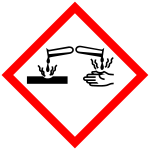
    Signal word

    Danger

    Hazard statement(s)

    H314 Causes severe skin burns and eye damage

    Precautionary statement(s)
    Prevention

    P260 Do not breathe dust/fume/gas/mist/vapours/spray.

    P264 Wash ... thoroughly after handling.

    P280 Wear protective gloves/protective clothing/eye protection/face protection/hearing protection/...

    Response

    P301+P330+P331 IF SWALLOWED: Rinse mouth. Do NOT induce vomiting.

    P363 Wash contaminated clothing before reuse.

    P304+P340 IF INHALED: Remove person to fresh air and keep comfortable for breathing.

    P316 Get emergency medical help immediately.

    P321 Specific treatment (see ... on this label).

    P305+P351+P338 IF IN EYES: Rinse cautiously with water for several minutes. Remove contact lenses, if present and easy to do. Continue rinsing.

    Storage

    P405 Store locked up.

    Disposal

    P501 Dispose of contents/container to an appropriate treatment and disposal facility in accordance with applicable laws and regulations, and product characteristics at time of disposal.

    Other hazards which do not result in classification

    no data available

    Handling and Storage

    Precautions for safe handling

    NO open flames. Above 63°C use a closed system and ventilation. Handling in a well ventilated place. Wear suitable protective clothing. Avoid contact with skin and eyes. Avoid formation of dust and aerosols. Use non-sparking tools. Prevent fire caused by electrostatic discharge steam.

    Conditions for safe storage, including any incompatibilities

    Dry. Ventilation along the floor. Separated from bases, oxidants and food and feedstuffs.Separated from acids, bases, oxidants, food and feedstuffs. Dry. Ventilation along the floor.

  • Seller Information
    Business Type:

    Trader

    Main Products:

    pharmaceutical intermediates,peptides,electronic chemicals

    Location:

    Room 102, 1st Floor, East Office Building, No. 45 Pengwan Road, Qianwan Bonded Port Area, Qingdao Zone, China (Shandong) Pilot Free Trade Zone

    Payment Terms:

    100% TT in advance

    Average lead Time:

    10

    Total Annual Revenue:

    $10 million-$25 million

    Total Employees:

    51-100

    Year of Establishment:

    2024

    A reliable supplier is like insurance.

    We are mainly specilized in supply of pharmaceutical intermediates, electronic chemicals,food additives, and other fine chemical products.
    Integrity is the foundation, quality is life. We would like to work together with you to build a greener and brighter future.

    Website: orientchem.cc
    Email: scarlett@orientchem.cc
    WhatsApp: +86 17753254221

  • Inquiry History
    2 Inquiries
    Country Product Purchase Quantity Date Posted
    Russia

    Propionic anhydride

    500 L Apr 15, 2025
    Germany

    Propionic Acid Anhydride

    800 KG Apr 30, 2026
    Post an enquiry for this product
pic ×

Scan the QR Code to Share

All products displayed on this website are only for non-medical purposes such as industrial applications or scientific research, and cannot be used for clinical diagnosis or treatment of humans or animals. They are not medicinal or edible.

According to relevant laws and regulations and the regulations of this website, units or individuals who purchase hazardous materials should obtain valid qualifications and qualification conditions.

The information shown above is provided by the enterprise itself, and the authenticity, accuracy and legitimacy of the content are the responsibility of the publishing company. ECHEMI does not bear any guarantee responsibility for this. Please be aware that risks in internet transactions objectively exist.

Feedback & Suggestions
Send Message

Thank you for your feedback. If you require further assistance, please contact us by email at info@echemi.com or call us at +86-532-55729510.