Product
Supplier
Encyclopedia
Inquiry
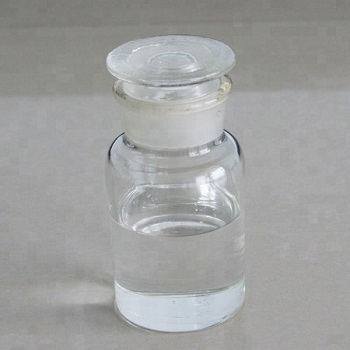
Iodomethane CAS:74-88-4 buy - large image1
Iodomethane CAS:74-88-4 buy - image1
Iodomethane CAS:74-88-4 buy - image2
Iodomethane CAS:74-88-4 buy - image3
Iodomethane CAS:74-88-4 buy - image4
Iodomethane CAS:74-88-4 buy - image5
Iodomethane CAS:74-88-4 buy - image6

Iodomethane CAS:74-88-4

TDS 7 Inquiries

Unit Price: Get Latest Price
CAS No.:

74-88-4

Grade:

Industrail Grade

Content:

99%

Port:

SHANGHAI

Brand:

Orient

Packaging:

25L, 200L, 1000L, customized

Price valid (until):

2025-12-26

Company Type:
Trader
Location:
China
Qualification:
Main Products:

pharmaceutical intermediates,peptides,electronic chemicals

  • Product Description

  • Seller Information

  • Inquiry History

  • Description
    Iodomethane Basic information
    Overview Physicochemical properties Synthesis Application Regulation Warning and toxicity References
    Product Name: Iodomethane
    Synonyms: IODOMETHANESYNONYMS/METHYLIODIDE;METHYLIODIDE,REAGENT;10domethane;CH3I;Halon 10001;Iodomethane,99.5%;Iodomethane, 2M solution in tert-butyl methyl ether;Iodomethane, stabilized, 99%
    CAS: 74-88-4
    MF: CH3I
    MW: 141.94
    EINECS: 200-819-5
    Product Categories: IOD - Iodomethane;Alkyl;Analytical Enzymes;and Substrates;Biochemicals and Reagents;Building Blocks;Chemical Synthesis;Enzymes;-Glucuronidase;-Glucuronidase Drug Analysis Bundle;Halogenated Hydrocarbons;Organics;Piperazine derivates;Pharma;Agro-Products, Miscellaneous Reagents;Inhibitors;Organic Building Blocks;Solvent
    Mol File: 74-88-4.mol
    Shop Iodomethane CAS:74-88-4-Detailed Image 1

    Iodomethane Chemical Properties
    Melting point  −64(lit.)
    Boiling point  41-43 °C
    density  2.28 g/mL at 25 °C(lit.)
    vapor density  4.89 (vs air)
    vapor pressure  24.09 psi ( 55 °C)
    refractive index  n20/D 1.530
    Fp  −18 °F
    storage temp.  2-8°C
    solubility  water: soluble14g/L at 20°C
    form  Liquid
    color  Clear
    Specific Gravity 2.280
    Odor Sweet, ethereal odor
    PH 5.2 (H2O, 25℃)
    explosive limit 8.5-66% (v/v)
    Water Solubility  14 g/L (20 ºC)
    Sensitive  Light Sensitive
    Merck  14,6087
    BRN  969135
    Henry's Law Constant 5.06 at 21 °C (Gan and Yates, 1996)
    Dielectric constant 7.0(20℃)
    Exposure limits TLV-TWA 2 ppm (~11 mg/m3) (ACGIH), 5 ppm (MSHA and OSHA); carcinogenicity: Animal Limited Evidence (IARC), Suspected Human Carcinogen.
    Stability: Light Sensitive
    LogP 1.510
    CAS DataBase Reference 74-88-4(CAS DataBase Reference)
    IARC 3 (Vol. 41, Sup 7, 71) 1999
    NIST Chemistry Reference Methyl iodide(74-88-4)
    EPA Substance Registry System Methyl iodide (74-88-4)

    Safety Information
    Hazard Codes  T,F,Xn
    Risk Statements  21-23/25-37/38-40-11-39/23/24/25-23/24/25-38-20/22
    Safety Statements  36/37-38-45-9-24-16-7-60-36/37/39-33-23-20-4
    OEB B
    OEL TWA: 2 ppm (10 mg/m3) [skin]
    RIDADR  UN 2644 6.1/PG 1
    WGK Germany  1
    RTECS  PA9450000
    8
    TSCA  Yes
    HazardClass  6.1
    PackingGroup  I
    HS Code  29033990
    Hazardous Substances Data 74-88-4(Hazardous Substances Data)
    Toxicity LD50 orally in rats: 76 mg/kg; LD50 s.c. in mice: 0.78 mmoles/kg (IARC, 1986)
    IDLA 100 ppm


    Iodomethane Usage And Synthesis
    Overview Iodomethane is also commonly called methyl iodide. It is a volatile liquid related to methane by replacement of hydrogen. Iodomethane is miscible with common organic solvents. It is colourless, although upon exposure to light, samples develop a purplish tinge. Iodomethane (methyl iodide) is widely used in organic synthesis to deliver a methyl group, via the transformation called methylation.[1]
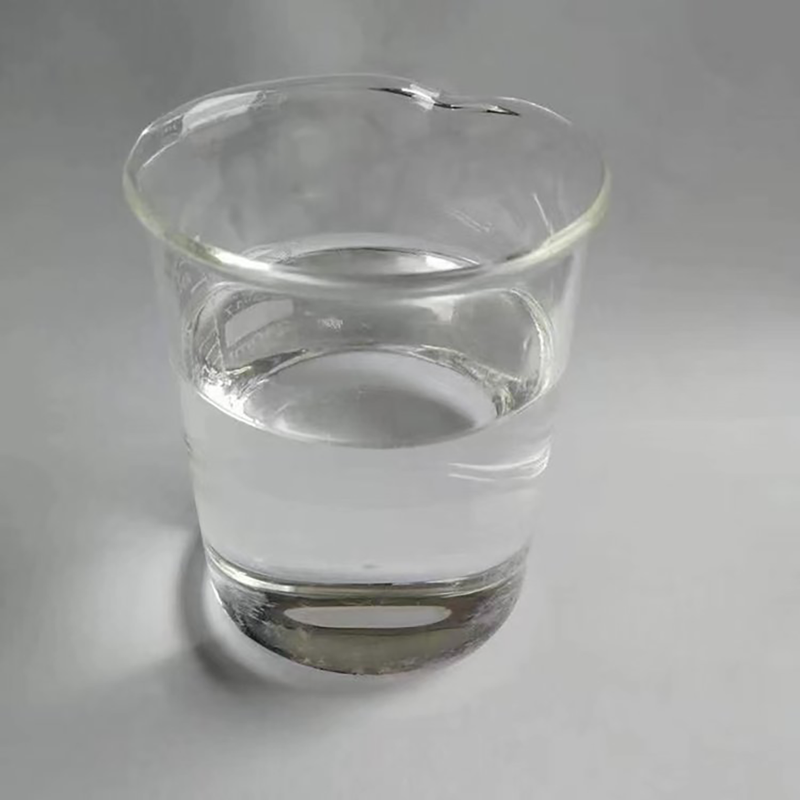
    Shop Iodomethane CAS:74-88-4-Detailed Image 2
    Iodomethane(also known as methyl iodide), is a kind of alkyl halide. It is naturally emitted by rice plantations in small amounts. Algae are a great natural producer of it with annual output of being greater than 214,000 tons. Therefore, it exists in ocean in large amount. Terrestrial fungi and bacteria also produce certain amount of iodomethane[2, 3]. It is used in organic synthesis as a source of methyl groups.
    Methyl iodide had been approved for use as a pesticide by the United States Environmental Protection Agency in 2007 as a pre-plant biocide used to control insects, plant parasitic nematodes, soil borne pathogens, and weed seeds in vegetables such as. It was registered for use as a pre-plant soil treatment for field grown strawberries, peppers, nut crops, tomatoes, grape vines, ornamentals and turf and nursery grown strawberries, stone fruits, tree nuts, and conifer trees. After the discovery phase in a consumer lawsuit, the manufacturer withdrew the fumigant citing its lack of market viability[4].
    Physicochemical properties Iodomethane, an alkyl halide, is a colorless to pale yellow liquid with an acrid odor. It is stable at room temperature in sealed containers, non-corrosive to metals, and incompatible with strong oxidizing and reducing agents. On exposure to light and moisture, the color turns yellow, red or brown due to decomposition and the liberation of free iodine. When heated to decomposition in air at 270 degree, toxic iodine vapors are emitted. Iodomethane is soluble in water, and is miscible with alcohol and ether[5-7].
    Synthesis Iodomethane can be synthesized by the following several methods[8]:
    I. The reaction between methanol with phosphorus triiodide
    II. The reaction of dimethyl sulfate with potassium iodide in the presence of calcium carbonate
    III. The reaction of methanol with aqueous hydrogen iodide.
    IV. The reaction of iodoform with potassium hydroxide and dimethyl sulfate in the presence of ethanol.
    Application Iodomethane is a useful methylating agent that mediates the alkylation of carbon, oxygen, sulfur, nitrogen and phosphorus nucleophiles[9, 10]. For example, phenol reacts with methyl iodide to give anisole. In the Monsanto process, the in situ formed iodomethane reacts with carbon monoxide in the presence of a rhodium complex to give acetyl iodide, which on hydrolysis yields acetic acid[11]. It reacts with magnesium to form the Grignard reagent, methyl-magnesium iodide used in organic synthesis[12]. It also finds applications as an intermediate in the manufacture of pharmaceuticals and in phase-transfer catalysts.
    Methyl iodide can also be used as a kind of pesticide used to control insects, plant parasitic nematodes, soil borne pathogens, and weed seeds in vegetables. It can be used in the field growing strawberries, peppers, nut crops, tomatoes, grape vines, ornamentals and turf and nursery growing strawberries, stone fruits, tree nuts, and conifer trees. Its fumigant action is thought to be via the nucleophilic displacement(SN2) reaction in various amino acids and peptides within target organisms. It can also be used as a fire extinguisher[4, 5, 13, 14].
    Regulation Methyl bromide is scheduled for elimination as a soil fumigant and iodomethane has been proposed as an alternative[15-18]. Based on the atmospheric lifetime, global warming potential, and ozone depletion potential, the U.S. Environmental Protection Agency(USEPA) has identified iodomethane as a reduced risk alternative to methyl bromide.
    In October, 2007, the USEPA issued a one year time-limited registration of iodomethane. In April 2009, USEPA extended conditional registration of iodomethate without specifying any time limits. The USEPA website provides details of the registration[19]. An application for California registration is currently being evaluated by DPR. Due to its acute toxicity, proposed products containing iodomethane are labeled as restricted use pesticides.
    Warning and toxicity Iodomethane may have certain toxicity when exposure to human and animals[20-22]. In humans, acute[short-term] exposure when inhaling iodomethane may depress the central nervous system(CNS), irritate the lungs and skin, and affect the kidneys[20]. Massive acute inhalation exposure to methyl iodide has led to pulmonary edema. Acute inhalation exposure of humans to methyl iodide has resulted in nausea, vomiting, vertigo, ataxia, slurred speech, drowsiness, skin blistering, and eye irritation[20, 21]. Chronic(long-term) exposure of humans to methyl iodide by inhalation may affect the CNS and cause skin burns in animals and humans. EPA has not classified methyl iodide for potential carcinogenicity[20-22].

    Shop Orthophosphorus acid 10294-56-1-Detailed Image 1

    Shop Trimellitic Anhydride  C9H4O5 552-30-7-Detailed Image 2

    Shop Trimellitic Anhydride  C9H4O5 552-30-7-Detailed Image 3


    Shop Trimellitic Anhydride  C9H4O5 552-30-7-Detailed Image 4

    Shop Trimellitic Anhydride  C9H4O5 552-30-7-Detailed Image 5

    Shop Trimellitic Anhydride  C9H4O5 552-30-7-Detailed Image 6


    Shop Trimellitic Anhydride  C9H4O5 552-30-7-Detailed Image 7


    Shop Trimellitic Anhydride  C9H4O5 552-30-7-Detailed Image 8

    Shop Trimellitic Anhydride  C9H4O5 552-30-7-Detailed Image 9

    Shop Trimellitic Anhydride  C9H4O5 552-30-7-Detailed Image 10

    Shop Trimellitic Anhydride  C9H4O5 552-30-7-Detailed Image 11

    Shop Trimellitic Anhydride  C9H4O5 552-30-7-Detailed Image 12

    ——  Q&A  ——

    Q1:Do you provide sample?

    A: Yes, we can provide free sample, you only need pay the shipping cost.

    Q2: What is the lead time?

    A: For stock goods, it usually take about 5-7 days by air, 15-30 days by sea,For customized products, the delivery time needs to be confirmed based on the actual situation.

    Q3: How can I buy? What is the payment method?

    A: You can contract us through Email or you can browse our website:orientchem.cc, we have bank transfer, 

    Q4:What if there are quality issues?

    A:We attach great importance to after-sales service of our products. If there are any quality issues, please contact us within 30 days of receiving the goods and we will handle returns and exchanges for you.


    Certificates

    Basic Info
    Product Name:

    Methyl iodide

    Other Name:

    Methane,iodo-;Iodomethane;Methyl iodide;Methyl iodide (CH3I);Monoiodomethane;NSC 9366;Ioguard;147937-07-3;1173018-72-8;1519044-66-6

    CAS No.:

    74-88-4

    Molecular Formula:

    CH3I

    InChIKeys:

    InChIKey=INQOMBQAUSQDDS-UHFFFAOYSA-N

    Molecular Weight:

    141.94

    Exact Mass:

    141.94

    BRN:

    969135

    EC Number:

    200-819-5

    HScode:

    2903399030

    Characteristics
    PSA:

    0

    XLogP3:

    1.51

    Appearance:

    Clear Liquid

    Density:

    2.28 g/cm3 @ Temp: 20 °C

    Melting Point:

    -66.5 °C

    Boiling Point:

    42.5 °C

    Flash Point:

    −18 °F

    Refractive Index:

    1.528

    Water Solubility:

    H2O: 14 g/L (20 ºC)

    Storage Conditions:

    Store at 0°C

    Vapor Pressure:

    24.09 psi ( 55 °C)

    Vapor Density:

    4.89 (vs air)

    Toxicity:

    Inhalation-rat LC50: 1300 mg/m3/4 hours; peritoneal-mouse LD50: 172 mg/kg

    Flammability characteristics:

    High thermal decomposition of toxic iodide gas

    Explosive limit:

    vol% in air: 8.5 66%

    Odor:

    Pungent, ether-like odor.

    Hazard Identification

    Classification of the substance or mixture

    Acute toxicity - Category 3, Oral

    Acute toxicity - Category 4, Dermal

    Skin irritation, Category 2

    Acute toxicity - Category 3, Inhalation

    Specific target organ toxicity – single exposure, Category 3

    Carcinogenicity, Category 2

    GHS label elements, including precautionary statements

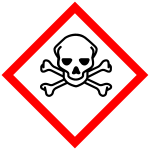
    Pictogram(s)
    Signal word

    Danger

    Hazard statement(s)

    H301 Toxic if swallowed

    H312 Harmful in contact with skin

    H315 Causes skin irritation

    H331 Toxic if inhaled

    H335 May cause respiratory irritation

    H351 Suspected of causing cancer

    Precautionary statement(s)
    Prevention

    P264 Wash ... thoroughly after handling.

    P270 Do not eat, drink or smoke when using this product.

    P280 Wear protective gloves/protective clothing/eye protection/face protection/hearing protection/...

    P261 Avoid breathing dust/fume/gas/mist/vapours/spray.

    P271 Use only outdoors or in a well-ventilated area.

    P203 Obtain, read and follow all safety instructions before use.

    Response

    P301+P316 IF SWALLOWED: Get emergency medical help immediately.

    P321 Specific treatment (see ... on this label).

    P330 Rinse mouth.

    P302+P352 IF ON SKIN: Wash with plenty of water/...

    P317 Get medical help.

    P362+P364 Take off contaminated clothing and wash it before reuse.

    P332+P317 If skin irritation occurs: Get medical help.

    P304+P340 IF INHALED: Remove person to fresh air and keep comfortable for breathing.

    P316 Get emergency medical help immediately.

    P319 Get medical help if you feel unwell.

    P318 IF exposed or concerned, get medical advice.

    Storage

    P405 Store locked up.

    P403+P233 Store in a well-ventilated place. Keep container tightly closed.

    Disposal

    P501 Dispose of contents/container to an appropriate treatment and disposal facility in accordance with applicable laws and regulations, and product characteristics at time of disposal.

    Other hazards which do not result in classification

    no data available

    Handling and Storage

    Precautions for safe handling

    Handling in a well ventilated place. Wear suitable protective clothing. Avoid contact with skin and eyes. Avoid formation of dust and aerosols. Use non-sparking tools. Prevent fire caused by electrostatic discharge steam.

    Conditions for safe storage, including any incompatibilities

    Provision to contain effluent from fire extinguishing. Separated from strong oxidants and food and feedstuffs. Well closed. Ventilation along the floor. Store in an area without drain or sewer access.Keep containers closed and store in a dark place.

  • Seller Information
    Business Type:

    Trader

    Main Products:

    pharmaceutical intermediates,peptides,electronic chemicals

    Location:

    Room 102, 1st Floor, East Office Building, No. 45 Pengwan Road, Qianwan Bonded Port Area, Qingdao Zone, China (Shandong) Pilot Free Trade Zone

    Payment Terms:

    100% TT in advance

    Average lead Time:

    10

    Total Annual Revenue:

    $10 million-$25 million

    Total Employees:

    51-100

    Year of Establishment:

    2024

    A reliable supplier is like insurance.

    We are mainly specilized in supply of pharmaceutical intermediates, electronic chemicals,food additives, and other fine chemical products.
    Integrity is the foundation, quality is life. We would like to work together with you to build a greener and brighter future.

    Website: orientchem.cc
    Email: scarlett@orientchem.cc
    WhatsApp: +86 17753254221

  • Inquiry History
    7 Inquiries
    Country Product Purchase Quantity Date Posted
    Bahrain

    Methyl iodide

    9.00 MT Oct 31, 2025
    India

    Methyl Iodide

    325 MT Feb 9, 2026
    Russia

    Iodomethane

    70 KG Jul 12, 2024
    India

    Methyl Iodide

    500 KG Dec 19, 2023
    Bahrain

    Methyl iodide

    9.00 MT Dec 8, 2025
    Turkey

    Iodomethane

    25 KG Apr 4, 2025
    Russia

    Methyl iodide

    10 KG Jun 23, 2023
    Post an enquiry for this product

pic ×

Scan the QR Code to Share

All products displayed on this website are only for non-medical purposes such as industrial applications or scientific research, and cannot be used for clinical diagnosis or treatment of humans or animals. They are not medicinal or edible.

According to relevant laws and regulations and the regulations of this website, units or individuals who purchase hazardous materials should obtain valid qualifications and qualification conditions.

The information shown above is provided by the enterprise itself, and the authenticity, accuracy and legitimacy of the content are the responsibility of the publishing company. ECHEMI does not bear any guarantee responsibility for this. Please be aware that risks in internet transactions objectively exist.

Feedback & Suggestions
Send Message

Thank you for your feedback. If you require further assistance, please contact us by email at info@echemi.com or call us at +86-532-55729510.