Product
Supplier
Encyclopedia
Inquiry
1,4-DIAMINOBUTANE CAS:110-60-1 buy - large image1
1,4-DIAMINOBUTANE CAS:110-60-1 buy - image1
1,4-DIAMINOBUTANE CAS:110-60-1 buy - image2
1,4-DIAMINOBUTANE CAS:110-60-1 buy - image3
1,4-DIAMINOBUTANE CAS:110-60-1 buy - image4
1,4-DIAMINOBUTANE CAS:110-60-1 buy - image5
1,4-DIAMINOBUTANE CAS:110-60-1 buy - image6

1,4-DIAMINOBUTANE CAS:110-60-1

TDS 2 Inquiries

Unit Price: Get Latest Price
CAS No.:

110-60-1

Grade:

Industrial Grade

Content:

99%

Port:

SHANGHAI

Brand:

Orient

Packaging:

25kg/bag,500kg/bag, customized

Price valid (until):

2025-12-26

Company Type:
Trader
Location:
China
Qualification:
Main Products:

pharmaceutical intermediates,peptides,electronic chemicals

  • Product Description

  • Seller Information

  • Inquiry History

  • Description
    1,4-DIAMINOBUTANE Basic information
    Overview Biosynthesis Physiological function Applications Toxicity The effect of putrescine on food quality Reference
    Product Name: 1,4-DIAMINOBUTANE
    Synonyms: 1,4-Butylenediamine;1,4-Tetramethylenediamine;Butylene-1,4-diamine;H2N(CH2)4NH2;Tetramethyldiamine;1,4-Butanediamine, Putrescine, Tetramethylenediamine;1,4-Diaminobutane,99%;1,4-DiaMinobutane, 99% 100GR
    CAS: 110-60-1
    MF: C4H12N2
    MW: 88.15
    EINECS: 203-782-3
    Product Categories: Bioactive Small Molecules;Building Blocks;Cell Biology;Chemical Synthesis;D-DIF;Nitrogen Compounds;Organic Building Blocks;Polyamines;alpha,omega-Bifunctional Alkanes;Monofunctional & alpha,omega-Bifunctional Alkanes;alpha,omega-Alkanediamines;PROTAC LINKER
    Mol File: 110-60-1.mol
    Shop 1,4-DIAMINOBUTANE CAS:110-60-1-Detailed Image 1

    1,4-DIAMINOBUTANE Chemical Properties
    Melting point  27 °C
    Boiling point  158-160 °C(lit.)
    density  0.877 g/mL at 25 °C(lit.)
    vapor pressure  436 Pa (25 °C)
    refractive index  n20/D 1.457(lit.)
    Fp  125 °F
    storage temp.  Store below +30°C.
    solubility  cell culture medium: 0.16 mg/mL
    form  lyophilized powder
    pka 10.8(at 20℃)
    Specific Gravity 0.877
    color  Clear colorless to slightly yellow
    Odor animal rotting fish
    explosive limit 0.7-11.2%(V)
    Water Solubility  almost transparency
    Sensitive  Air Sensitive & Hygroscopic
    Merck  14,7947
    BRN  605282
    Stability: Stable. Incompatible with acids, acid chlorides, acid anhydrides, strong oxidizing agents. Flammable.
    LogP -0.84 at 25℃ and pH10.45-11.86
    Dissociation constant 9.35-10.8 at 25℃
    CAS DataBase Reference 110-60-1(CAS DataBase Reference)
    EPA Substance Registry System 1,4-Butanediamine (110-60-1)

    Safety Information
    Hazard Codes  F,T
    Risk Statements  11-21/22-23-34-10
    Safety Statements  16-26-36/37/39-45
    RIDADR  UN 2928 6.1/PG 2
    WGK Germany  3
    RTECS  EJ6800000
    3-10-23-34
    TSCA  Yes
    HazardClass  8
    PackingGroup  II
    HS Code  29212900
    Hazardous Substances Data 110-60-1(Hazardous Substances Data)
    Toxicity LD50 orally in Rabbit: 463 mg/kg LD50 dermal Rabbit 1576 mg/kg


    1,4-DIAMINOBUTANE Usage And Synthesis
    Overview Putrescine is a low-molecular-weight nitrogenous base with the systematic name 1,4-diaminobutane. It is an aliphatic diamine belonging to the group of biogenic amines (Bas). Two basic amino groups are present, which at the physiological pH of 7.4 carry a positive charge that makes them suitable for a wide range of functions in different cell types. According to some authors, putrescine also belongs, together with cadaverine, spermine, and spermidine, to polyamines (molecules containing two or more amino groups in the molecule)[1,2]. Polyamines are found in all cell types and their presence in various kinds of foodstuffs is partly due to their endogenous origin. In humans, there are 3 common sources of putrescine: the first one is endogenous biosynthesis within their own cells, the second one includes foodstuffs (alimentary intake), and the last one is the production of putrescine by bacteria of the intestinal microflora. The largest amount of putrescine in humans is taken from food[2]. If none of the 3 sources of putrescine becomes excessive, putrescine is used for its physiological functions and the excess is excreted by normal metabolism. However, increased intake of putrescine in food can lead to serious toxicological consequences.
    Shop 1,4-DIAMINOBUTANE CAS:110-60-1-Detailed Image 2
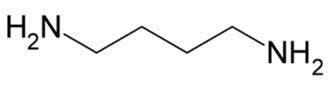
    Figure 1 The chemical structure of putrescine
    Biosynthesis l ,4-Diaminobutane (putrescine), spermidine, spermine, and closely related derivatives are found in a wide variety of animals, bacteria, yeasts, and plants. It is generally accepted that polyamine biosynthesis is intimately interrelated with the synthesis of nucleic acids and proteins[3]. Polyamines are ubiquitous in biological materials, although the relative amounts of 1,4-diaminobutane, spermidine, and spermine differ markedly in different cells[4, 5]. In general, prokaryotes have a higher concentration of 1,4-diaminobutane than spermidine and lack spermine. Eukaryotes usually have little 1,4-diaminobutane, and have spermine as well as spermidine.
    The pathway for the biosynthesis of 1,4-diaminobutane and spermidine was first established in microorganisms and was later found to be very similar in animal cells. In bacteria, 1,4-diaminobutane may be formed either by ornithine decarboxylase or by arginine decarboxylase via agmatine[6-8]. Both biosynthetic enzymes are normally present in Escherichia coli, although ornithine decarboxylation is usually the major pathway[8]. Both decarboxylases have been purified from E. coli and have been shown to require pyridoxal phosphate[9-11]. These enzymes are subject to feedback inhibition and repression by 1,4-diaminobutane or spermidine[12, 13]. In animal tissues amines are derived by decarboxylation of ornithine, rather than by decarboxylation of arginine[14, 15]. Purification of ornithine decarboxylase has been hindered by the very low enzyme activity normally present. However, as discussed in the section on the role of polyamines in growth, ornithine decarboxylase levels increase dramatically after a variety of stimuli, and the enzyme has been purified to apparent homogeneity from regenerating liver[17] and from the livers of rats treated with thioacetamide[18]. Pyridoxal phosphate appears to be a required cofactor[16, 19].
    Physiological function Putrescine fulfills important physiological functions in a wide variety of living cells. This BA shows many physiological functions and it is a precursor in the synthesis of other polyamines (spermine and spermidine). Putrescine is classified as a physiologic amine. Physiological functions of putrescine and other polyamines are related to their polycationic nature, which determines interactions with negatively charged molecules such as DNA, RNA, proteins, phospholipids[20]. Newer studies show that putrescine, along with other polyamines and phosphate ions, forms nuclear aggregates of polyamines in the cell nuclei, which are responsible for the abovementioned interactions and affect the 3-dimensional structure of DNA[21]. These interactions are related to the regulation of the structure of nucleic acids and protein synthesis[22, 23].
    Putrescine, along with other polyamines, binds to membrane structures such as phospholipids, mainly in erythrocytes. This polyamine may lead to a decrease in membrane fluidity but also to increased resistance to fragmentation due to stabilization of the membrane skeleton[24, 25]. It has also been found that apart from the membrane stabilization and the effect on the synthesis of nucleic acids and proteins, polyamines are involved in the removal of free radicals[26]. In many mammals, they play an important role as luminal growth factors for intestinal maturation and growth[27, 28] and can play a significant role in the prevention of food allergies[29]. In mammals, polyamines have direct effects on several ion channels and receptors, resulting in the regulation of Ca2+, Na+, and K+ homeostasis[30, 31].
    Applications Putrescine is used as a precursor in many biological systems and synthon for amido-ureas. It is involved in the synthesis of nylon 46 by reacting with adipic acid[32].


    Shop 4,4'-Diphenylmethane diisocyanate 101-68-8-Detailed Image 1

    Shop Trimellitic Anhydride  C9H4O5 552-30-7-Detailed Image 2

    Shop Trimellitic Anhydride  C9H4O5 552-30-7-Detailed Image 3


    Shop Trimellitic Anhydride  C9H4O5 552-30-7-Detailed Image 4

    Shop Trimellitic Anhydride  C9H4O5 552-30-7-Detailed Image 5

    Shop Trimellitic Anhydride  C9H4O5 552-30-7-Detailed Image 6


    Shop Trimellitic Anhydride  C9H4O5 552-30-7-Detailed Image 7


    Shop Trimellitic Anhydride  C9H4O5 552-30-7-Detailed Image 8

    Shop Trimellitic Anhydride  C9H4O5 552-30-7-Detailed Image 9

    Shop Trimellitic Anhydride  C9H4O5 552-30-7-Detailed Image 10

    Shop Trimellitic Anhydride  C9H4O5 552-30-7-Detailed Image 11

    Shop Trimellitic Anhydride  C9H4O5 552-30-7-Detailed Image 12

    ——  Q&A  ——

    Q1:Do you provide sample?

    A: Yes, we can provide free sample, you only need pay the shipping cost.

    Q2: What is the lead time?

    A: For stock goods, it usually take about 5-7 days by air, 15-30 days by sea,For customized products, the delivery time needs to be confirmed based on the actual situation.

    Q3: How can I buy? What is the payment method?

    A: You can contract us through Email or you can browse our website:orientchem.cc, we have bank transfer,

    A:We attach great importance to after-sales service of our products. If there are any quality issues, please contact us within 30 days of receiving the goods and we will handle returns and exchanges for you.


    Certificates

    Basic Info
    Product Name:

    Putrescine

    Other Name:

    1,4-Butanediamine;Tetramethylenediamine;1,4-Diaminobutane;Putrescine;Putrescin;1,4-Butylenediamine;1,4-Tetramethylenediamine;1,4-Diamino-n-butane;α,ω-Butanediamine;NSC 60545;Putramine;Putrascine

    CAS No.:

    110-60-1

    Molecular Formula:

    C4H12N2

    InChIKeys:

    InChIKey=KIDHWZJUCRJVML-UHFFFAOYSA-N

    Molecular Weight:

    88.15

    Exact Mass:

    88.15

    BRN:

    605282

    EC Number:

    203-782-3

    UNII:

    V10TVZ52E4

    NSC Number:

    60545

    DSSTox ID:

    DTXSID4041107

    NCI Thesaurus Code:

    C129011

    Color/Form:

    Colorless oil|Colorless crystals|Leaflets

    HScode:

    29212900

    Characteristics
    PSA:

    52

    XLogP3:

    -0.70

    Appearance:

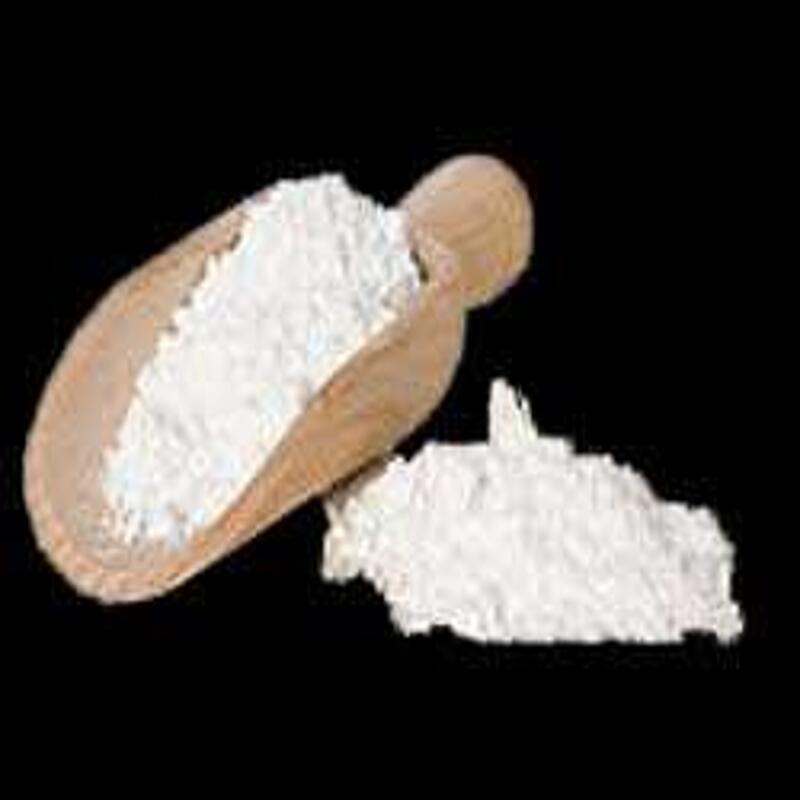
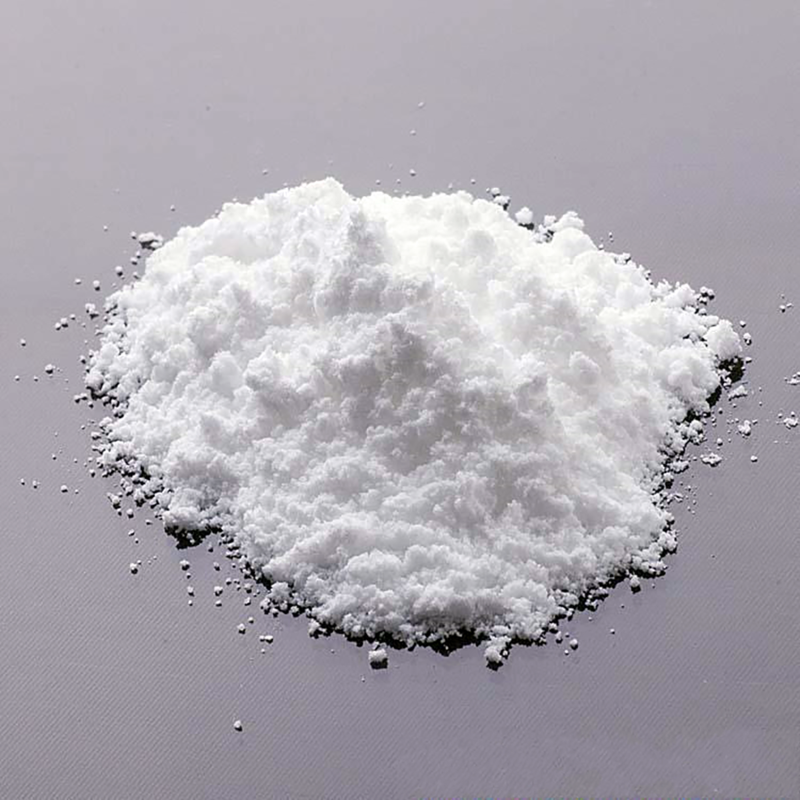
    Clear colorless to slightly yellow lyophilized powder

    Density:

    0.877 g/cu cm at 25 deg C

    Melting Point:

    27.5 °C

    Boiling Point:

    158.5 °C

    Flash Point:

    125 °F

    Refractive Index:

    n 20/D 1.457(lit.)

    Water Solubility:

    H2O: almost transparency;cell culture medium: 0.16 mg/mL

    Storage Conditions:

    −20°C

    Vapor Pressure:

    436 Pa (25 °C)

    Toxicity:

    Oral-Mouse LDL0: 1600 mg/kg

    Flammability characteristics:

    Open flame is flammable; high heat decomposes toxic nitrogen oxide fumes

    Explosive limit:

    0.7-11.2%(V)

    Odor:

    Strong piperidine-like odor

    PKA:

    10.8(at 20 °C)

    Henrys Law Constant:

    Henry's Law constant = 3.54X10⁻¹⁰ atm-cu m/mol at 25 °C (est)

    Dissociation Constants:

    pKa = 10.80 (conjugate acid)

    Experimental Properties:

    Crystals on cooling|When heated to decompoistion it emits toxic fumes of NOx.|Crystals from 85% alcohol, mp >275 °C /Putrescine hydrochloride/|Hydroxyl radical reaction rate constant = 6.62X10⁻¹¹ cu cm/molec-sec at 25 °C (est)

    Hazard Identification

    Classification of the substance or mixture

    Flammable liquids, Category 3

    Acute toxicity - Category 4, Oral

    Acute toxicity - Category 3, Dermal

    Skin corrosion, Sub-category 1B

    Serious eye damage, Category 1

    Acute toxicity - Category 2, Inhalation

    GHS label elements, including precautionary statements

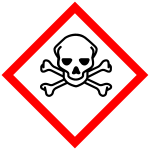
    Pictogram(s)
    Signal word

    Danger

    Hazard statement(s)

    H226 Flammable liquid and vapour

    H302 Harmful if swallowed

    H311 Toxic in contact with skin

    H314 Causes severe skin burns and eye damage

    H330 Fatal if inhaled

    Precautionary statement(s)
    Prevention

    P210 Keep away from heat, hot surfaces, sparks, open flames and other ignition sources. No smoking.

    P233 Keep container tightly closed.

    P240 Ground and bond container and receiving equipment.

    P241 Use explosion-proof [electrical/ventilating/lighting/...] equipment.

    P242 Use non-sparking tools.

    P243 Take action to prevent static discharges.

    P280 Wear protective gloves/protective clothing/eye protection/face protection/hearing protection/...

    P264 Wash ... thoroughly after handling.

    P270 Do not eat, drink or smoke when using this product.

    P260 Do not breathe dust/fume/gas/mist/vapours/spray.

    P271 Use only outdoors or in a well-ventilated area.

    P284 [In case of inadequate ventilation] wear respiratory protection.

    Response

    P303+P361+P353 IF ON SKIN (or hair): Take off immediately all contaminated clothing. Rinse affected areas with water [or shower].

    P370+P378 In case of fire: Use ... to extinguish.

    P301+P317 IF SWALLOWED: Get medical help.

    P330 Rinse mouth.

    P302+P352 IF ON SKIN: Wash with plenty of water/...

    P316 Get emergency medical help immediately.

    P321 Specific treatment (see ... on this label).

    P361+P364 Take off immediately all contaminated clothing and wash it before reuse.

    P301+P330+P331 IF SWALLOWED: Rinse mouth. Do NOT induce vomiting.

    P363 Wash contaminated clothing before reuse.

    P304+P340 IF INHALED: Remove person to fresh air and keep comfortable for breathing.

    P305+P351+P338 IF IN EYES: Rinse cautiously with water for several minutes. Remove contact lenses, if present and easy to do. Continue rinsing.

    P305+P354+P338 IF IN EYES: Immediately rinse with water for several minutes. Remove contact lenses, if present and easy to do. Continue rinsing.

    P317 Get medical help.

    P320 Specific treatment is urgent (see ... on this label).

    Storage

    P403+P235 Store in a well-ventilated place. Keep cool.

    P405 Store locked up.

    P403+P233 Store in a well-ventilated place. Keep container tightly closed.

    Disposal

    P501 Dispose of contents/container to an appropriate treatment and disposal facility in accordance with applicable laws and regulations, and product characteristics at time of disposal.

    Other hazards which do not result in classification

    no data available

    Handling and Storage

    Precautions for safe handling

    Handling in a well ventilated place. Wear suitable protective clothing. Avoid contact with skin and eyes. Avoid formation of dust and aerosols. Use non-sparking tools. Prevent fire caused by electrostatic discharge steam.

    Conditions for safe storage, including any incompatibilities

    Store the container tightly closed in a dry, cool and well-ventilated place. Store apart from foodstuff containers or incompatible materials.

  • Seller Information
    Business Type:

    Trader

    Main Products:

    pharmaceutical intermediates,peptides,electronic chemicals

    Location:

    Room 102, 1st Floor, East Office Building, No. 45 Pengwan Road, Qianwan Bonded Port Area, Qingdao Zone, China (Shandong) Pilot Free Trade Zone

    Payment Terms:

    100% TT in advance

    Average lead Time:

    10

    Total Annual Revenue:

    $10 million-$25 million

    Total Employees:

    51-100

    Year of Establishment:

    2024

    A reliable supplier is like insurance.

    We are mainly specilized in supply of pharmaceutical intermediates, electronic chemicals,food additives, and other fine chemical products.
    Integrity is the foundation, quality is life. We would like to work together with you to build a greener and brighter future.

    Website: orientchem.cc
    Email: scarlett@orientchem.cc
    WhatsApp: +86 17753254221

  • Inquiry History
    2 Inquiries
    Country Product Purchase Quantity Date Posted
    Hongkong, China

    1,4-DIAMINOBUTANE

    50 KG Oct 18, 2024
    United States

    1,4-Diaminobutane

    150 KG Aug 23, 2024
    Post an enquiry for this product

pic ×

Scan the QR Code to Share

All products displayed on this website are only for non-medical purposes such as industrial applications or scientific research, and cannot be used for clinical diagnosis or treatment of humans or animals. They are not medicinal or edible.

According to relevant laws and regulations and the regulations of this website, units or individuals who purchase hazardous materials should obtain valid qualifications and qualification conditions.

The information shown above is provided by the enterprise itself, and the authenticity, accuracy and legitimacy of the content are the responsibility of the publishing company. ECHEMI does not bear any guarantee responsibility for this. Please be aware that risks in internet transactions objectively exist.

Feedback & Suggestions
Send Message

Thank you for your feedback. If you require further assistance, please contact us by email at info@echemi.com or call us at +86-532-55729510.