

DECYL ACRYLATE CAS:2156-96-9
TDS
2156-96-9
Industrail Grade
99%
SHANGHAI
Orient
25L, 200L, 1000L, customized
2026-01-16

pharmaceutical intermediates,peptides,electronic chemicals
-
Product Description
-
Seller Information
-
DescriptionECHEMI Editorial ReferenceLIQUID.
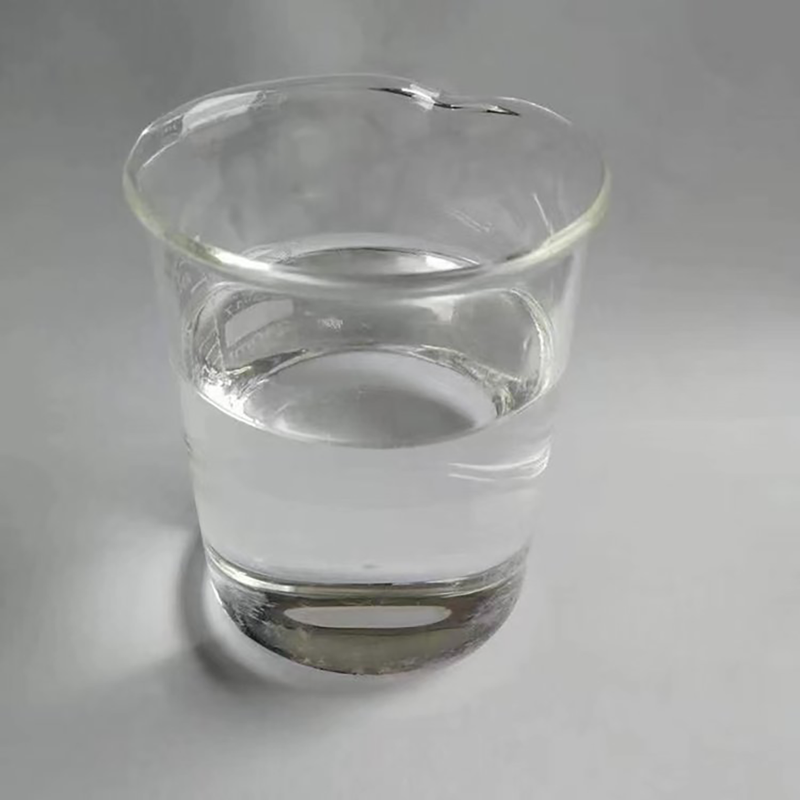
N-decyl acrylate is a liquid. Less dense than water and insoluble in water. Hence floats on water. (USCG, 1999)|Liquid|LIQUID.
N-decyl acrylate is a liquid. Less dense than water and insoluble in water. Hence floats on water. (USCG, 1999)CertificatesBasic Info-
Product Name:
Decyl acrylate
Other Name:2-Propenoic acid,decyl ester;Acrylic acid,decyl ester;Decyl acrylate;NSC 5929;n-Decyl acrylate
CAS No.:2156-96-9
Molecular Formula:C13H24O2
InChIKeys:InChIKey=FWLDHHJLVGRRHD-UHFFFAOYSA-N
Molecular Weight:212.32800
Exact Mass:212.33
EC Number:218-462-9
UNII:0LTY47V4RD
ICSC Number:0368
NSC Number:5929
UN Number:3082
DSSTox ID:DTXSID9044873
HScode:2916129000
Categories:
Characteristics-
PSA:
26.30000
XLogP3:3.85630
Appearance:N-decyl acrylate is a liquid. Less dense than water and insoluble in water. Hence floats on water. (USCG, 1999)
Density:0.8781 g/cm3 @ Temp: 20 °C
Melting Point:-69°C (estimate)
Boiling Point:158 °C @ Press: 50 Torr
Flash Point:94.3ºC
Refractive Index:1.44
Water Solubility:Solubility in water: poor
Storage Conditions:The effectiveness of phenolic inhibitors is dependent on the presence of oxygen and the monomers must be stored under air rather than an inert atmosphere. Temp must be kept low to minimize formation of peroxides and other products. ... The acrylic esters may be stored in mild or stainless steel, or aluminum. /Acrylic acid & derivatives/
Experimental Properties:React readily with electrophilic, free-radical, and nucleophilic agent /Acrylic acid & esters/
Air and Water Reactions:Insoluble in water.
Reactive Group:Acrylates and Acrylic Acids
Reactivity Alerts:Highly Flammable
Reactivity Profile:N-DECYL ACRYLATE reacts exothermically with acids to give n-decyl alcohol and acrylic acid. May react vigorous with strong oxidizing acids and generate enough heat to ignite the reaction products. Interaction with caustic solutions also generates heat. Incompatible with alkali metals and hydrides. Polymerizes readily in the presence of heat and light generating much heat. [Handling Chemicals Safely, 1980. p. 250]. Burns to give acrid smoke and fumes that contain toxic acrylic acid, one of the most serious eye injury chemcials and a severe skin irritant.
Hazard IdentificationClassification of the substance or mixture
Skin irritation, Category 2
Eye irritation, Category 2
Specific target organ toxicity â single exposure, Category 3
Hazardous to the aquatic environment, long-term (Chronic) - Category Chronic 2
GHS label elements, including precautionary statements
Pictogram(s) 

Signal word Warning
Hazard statement(s) H315 Causes skin irritation
H319 Causes serious eye irritation
H335 May cause respiratory irritation
H411 Toxic to aquatic life with long lasting effects
Precautionary statement(s) Prevention P264 Wash ... thoroughly after handling.
P280 Wear protective gloves/protective clothing/eye protection/face protection/hearing protection/...
P261 Avoid breathing dust/fume/gas/mist/vapours/spray.
P271 Use only outdoors or in a well-ventilated area.
P273 Avoid release to the environment.
Response P302+P352 IF ON SKIN: Wash with plenty of water/...
P321 Specific treatment (see ... on this label).
P332+P317 If skin irritation occurs: Get medical help.
P362+P364 Take off contaminated clothing and wash it before reuse.
P305+P351+P338 IF IN EYES: Rinse cautiously with water for several minutes. Remove contact lenses, if present and easy to do. Continue rinsing.
P304+P340 IF INHALED: Remove person to fresh air and keep comfortable for breathing.
P319 Get medical help if you feel unwell.
P391 Collect spillage.
Storage P403+P233 Store in a well-ventilated place. Keep container tightly closed.
P405 Store locked up.
Disposal P501 Dispose of contents/container to an appropriate treatment and disposal facility in accordance with applicable laws and regulations, and product characteristics at time of disposal.
Other hazards which do not result in classification
no data available
Handling and StoragePrecautions for safe handling
NO open flames. Handling in a well ventilated place. Wear suitable protective clothing. Avoid contact with skin and eyes. Avoid formation of dust and aerosols. Use non-sparking tools. Prevent fire caused by electrostatic discharge steam.
Conditions for safe storage, including any incompatibilities
The effectiveness of phenolic inhibitors is dependent on the presence of oxygen and the monomers must be stored under air rather than an inert atmosphere. Temp must be kept low to minimize formation of peroxides and other products. ... The acrylic esters may be stored in mild or stainless steel, or aluminum. Acrylic acid & derivatives
-
-
Seller Information
-
Business Type:
Trader
-
Main Products:
pharmaceutical intermediates,peptides,electronic chemicals
-
Location:
Room 102, 1st Floor, East Office Building, No. 45 Pengwan Road, Qianwan Bonded Port Area, Qingdao Zone, China (Shandong) Pilot Free Trade Zone
-
Payment Terms:
100% TT in advance
-
Average lead Time:
10
-
Total Annual Revenue:
$10 million-$25 million
-
Total Employees:
51-100
-
Year of Establishment:
2024
-
-
Country Product Purchase Quantity Date Posted Post an enquiry for this product