Product
Supplier
Encyclopedia
Inquiry
DEAEMA 105-16-8 buy - large image1
DEAEMA 105-16-8 buy - image1
DEAEMA 105-16-8 buy - image2
DEAEMA 105-16-8 buy - image3
DEAEMA 105-16-8 buy - image4
DEAEMA 105-16-8 buy - image5
DEAEMA 105-16-8 buy - image6

DEAEMA 105-16-8

TDS 1 Inquiries

Unit Price: Get Latest Price
CAS No.:

105-16-8

Grade:

Industrail Grade

Content:

99%

Port:

shanghai

Brand:

Orient

Packaging:

25L, 200L, 1000L, customized

Price valid (until):

2026-01-17

Company Type:
Trader
Location:
China
Qualification:
Main Products:

pharmaceutical intermediates,peptides,electronic chemicals

  • Product Description

  • Seller Information

  • Inquiry History

  • Description
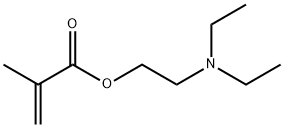
    Product Name: DEAEMA
    Synonyms: DEAEMA;
    CAS: 105-16-8
    MF: C10H19NO2
    MW: 185.26
    EINECS: 203-275-7
    Product Categories: monomer;Amine Photochemical CoinitiatorsCarbonyl Compounds;C10 to C11Monomers;Acrylic Monomers;Esters;Methacrylate;Polymer Science;Polymerization Initiators
    Mol File: 105-16-8.mol
    Shop DEAEMA 105-16-8-Detailed Image 1

    2-(Diethylamino)ethyl methacrylate Chemical Properties
    Melting point  -60°C
    Boiling point  80 °C10 mm Hg(lit.)
    density  0.922 g/mL at 25 °C(lit.)
    vapor pressure  11Pa at 20℃
    refractive index  n20/D 1.444(lit.)
    Fp  170 °F
    storage temp.  Sealed in dry,Room Temperature
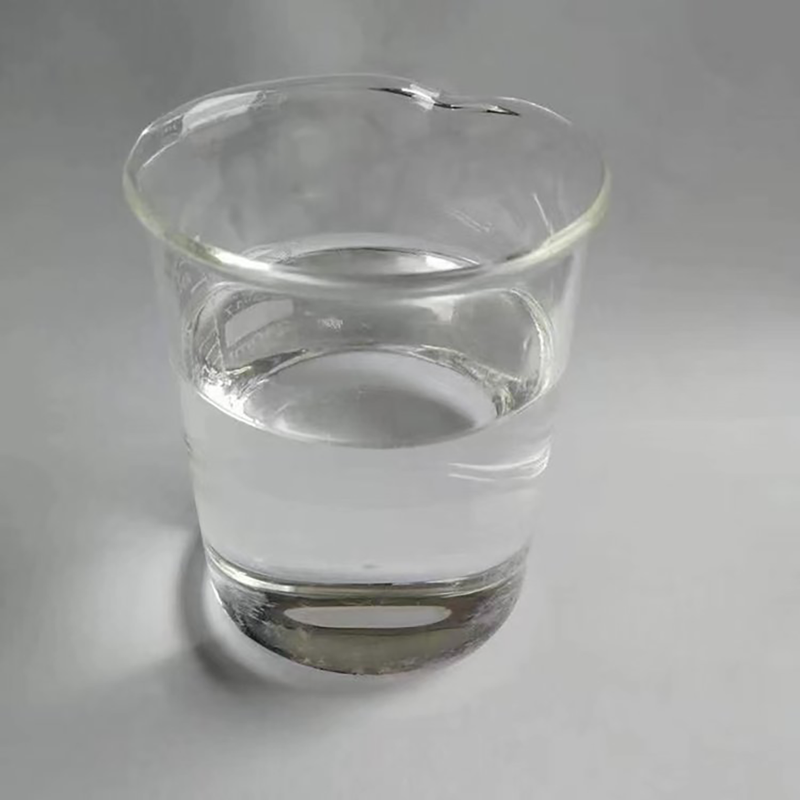
    form  clear liquid
    pka 9.18±0.25(Predicted)
    color  Colorless to Almost colorless
    Decomposition  176-178 ºC
    InChIKey SJIXRGNQPBQWMK-UHFFFAOYSA-N
    LogP 2.560 (est)
    CAS DataBase Reference 105-16-8(CAS DataBase Reference)
    NIST Chemistry Reference Diethylaminoethyl methacrylate(105-16-8)

    Safety Information
    Hazard Codes  Xn
    Risk Statements  20-36/38-43
    Safety Statements  26-36/37
    RIDADR  NA 1993 / PGIII
    WGK Germany  1
    RTECS  OZ4150000
    TSCA  TSCA listed
    HS Code  29224999
    Hazardous Substances Data 105-16-8(Hazardous Substances Data)
    Toxicity mouse,LC50,inhalation,12100mg/m3/2H (12100mg/m3),"Toxicometric Parameters of Industrial Toxic Chemicals Under Single Exposure," Izmerov, N.F., et al., Moscow, Centre of International Projects, GKNT, 1982Vol. -, Pg. 51, 1982.
    MSDS Information
    Provider Language
    2-(Diethylamino)ethyl methacrylate English
    SigmaAldrich English

    DEAEMA Usage And Synthesis
    Chemical Properties Colorless liquid
    Physical properties The pKa of DEAEMA (DEAEMA) monomers is 8.8, while the pKa of these corresponding homopolymers is 7.5[1].
    Uses DEAEMA is used in preparation method and application of Hydrogel assembled self-adhesive material.
    General Description A clear light colored liquid. Insoluble in water and slightly denser than water. Flash point between 100-141°F. May be toxic by ingestion. Contact may severely irritate skin.
    Air & Water Reactions Flammable. Insoluble in water.
    Reactivity Profile An acrylic acid ester/amine. Esters react with acids to liberate heat along with alcohols and acids. Strong oxidizing acids may cause a vigorous reaction that is sufficiently exothermic to ignite the reaction products. Heat is also generated by the interaction of esters with caustic solutions. Flammable hydrogen is generated by mixing esters with alkali metals and hydrides. Amines are chemical bases. They neutralize acids to form salts plus water. These acid-base reactions are exothermic. The amount of heat that is evolved per mole of amine in a neutralization is largely independent of the strength of the amine as a base. Amines may be incompatible with isocyanates, halogenated organics, peroxides, phenols (acidic), epoxides, anhydrides, and acid halides. Flammable gaseous hydrogen is generated by amines in combination with strong reducing agents, such as hydrides.
    Health Hazard Inhalation or contact with material may irritate or burn skin and eyes. Fire may produce irritating, corrosive and/or toxic gases. Vapors may cause dizziness or suffocation. Runoff from fire control or dilution water may cause pollution.
    Flammability and Explosibility Non flammable
    Synthesis
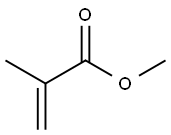
    Shop DEAEMA 105-16-8-Detailed Image 2

    80-62-6


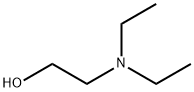
    Shop DEAEMA 105-16-8-Detailed Image 3

    100-37-8


    Shop DEAEMA 105-16-8-Detailed Image 4

    105-16-8

    (1) Synthesis step: In a 1000 mL three-necked flask equipped with a stirrer, a thermometer and a moisture separator, 240 g (2.4 mol) of methyl methacrylate, 117 g (1.0 mol) of diethylaminoethanol, 200 g of n-hexane, 8 g of lithium hydroxide, and 0.5 g of phenothiazine were added sequentially. The reaction mixture was heated to 65 °C to 73 °C and kept at reflux to separate the resulting methanol. The reaction was continued until no methanol was separated (about 5 hours) and a total of 34.5 g of methanol was collected. The content of methanol was 88.6% and the content of methyl methacrylate was 11.2% by gas chromatography. (2) Purification step: After the reaction mixture was cooled to room temperature, it was washed twice with 300 mL×2 deionized water. Subsequently, the pressure was gradually reduced (0 to 100 mmHg) at 60 °C to 100 °C to remove unreacted methyl methacrylate and diethylaminoethanol. Finally, diethylaminoethyl methacrylate was obtained by distillation at 5 to 10 mmHg and 90 °C to 100 °C under reduced pressure. The product 175.7 g (theoretical yield 185.26 g) was obtained in 94.1% yield. Gas chromatographic analysis showed that the content of diethylaminoethyl methacrylate in the product was 99.2%.

    First aid measures

    If inhaled

    Move the victim into fresh air. If breathing is difficult, give oxygen. If not breathing, give artificial respiration and consult a doctor immediately. Do not use mouth to mouth resuscitation if the victim ingested or inhaled the chemical.

    Following skin contact

    Take off contaminated clothing immediately. Wash off with soap and plenty of water. Consult a doctor.

    Following eye contact

    Rinse with pure water for at least 15 minutes. Consult a doctor.

    Following ingestion

    Rinse mouth with water. Do not induce vomiting. Never give anything by mouth to an unconscious person. Call a doctor or Poison Control Center immediately.

    Accidental release measures


    Personal precautions, protective equipment and emergency procedures

    Avoid dust formation. Avoid breathing mist, gas or vapours.Avoid contacting with skin and eye. Use personal protective equipment.Wear chemical impermeable gloves. Ensure adequate ventilation.Remove all sources of ignition. Evacuate personnel to safe areas.Keep people away from and upwind of spill/leak. Environmental precautions

    Prevent further spillage or leakage if it is safe to do so. Do not let the chemical enter drains. Discharge into the environment must be avoided. Methods and materials for containment and cleaning up

    Collect and arrange disposal. Keep the chemical in suitable and closed containers for disposal. Remove all sources of ignition. Use spark-proof tools and explosion-proof equipment. Adhered or collected material should be promptly disposed of, in accordance with appropriate laws and regulations.

    Shop Orthophosphorus acid 10294-56-1-Detailed Image 1

    Shop Trimellitic Anhydride  C9H4O5 552-30-7-Detailed Image 2

    Shop Trimellitic Anhydride  C9H4O5 552-30-7-Detailed Image 3


    Shop Trimellitic Anhydride  C9H4O5 552-30-7-Detailed Image 4

    Shop Trimellitic Anhydride  C9H4O5 552-30-7-Detailed Image 5

    Shop Trimellitic Anhydride  C9H4O5 552-30-7-Detailed Image 6


    Shop Trimellitic Anhydride  C9H4O5 552-30-7-Detailed Image 7


    Shop Trimellitic Anhydride  C9H4O5 552-30-7-Detailed Image 8

    Shop Trimellitic Anhydride  C9H4O5 552-30-7-Detailed Image 9

    Shop Trimellitic Anhydride  C9H4O5 552-30-7-Detailed Image 10

    Shop Trimellitic Anhydride  C9H4O5 552-30-7-Detailed Image 11

    Shop Trimellitic Anhydride  C9H4O5 552-30-7-Detailed Image 12

    ——  Q&A  ——

    Q1:Do you provide sample?

    A: Yes, we can provide free sample, you only need pay the shipping cost.

    Q2: What is the lead time?

    A: For stock goods, it usually take about 5-7 days by air, 15-30 days by sea,For customized products, the delivery time needs to be confirmed based on the actual situation.

    Q3: How can I buy? What is the payment method?

    A: You can contract us through Email or you can browse our website:orientchem.cc, we have bank transfer, 

    Q4:What if there are quality issues?

    A:We attach great importance to after-sales service of our products. If there are any quality issues, please contact us within 30 days of receiving the goods and we will handle returns and exchanges for you.


    Certificates

    Basic Info
    Product Name:

    Diethylaminoethyl methacrylate

    Other Name:

    2-Propenoic acid,2-methyl-,2-(diethylamino)ethyl ester;Methacrylic acid,2-(diethylamino)ethyl ester;Daktose B;Diethylaminoethyl methacrylate;β-(Diethylamino)ethyl methacrylate;N,N-Diethylaminoethyl methacrylate;2-Diethylaminoethyl methacrylate;2-(N,N-Diethylamino)ethyl methacrylate;β-(N,N-Diethylamino)ethyl methacrylate;[2-(Methacryloyloxy)ethyl]diethylamine;Light Ester DE;NSC 14490;Polydeam;GE 710;Diethyl[2-(methacryloyloxy)ethyl]amine;Ageflex FM 2PTZ;Acryester DE;2-(Diethylamino)ethyl 2-methylprop-2-enoate;76398-99-7;138164-47-3;151768-83-1;168066-58-8;1453489-91-2

    CAS No.:

    105-16-8

    Molecular Formula:

    C10H19NO2

    InChIKeys:

    InChIKey=SJIXRGNQPBQWMK-UHFFFAOYSA-N

    Molecular Weight:

    185.26

    Exact Mass:

    185.26

    EC Number:

    203-275-7

    UNII:

    N5SI2E7HOU

    NSC Number:

    14490

    UN Number:

    1993

    DSSTox ID:

    DTXSID4026713

    Color/Form:

    Clear, colorless liquid

    HScode:

    2922199090

    Characteristics
    PSA:

    29.5

    XLogP3:

    1.9

    Appearance:

    Diethylaminoethylmethacrylate, [liquid] appears as a clear light colored liquid. Insoluble in water and slightly denser than water. May be toxic by ingestion. Contact may severely irritate skin.

    Density:

    0.98 g/cm3 @ Temp: 20 °C

    Melting Point:

    -60°C

    Boiling Point:

    49 °C @ Press: 0.30 Torr

    Flash Point:

    81.0±13.5 °C

    Refractive Index:

    1.449

    Water Solubility:

    In water, 21,900 mg/L at 25 deg C (est)

    Storage Conditions:

    The effectiveness of phenolic inhibitors is dependent on the presence of oxygen and the monomers must be stored under air rather than an inert atmosphere. Temperatures must be kept low to minimize formation of peroxides and other products. Moisture may cause rust-initiated polymerization. /Acrylic acid & derivatives/

    Vapor Pressure:

    0.11 mm Hg at 25 deg C (est)

    Henrys Law Constant:

    Henry's Law constant: 2.1X10⁻⁷ atm cu m/mol at 25 °C /est/

    Dissociation Constants:

    pKa = 8.96 at 25 °C (est)

    Experimental Properties:

    Most aliphatic amines have an unpleasant, fishy or fishlike odor and in high concentrations they all have the odor of ammonia. /Aliphatic amines/|Hydroxyl radical reaction rate constant: 1.1X10⁻¹⁰ cu cm/molecule-sec at 25 °C (est)

    Air and Water Reactions:

    Flammable. Insoluble in water.

    Reactive Group:

    Amines, Phosphines, and Pyridines

    Reactivity Alerts:

    Polymerizable

    Reactivity Profile:

    An acrylic acid ester/amine. Esters react with acids to liberate heat along with alcohols and acids. Strong oxidizing acids may cause a vigorous reaction that is sufficiently exothermic to ignite the reaction products. Heat is also generated by the interaction of esters with caustic solutions. Flammable hydrogen is generated by mixing esters with alkali metals and hydrides. Amines are chemical bases. They neutralize acids to form salts plus water. These acid-base reactions are exothermic. The amount of heat that is evolved per mole of amine in a neutralization is largely independent of the strength of the amine as a base. Amines may be incompatible with isocyanates, halogenated organics, peroxides, phenols (acidic), epoxides, anhydrides, and acid halides. Flammable gaseous hydrogen is generated by amines in combination with strong reducing agents, such as hydrides.

    Hazard Identification

    Classification of the substance or mixture

    Skin irritation, Category 2

    Eye irritation, Category 2

    Skin sensitization, Category 1

    Acute toxicity - Category 4, Inhalation

    GHS label elements, including precautionary statements

    Pictogram(s)

    Signal word

    Warning

    Hazard statement(s)

    H315 Causes skin irritation

    H319 Causes serious eye irritation

    H317 May cause an allergic skin reaction

    H332 Harmful if inhaled

    Precautionary statement(s)
    Prevention

    P264 Wash ... thoroughly after handling.

    P280 Wear protective gloves/protective clothing/eye protection/face protection/hearing protection/...

    P261 Avoid breathing dust/fume/gas/mist/vapours/spray.

    P272 Contaminated work clothing should not be allowed out of the workplace.

    P271 Use only outdoors or in a well-ventilated area.

    Response

    P302+P352 IF ON SKIN: Wash with plenty of water/...

    P321 Specific treatment (see ... on this label).

    P332+P317 If skin irritation occurs: Get medical help.

    P362+P364 Take off contaminated clothing and wash it before reuse.

    P305+P351+P338 IF IN EYES: Rinse cautiously with water for several minutes. Remove contact lenses, if present and easy to do. Continue rinsing.

    P333+P317 If skin irritation or rash occurs: Get medical help.

    P304+P340 IF INHALED: Remove person to fresh air and keep comfortable for breathing.

    P317 Get medical help.

    Storage

    none

    Disposal

    P501 Dispose of contents/container to an appropriate treatment and disposal facility in accordance with applicable laws and regulations, and product characteristics at time of disposal.

    Other hazards which do not result in classification

    no data available

    Handling and Storage

    Precautions for safe handling

    Handling in a well ventilated place. Wear suitable protective clothing. Avoid contact with skin and eyes. Avoid formation of dust and aerosols. Use non-sparking tools. Prevent fire caused by electrostatic discharge steam.

    Conditions for safe storage, including any incompatibilities

    Conditions for safe storage, including any incompatibilities: Keep container tightly closed in a dry and well-ventilated place. Moisture sensitive.

  • Seller Information
    Business Type:

    Trader

    Main Products:

    pharmaceutical intermediates,peptides,electronic chemicals

    Location:

    Room 102, 1st Floor, East Office Building, No. 45 Pengwan Road, Qianwan Bonded Port Area, Qingdao Zone, China (Shandong) Pilot Free Trade Zone

    Payment Terms:

    100% TT in advance

    Average lead Time:

    10

    Total Annual Revenue:

    $10 million-$25 million

    Total Employees:

    51-100

    Year of Establishment:

    2024

    A reliable supplier is like insurance.

    We are mainly specilized in supply of pharmaceutical intermediates, electronic chemicals,food additives, and other fine chemical products.
    Integrity is the foundation, quality is life. We would like to work together with you to build a greener and brighter future.

    Website: orientchem.cc
    Email: scarlett@orientchem.cc
    WhatsApp: +86 17753254221

  • Inquiry History
    1 Inquiries
    Country Product Purchase Quantity Date Posted
    Turkey

    2-(Diethylamino)ethyl methacrylate

    500 KG Nov 4, 2025
    Post an enquiry for this product
pic ×

Scan the QR Code to Share

All products displayed on this website are only for non-medical purposes such as industrial applications or scientific research, and cannot be used for clinical diagnosis or treatment of humans or animals. They are not medicinal or edible.

According to relevant laws and regulations and the regulations of this website, units or individuals who purchase hazardous materials should obtain valid qualifications and qualification conditions.

The information shown above is provided by the enterprise itself, and the authenticity, accuracy and legitimacy of the content are the responsibility of the publishing company. ECHEMI does not bear any guarantee responsibility for this. Please be aware that risks in internet transactions objectively exist.

Feedback & Suggestions
Send Message

Thank you for your feedback. If you require further assistance, please contact us by email at info@echemi.com or call us at +86-532-55729510.