Product
Supplier
Encyclopedia
Inquiry
Home > Chemical Reagents > Organic Reagents > Propylene carbonate for Sale > Electronic Grade Propylene Carbonate
Electronic Grade Propylene Carbonate buy - large image1
Electronic Grade Propylene Carbonate buy - image1
Electronic Grade Propylene Carbonate buy - image2
Electronic Grade Propylene Carbonate buy - image3
Electronic Grade Propylene Carbonate buy - image4
Electronic Grade Propylene Carbonate buy - image5
Electronic Grade Propylene Carbonate buy - image6

Electronic Grade Propylene Carbonate

19 Inquiries

Unit Price:

$1410-1420/MT FOB

Get Latest Price
CAS No.:

108-32-7

Grade:

Electronic Grade

Content:

99.99%

Port:

shanghai

Packaging:

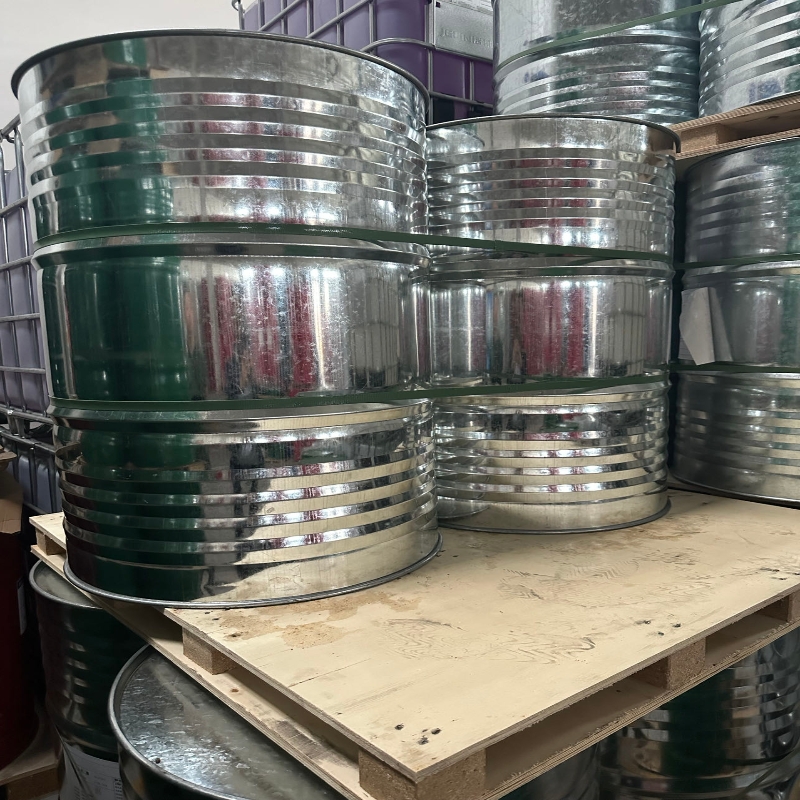
250kg Galvanized Iron Drum

Price valid (until):

2026-06-13

Company Type:
Trader
Location:
China
Qualification:
Main Products:

pharmaceutical intermediates,peptides,electronic chemicals

  • Product Description

  • Seller Information

  • Inquiry History

  • Description


    Propylene carbonate Chemical Properties
    Melting point  -55 °C (lit.)
    Boiling point  240 °C (lit.)
    density  1.204 g/mL at 25 °C (lit.)
    vapor pressure  0.13 mm Hg ( 20 °C)
    refractive index  n20/D 1.421(lit.)
    Fp  270 °F
    storage temp.  Store below +30°C.
    solubility  240g/l
    pka 3.92[at 20 ℃]
    form  Liquid
    color  Clear
    Specific Gravity 1.209 (20/4℃)
    Relative polarity 6
    Odor odorless
    PH 7.0 (200g/l, H2O, 20℃)
    explosive limit 1.8-14.3%(V)
    Water Solubility  240 g/L (20 ºC)
    λmax λ: 235 nm Amax: 1.00
    λ: 280 nm Amax: 0.50
    λ: 300 nm Amax: 0.30
    λ: 350 nm Amax: 0.05
    λ: 375-400 nm Amax: 0.01
    BRN  107913
    Henry's Law Constant 2.9×10² mol/(m3Pa) at 25℃, Duchowicz et al. (2020)
    Dielectric constant 64.4(Ambient)
    Stability: Stable. Incompatible with strong oxidizing agents, acids, bases, reducing agents. Protect from contact with moist air or water.
    Major Application food and beverages
    Cosmetics Ingredients Functions SOLVENT
    VISCOSITY CONTROLLING
    InChI 1S/C4H6O3/c1-3-2-6-4(5)7-3/h3H,2H2,1H3
    InChIKey RUOJZAUFBMNUDX-UHFFFAOYSA-N
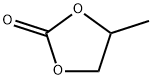
    SMILES CC1COC(=O)O1
    LogP -0.41 at 20℃
    CAS DataBase Reference 108-32-7(CAS DataBase Reference)
    NIST Chemistry Reference Propylene carbonate(108-32-7)
    EPA Substance Registry System Propylene carbonate (108-32-7)

    Safety Information
    Hazard Codes  Xi
    Risk Statements  36
    Safety Statements  26-37/39
    WGK Germany  1
    RTECS  FF9650000
    3-10
    Autoignition Temperature 851 °F
    TSCA  TSCA listed
    HS Code  29209010
    Storage Class 10 - Combustible liquids
    Hazard Classifications Eye Irrit. 2
    Hazardous Substances Data 108-32-7(Hazardous Substances Data)
    Toxicity LD50 orally in Rabbit: > 5000 mg/kg LD50 dermal Rabbit > 20000 mg/kg
    MSDS Information
    Provider Language
    1,2-Propylene Carbonate English
    SigmaAldrich English
    ACROS English
    ALFA English

    Propylene carbonate Usage And Synthesis
    Chemical Properties Propylene carbonate is a clear, colorless, mobile liquid, with a faint odor.
    Uses propylene carbonate is used in chemical reactions as a solvent, plasticizer, solubilizer, or dilutent. It is also used in the synthesis of solar cells as well as lithium ion batteries.
    Production Methods Propylene carbonate may be prepared by the reaction of sodium bicarbonate with propylene chlorohydrin.
    General Description Propylene carbonate is a cyclic carbonate that is commonly used as a solvent and as a reactive intermediate in organic synthesis. It is being considered as a potential electrochemical solvent due to its low vapor pressure, high dielectric constant and high chemical stability.
    Propylene carbonate can be synthesized from propylene oxide and CO2. Optically active form of propylene carbonate can be prepared from the reaction between CO2 and racemic epoxides. Decomposition of propylene carbonate on the graphite electrode in lithium batteries results in the formation of a lithium intercalated compound.
    Flammability and Explosibility Not classified
    Pharmaceutical Applications Propylene carbonate is used mainly as a solvent in oral and topical pharmaceutical formulations.
    In topical applications, propylene carbonate has been used in combination with propylene glycol as a solvent for corticosteroids. The corticosteroid is dissolved in the solvent mixture to yield microdroplets that can then be dispersed in petrolatum.Propylene carbonate has been used as a dispensing solvent in topical preparations.
    Propylene carbonate has also been used in hard gelatin capsules as a nonvolatile, stabilizing, liquid carrier. For formulations with a low dosage of active drug, a uniform drug content may be obtained by dissolving the drug in propylene carbonate and then spraying this solution on to a solid carrier such as compressible sugar; the sugar may then be filled into hard gelatin capsules
    Propylene carbonate may additionally be used as a solvent, at room and elevated temperatures, for many cellulose-based polymers and plasticizers. Propylene carbonate is also used in cosmetics.
    Safety Propylene Carbonate is listed in The Design for the Environment (DfE) Safer Chemistry Program by the EPA as a Solvent category and indicated by the Green circle, meaning the chemical has been verified to be of low concern for human and environmental health based on experimental and modeled data.
    In animal studies, propylene carbonate was found to cause tissue necrosis after parenteral administration.
    (mouse, oral): 20.7 g/kg
    (mouse, SC): 15.8 g/kg
    (rat, oral): 29 g/kg
    (rat, SC): 11.1 g/kg
    storage Propylene carbonate and its aqueous solutions are stable but may degrade in the presence of acids or bases, or upon heating;
    Store in a well-closed container in a cool, dry place.
    Purification Methods It is manufactured by reaction of 1,2-propylene oxide with CO2 in the presence of a catalyst (quaternary ammonium halide). Contaminants include propylene oxide, carbon dioxide, 1,2-and 1,3-propanediols, allyl alcohol and ethylene carbonate. It can be purified by percolation through molecular sieves (Linde 5A, dried at 350o for 14hours under a stream of argon), followed by distillation under a vacuum. [Jasinski & Kirkland Anal Chem 39 163 1967.] It can be stored over molecular sieves under an inert gas atmosphere. When purified in this way it contains less than 2ppm of water. Activated alumina and dried CaO have also been used as drying agents prior to fractional distillation under reduced pressure. It has been dried with 3A molecular sieves and distilled under nitrogen in the presence of p-toluenesulfonic acid, then redistilled and the middle fraction collected. [Beilstein 19 III/IV 1564, 19/4 V 21.]
    Incompatibilities Propylene carbonate hydrolyzes rapidly in the presence of strong acids and bases, forming mainly propylene oxide and carbon dioxide. Propylene carbonate can also react with primary and secondary amines to yield carbamates.
    Toxics Screening Level The current initial threshold screening level (ITSL) for propylene carbonate is 700 μg/m3 based on an annual averaging time.
    Regulatory Status Included in the FDA Inactive Ingredients Database (topical ointments). Included in the Canadian List of Acceptable Nonmedicinal Ingredients.


    Pls input..Shop Electronic Grade Propylene Carbonate-Detailed Image 2 Shop Electronic Grade Propylene Carbonate-Detailed Image 3 Shop Electronic Grade Propylene Carbonate-Detailed Image 4 Shop Electronic Grade Propylene Carbonate-Detailed Image 5 Shop Electronic Grade Propylene Carbonate-Detailed Image 6 Shop Electronic Grade Propylene Carbonate-Detailed Image 7.

    Items Specifications


    Basic Info
    Product Name:

    Propylene carbonate

    Other Name:

    1,3-Dioxolan-2-one,4-methyl-;Carbonic acid,cyclic propylene ester;Carbonic acid,propylene ester;4-Methyl-1,3-dioxolan-2-one;Propylene carbonate;1,2-Propylene carbonate;1,2-Propanediyl carbonate;1,2-Propanediol carbonate;Carbonic acid cyclic methylethylene ester;Carbonic acid cyclic 1,2-propylene ester;Cyclic methylethylene carbonate;Cyclic propylene carbonate;Cyclic 1,2-propylene carbonate;1-Methylethylene carbonate;1,2-Propanediol cyclic carbonate;Propylene glycol cyclic carbonate;4-Methyl-2-oxo-1,3-dioxolane;Arconate 5000;4-Methyl-1,3-dioxolane-2-one;Texacar PC;Jeffsol PC;2-Methyl-1,2-ethylene carbonate;Arconate 1000;Arconate HP;PC-HP;NSC 11784;NSC 1913;2-Oxo-4-methyl-1,3-dioxolane;Jeffsol AG 1555;Arconate propylenecarbonate;JN 02;Methyl-1,3-dioxolan-2-one;Fluor Solvent;PC Medion;4-Methyl-2-dioxolanone;Jeffsol 1555;104083-03-6;127128-76-1;30141-77-6

    CAS No.:

    108-32-7

    Molecular Formula:

    C4H6O3

    InChIKeys:

    InChIKey=RUOJZAUFBMNUDX-UHFFFAOYSA-N

    Molecular Weight:

    102.09

    Exact Mass:

    102.09

    EC Number:

    203-572-1

    NSC Number:

    11784|1913

    DSSTox ID:

    DTXSID2026789

    Color/Form:

    Colorless liquid|Clear, colorless liquid

    HScode:

    29209010

    Categories:

    Organic Reagents

    Characteristics
    PSA:

    35.5

    XLogP3:

    -0.4

    Appearance:

    Clear Liquid

    Density:

    1.2047 g/cm3

    Melting Point:

    -48.8 °C

    Boiling Point:

    242 °C

    Flash Point:

    270 °F

    Refractive Index:

    1.416

    Water Solubility:

    H2O: 240 g/L (20 ºC)

    Storage Conditions:

    Store below +30°C.

    Vapor Pressure:

    0.13 mm Hg ( 20 °C)

    Toxicity:

    Oral-Rat  LD50: 34900 mg/kg; Oral-Mouse LD50: 20700 mg/kg

    Flammability characteristics:

    Combustible in case of open flame, high temperature and strong oxidant; burning emits irritating smoke

    Explosive limit:

    1.8-14.3%(V)

    Odor:

    Odorless|Weak odor

    Henrys Law Constant:

    Henry's Law constant = 3.5X10⁻⁸ atm-cu m/mole at 25 °C (est)

    Experimental Properties:

    Hydroxyl radical reaction rate constant = 3.8X10⁻¹² cu cm/molecule-sec at 25 °C (est)

    Hazard Identification

    Classification of the substance or mixture

    Eye irritation, Category 2

    GHS label elements, including precautionary statements

    Pictogram(s)

    Signal word

    Warning

    Hazard statement(s)

    H319 Causes serious eye irritation

    Precautionary statement(s)
    Prevention

    P264 Wash ... thoroughly after handling.

    P280 Wear protective gloves/protective clothing/eye protection/face protection/hearing protection/...

    Response

    P305+P351+P338 IF IN EYES: Rinse cautiously with water for several minutes. Remove contact lenses, if present and easy to do. Continue rinsing.

    Storage

    none

    Disposal

    none

    Other hazards which do not result in classification

    no data available

    Handling and Storage

    Precautions for safe handling

    Handling in a well ventilated place. Wear suitable protective clothing. Avoid contact with skin and eyes. Avoid formation of dust and aerosols. Use non-sparking tools. Prevent fire caused by electrostatic discharge steam.

    Conditions for safe storage, including any incompatibilities

    Conditions for safe storage, including any incompatibilities: Keep container tightly closed in a dry and well-ventilated place. Moisture sensitive. Storage class (TRGS 510): Combustible liquids.

  • Seller Information
    Business Type:

    Trader

    Main Products:

    pharmaceutical intermediates,peptides,electronic chemicals

    Location:

    Room 102, 1st Floor, East Office Building, No. 45 Pengwan Road, Qianwan Bonded Port Area, Qingdao Zone, China (Shandong) Pilot Free Trade Zone

    Payment Terms:

    100% TT in advance

    Average lead Time:

    10

    Total Annual Revenue:

    $10 million-$25 million

    Total Employees:

    51-100

    Year of Establishment:

    2024

    A reliable supplier is like insurance.

    We are mainly specilized in supply of pharmaceutical intermediates, electronic chemicals,food additives, and other fine chemical products.
    Integrity is the foundation, quality is life. We would like to work together with you to build a greener and brighter future.

    Website: orientchem.cc
    Email: scarlett@orientchem.cc
    WhatsApp: +86 17753254221

  • Inquiry History
    19 Inquiries
    Country Product Purchase Quantity Date Posted
    United Kingdom

    propylene carbonate

    1 KG May 26, 2026
    France

    propylene carbonate

    1 20' Fcl May 4, 2026
    Russia

    Propylene Carbonate

    1 20' Fcl Apr 16, 2026
    India

    Propylene Carbonate

    1000 KG Jan 4, 2026
    Russia

    Propylene Carbonate

    1 40' Fcl Nov 17, 2025
    India

    Propylene carbonate

    5.00 TON Mar 4, 2025
    Turkey

    Propylene carbonate

    1 MT Nov 22, 2024
    Pakistan

    propylene carbonate

    10 KG Jul 3, 2024
    Malaysia

    Propylene carbonate

    1.5 MT May 14, 2024
    Georgia

    Propylene Carbonate

    5 L Apr 12, 2024
    Jordan

    propylene carbonate

    2.5 KG Mar 2, 2024
    South Korea

    Propylene Carbonate

    5 MT Jan 8, 2024
    Turkey

    PROPYLENE CARBONATE

    40 MT Nov 21, 2023
    Pakistan

    Propylene Carbonate

    1000 KG Sep 29, 2023
    United Arab Emirates

    propylene carbonate

    1 MT Feb 13, 2025
    Russia

    Propylene carbonate

    24 MT Aug 14, 2024
    Saudi Arabia

    Propylene Carbonate (PC)

    1.00 20' Fcl May 15, 2024
    Italy

    Blend ethylen-propylen carbonate

    20 MT Jan 30, 2024
    India

    Propylene carbonate 99.96% Industrial Grade feiyang

    20 MT Aug 8, 2023
    Post an enquiry for this product
pic ×

Scan the QR Code to Share

All products displayed on this website are only for non-medical purposes such as industrial applications or scientific research, and cannot be used for clinical diagnosis or treatment of humans or animals. They are not medicinal or edible.

According to relevant laws and regulations and the regulations of this website, units or individuals who purchase hazardous materials should obtain valid qualifications and qualification conditions.

The information shown above is provided by the enterprise itself, and the authenticity, accuracy and legitimacy of the content are the responsibility of the publishing company. ECHEMI does not bear any guarantee responsibility for this. Please be aware that risks in internet transactions objectively exist.

Feedback & Suggestions
Send Message

Thank you for your feedback. If you require further assistance, please contact us by email at info@echemi.com or call us at +86-532-55729510.