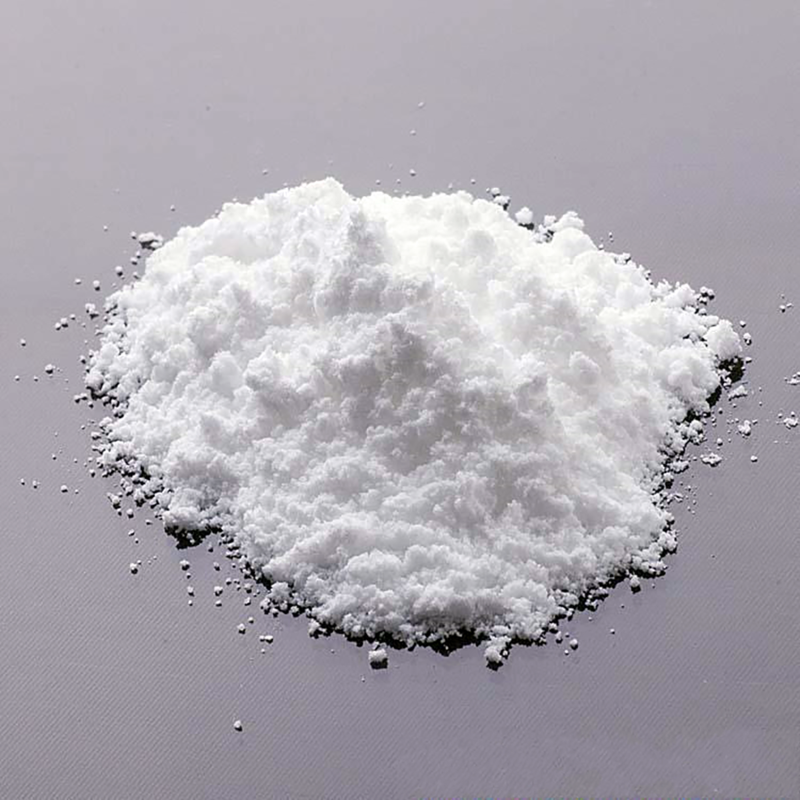
N-Vinyl-2-pyrrolidone 88-12-0
TDS 7 Inquiries
88-12-0
Industrail Grade
99%
shanghai
Orient
1KG, 5KG, 25KG
Yes
2027-02-28

pharmaceutical intermediates,peptides,electronic chemicals
-
Product Description
-
Seller Information
-
Inquiry History
-
DescriptionECHEMI Editorial ReferenceColorless liquid. Combustible.CertificatesBasic Info
-
Product Name:
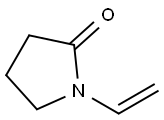
N-Vinyl-2-pyrrolidone
Other Name:2-Pyrrolidinone,1-ethenyl-;2-Pyrrolidinone,1-vinyl-;1-Ethenyl-2-pyrrolidinone;N-Vinyl-2-pyrrolidinone;1-Vinyl-2-pyrrolidinone;Vinylpyrrolidone;N-Vinyl-2-pyrrolidone;N-Vinylpyrrolidone;1-Vinyl-2-pyrrolidone;Vinylpyrrolidinone;1-Vinylpyrrolidinone;Vinylbutyrolactam;V-Pyrol;Aronix M 150;N-Vinylpyrrolin-2-one;V-Pyrol RC;N-VP;NSC 10222;NSC 683040;NVP 300;N-V 2RC;V-Pyro 4RC;Vinyl-2-pyrrolidone;MAK 706;94800-10-9;153631-60-8;1229193-78-5
CAS No.:88-12-0
Molecular Formula:C6H9NO
InChIKeys:InChIKey=WHNWPMSKXPGLAX-UHFFFAOYSA-N
Molecular Weight:111.14
Exact Mass:111.14
BRN:110513
EC Number:201-800-4
HScode:29337900
Categories:
Characteristics-
PSA:
20.3
XLogP3:0.4
Appearance:Clear colorless to yellow Liquid
Density:1.04 g/cm3 @ Temp: 24 °C
Melting Point:13.5 °C
Boiling Point:193 °C @ Press: 400 Torr
Flash Point:201 °F
Refractive Index:1.5119-1.5139
Water Solubility:Micible with water.
Storage Conditions:0-6°C
Vapor Pressure:0.1 mm Hg ( 24 °C)
Vapor Density:3.8 (vs air)
Toxicity:LD50 orally in Rabbit: 1022 mg/kg
Explosive limit:1.4-10%(V)
Odor:ODORLESS
PH:Between 3,0 and 7,0 (5 % solution)
Hazard IdentificationClassification of the substance or mixture
Acute toxicity - Category 4, Oral
Acute toxicity - Category 4, Dermal
Serious eye damage, Category 1
Acute toxicity - Category 4, Inhalation
Specific target organ toxicity â single exposure, Category 3
Carcinogenicity, Category 2
Specific target organ toxicity â repeated exposure, Category 2
GHS label elements, including precautionary statements
Pictogram(s) 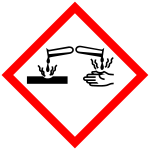
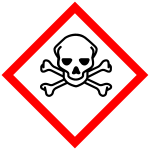
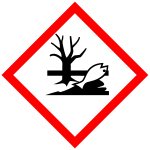
Signal word Danger
Hazard statement(s) H302 Harmful if swallowed
H312 Harmful in contact with skin
H318 Causes serious eye damage
H332 Harmful if inhaled
H335 May cause respiratory irritation
H351 Suspected of causing cancer
H373 May cause damage to organs through prolonged or repeated exposure
Precautionary statement(s) Prevention P264 Wash ... thoroughly after handling.
P270 Do not eat, drink or smoke when using this product.
P280 Wear protective gloves/protective clothing/eye protection/face protection/hearing protection/...
P261 Avoid breathing dust/fume/gas/mist/vapours/spray.
P271 Use only outdoors or in a well-ventilated area.
P203 Obtain, read and follow all safety instructions before use.
P260 Do not breathe dust/fume/gas/mist/vapours/spray.
Response P301+P317 IF SWALLOWED: Get medical help.
P330 Rinse mouth.
P302+P352 IF ON SKIN: Wash with plenty of water/...
P317 Get medical help.
P321 Specific treatment (see ... on this label).
P362+P364 Take off contaminated clothing and wash it before reuse.
P305+P354+P338 IF IN EYES: Immediately rinse with water for several minutes. Remove contact lenses, if present and easy to do. Continue rinsing.
P304+P340 IF INHALED: Remove person to fresh air and keep comfortable for breathing.
P319 Get medical help if you feel unwell.
P318 IF exposed or concerned, get medical advice.
Storage P403+P233 Store in a well-ventilated place. Keep container tightly closed.
P405 Store locked up.
Disposal P501 Dispose of contents/container to an appropriate treatment and disposal facility in accordance with applicable laws and regulations, and product characteristics at time of disposal.
Other hazards which do not result in classification
no data available
Handling and StoragePrecautions for safe handling
NO open flames. Handling in a well ventilated place. Wear suitable protective clothing. Avoid contact with skin and eyes. Avoid formation of dust and aerosols. Use non-sparking tools. Prevent fire caused by electrostatic discharge steam.
Conditions for safe storage, including any incompatibilities
Separated from strong acids. Keep in the dark. Cool. Store only if stabilized.
-
-
Seller Information
-
Business Type:
Trader
-
Main Products:
pharmaceutical intermediates,peptides,electronic chemicals
-
Location:
Room 102, 1st Floor, East Office Building, No. 45 Pengwan Road, Qianwan Bonded Port Area, Qingdao Zone, China (Shandong) Pilot Free Trade Zone
-
Payment Terms:
100% TT in advance
-
Average lead Time:
10 days
-
Total Annual Revenue:
$10 million-$25 million
-
Total Employees:
51-100
-
Year of Establishment:
2024
-
-
Inquiry History7 Inquiries
Country Product Purchase Quantity Date Posted  Russia
N-Vinylpyrrolidone
1 MT Mar 13, 2026  India
India
N-Vinyl-2-Pyrrolidone (NVP)
100 KG Feb 9, 2026  Turkey
N-Vinylpyrrolidone
1.00 20' Fcl Oct 20, 2023
India
N-Vinyl-2-Pyrrolidone
100 KG Feb 10, 2026  Bangladesh
1-VINYLPYRROLIDIN-2-ONE
250.00 G Nov 25, 2025  South Korea
NVP 99.9%
18 TON Jun 14, 2024  United States
N-Vinyl-2-Pyrrolidone CAS NO.88-12-0
260 KG Oct 13, 2023 Post an enquiry for this product



More from this Seller
-
-

-
AJ 2285432-92-8
Industrial Grade / 99%
$45-56/MT FOB
-
-
-

-
SLU-PP-332 peptide C18H14N2O2
Industrail Grade / 99%
-
-
-

-
Erdafitinib CAS: 1346242-81-6
Industrial Grade / 99%
$20-23/MT FOB
-
-
-

-
Methyl Lysergate 4579-64-0
Industrail Grade / 99%
-
-
-

-
1,7-Dimethylxanthine CAS:611-59-6
Foof Grade / 99%
$5-6/KG FOB
-