
Calcium Carbonate 1
126 Inquiries
471-34-1
Pharmaceutical Grade
99%
shanghai
dideu
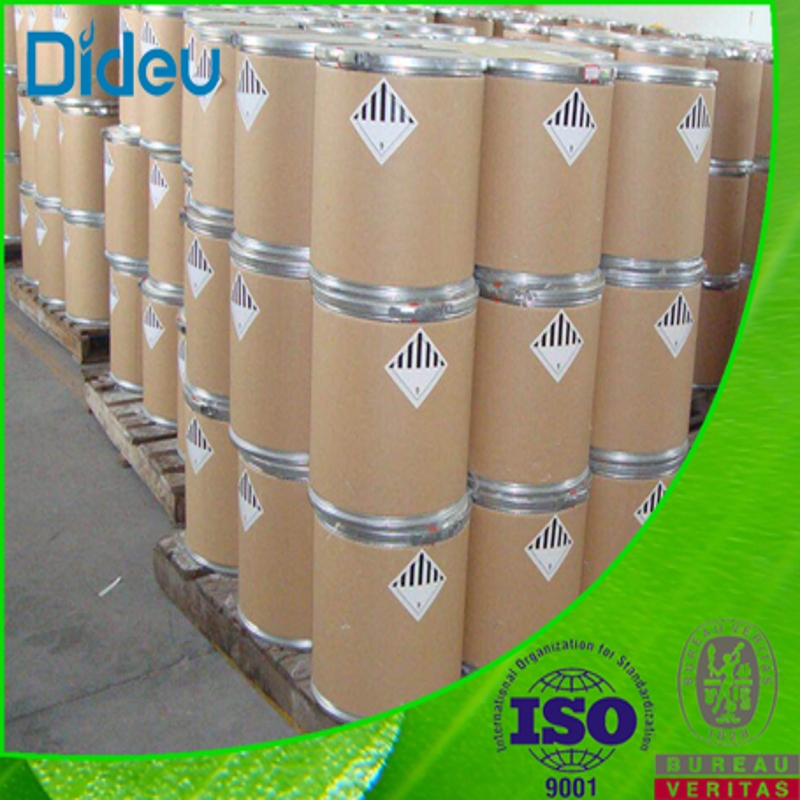
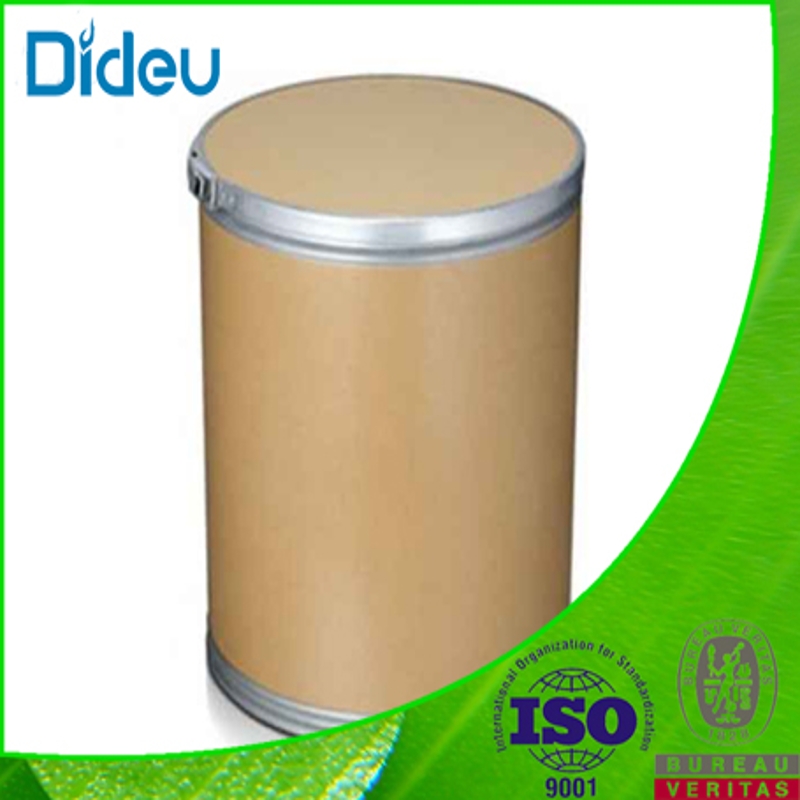
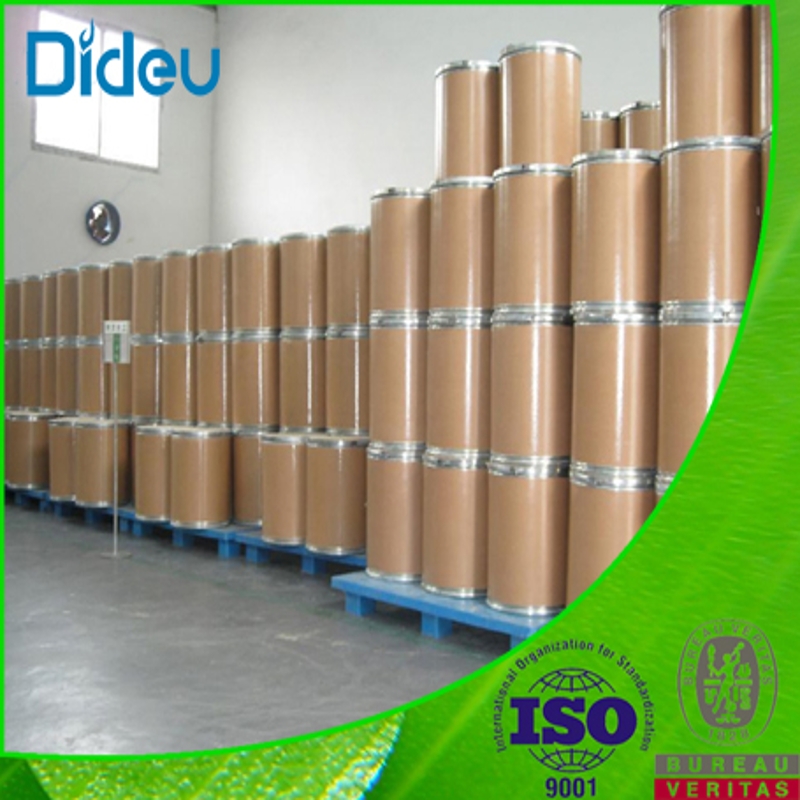
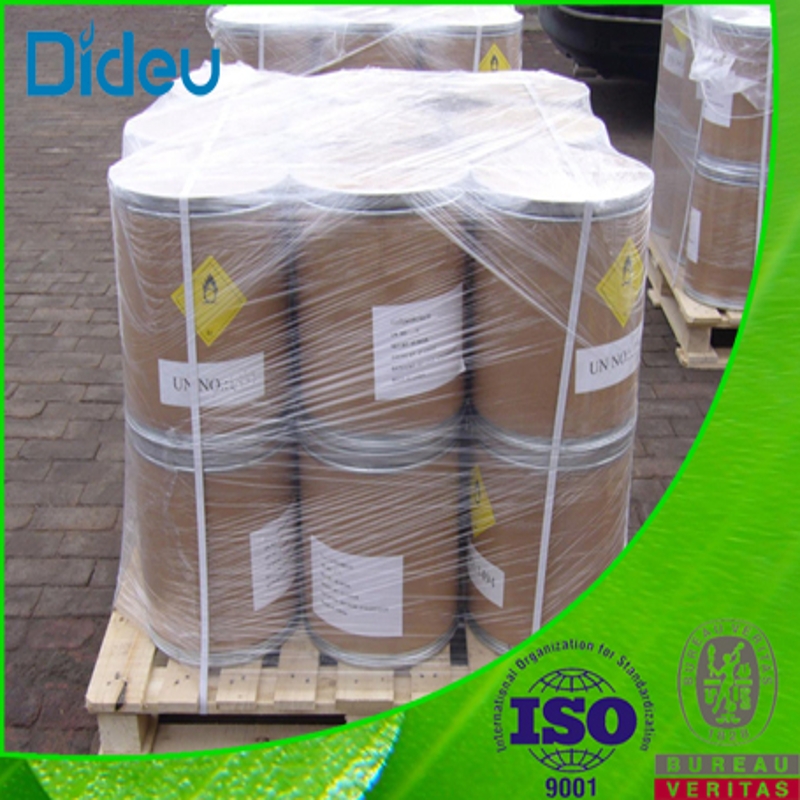
25KG/drum
2026-07-01
Chemical Pesticides,Food Additives,Agrochemicals,Active Pharm Ingredients,Flavors and Fragrances,Chemical Catalyst
-
Product Description
-
Seller Information
-
Inquiry History
-
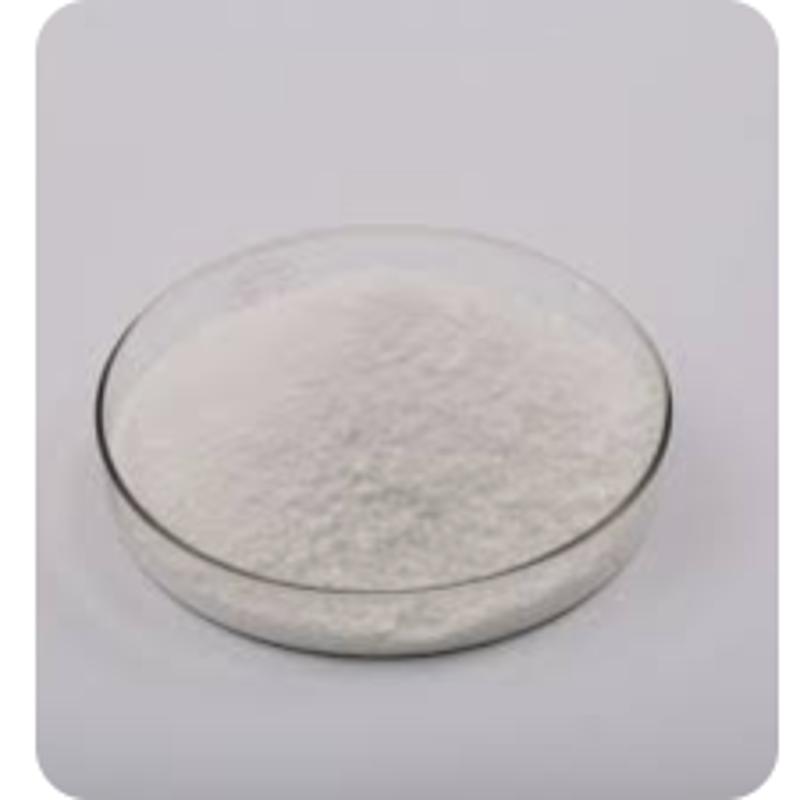
DescriptionECHEMI Editorial ReferenceCalcium carbonate occurs in two forms—hexagonal crystal known as calcite, and orthorhombic form, aragonite. Calcite decomposes on heating at 825°C, aragonite melts at 1,339°C (at 102.5 atm). Density 2.71 g/cm3 (calcite), 2.83 g/cm3 (aragonite); insoluble in water (15mg/L at 25°C); Ksp 4.8x10⁻⁹ ; soluble in dilute mineral acids. Calcium carbonate occurs as an odorless and tasteless white powderor crystals.
Calcium carbonate appears as white, odorless powder or colorless crystals. Practically insoluble in water. Occurs extensive in rocks world-wide. Ground calcium carbonate (CAS: 1317-65-3) results directly from the mining of limestone. The extraction process keeps the carbonate very close to its original state of purity and delivers a finely ground product either in dry or slurry form. Precipitated calcium carbonate (CAS: 471-34-1) is produced industrially by the decomposition of limestone to calcium oxide followed by subsequent recarbonization or as a by-product of the Solvay process (which is used to make sodium carbonate). Precipitated calcium carbonate is purer than ground calcium carbonate and has different (and tailorable) handling properties.|DryPowder; DryPowder, Liquid; DryPowder, OtherSolid; DryPowder, PelletsLargeCrystals; DryPowder, PelletsLargeCrystals, Liquid; DryPowder, WetSolid; Liquid; OtherSolid; OtherSolid, Liquid; PelletsLargeCrystals; WetSolid; WetSolid, Liquid; WetSolid, OtherSolid|White crystalline or amorphous, odourless and tasteless powder|WHITE POWDER OR PELLETS.|White, odorless powder or colorless crystals. Calcium carbonate is soluble in concentrated mineral acids.|White, odorless powder or colorless crystals.|Limestone (calcium carbonate) that has been recrystallized by metamorphism and is capable of taking a polish. Practically insoluble in water.|Odorless, white to tan powder.|Odorless, white powder.
Calcium carbonate appears as white, odorless powder or colorless crystals. Practically insoluble in water. Occurs extensive in rocks world-wide. Ground calcium carbonate (CAS: 1317-65-3) results directly from the mining of limestone. The extraction process keeps the carbonate very close to its original state of purity and delivers a finely ground product either in dry or slurry form. Precipitated calcium carbonate (CAS: 471-34-1) is produced industrially by the decomposition of limestone to calcium oxide followed by subsequent recarbonization or as a by-product of the Solvay process (which is used to make sodium carbonate). Precipitated calcium carbonate is purer than ground calcium carbonate and has different (and tailorable) handling properties.|Calcium carbonate is a calcium salt with formula CCaO3. It has a role as an antacid, a food colouring, a food firming agent and a fertilizer. It is a calcium salt, a carbonate salt and a one-carbon compound.|Calcium carbonate is an inorganic salt used as an antacid. It is a basic compound that acts by neutralizing hydrochloric acid in gastric secretions. Subsequent increases in pH may inhibit the action of pepsin. An increase in bicarbonate ions and prostaglandins may also confer cytoprotective effects. Calcium carbonate may also be used as a nutritional supplement or to treat hypocalcemia.|Calcium Carbonate is the carbonic salt of calcium (CaCO3). Calcium carbonate is used therapeutically as a phosphate buffer in hemodialysis, as an antacid in gastric hyperacidity for temporary relief of indigestion and heartburn, and as a calcium supplement for preventing and treating osteoporosis. (NCI04)|Carbonic acid calcium salt (CaCO3). An odorless, tasteless powder or crystal that occurs in nature. It is used therapeutically as a phosphate buffer in hemodialysis patients and as a calcium supplement.Basic Info-
Product Name:
Calcium carbonate
Other Name:Carbonic acid calcium salt (1:1);Calcium carbonate (CaCO3);Calcium carbonate (1:1);Allied Whiting;Calcene CO;Calcene NC;Calcene TM;Calofil B 1;Calofil E 2;Calofort T;Calopake F;Calopake H;Calopake FS;Calopake High Opacity;Calofort U;Caltec;Camel-TEX;CCC No. AA Oolitic;CCC G-White;Crystic Prefil S;DOMAR;Filtex White Base;Gilder's Whiting;Levigated Chalk;Marfil;Microcarb;Micromic CR 16;Non-Fer-Al;Prepared Chalk;Purecal;Purecal O;Purecal T;Purecal U;Purecal SC;Queensgate Whiting;Royal White Light;Smithko Kalkarb Whiting;Snow top;Sturcal D;Sturcal F;Sturcal H;Sturcal L;Sturcal M;Sturcal X;Sturcal LS;Super Multifex;Surfex MM;Surfil S;Suspenso;Velvetone;Vienna White;Whitcarb W;Witcarb;Witcarb P;Witcarb R;Witcarb RC;Witcarb Regular;York White;Winnofil S;Carbonic acid calcium salt;Chemcarb;Monocalcium carbonate;Vicron 25-11;Socal D;Calcium monocarbonate;Calofort U 50;Socal U 1;Socal P 2;Calopake PC;Socal U 1S2;Atomite;Aeromatt;NZ;NS (carbonate);Calcicoll;NS;Hakuenka CCR;Polcarb;CCR;Akadama;Camel-Wite;Vicron 15-15;Vicron 41-8;Vicron 31-6;AX 363;RX 2557;RX 2558;RX 2559;MSK-G;Carbium;Carbium MM;Marblewhite 325;Socal E 2;Socal N 2;Socal N 2S1;Homocal D;Whica BA;Multiflex MM;Socal;Albacar 5970;Vicron;Kotamite;Supermite;Supercoat;Super-Pflex;Super SSS;Clefnon;Super 5S;Sylacauga 88B;Albaglos;NS 400;Tonaso;Duramite;Snowflake;Microwhite 25;MC-T;NCC 45;Silver W;SS 30 (carbonate);Brilliant 15;39454-55-2;60083-79-6;63660-97-9;71060-88-3;72608-12-9;114453-69-9;137803-94-2;146358-95-4;148092-93-7;166516-01-4;172307-27-6;180616-31-3;197809-38-4;198352-33-9;251358-28-8;459411-10-0;878759-26-3;1118543-25-1;1312764-88-7;1352815-51-0;1437084-75-7;1641572-50-0;1883798-64-8;1994316-62-9;2222732-78-5;2390374-02-2;2470702-35-1
CAS No.:471-34-1
Molecular Formula:CH2O3.Ca
InChIKeys:InChIKey=FYHXNYLLNIKZMR-UHFFFAOYSA-N
Molecular Weight:100.08700
Exact Mass:99.94730
EC Number:615-782-4
UNII:H0G9379FGK
ICSC Number:1193
DSSTox ID:DTXSID3036238|DTXSID9050486|DTXSID80163829
NCI Thesaurus Code:C332
Color/Form:White hexagonal crystals or powder (Calcite); white orthrombic crystals or powder (Argonite); colorless hexagonal crystals (vaterite)
ATC Code:A - Alimentary tract and metabolism
HScode:2836500000
Categories:
Characteristics-
PSA:
63.19000
XLogP3:-2.44700
Appearance:White-beige to slightly beige-gray random crystals
Density:2.8 g/cm3
Melting Point:825 °C (decomp)
Boiling Point:800 °C
Flash Point:197ºC
Refractive Index:1.6583
Water Solubility:H2O: Insoluble
Storage Conditions:Low temperature, ventilation, drying
Vapor Pressure:0 mmHg (approx)
Toxicity:LD50 orally in Rabbit: 6450 mg/kg LD50 dermal Rat > 2000 mg/kg
Flammability characteristics:Noncombustible Solid
Odor:Odorless
Taste:Chalky taste
PH:pH = 8 to 9
Experimental Properties:Very flowable ... surface treated with fatty acids, hydrophobic|Enthalpy of Fusion: 36 kJ/mol at 800 °C (calcite)|Incompatibilities: acids, alum, ammonium salts.|White microcrystalline powder; mw: 100.09; mp: 825 °C (alpha), 1339 °C (beta) at 102.5 atm; density: 2.7-2.95. Odorless, tasteless powder or crystals. /Limestone/|Aragonite is metastable and irreversibly changes to calcite when heated in dry air to about 400 °C. Vaterite is metastable to calcite and aragonite under geological conditions but is found during high temperature precipitation of calcium carbonate.|MP: 1339 °C (102.5 atm); density: 2.7111 at 25.2 °C; formed at temperatures below 30 °C /Calcite/|White hexagonal crystals or powder. Decomposes at 700 to 900 °C. Density: 2.710 g/cu cm. Solubility: 6.6X10⁻⁴ g/100 g water at 20 °C; Soluble in dilute acid /Calcite/|Mohs hardness: 3.0 (Calcite); 3.5-4.0 (Argonite)|White orthorhombic crystals or powder; MP: trans calcite, 450 °C; density: 2.930 g/cu cm; solubility: 6.6X10⁻⁴ g/100 g water at 20 °C; soluble in dilute acid /Argonite/|MP: 825 °C (decomposes); Density: 2.83; Formed at temp above 30 °C /Aragonite/|Colorless hexagonal crystals; density: 2.653 g/cu cm; solubility: 1.1X10⁻³ g/100 g water at 20 °C; soluble in dilute acid /Vaterite/
Air and Water Reactions:No rapid reaction with air No rapid reaction with water
Reactive Group:Carbonate Salts
Reactivity Profile:CALCIUM CARBONATE is non-combustible. Decomposes at high temperature (825°C) to give gaseous carbon dioxide and calcium oxide (quicklime). Incompatible with acids, alum, ammonium salts, fluorine, magnesium. Reacts with acids and acidic salts to generate gaseous carbon dioxide with effervescence (bubbling). The reaction with concentrated solutions of acids is rapid and exothermic. The effervesence can create extensive foaming. Ignites on contact with fluorine.
Flammable Limits:Noncombustible Solid
Corrosivity:Non-corrosive
-
-
Seller Information
-
Business Type:
Manufactory
-
Main Products:
Chemical Pesticides,Food Additives,Agrochemicals,Active Pharm Ingredients,Flavors and Fragrances,Chemical Catalyst
-
Location:
https://www.dideu.com/en/
-
Payment Terms:
TT against copy of documents,D/P,L/C,D/A,O/A,TT against B/L draft before shipment,100% TT in advance
-
Average lead Time:
7
-
Total Annual Revenue:
Above $100 million
-
Total Employees:
Above 1000
-
Year of Establishment:
2016
-
Certifications:
ISO Certificate,REACH
">Company Profile -
-
Inquiry History126 Inquiries
Country Product Purchase Quantity Date Posted  Tunisia
calcium carbonate, CaCO3 99% white powder 471-34-1 Senwayer
50 MT Sep 14, 2023  Yemen
Yemen
Calcium Carbonate
20 20' Fcl Dec 30, 2024  Bangladesh
Calcite Powder
150 MT Jul 24, 2026  Myanmar
Calcium carbonate
100 MT Jul 20, 2026  Qatar
Qatar
Calcium carbonate
3.00 MT Jun 30, 2026  Philippines
Calcium Carbonate
1000 KG Jun 1, 2026  China
China
Calcium carbonate
2000 MT May 22, 2026  India
India
calcium carbonate
20 MT May 21, 2026  United Arab Emirates
Calcium carbonate
55.00 MT Apr 30, 2026
Bangladesh
calcium carbonate
1 KG Apr 7, 2026
India
Calcium carbonate
40 MT Mar 29, 2026  Pakistan
calcium carbonate
2 MT Mar 19, 2026  Egypt
Egypt
Calcium Carbonate
1.00 KG Mar 11, 2026
United Arab Emirates
Calcium carbonate
55.00 MT Feb 24, 2026  Singapore
Nanometric Scale Calcium Carbonate
100 G Jan 15, 2026
United Arab Emirates
Calcium carbonate
400.00 MT Jan 14, 2026
Bangladesh
Calcium Carbonate
10 MT Jan 9, 2026  Indonesia
calcium carbonate
1 KG Dec 24, 2025
India
Calcium Carbonate (Stearic acid or silane treated)
1000 KG Dec 24, 2025
India
Nano Calcium Carbonate
150 Dec 12, 2025 Post an enquiry for this product
Hot Related Products
-
 FULLY REFINED PARAFFIN WAX 0.5% SLAB 58# KUNLUN
 -
 Fully Refined Paraffin Wax Kunlun 58#
 -
 Best Price for Various Applications Titanium Dioxide Rutile Grade CAS 1317-80-2
 -
 Long-Term Supply Fully Refined Industrial Paraffin wax 58/60 for Making Candle with low price
 -
 SODIUM SULPHATE ANHYDROUS 99.15% WHITE POWDER
$200-250/MT FOB
-
 99% Min - High Purity") Sodium Sulfate (Alkali) 99% Min - High Purity
Sodium Sulfate (Alkali) 99% Min - High Purity