Product
Supplier
Encyclopedia
Inquiry
Home > Specialty Chemicals > Oxalic acid for Sale > Oxalic acid 144-62-7 ID
Oxalic acid 144-62-7 ID buy - large image1
Oxalic acid 144-62-7 ID buy - image1
Oxalic acid 144-62-7 ID buy - image2
Oxalic acid 144-62-7 ID buy - image3
Oxalic acid 144-62-7 ID buy - image4
Oxalic acid 144-62-7 ID buy - image5
Oxalic acid 144-62-7 ID buy - image6

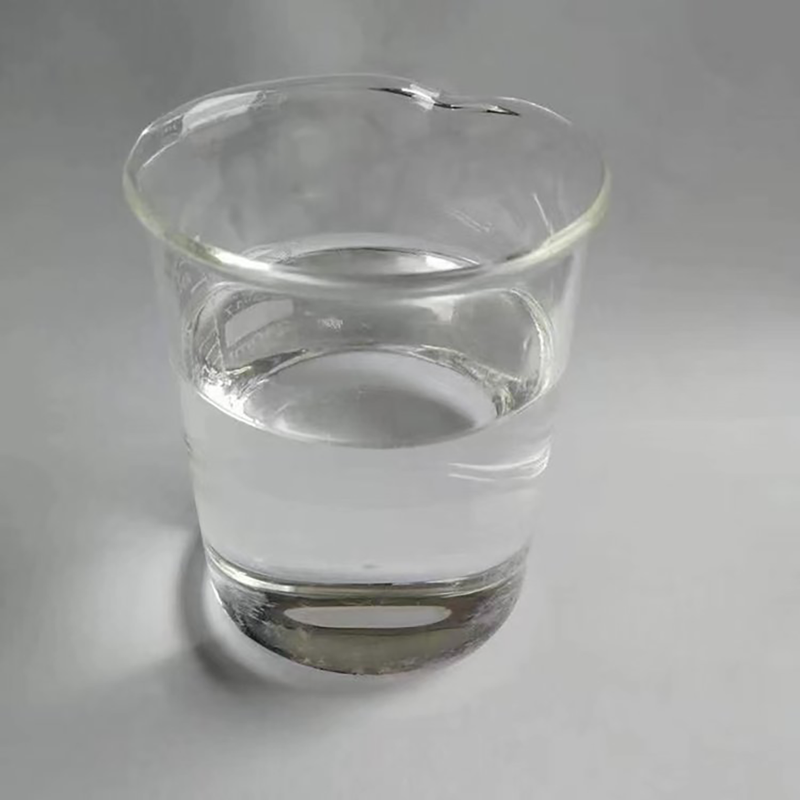
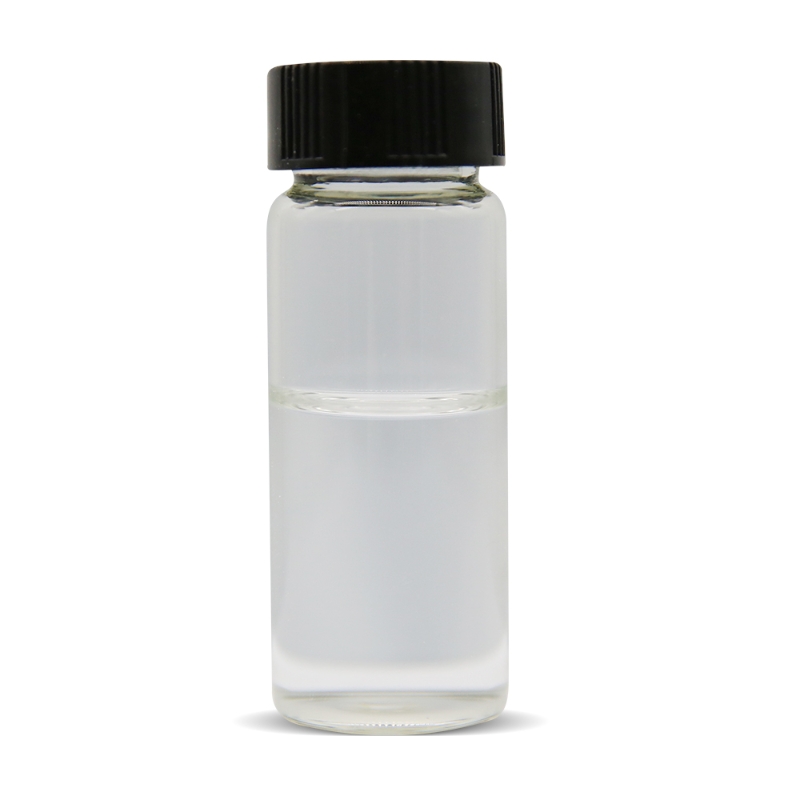
Oxalic acid 144-62-7 ID

48 Inquiries

Unit Price: Get Latest Price
CAS No.:

144-62-7

Grade:

Industrial Grade

Content:

99.6%

Port:

qingdao

Brand:

ori

Packaging:

25kgs/bag

Price valid (until):

2026-07-03

Company Type:
Trader
Location:
China
Qualification:
Main Products:

pharmaceutical intermediates,peptides,electronic chemicals

  • Product Description

  • Seller Information

  • Inquiry History

  • Description


      Product Detail  


    Oxalic acid Chemical Properties
    Melting point  189.5 °C (dec.)(lit.)
    Boiling point  365.1°C (estimate)
    bulk density 750kg/m3
    density  0.99 g/mL at 25 °C
    vapor density  4.4 (vs air)
    vapor pressure  <0.01 mm Hg ( 20 °C)
    refractive index  1.4261 (estimate)
    Fp  101-157°C
    storage temp.  Store below +30°C.
    solubility  water: soluble108g/L at 25°C
    form  Liquid
    pka 1.23(at 25℃)
    color  White
    PH 3(1 mM solution);2.09(10 mM solution);1.31(100 mM solution);
    Odor odorless
    PH Range 6 - 8 at 25 °C
    Water Solubility  90 g/L (20 ºC)
    Sublimation  101-157 ºC
    Merck  14,6911
    BRN  385686
    Henry's Law Constant 1.43 at pH 4 (quoted, Gaffney et al., 1987)
    Exposure limits NIOSH REL: TWA 1, STEL 2, IDLH 500; OSHA PEL: TWA 1; ACGIH TLV: TWA 1, STEL 2 (adopted).
    Stability: Stable, but moisture sensitive. Incompatible with metals.
    Cosmetics Ingredients Functions CHELATING
    InChI 1S/C2H2O4/c3-1(4)2(5)6/h(H,3,4)(H,5,6)
    InChIKey MUBZPKHOEPUJKR-UHFFFAOYSA-N
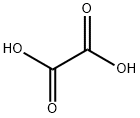
    SMILES OC(=O)C(O)=O
    LogP -1.7 at 23℃
    CAS DataBase Reference 144-62-7(CAS DataBase Reference)
    NIST Chemistry Reference Oxalic acid(144-62-7)
    EPA Substance Registry System Oxalic acid (144-62-7)

    Safety Information
    Hazard Codes  Xn
    Risk Statements  21/22-63-34-41
    Safety Statements  24/25-23-36/37/39-27-26-39-37-36-36/37
    RIDADR  UN 3261 8/PG 3
    OEB C
    OEL TWA: 1 mg/m3, STEL: 2 mg/m3
    WGK Germany  1
    RTECS  RO2450000
    TSCA  TSCA listed
    HazardClass  8
    PackingGroup  III
    HS Code  29171110
    Storage Class 11 - Combustible Solids
    Hazard Classifications Acute Tox. 4 Dermal
    Acute Tox. 4 Oral
    Eye Dam. 1
    Hazardous Substances Data 144-62-7(Hazardous Substances Data)
    Toxicity LD50 orally in Rabbit: 375 mg/kg
    IDLA 500 mg/m3
    MSDS Information
    Provider Language
    SigmaAldrich English
    ACROS English
    ALFA English

    Oxalic acid Usage And Synthesis
    description Oxalic acid is a strong dicarboxylic acid occurring in many plants and vegetables, usually as its calcium or potassium salts. Oxalic acid is the only possible compound in which two carboxyl groups are joined directly; for this reason oxalic acid is one of the strongest organic acids. Unlike other carboxylic acids (except formic acid), it is readily oxidized; this makes it useful as a reducing agent for photography, bleaching, and ink removal. Oxalic acid is usually prepared by heating sodium formate with sodium hydroxide to form sodium oxalate, which is converted to calcium oxalate and treated with sulfuric acid to obtain free oxalic acid.
    concentrations of oxalic acid are pretty low in most plants and plant-based foods, but there’s enough in spinach, chard and beet greens to interfere with the absorption of the calcium these plants also contain.
    It is produced in the body by metabolism of glyoxylic acid or ascorbic acid. It is not metabolized but excreted in the urine. It is used as an analytical reagent and general reducing agent.Oxalic acid is a natural acaricide used for treatment against varroa mites in colonies with no/low brood, packages, or swarms. Vaporized oxalic acid is used by some beekeepers as an insecticide against the parasitic Varroa mite.
    Chemical properties Oxalic acid is widely distributed in the plant in nature, most existing in the form of oxalic acid salt. C.W. Scheele had for the first time manufactured oxalate in 1776.
    Oxalate is the strongest acid among the dicarboxylic acid. Besides having the general properties of the carboxylic acid, it also has reducing property and can quantitatively reduce the seven valence manganese to bivalent manganese. This property is often used for quantitative analysis of potassium permanganate.
    5 C2H2O4 + 2 KMnO4 + 3 H2SO4 →K2SO4 + 2 MNSO4 + 8H2O + 10 CO2;
    Oxalic acid can also reduce the trivalent iron into bivalent iron. Because of the high solubility of the bivalent iron in the water, we can apply this principle to remove rust on the clothes.
    Oxalic acid can react with phosphorus pentachloride to generate phosphorus oxychloride. C2H2O4 + PCl5 → POCl3 + CO + CO2 + 2 HCL.
    Oxalic acid can react with many metals to produce oxalic acid salt. In addition to the alkali metal salt and bivalent iron salts with the rest of the oxalic acid salt being poorly soluble in water. Some metal salt, although is poorly soluble in water, can generate complex that is soluble in water.
    Fe2 (C2O4) 3 + 3 K2C2O4 + 6 H2O →2 K3 [Fe (C2O4) 3] • 6 H2O.
    Upon heating, alkali metal and alkaline earth metal oxalic acid salt can lose carbon monoxide and form carbonates with carbonate continuing to be subject to heating to be further decomposed into oxide and carbon dioxide. The oxalic acid salt of nickel, cobalt and silver can finally produce metal instead of nonmetal oxide.
    The decomposing products of the oxalate are carbon dioxide, carbon monoxide and water.
    Oxalate and oxalic acid salt are toxic. Mice, through oral administration, has LD50 of 2000~4000 mg/kg.
    The above information is edited by the chemicalbook of Dai Xiongfeng.
    Uses 1. Oxalic acid can be mainly used as reducing agent and bleaching agent, mordant for dyeing and printing industry, also used in refining rare metal, the synthesis of various oxalate ester amide, oxalate and grass, etc.
    2. Used as analytical reagent.
    3. Used as laboratory reagents, chromatography analysis reagent, dye intermediates and standard material.
    4. Oxalic acid is mainly used for producing drugs such as antibiotics and borneol and solvent for extracting the rare metal, reducing agent and dye, tanning agent, etc. In addition, oxalic acid can also be used for the synthesis of various kinds of oxalate ester, oxalate, and oxamide with diethyl oxalate, sodium oxalate and calcium oxalate having the largest yield. Oxalate can also be used for the production of cobalt-molybdenum-alumina catalyst, cleaning of metal and marble as well as the bleaching of textiles.
    First aid This kind of chemical, in case of contact with eyes and skin, should be quickly rinsed with plenty of water; Upon inhaling of large amount, we should immediately move the victim away from the scene to fresh air place; if necessary, apply artificial respiration; if be swallowed, immediately give medical injection with plenty of water for rapid gastric lavage and apply symptomatic treatment.
    Protective measures Upon productive operation, we must wear protective work cloth in order to prevent the skin repeatedly or long-term contact. Wear protective glasses to prevent eye contact. For the nitrogen oxide gas produced during the production process, measures should be taken to absorb before discharge. Work clothes if contaminated, should be replaced every day. Permeable work clothes, if getting wet, should be taken off quickly.
    Medical Surveillance During employment and regular physical examination, we should check the skin, respiratory tract, and kidney function. If there is growing oxalic acid salt crystal in the urine, it is helpful to ascertain the oral poisoning. We should pay attention to follow-up. The determination of blood calcium and blood oxalic acid salt content is also suitable for this purpose.
    Storage We should hold it with glass bottle, cask, multi-layer paper bag or metal barrel to prevent mechanical damage. It should be placed in cool, ventilated, dry place for sealed storage. It is best to use the open warehouse and should be placed far away from any places that have potential risk of serious fire. It should be stored separately from antioxidant.
    waste disposal Pre-processing includes chemical reaction with limestone or calcium oxide to generate calcium oxalate. It can be then subject to calcination and can put into particle collection device to collect for reuse.
    Description Oxalic acid is a colorless, odorless powder orgranular solid. The anhydrous form (COOH)2 is an odorless,white solid; the solution is a colorless liquid. Molecularweight = 90.04; Specific gravity (H2O:1) = 1.90; Sublimationpoint =150-157℃; Freezing/Melting point (decomposes):101.7℃; 190℃ (anhydrous). Hazard Identification (based onNFPA-704 M Rating System): Health 3, Flammability 1,Reactivity 0. Moderately soluble in water.
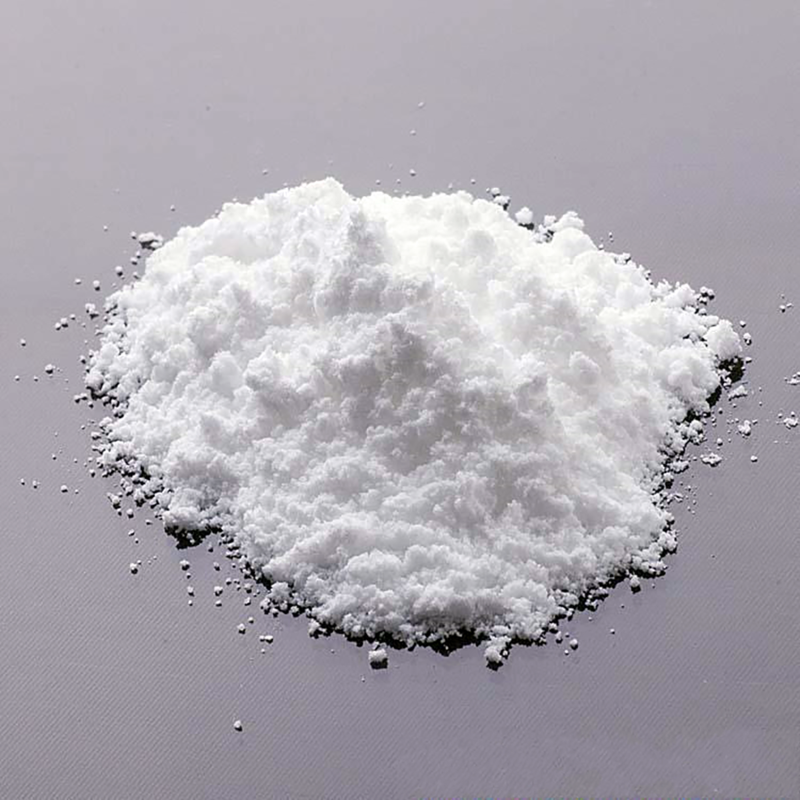
    Chemical Properties Oxalic acid is a colorless, odorless powder, or granular solid. The anhydrous form (COOH)2 is an odorless, white solid; the solution is a colorless liquid.
    Physical properties Colorless and odorless rhombic crystals. Hygroscopic. soluble in ethanol, soluble in water, slightly soluble in ether, insoluble in benzene and chloroform.
    Electrical Conductivity 
    Concentration 0.50% 1% 2% 5% 10%
    mS/cm 5.5 10.1 16.2 31.5 59.4
    Uses An impurity of oxaliplatin which is a coordination complex that is used in cancer chemotherapy. A reducing agent and its conjugate base, known as oxalate (C2O42), is a useful chelating agent for metal cations.
    Uses Oxalic acid is made by the action of nitric acid on sugars, starch, or cellulose. This highly poisonous colorless crystal is soluble in water, alcohol, and ether. It was used to make ferric oxalate, as a preservative for pyrogallic acid developers, as a sensitizer for platinum papers, and to reduce the density of cyanotype prints.
    Uses Oxalic acid was used: · in the synthesis of hemicellulose hydrolysates of yellow poplars; · in the synthesis of three-dimensionally ordered macroporous metal oxides or carbonates via templating with polystyrene spheres; · as supporting electrolyte in the electrochemical synthesis of polyaniline-polypyrrole composite coatings.
    Definition ChEBI: Oxalic acid is an alpha,omega-dicarboxylic acid that is ethane substituted by carboxyl groups at positions 1 and 2. It has a role as a human metabolite, a plant metabolite and an algal metabolite. It is a conjugate acid of an oxalate(1-) and an oxalate.
    Production Methods Many industrial processes have been employed for the manufacture of oxalic acid since it was first synthesized. The following processes are in use worldwide: oxidation of carbohydrates, the ethylene glycol process, the propylene process, the dialkyl oxalate process, and the sodium formate process. Sodium formate process is no longer economical in the leading industrial countries, except for China.
    Nitric acid oxidation is used where carbohydrates, ethylene glycol, and propylene are the starting materials. The dialkyl oxalate process is the newest, where dialkyl oxalate is synthesized from carbon monoxide and alcohol, then hydrolyzed to oxalic acid. This process has been developed by UBE Industries in Japan.Many attempts have been made to synthesize oxalic acid by electrochemical reduction of carbon dioxide in either aqueous or nonaqueous electrolytes.
    Reactions The reactions of oxalic acid, including the formation of normal and acid salts and esters, are typical of the dicarboxylic acids class. Oxalic acid, however, does not form an anhydride.
    On rapid heating, oxalic acid decomposes to formic acid, carbon monoxide, carbon dioxide, and water. In aqueous solution, it is decomposed by uv, x-ray, or γ -radiation with the liberation of carbon dioxide. Photodecomposition also occurs in the presence of uranyl salts.
    Oxalic acid is a mild reducing agent, and is oxidized by potassium permanganate in acid solution to give carbon dioxide and water. Oxalic acid is catalytically reduced by hydrogen in the presence of ruthenium catalyst to ethylene glycol, and electronically reduced to glyoxylic acid.
    Oxalic acid reacts with various metals to form metal salts, which are quite important as the derivatives of oxalic acid. It also reacts easily with alcohols to give esters.
    General Description Odorless white solid. Sinks and mixes with water.
    Air & Water Reactions Water soluble. Hygroscopic
    Reactivity Profile Oxalic acid is hygroscopic and sensitive to heat. Oxalic acid may react violently with furfuryl alcohol, silver, sodium, perchlorate, sodium hypochlorite, strong oxidizers, sodium chlorite, acid chlorides, metals and alkali metals. . The heating of mixtures of Oxalic acid and urea has lead to explosions. This is due to the rapid generation of the gases, CO2, CO, and NH3, [Praxis Naturwiss. Chem., 1987, 36(8), 41-42]. Oxalic acid and urea react at high temperatures to form toxic and flammable ammonia and carbon monoxide gasses, and inert CO2 gas [Von Bentzinger, R. et al., Praxis Naturwiss. Chem., 1987, 36(8), 41-42].
    Health Hazard As dust or as a solution, can cause severe burns of eyes, skin, or mucous membranes. Ingestion of 5 grams has caused death with symptoms of nausea, shock, collapse, and convulsions coming on rapidly. Repeated or prolonged skin exposure can cause dermatitis and slow-healing ulcers.
    Fire Hazard Special Hazards of Combustion Products: Generates poisonous gases
    Flammability and Explosibility Non flammable
    reaction suitability reaction type: Redox Reactions
    Agricultural Uses Oxalic acid, (COOH)2, also called ethanedioic acid, is a white, crystalline solid, slightly soluble in water. It is a naturally occurring highly oxidized organic compound with significant chelating activity. It is strongly acidic and poisonous, produced by many plants like sorrel (sourwood), the leaf blades of rhubarb, bark of eucalyptus and many plant roots. In plant cells and tissues, oxalic acid gets accumulated as either sodium, potassium or calcium oxalate, of which the latter occurs as crystals. In turn, salts of oxalic acids enter the bodies of animals and human beings, causing pathological disorders, depending upon the amount consumed. Many species of fungi like Aspergillus, Penicillium, Mucor, as well as some lichens and slime moulds produce calcium oxalate crystals. Upon the death of these microorganisms, plants and animals, the salts get released into the soil, causing some amount of toxicity. However, oxalate-degrading microbes, called Oxalobacter formigenes, decrease oxalate absorption in animals and humans.
    Oxalic acid is the first of a series of dicarboxylic acids. It is used (a) as a bleaching agent for stains like rust or ink, (b) in textile and leather production, and (c) as monoglyceryl oxalate in the production of ally1 alcohol and formic acid.
    Safety Profile Poison by subcutaneous route. Moderately toxic by ingestion. A skin and severe eye irritant. Acute oxalic poisoning results from ingestion of a solution of the acid. There is marked corrosion of the mouth, esophagus, and stomach, with symptoms of vomiting, burning abdominal pain, collapse, and sometimes convulsions. Death may follow quickly. The systemic effects are attributed to the removal by the oxalic acid of the calcium in the blood. The renal tubules become obstructed by the insoluble calcium oxalate, and there is profound hdney dlsturbance. The chief effects of inhalation of the dusts or vapor are severe irritation of the eyes and upper respiratory tract, gastrointestinal disturbances, albuminuria, gradual loss of weight, increasing weakness and nervous system complaints, ulceration of the mucous membranes of the nose and throat, epistaxis, headache, irritation, and nervousness. Oxalic acid has a caustic action on the skin and may cause dermatitis; a case of early gangrene of the fingers resembling that caused by phenol has been described. More severe cases may show albuminuria, chronic cough, vomiting, pain in the back, and gradual emaciation and weakness. The skin lesions are characterized by crachng and fissuring of the skin and the development of slow-healing ulcers. The skin may be bluish in color, and the nails brittle and yellow. Violent reaction with furfuryl alcohol, Ag, NaClO3, NaOCl. When heated to decomposition it emits acrid smoke and irritating fumes. See also OXALATES
    Potential Exposure Oxalic acid is used in textile finishing, paint stripping; metal and equipment cleaning; as an intermediate; as an analytic reagent and in the manufacture of dyes, inks, bleaches, and paint removers; varnishes, wood, and metal cleansers; dextrin, cream of tartar, celluloid, oxalates, tartaric acid, purified methyl alcohol, glycerol, and stable hydrogen cyanide. It is also used in the photographic, ceramic, metallurgic, rubber, leather, engraving, pharmaceutical, paper, and lithographic industries.
    First aid If this chemical gets into the eyes, remove anycontact lenses at once and irrigate immediately for at least15 min, occasionally lifting upper and lower lids. Seek medical attention immediately. If this chemical contacts theskin, remove contaminated clothing and wash immediatelywith soap and water. Seek medical attention immediately. Ifthis chemical has been inhaled, remove from exposure,begin rescue breathing (using universal precautions, including resuscitation mask) if breathing has stopped and CPR ifheart action has stopped. Transfer promptly to a medicalfacility. When this chemical has been swallowed, get medical attention. If victim is conscious, administer water ormilk. Do not induce vomiting. Medical observation isrecommended for 24-48 h after breathing overexposure, aspulmonary edema may be delayed. As first aid for pulmonary edema, a doctor or authorized paramedic may consideradministering a corticosteroid spray.
    Source Oxalic acid occurs naturally in many plants including buckwheat leaves (111,000 ppm), lambsquarter (140,000 to 300,000 ppm), black pepper (4,000 to 34,000 ppm), star fruit (50,000 to 95,800 ppm), purslane (1,679 to 16,790 ppm), nance bark (27,300 ppm), rhubarb 4,400 to 13,360 ppm), tea leaves (2,192 to 10,000 ppm), bitter lettuce (10,000 ppm), spinach (6,580 ppm), cacao (1,520 to 5,000 ppm), bananas (22 to 5,240 ppm), ginger (5,000 ppm in rhizome), cashews (3,184 ppm), almonds (4,073 ppm), taro roots (1,334 ppm), tamarind (1,960 ppm), garden sorrel (3,000 ppm), mustard green leaves (1,287 ppm), peppers (257 to 1,171 ppm), sweet potato roots (1,000 ppm), pumpkins, oats (400 ppm), tomatillo (109 to 536 ppm), various cabbage leaves (59 to 350 ppm), and horseradish (Duke, 1992).
    Oxalic acid was identified as a constituent in a variety of composted organic wastes. Detectable concentrations were reported in all 21 composts extracted with water. Concentrations ranged from 0.60 mmol/kg in a straw + dairy cattle manure to 21.89 mmol/kg in straw + wood bark + dairy cattle manure. The overall average concentration was 9.67 mmol/kg (Baziramakenga and Simard, 1998).
    Environmental fate Biological. Heukelekian and Rand (1955) reported a 5-d BOD value of 0.12 g/g which is 66.7% of the ThOD value of 0.18 g/g.
    Chemical/Physical. At temperatures greater than 189.5 °C, decomposes to carbon dioxide, carbon monoxide, formic acid, and water (Windholz et al., 1983). Ozonolysis of oxalic acid in distilled water at 25 °C under acidic conditions (pH 6.3) yielded carbon dioxide (Kuo et al., 1977). Absorbs moisture in air forming the dihydrate (Huntress and Mulliken, 1941).
    Reacts with bases forming water soluble salts.
    storage Color Code—White: Corrosive or Contact Hazard;Store separately in a corrosion-resistant location. Prior toworking with this chemical you should be trained on itsproper handling and storage. Oxalic acid must be stored toavoid contact with silver or strong oxidizers (such as chlorine and bromine) because violent reactions occur. Store intightly closed containers in a cool, well-ventilated areaaway from heat. Sources of ignition, such as smoking andopen flames, are prohibited where oxalic acid is used, handled, or stored in a manner that could create a potential fireor explosion hazard.
    Shipping UN3261 Corrosive solid, acidic, organic, n.o.s., Hazard class: 8; Labels: 8-Corrosive material, Technical Name Required.
    Incompatibilities The aqueous solution is a medium-strong acid. Compounds of the carboxyl group react with all bases, both inorganic and organic (i.e., amines) releasing substantial heat, water and a salt that may be harmful. Incompatible with arsenic compounds (releases hydrogen cyanide gas), diazo compounds, dithiocarbamates, isocyanates, mercaptans, nitrides, and sulfides (releasing heat, toxic, and possibly flammable gases), thiosulfates and dithionites (releasing hydrogen sulfate and oxides of sulfur). Incompatible with oxidizers (chlorates, nitrates, peroxides, permanganates, perchlorates, chlorine, bromine, fluorine, etc.); contact may cause fires or explosions. Keep away from silver compounds; strong alkalis; chlorites. Contact with some silver compounds forms explosive materials.
    Toxics Screening Level An acute initial threshold screening level (ITSL) for oxalic acid of 10 μg/m3 (8-hr averaging time.
    Waste Disposal Pretreatment involves chemical reaction with limestone or calcium oxide forming calcium oxalate. This may then be incinerated utilizing particulate collection equipment to collect calcium oxide for recycling.


    Pls input...Shop Oxalic acid 144-62-7 ID-Detailed Image 2 Shop Oxalic acid 144-62-7 ID-Detailed Image 3 Shop Oxalic acid 144-62-7 ID-Detailed Image 4 Shop Oxalic acid 144-62-7 ID-Detailed Image 5 Shop Oxalic acid 144-62-7 ID-Detailed Image 6 Shop Oxalic acid 144-62-7 ID-Detailed Image 7

    Basic Info
    Product Name:

    Oxalic acid

    Other Name:

    Ethanedioic acid;Oxalic acid;Aktisal;Aquisal;NSC 132055;NSC 151956;NSC 62774;NSC 76990;Ultraplast Activate S 52;DeerClean;Ethanedioic acid,conjugate acid (1:2);63504-28-9;97993-78-7;216451-38-6;2469072-60-2

    CAS No.:

    144-62-7

    Molecular Formula:

    C2H2O4

    InChIKeys:

    InChIKey=MUBZPKHOEPUJKR-UHFFFAOYSA-N

    Molecular Weight:

    90.034

    Exact Mass:

    90.03

    EC Number:

    208-932-1

    UNII:

    9E7R5L6H31

    ICSC Number:

    0529

    NSC Number:

    62774

    UN Number:

    3261|1759

    DSSTox ID:

    DTXSID0025816

    Color/Form:

    ANHYDROUS OXALIC ACID, CRYSTALLIZED FROM GLACIAL ACETIC ACID IS ORTHORHOMBIC, CRYSTALS BEING PYRAMIDAL OR ELONGATED OCTAHEDRA|Colorless powder or granular solid [Note: The anhydrous form (COOH)2 is a white powder].

    HScode:

    2917111000

    Categories:

    Characteristics
    PSA:

    74.6

    XLogP3:

    -0.3

    Appearance:

    Oxalic acid is an odorless white solid. Sinks and mixes with water. (USCG, 1999)

    Density:

    1.9 g/cm3

    Melting Point:

    189.5 °C (decomp)

    Boiling Point:

    200 °C @ Press: 0.1 Torr

    Flash Point:

    188.8±19.7 °C

    Refractive Index:

    1.480

    Water Solubility:

    14%

    Storage Conditions:

    STORE IN COOL, DRY, WELL-VENTILATED LOCATION. /OXALIC ACID DIHYDRATE/

    Vapor Pressure:

    <0.001 mmHg

    Vapor Density:

    4.3

    Flammability characteristics:

    Combustible Solid

    Odor:

    Odorless.

    Henrys Law Constant:

    1.43e-10 atm-m3/mole|Henry's Law constant: 1.4X10⁻¹⁰ atm-cu m/mole at 25 °C (experimental)

    Dissociation Constants:

    pKa 1: 1.46; pKa 2: 4.40

    Experimental Properties:

    MP: 101-102 °C GIVING OFF WATER OF CRYSTALLIZATION & STARTING TO SUBLIME; K1= 5.36X10⁻²; K2= 5.3X10⁻⁵; DENSITY: 1.653 @ 18.5 °C/4 °C; DENSITY OF 1% (WT/WT) AQ SOLN: 1.0035 @ 17.5 °C/4 °C; DENSITY OF 3% (WT/WT) AQ SOLN: 1.0105 @ 17.5 °C/4 °C; DENSITY OF 5% (WT/WT) AQ SOLN: 1.0175 @ 17.5 °C/4 °C; DENSITY OF 10% (WT/WT) AQ SOLN: 1.0350 @ 17.5 °C/4 °C; DENSITY OF 13% (WT/WT) AQ SOLN: 1.0455 @ 17.5 °C/4 °C /OXALIC ACID DIHYDRATE/|DISSOCIATION CONSTANT: 6.5X10⁻² /OXALIC ACID DIHYDRATE/|SUBLIMES BEST @ 157 °C; @ HIGHER TEMP DECOMP INTO CO2, CARBON MONOXIDE, FORMIC ACID, & WATER; HYGROSCOPIC|MONOCLINIC TABLETS, PRISMS, OR GRANULES; 1 G DISSOLVES IN 7 ML WATER; 1 G DISSOLVES IN 2 ML BOILING WATER; 1 G DISSOLVES IN 2.5 ML ALCOHOL; 1 G DISSOLVES IN 1.8 ML BOILING ALCOHOL; 1 G DISSOLVES IN 100 ML ETHER; 1 G DISSOLVES IN 5.5 ML GLYCEROL /OXALIC ACID DIHYDRATE/|Transparent, colorless crystals or white powder /Oxalic acid dihydrate/|Odorless /Oxalic acid dihydrate/|For more Other Experimental Properties (Complete) data for OXALIC ACID (6 total), please visit the HSDB record page.

    Air and Water Reactions:

    Water soluble. Hygroscopic

    Reactive Group:

    Acids, Carboxylic

    Reactivity Profile:

    OXALIC ACID is hygroscopic and sensitive to heat. This compound may react violently with furfuryl alcohol, silver, sodium, perchlorate, sodium hypochlorite, strong oxidizers, sodium chlorite, acid chlorides, metals and alkali metals. (NTP, 1992). The heating of mixtures of Oxalic acid and urea has lead to explosions. This is due to the rapid generation of the gases CO2, CO, and NH3 [Praxis Naturwiss. Chem., 1987, 36(8), 41-42]. Oxalic acid and urea react at high temperatures to form toxic and flammable ammonia and carbon monoxide gases, and inert CO2 gas [Von Bentzinger, R. et al., Praxis Naturwiss. Chem., 1987, 36(8), 41-42].

    Autoignition Temperature:

    Not flammable (USCG, 1999)

    Heat of Combustion:

    -245.61 KJ/mol

    Flammable Limits:

    Combustible Solid

    Hazard Identification

    Classification of the substance or mixture

    Acute toxicity - Category 4, Oral

    Acute toxicity - Category 4, Dermal

    GHS label elements, including precautionary statements

    Pictogram(s)

    Signal word

    Warning

    Hazard statement(s)

    H302 Harmful if swallowed

    H312 Harmful in contact with skin

    Precautionary statement(s)
    Prevention

    P264 Wash ... thoroughly after handling.

    P270 Do not eat, drink or smoke when using this product.

    P280 Wear protective gloves/protective clothing/eye protection/face protection/hearing protection/...

    Response

    P301+P317 IF SWALLOWED: Get medical help.

    P330 Rinse mouth.

    P302+P352 IF ON SKIN: Wash with plenty of water/...

    P317 Get medical help.

    P321 Specific treatment (see ... on this label).

    P362+P364 Take off contaminated clothing and wash it before reuse.

    Storage

    none

    Disposal

    P501 Dispose of contents/container to an appropriate treatment and disposal facility in accordance with applicable laws and regulations, and product characteristics at time of disposal.

    Other hazards which do not result in classification

    no data available

    Handling and Storage

    Precautions for safe handling

    NO open flames. Handling in a well ventilated place. Wear suitable protective clothing. Avoid contact with skin and eyes. Avoid formation of dust and aerosols. Use non-sparking tools. Prevent fire caused by electrostatic discharge steam.

    Conditions for safe storage, including any incompatibilities

    Separated from strong oxidants and food and feedstuffs. Dry. Well closed.STORE IN COOL, DRY, WELL-VENTILATED LOCATION. OXALIC ACID DIHYDRATE

  • Seller Information
    Business Type:

    Trader

    Main Products:

    pharmaceutical intermediates,peptides,electronic chemicals

    Location:

    Room 102, 1st Floor, East Office Building, No. 45 Pengwan Road, Qianwan Bonded Port Area, Qingdao Zone, China (Shandong) Pilot Free Trade Zone

    Payment Terms:

    100% TT in advance

    Average lead Time:

    10

    Total Annual Revenue:

    $10 million-$25 million

    Total Employees:

    51-100

    Year of Establishment:

    2024

    A reliable supplier is like insurance.

    We are mainly specilized in supply of pharmaceutical intermediates, electronic chemicals,food additives, and other fine chemical products.
    Integrity is the foundation, quality is life. We would like to work together with you to build a greener and brighter future.

    Website: orientchem.cc
    Email: scarlett@orientchem.cc
    WhatsApp: +86 17753254221

  • Inquiry History
    48 Inquiries
    Country Product Purchase Quantity Date Posted
    France

    Custom Blend CAS 144-62-7 CAS 65997-17-3 CAS 68081-81-2

    400 G May 13, 2026
    India

    Oxalic Acid

    125.00 KG Feb 26, 2024
    Turkey

    Oxalic Acid

    100 KG Jul 9, 2026
    Malaysia

    OXALIC ACID

    1400 KG Jun 25, 2026
    Thailand

    Oxalic acid 99.6%

    1.00 20' Fcl Jun 9, 2026
    Indonesia

    oxalic acid

    25 MT Jun 3, 2026
    Poland

    oxalic acid

    1.00 20' Fcl Aug 23, 2025
    Egypt

    Zinc ash

    4.00 BOU May 29, 2025
    United States

    OXALIC ACID

    1200 MT Apr 19, 2025
    India

    Oxalic Acid

    100 MT Apr 7, 2025
    Pakistan

    oxalic acid

    1 20' Fcl Mar 24, 2025
    India

    Oxalic Acid

    1 MT Feb 27, 2025
    Vietnam

    Oxalic Acid

    50 MT Dec 24, 2024
    Thailand

    Oxalic Acid

    10 MT Nov 8, 2024
    Malaysia

    Oxalid Acid

    1 20' Fcl Jul 22, 2024
    United States

    Oxalic acid

    200000 KG Jul 14, 2024
    Pakistan

    Oxalic acid

    5 TON Jun 28, 2024
    Japan

    OXALIC ACID

    25 MT Jun 24, 2024
    Egypt

    Oxalic Acid

    92 MT Jun 24, 2024
    Malaysia

    OXALIC ACID

    2700 MT Jun 11, 2024
    Post an enquiry for this product
pic ×

Scan the QR Code to Share

All products displayed on this website are only for non-medical purposes such as industrial applications or scientific research, and cannot be used for clinical diagnosis or treatment of humans or animals. They are not medicinal or edible.

According to relevant laws and regulations and the regulations of this website, units or individuals who purchase hazardous materials should obtain valid qualifications and qualification conditions.

The information shown above is provided by the enterprise itself, and the authenticity, accuracy and legitimacy of the content are the responsibility of the publishing company. ECHEMI does not bear any guarantee responsibility for this. Please be aware that risks in internet transactions objectively exist.

Feedback & Suggestions
Send Message

Thank you for your feedback. If you require further assistance, please contact us by email at info@echemi.com or call us at +86-532-55729510.