Product
Supplier
Encyclopedia
Inquiry
Home > Organic Chemistry > Amides > 1-Ethyl-3-(3′-dimethylaminopropyl)carbodiimide hydrochloride for Sale > 1-Ethyl-3-(3-dimethylaminopropyl)carbodiimide hydrochloride 25952-53-8
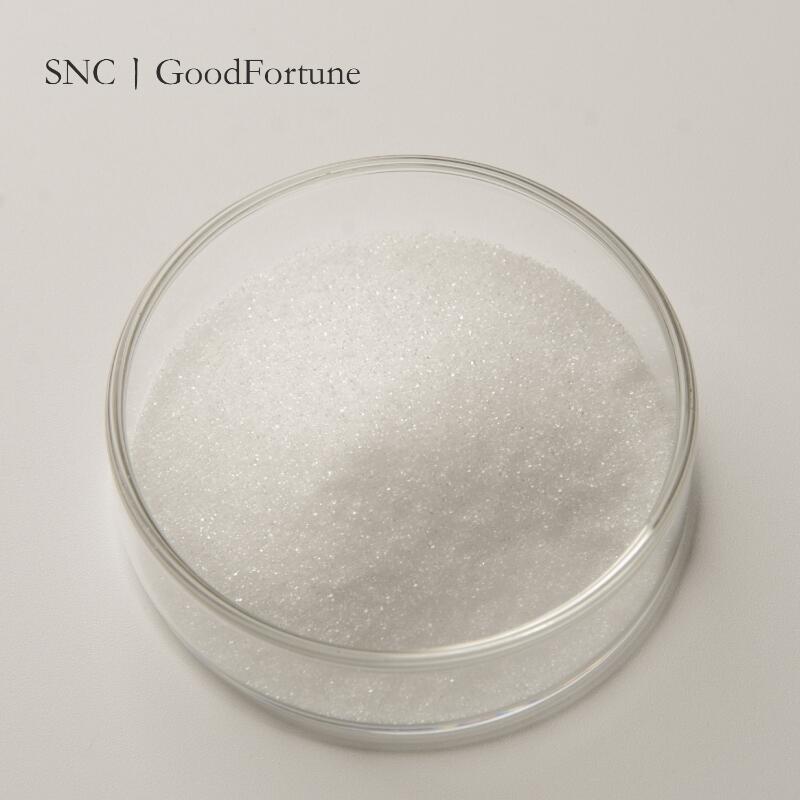
1-Ethyl-3-(3-dimethylaminopropyl)carbodiimide hydrochloride 25952-53-8 buy - large image1
1-Ethyl-3-(3-dimethylaminopropyl)carbodiimide hydrochloride 25952-53-8 buy - image1
1-Ethyl-3-(3-dimethylaminopropyl)carbodiimide hydrochloride 25952-53-8 buy - image2
1-Ethyl-3-(3-dimethylaminopropyl)carbodiimide hydrochloride 25952-53-8 buy - image3
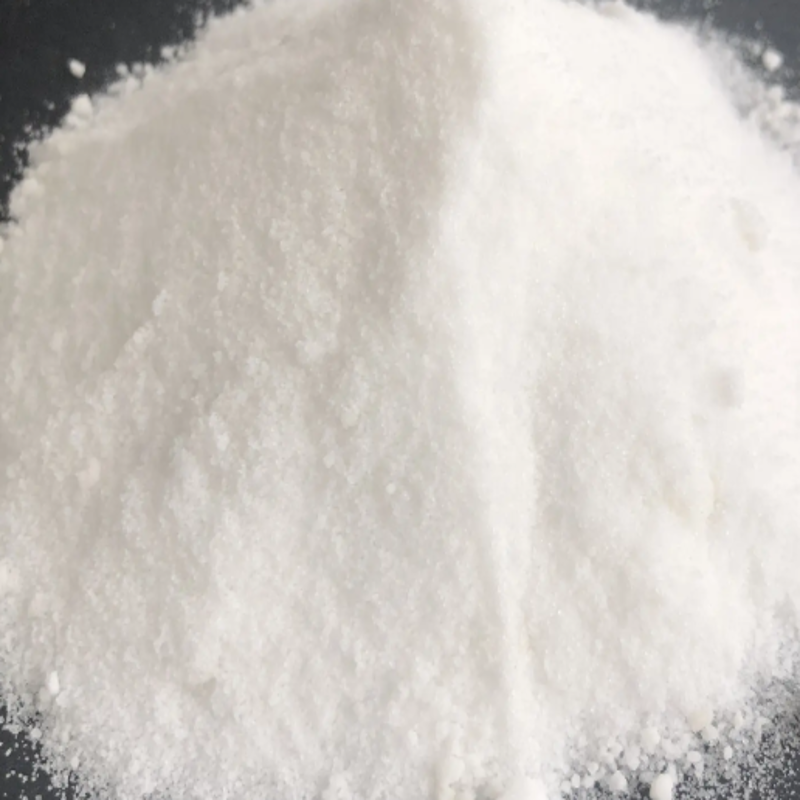
1-Ethyl-3-(3-dimethylaminopropyl)carbodiimide hydrochloride 25952-53-8 buy - image4
1-Ethyl-3-(3-dimethylaminopropyl)carbodiimide hydrochloride 25952-53-8 buy - image5
1-Ethyl-3-(3-dimethylaminopropyl)carbodiimide hydrochloride 25952-53-8 buy - image6

1-Ethyl-3-(3-dimethylaminopropyl)carbodiimide hydrochloride 25952-53-8

TDS 7 Inquiries

Unit Price:

$10-13/KG FOB

Get Latest Price
CAS No.:

25952-53-8

Grade:

Industrial Grade

Content:

99%

Port:

shanghai

Brand:

zhishang

Packaging:

1kg

Price valid (until):

2027-12-30

Company Type:
Manufactory
Location:
China
Qualification:
Main Products:

Agrochemicals,Daily Chemicals,Catalysts & Chemical Auxiliary Agents,Extract,Inorganic Chemicals,Organic Intermediate

  • Product Description

  • Seller Information

  • Inquiry History

  • Description


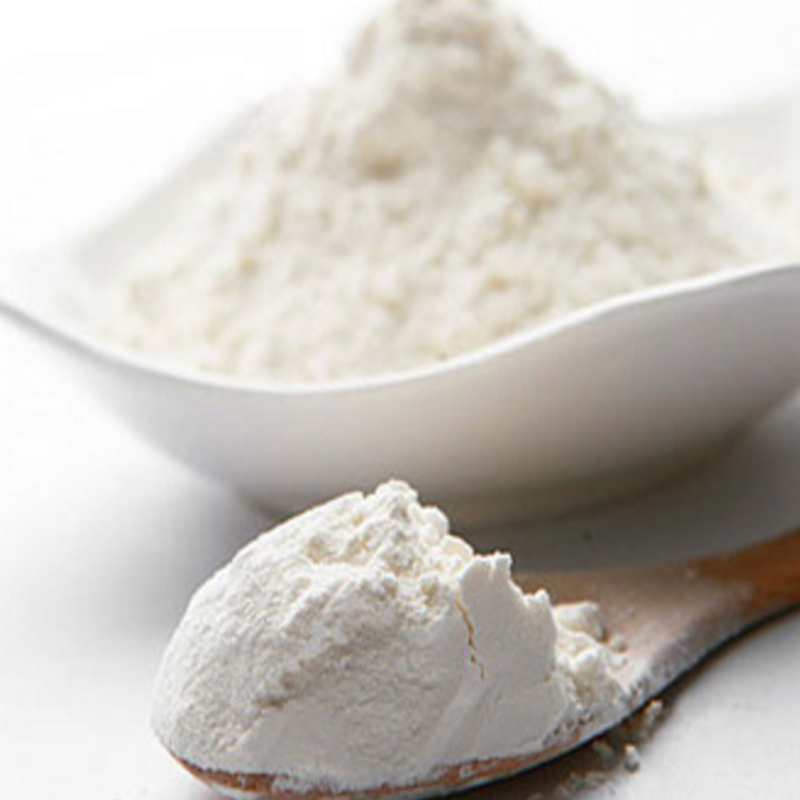
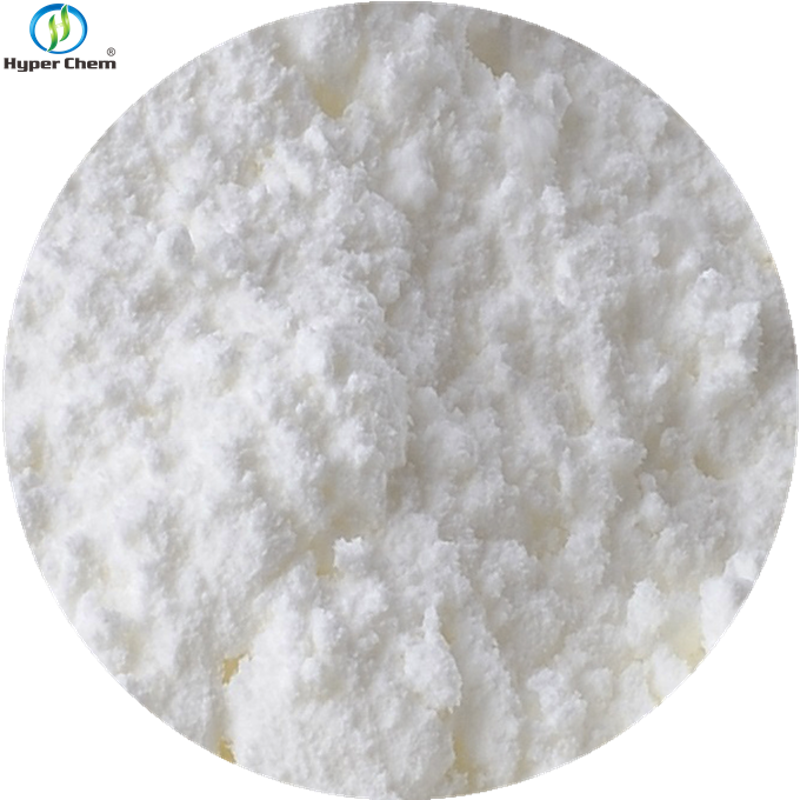
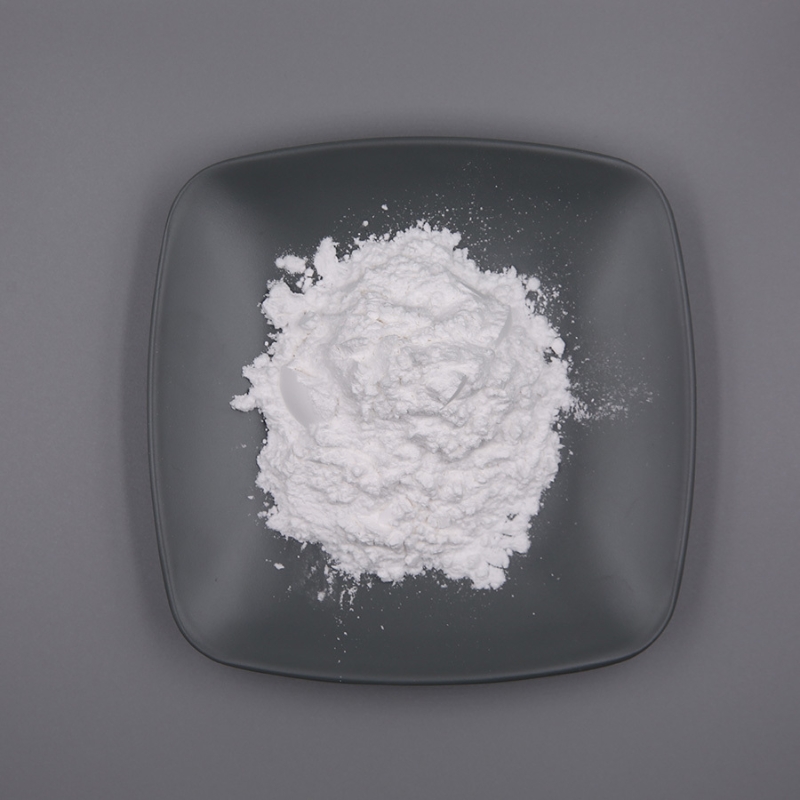
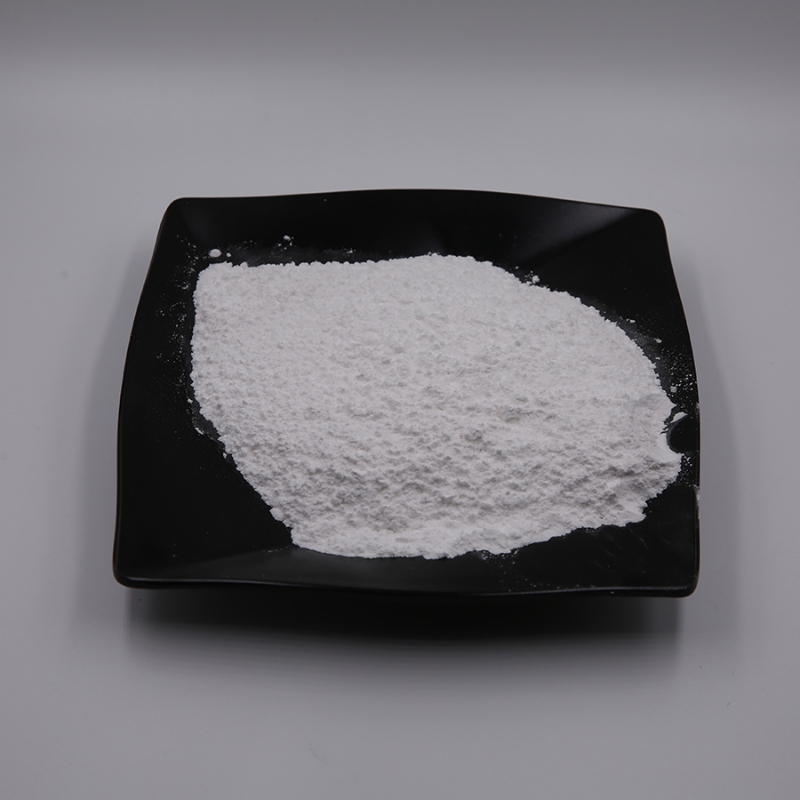
      1-(3-Dimethylaminopropyl)-3-ethylcarbodiimide hydrochloride, abbreviated as EDC hydrochloride, has the molecular formula C8H17N3·HCl and a relative molecular mass of 191.70. It is a white crystalline powder, highly hygroscopic, with a water solubility >20g/100ml, soluble in ethanol, and a melting point of 110-114℃. In amide synthesis, it is used as an activator of carboxyl groups, and also for activating phosphate ester groups, cross-linking proteins and nucleic acids, and preparing immunoconjugates. The optimal pH range for use is 4.0-6.0. It is often used in conjunction with N-hydroxysuccinimide (NHS) or N-hydroxythiosuccinimide to improve coupling efficiency. Commonly used condensing agents include three main types: dicyclohexylcarbodiimide (DCC), diisopropylcarbodiimide (DIC), and 1-(3-dimethylaminopropyl)-3-ethylcarbodiimide (EDCI). The use of this type of condensing agent generally requires the addition of an acylation catalyst or activator, such as DMAP or HOBt. Because the acid-to-carbodiimide addition intermediate is unstable in the first stage of the reaction, if it is not converted to the corresponding active ester or active amide without an acylation catalyst, it will rearrange itself into the corresponding stable urea byproduct (Pathb). Condensation activators: Commonly used condensation activators include the following. Currently, 4-N,N-dimethylpyridine (DMAP) is widely used to catalyze various acylation reactions. Sometimes, when DMAP catalysis is ineffective, 4-PPY can be used; according to relevant literature, its catalytic ability is about a thousand times higher than that of DMAP. Among the three commonly used condensing agents, DCC and DIC are relatively inexpensive. DCC and DMAP are generally used together. A major drawback of DCC is that the other product, dicyclohexylurea, has very low solubility in most organic phases, though it is only slightly soluble. Therefore, it is difficult to completely remove it using common purification methods such as recrystallization and column chromatography. Since dicyclohexylurea has relatively lower solubility in diethyl ether than in other solvents, the general procedure for this type of reaction is to evaporate the reaction solvent, add diethyl ether, filter out most of the dicyclohexylurea, and then proceed with further processing. DIC, because the resulting diisopropylurea has good solubility in most organic solvents, is generally used more in solid-phase synthesis in combinatorial chemistry. Currently, EDCI is the most widely used in medicinal chemistry. A key characteristic is that the urea produced after the reaction is water-soluble and easily washed away. EDCI is generally used in combination with HOBt (note: HOBt is generally indispensable in this reaction; otherwise, the condensation yield may be too low). Sometimes, if the a-position of the acid is sterically hindered or has an electron-withdrawing group, the reaction may stop at the active ester step (this active ester has a strong mass spectrometric signal and can be detected by MS or LC-MS). EDCI, a white crystalline substance, can be used as a protein and nucleic acid cross-linking reagent and is a water-soluble carbodiimide condensing agent that enables rapid peptide condensation reactions. EDC (or EDAC) molecules have a linear structure and are used for the condensation reaction of carboxyl groups with primary amines, and have found wide applications.

    1-(3-Dimethylaminopropyl)-3-ethylcarbodiimide hydrochloride, abbreviated as EDC hydrochloride, has the molecular formula C8H17N3·HCl and a relative molecular mass of 191.70. It is a white crystalline powder, highly hygroscopic, with a water solubility >20g/100ml, soluble in ethanol, and a melting point of 110-114℃. In amide synthesis, it is used as an activator of carboxyl groups, and also for activating phosphate ester groups, cross-linking proteins and nucleic acids, and preparing immunoconjugates. The optimal pH range for use is 4.0-6.0. It is often used in conjunction with N-hydroxysuccinimide (NHS) or N-hydroxythiosuccinimide to improve coupling efficiency. Commonly used condensing agents include three main types: dicyclohexylcarbodiimide (DCC), diisopropylcarbodiimide (DIC), and 1-(3-dimethylaminopropyl)-3-ethylcarbodiimide (EDCI). The use of this type of condensing agent generally requires the addition of an acylation catalyst or activator, such as DMAP or HOBt. Because the acid-to-carbodiimide addition intermediate is unstable in the first stage of the reaction, if it is not converted to the corresponding active ester or active amide without an acylation catalyst, it will rearrange itself into the corresponding stable urea byproduct (Pathb). Condensation activators: Commonly used condensation activators include the following. Currently, 4-N,N-dimethylpyridine (DMAP) is widely used to catalyze various acylation reactions. Sometimes, when DMAP catalysis is ineffective, 4-PPY can be used; according to relevant literature, its catalytic ability is about a thousand times higher than that of DMAP. Among the three commonly used condensing agents, DCC and DIC are relatively inexpensive. DCC and DMAP are generally used together. A major drawback of DCC is that the other product, dicyclohexylurea, has very low solubility in most organic phases, though it is only slightly soluble. Therefore, it is difficult to completely remove it using common purification methods such as recrystallization and column chromatography. Since dicyclohexylurea has relatively lower solubility in diethyl ether than in other solvents, the general procedure for this type of reaction is to evaporate the reaction solvent, add diethyl ether, filter out most of the dicyclohexylurea, and then proceed with further processing. DIC, because the resulting diisopropylurea has good solubility in most organic solvents, is generally used more in solid-phase synthesis in combinatorial chemistry. Currently, EDCI is the most widely used in medicinal chemistry. A key characteristic is that the urea produced after the reaction is water-soluble and easily washed away. EDCI is generally used in combination with HOBt (note: HOBt is generally indispensable in this reaction; otherwise, the condensation yield may be too low). Sometimes, if the a-position of the acid is sterically hindered or has an electron-withdrawing group, the reaction may stop at the active ester step (this active ester has a strong mass spectrometric signal and can be detected by MS or LC-MS). EDCI, a white crystalline substance, can be used as a protein and nucleic acid cross-linking reagent and is a water-soluble carbodiimide condensing agent that enables rapid peptide condensation reactions. EDC (or EDAC) molecules have a linear structure and are used for the condensation reaction of carboxyl groups with primary amines, and have found wide applications.

    1-(3-Dimethylaminopropyl)-3-ethylcarbodiimide hydrochloride, abbreviated as EDC hydrochloride, has the molecular formula C8H17N3·HCl and a relative molecular mass of 191.70. It is a white crystalline powder, highly hygroscopic, with a water solubility >20g/100ml, soluble in ethanol, and a melting point of 110-114℃. In amide synthesis, it is used as an activator of carboxyl groups, and also for activating phosphate ester groups, cross-linking proteins and nucleic acids, and preparing immunoconjugates. The optimal pH range for use is 4.0-6.0. It is often used in conjunction with N-hydroxysuccinimide (NHS) or N-hydroxythiosuccinimide to improve coupling efficiency. Commonly used condensing agents include three main types: dicyclohexylcarbodiimide (DCC), diisopropylcarbodiimide (DIC), and 1-(3-dimethylaminopropyl)-3-ethylcarbodiimide (EDCI). The use of this type of condensing agent generally requires the addition of an acylation catalyst or activator, such as DMAP or HOBt. Because the acid-to-carbodiimide addition intermediate is unstable in the first stage of the reaction, if it is not converted to the corresponding active ester or active amide without an acylation catalyst, it will rearrange itself into the corresponding stable urea byproduct (Pathb). Condensation activators: Commonly used condensation activators include the following. Currently, 4-N,N-dimethylpyridine (DMAP) is widely used to catalyze various acylation reactions. Sometimes, when DMAP catalysis is ineffective, 4-PPY can be used; according to relevant literature, its catalytic ability is about a thousand times higher than that of DMAP. Among the three commonly used condensing agents, DCC and DIC are relatively inexpensive. DCC and DMAP are generally used together. A major drawback of DCC is that the other product, dicyclohexylurea, has very low solubility in most organic phases, though it is only slightly soluble. Therefore, it is difficult to completely remove it using common purification methods such as recrystallization and column chromatography. Since dicyclohexylurea has relatively lower solubility in diethyl ether than in other solvents, the general procedure for this type of reaction is to evaporate the reaction solvent, add diethyl ether, filter out most of the dicyclohexylurea, and then proceed with further processing. DIC, because the resulting diisopropylurea has good solubility in most organic solvents, is generally used more in solid-phase synthesis in combinatorial chemistry. Currently, EDCI is the most widely used in medicinal chemistry. A key characteristic is that the urea produced after the reaction is water-soluble and easily washed away. EDCI is generally used in combination with HOBt (note: HOBt is generally indispensable in this reaction; otherwise, the condensation yield may be too low). Sometimes, if the a-position of the acid is sterically hindered or has an electron-withdrawing group, the reaction may stop at the active ester step (this active ester has a strong mass spectrometric signal and can be detected by MS or LC-MS). EDCI, a white crystalline substance, can be used as a protein and nucleic acid cross-linking reagent and is a water-soluble carbodiimide condensing agent that enables rapid peptide condensation reactions. EDC (or EDAC) molecules have a linear structure and are used for the condensation reaction of carboxyl groups with primary amines, and have found wide applications.


    1-(3-Dimethylaminopropyl)-3-ethylcarbodiimide hydrochloride, abbreviated as EDC hydrochloride, has the molecular formula C8H17N3·HCl and a relative molecular mass of 191.70. It is a white crystalline powder, highly hygroscopic, with a water solubility >20g/100ml, soluble in ethanol, and a melting point of 110-114℃. In amide synthesis, it is used as an activator of carboxyl groups, and also for activating phosphate ester groups, cross-linking proteins and nucleic acids, and preparing immunoconjugates. The optimal pH range for use is 4.0-6.0. It is often used in conjunction with N-hydroxysuccinimide (NHS) or N-hydroxythiosuccinimide to improve coupling efficiency. Commonly used condensing agents include three main types: dicyclohexylcarbodiimide (DCC), diisopropylcarbodiimide (DIC), and 1-(3-dimethylaminopropyl)-3-ethylcarbodiimide (EDCI). The use of this type of condensing agent generally requires the addition of an acylation catalyst or activator, such as DMAP or HOBt. Because the acid-to-carbodiimide addition intermediate is unstable in the first stage of the reaction, if it is not converted to the corresponding active ester or active amide without an acylation catalyst, it will rearrange itself into the corresponding stable urea byproduct (Pathb). Condensation activators: Commonly used condensation activators include the following. Currently, 4-N,N-dimethylpyridine (DMAP) is widely used to catalyze various acylation reactions. Sometimes, when DMAP catalysis is ineffective, 4-PPY can be used; according to relevant literature, its catalytic ability is about a thousand times higher than that of DMAP. Among the three commonly used condensing agents, DCC and DIC are relatively inexpensive. DCC and DMAP are generally used together. A major drawback of DCC is that the other product, dicyclohexylurea, has very low solubility in most organic phases, though it is only slightly soluble. Therefore, it is difficult to completely remove it using common purification methods such as recrystallization and column chromatography. Since dicyclohexylurea has relatively lower solubility in diethyl ether than in other solvents, the general procedure for this type of reaction is to evaporate the reaction solvent, add diethyl ether, filter out most of the dicyclohexylurea, and then proceed with further processing. DIC, because the resulting diisopropylurea has good solubility in most organic solvents, is generally used more in solid-phase synthesis in combinatorial chemistry. Currently, EDCI is the most widely used in medicinal chemistry. A key characteristic is that the urea produced after the reaction is water-soluble and easily washed away. EDCI is generally used in combination with HOBt (note: HOBt is generally indispensable in this reaction; otherwise, the condensation yield may be too low). Sometimes, if the a-position of the acid is sterically hindered or has an electron-withdrawing group, the reaction may stop at the active ester step (this active ester has a strong mass spectrometric signal and can be detected by MS or LC-MS). EDCI, a white crystalline substance, can be used as a protein and nucleic acid cross-linking reagent and is a water-soluble carbodiimide condensing agent that enables rapid peptide condensation reactions. EDC (or EDAC) molecules have a linear structure and are used for the condensation reaction of carboxyl groups with primary amines, and have found wide applications.

    1-(3-Dimethylaminopropyl)-3-ethylcarbodiimide hydrochloride, abbreviated as EDC hydrochloride, has the molecular formula C8H17N3·HCl and a relative molecular mass of 191.70. It is a white crystalline powder, highly hygroscopic, with a water solubility >20g/100ml, soluble in ethanol, and a melting point of 110-114℃. In amide synthesis, it is used as an activator of carboxyl groups, and also for activating phosphate ester groups, cross-linking proteins and nucleic acids, and preparing immunoconjugates. The optimal pH range for use is 4.0-6.0. It is often used in conjunction with N-hydroxysuccinimide (NHS) or N-hydroxythiosuccinimide to improve coupling efficiency. Commonly used condensing agents include three main types: dicyclohexylcarbodiimide (DCC), diisopropylcarbodiimide (DIC), and 1-(3-dimethylaminopropyl)-3-ethylcarbodiimide (EDCI). The use of this type of condensing agent generally requires the addition of an acylation catalyst or activator, such as DMAP or HOBt. Because the acid-to-carbodiimide addition intermediate is unstable in the first stage of the reaction, if it is not converted to the corresponding active ester or active amide without an acylation catalyst, it will rearrange itself into the corresponding stable urea byproduct (Pathb). Condensation activators: Commonly used condensation activators include the following. Currently, 4-N,N-dimethylpyridine (DMAP) is widely used to catalyze various acylation reactions. Sometimes, when DMAP catalysis is ineffective, 4-PPY can be used; according to relevant literature, its catalytic ability is about a thousand times higher than that of DMAP. Among the three commonly used condensing agents, DCC and DIC are relatively inexpensive. DCC and DMAP are generally used together. A major drawback of DCC is that the other product, dicyclohexylurea, has very low solubility in most organic phases, though it is only slightly soluble. Therefore, it is difficult to completely remove it using common purification methods such as recrystallization and column chromatography. Since dicyclohexylurea has relatively lower solubility in diethyl ether than in other solvents, the general procedure for this type of reaction is to evaporate the reaction solvent, add diethyl ether, filter out most of the dicyclohexylurea, and then proceed with further processing. DIC, because the resulting diisopropylurea has good solubility in most organic solvents, is generally used more in solid-phase synthesis in combinatorial chemistry. Currently, EDCI is the most widely used in medicinal chemistry. A key characteristic is that the urea produced after the reaction is water-soluble and easily washed away. EDCI is generally used in combination with HOBt (note: HOBt is generally indispensable in this reaction; otherwise, the condensation yield may be too low). Sometimes, if the a-position of the acid is sterically hindered or has an electron-withdrawing group, the reaction may stop at the active ester step (this active ester has a strong mass spectrometric signal and can be detected by MS or LC-MS). EDCI, a white crystalline substance, can be used as a protein and nucleic acid cross-linking reagent and is a water-soluble carbodiimide condensing agent that enables rapid peptide condensation reactions. EDC (or EDAC) molecules have a linear structure and are used for the condensation reaction of carboxyl groups with primary amines, and have found wide applications.

    1-(3-Dimethylaminopropyl)-3-ethylcarbodiimide hydrochloride, abbreviated as EDC hydrochloride, has the molecular formula C8H17N3·HCl and a relative molecular mass of 191.70. It is a white crystalline powder, highly hygroscopic, with a water solubility >20g/100ml, soluble in ethanol, and a melting point of 110-114℃. In amide synthesis, it is used as an activator of carboxyl groups, and also for activating phosphate ester groups, cross-linking proteins and nucleic acids, and preparing immunoconjugates. The optimal pH range for use is 4.0-6.0. It is often used in conjunction with N-hydroxysuccinimide (NHS) or N-hydroxythiosuccinimide to improve coupling efficiency. Commonly used condensing agents include three main types: dicyclohexylcarbodiimide (DCC), diisopropylcarbodiimide (DIC), and 1-(3-dimethylaminopropyl)-3-ethylcarbodiimide (EDCI). The use of this type of condensing agent generally requires the addition of an acylation catalyst or activator, such as DMAP or HOBt. Because the acid-to-carbodiimide addition intermediate is unstable in the first stage of the reaction, if it is not converted to the corresponding active ester or active amide without an acylation catalyst, it will rearrange itself into the corresponding stable urea byproduct (Pathb). Condensation activators: Commonly used condensation activators include the following. Currently, 4-N,N-dimethylpyridine (DMAP) is widely used to catalyze various acylation reactions. Sometimes, when DMAP catalysis is ineffective, 4-PPY can be used; according to relevant literature, its catalytic ability is about a thousand times higher than that of DMAP. Among the three commonly used condensing agents, DCC and DIC are relatively inexpensive. DCC and DMAP are generally used together. A major drawback of DCC is that the other product, dicyclohexylurea, has very low solubility in most organic phases, though it is only slightly soluble. Therefore, it is difficult to completely remove it using common purification methods such as recrystallization and column chromatography. Since dicyclohexylurea has relatively lower solubility in diethyl ether than in other solvents, the general procedure for this type of reaction is to evaporate the reaction solvent, add diethyl ether, filter out most of the dicyclohexylurea, and then proceed with further processing. DIC, because the resulting diisopropylurea has good solubility in most organic solvents, is generally used more in solid-phase synthesis in combinatorial chemistry. Currently, EDCI is the most widely used in medicinal chemistry. A key characteristic is that the urea produced after the reaction is water-soluble and easily washed away. EDCI is generally used in combination with HOBt (note: HOBt is generally indispensable in this reaction; otherwise, the condensation yield may be too low). Sometimes, if the a-position of the acid is sterically hindered or has an electron-withdrawing group, the reaction may stop at the active ester step (this active ester has a strong mass spectrometric signal and can be detected by MS or LC-MS). EDCI, a white crystalline substance, can be used as a protein and nucleic acid cross-linking reagent and is a water-soluble carbodiimide condensing agent that enables rapid peptide condensation reactions. EDC (or EDAC) molecules have a linear structure and are used for the condensation reaction of carboxyl groups with primary amines, and have found wide applications.


    Items Specifications
    appearance white powder
    purity 99%


    Certificates
    • 1-Ethyl-3-(3-dimethylaminopropyl)carbodiimide hydrochloride 25952-53-8 Certificates 1

    Basic Info
    Product Name:

    1-Ethyl-3-(3′-dimethylaminopropyl)carbodiimide hydrochloride

    Other Name:

    1,3-Propanediamine,N3-(ethylcarbonimidoyl)-N1,N1-dimethyl-,hydrochloride (1:1);Carbodiimide,[3-(dimethylamino)propyl]ethyl-,monohydrochloride;1,3-Propanediamine,N′-(ethylcarbonimidoyl)-N,N-dimethyl-,monohydrochloride;1-Ethyl-3-(3-dimethylaminopropyl)carbodiimide monohydrochloride;1-Ethyl-3-(3-dimethylaminopropyl)carbodiimide hydrochloride;N-Ethyl-N′-(3-dimethylaminopropyl)carbodiimide hydrochloride;1-Ethyl-3-(3′-dimethylaminopropyl)carbodiimide monohydrochloride;N-(3-Dimethylaminopropyl)-N′-ethylcarbodiimide hydrochloride;1-Ethyl-3-(3′-dimethylaminopropyl)carbodiimide hydrochloride;EDAP;EDCI;WSC;1-(3-Dimethylaminopropyl)-3-ethylcarbodiimide monohydrochloride;EDC;1-(3-Dimethylaminopropyl)-3-ethylcarbodiimide hydrochloride;[3-(Dimethylamino)propyl]ethylcarbodiimide hydrochloride;3-[3-(Dimethylamino)propyl]-1-ethylcarbodiimide hydrochloride;EDC (coupling agent);N1-((Ethylimino)methylene)-N3,N3-dimethylpropane-1,3-diamine hydrochloride;N-[(Ethylimino)methylene]-N′,N′-dimethylpropane-1,3-diamine hydrochloride;N-[3-(Dimethylamino)propyl]-N1-ethylcarbodiimide hydrochloride;1-Ethyl-(3-dimethylaminopropyl)carbodiimide hydrochloride;93128-40-6

    CAS No.:

    25952-53-8

    Molecular Formula:

    C8H17N3.ClH

    InChIKeys:

    InChIKey=FPQQSJJWHUJYPU-UHFFFAOYSA-N

    Molecular Weight:

    191.7

    Exact Mass:

    191.119

    BRN:

    5764110

    EC Number:

    217-579-2

    HScode:

    29252000

    Categories:

    Amides

    Characteristics
    PSA:

    28

    XLogP3:

    1.93390

    Appearance:

    White to off-white Crystalline Powder

    Density:

    0.877 g/mL at 20 °C(lit.)

    Melting Point:

    110-115 °C(lit.)

    Boiling Point:

    197.7°C at 760 mmHg

    Flash Point:

    107.9ºC

    Refractive Index:

    n20/D 1.461

    Water Solubility:

    H2O: soluble 1 gm/10 ml, clear to very slightly hazy, colorless to very faintly yellow

    Storage Conditions:

    −20°C

    Vapor Pressure:

    0.171mmHg at 25°C

    Toxicity:

    LD50 intravenous in mouse: 56mg/kg

    Hazard Identification

    Classification of the substance or mixture

    Acute toxicity - Category 4, Oral

    Acute toxicity - Category 3, Dermal

    Skin irritation, Category 2

    Skin sensitization, Category 1

    Hazardous to the aquatic environment, short-term (Acute) - Category Acute 1

    Hazardous to the aquatic environment, long-term (Chronic) - Category Chronic 1

    GHS label elements, including precautionary statements

    Pictogram(s)

    Signal word

    Warning

    Hazard statement(s)

    H302 Harmful if swallowed

    H311 Toxic in contact with skin

    H315 Causes skin irritation

    H317 May cause an allergic skin reaction

    H400 Very toxic to aquatic life

    H410 Very toxic to aquatic life with long lasting effects

    Precautionary statement(s)
    Prevention

    P264 Wash ... thoroughly after handling.

    P270 Do not eat, drink or smoke when using this product.

    P280 Wear protective gloves/protective clothing/eye protection/face protection/hearing protection/...

    P261 Avoid breathing dust/fume/gas/mist/vapours/spray.

    P272 Contaminated work clothing should not be allowed out of the workplace.

    P273 Avoid release to the environment.

    Response

    P301+P317 IF SWALLOWED: Get medical help.

    P330 Rinse mouth.

    P302+P352 IF ON SKIN: Wash with plenty of water/...

    P316 Get emergency medical help immediately.

    P321 Specific treatment (see ... on this label).

    P361+P364 Take off immediately all contaminated clothing and wash it before reuse.

    P332+P317 If skin irritation occurs: Get medical help.

    P362+P364 Take off contaminated clothing and wash it before reuse.

    P333+P317 If skin irritation or rash occurs: Get medical help.

    P391 Collect spillage.

    Storage

    P405 Store locked up.

    Disposal

    P501 Dispose of contents/container to an appropriate treatment and disposal facility in accordance with applicable laws and regulations, and product characteristics at time of disposal.

    Other hazards which do not result in classification

    no data available

    Handling and Storage

    Precautions for safe handling

    Handling in a well ventilated place. Wear suitable protective clothing. Avoid contact with skin and eyes. Avoid formation of dust and aerosols. Use non-sparking tools. Prevent fire caused by electrostatic discharge steam.

    Conditions for safe storage, including any incompatibilities

    Store the container tightly closed in a dry, cool and well-ventilated place. Store apart from foodstuff containers or incompatible materials.

  • Seller Information
    Business Type:

    Manufactory

    Main Products:

    Agrochemicals,Daily Chemicals,Catalysts & Chemical Auxiliary Agents,Extract,Inorganic Chemicals,Organic Intermediate

    Location:

    hisense intelligence valley,no 2116,of phoenix road

    Payment Terms:

    TT against copy of documents,D/P,L/C

    Average lead Time:

    7

    Total Annual Revenue:

    Less than $1 million

    Total Employees:

    11-50

    Year of Establishment:

    2017

     SHANDONG LOOK CHEMICAL CO.LTD, a new chemical enterprise in researching, manufacturing and supplying of chemicals located in beautiful “Spring City”-Jinan.Our company mainly working on the researching new-born APIs, intermediate ( especially Carbohydrate derivatives series). Meanwhile, we made huge breakthrough in industries of food, feed additives, cosmetics ,dye and industrial chemicals. Our company enjoyed great reputation both domestic and abroad under the belief of “Integrity management,Quality controlling and Customer orientation”.  Web : www.chinalookchemical.com 

        We had been cooperated with NingXia University and Shandong University on more than ten projects for years and which had been in mass production on the market. We now have more than 80 people in our team and built research center in Jinan and Ningxia. Our manufacturing site allocated in chemical industry parks of Zhangqiu, Heze, Dezhou and Ningxia Fine Chemical Park. We strictly complying with ISO9001 and ISO 2000 standard in manufacturing process, our lab and workshop tightly in accordance with GMP standard.Our products best selling in Europe, South and North America,Asia pacific area and Africa. We sincerely welcome new and regular customers around the world visit us for business negotiation.

  • Inquiry History
    7 Inquiries
    Country Product Purchase Quantity Date Posted
    India

    1-ETHYL-3-(3-DIMETHYLAMINOPROPYL)-CARBODIIMIDE HYDROCHLORIDE (EDAC-HCL)

    10.00 MT Feb 8, 2025
    India

    1-Ethyl-3-(3-dimethylaminopropyl)carbodiimide hydrochloride

    2 KG Jun 3, 2026
    India

    1-Ethyl-3-(3- dimethylaminopropyl)carbodii mide hydrochloride (EDAC HCl)

    1000.00 KG Feb 25, 2026
    India

    N-ethyl-N’-(3-dimethylaminopropyl) carbodiimide (EDC)

    0.01 L Jul 8, 2025
    India

    1-Ethyl-3-(3-dimethylaminopropyl)-carbodiimide hydrochloride

    10 MT Dec 27, 2024
    India

    TRIFLUOROMETHANESULFONIC

    10.00 MT Feb 8, 2025
    India

    5-Bromothiophene-2-carbaldehyde

    1.00 KG May 6, 2026
    Post an enquiry for this product
pic ×

Scan the QR Code to Share

All products displayed on this website are only for non-medical purposes such as industrial applications or scientific research, and cannot be used for clinical diagnosis or treatment of humans or animals. They are not medicinal or edible.

According to relevant laws and regulations and the regulations of this website, units or individuals who purchase hazardous materials should obtain valid qualifications and qualification conditions.

The information shown above is provided by the enterprise itself, and the authenticity, accuracy and legitimacy of the content are the responsibility of the publishing company. ECHEMI does not bear any guarantee responsibility for this. Please be aware that risks in internet transactions objectively exist.

Feedback & Suggestions
Send Message

Thank you for your feedback. If you require further assistance, please contact us by email at info@echemi.com or call us at +86-532-55729510.