| Malononitrile Basic information |
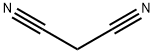
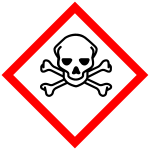
| | Malononitrile Chemical Properties | | Melting point | 30-32 °C (lit.) | | Boiling point | 220 °C (lit.) | | density | 1.049 g/mL at 25 °C (lit.) | | vapor pressure | 1 hPa (50 °C) | | refractive index | 1.4150 | | Fp | 234 °F | | storage temp. | 2-8°C | | solubility | 133g/l | | pka | 11(at 25℃) | | form | Crystalline Low Melting Mass | | color | White to yellow-brown | | Specific Gravity | 1.049 | | PH | pH : 4.5 | | Water Solubility | 13.3 g/100 mL (20 ºC) | | Merck | 14,5711 | | BRN | 773697 | | Henry's Law Constant | 7.5×101 mol/(m3Pa) at 25℃, Duchowicz et al. (2020) | | Exposure limits | TLV-TWA 8 mg/m3 (3 ppm) (NIOSH). | | Dielectric constant | 46.0 | | InChI | 1S/C3H2N2/c4-2-1-3-5/h1H2 | | InChIKey | CUONGYYJJVDODC-UHFFFAOYSA-N | | SMILES | N#CCC#N | | CAS DataBase Reference | 109-77-3(CAS DataBase Reference) | | NIST Chemistry Reference | Malononitrile(109-77-3) | | EPA Substance Registry System | Malononitrile (109-77-3) | | CAS Number Unlabeled | 109-77-3 | | Hazard Codes | T,N | | Risk Statements | 23/24/25-50/53 | | Safety Statements | 23-27-45-60-61 | | RIDADR | UN 2647 | | OEB | B | | OEL | TWA: 3 ppm (8 mg/m3) | | WGK Germany | 3 | | RTECS | OO3150000 | | F | 8 | | Autoignition Temperature | 365 °C | | TSCA | TSCA listed | | HazardClass | 6.1 | | PackingGroup | II | | HS Code | 29269090 | | Storage Class | 6.1A - Combustible acute toxic Cat. 1 and 2
very toxic hazardous materials | | Hazard Classifications | Acute Tox. 2 Oral
Acute Tox. 3 Dermal
Acute Tox. 3 Inhalation
Aquatic Acute 1
Aquatic Chronic 1
Eye Irrit. 2
Skin Sens. 1 | | Hazardous Substances Data | 109-77-3(Hazardous Substances Data) | | Toxicity | LD50 i.p. in mice: 12.9 mg/kg (Jones, Israel) |
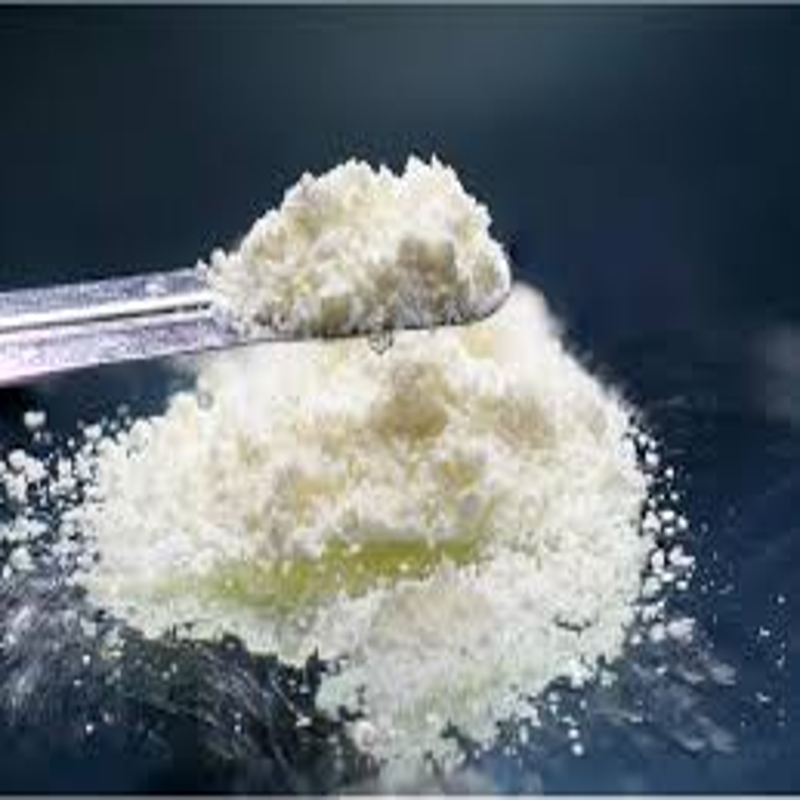
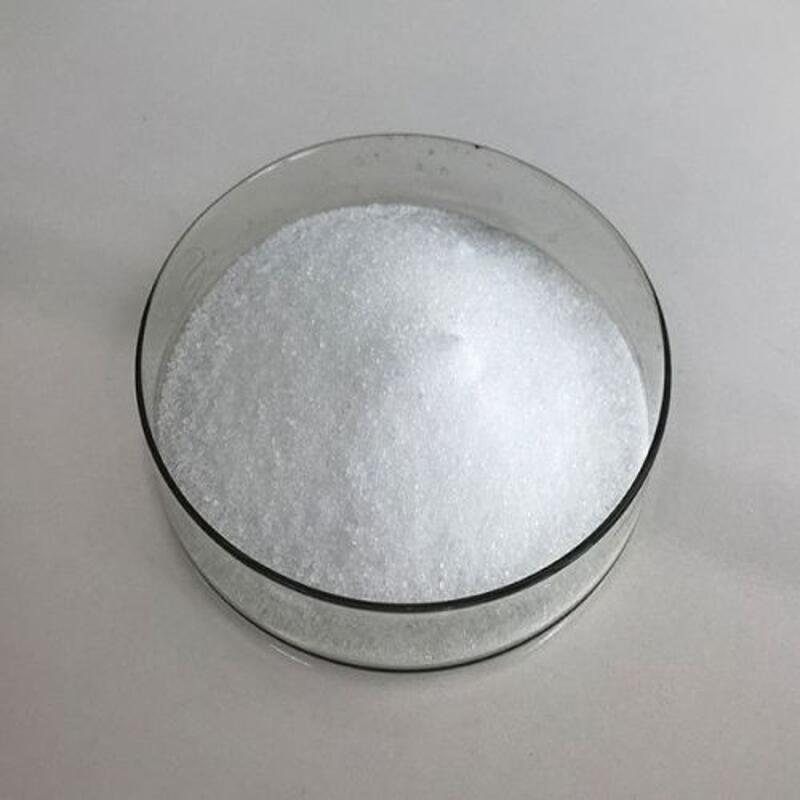
| | Malononitrile Usage And Synthesis | | Description | Malonitrile, also known as Malononitrile, is an aliphatic nitrile that can release cyanide through chemical or biological transformation. It was also used decades ago for treating certain forms of mental illness. | | Chemical Properties | Malononitrile is a white powder or colorless, odorless crystalline substance. It may polymerize violently on prolonged heating at 130°C or at lower temperatures on contact with strong bases. | | Uses | Malononitrile is an important building block for the syntheses of pharmaceuticals (e.g. triamterene, adenine and methotrexate), thiamin (vitamin B1), pesticides dyestuffs for color photography and synthetic fibers (e.g. vinylidene cyanide). Product Data Sheet | | Uses | The chemical properties of malononitrile are determined by the nucleophilicity of the malononitrile anion, formed by deprotonation with relatively weak bases and by the two electrophilic cyano groups. | | Definition | ChEBI: Malononitrile is a dinitrile that is methane substituted by two cyano groups. It is a dinitrile and an aliphatic nitrile. | | Production Methods | Malononitrile can be synthesized by a continuous method where preheated acetonitrile and cyanogen chloride are introduced into a tube reactor until the reaction mixture reaches a temperature of about 780°C. Another way to prepare malononitrile is by reacting phosphorus pentachloride with cyanoacetamide, or by using phosphorus pentoxide to react with malonamide or cyanoacetamide.
DOI: 10.15227/orgsyn.010.0066 | | General Description | A white-colored crystalline solid. Denser than water and soluble in water. Toxic by ingestion and may severely irritate skin and eyes. May polymerize violently if exposed to temperatures above 266°F. Used to make other chemicals. | | Air & Water Reactions | Soluble in water. | | Reactivity Profile | Malononitrile is a white, low-melting powder (m. p. 30.5° C), toxic, combustible. Violent polymerization on contact with strong bases (sodium hydroxide, potassium hydroxide) or when heated above 130° C. When stored at 70-80° C for 2 months, spontaneous explosion (decomposition) occurred [Bretherick, 5th ed., 1995, p. 394]. | | Hazard | Toxic by ingestion and inhalation. | | Health Hazard | Malononitrile is a highly toxic compound by all toxic routes. Its acute toxicity is somewhat greater than that of the aliphatic mononitriles, propionitrile, and butyronitrile. The increased toxicity may be attributed to the greater degree of reactivity in the molecule arising from two- CN functional groups. The acute toxic symptoms in test animals have not been well documented. An intraperitoneal dose of 10 mg/kg was lethal to rats.
LD50 value, intravenous (rabbits): 28 mg/kg
LD50 value, oral (mice): 19 mg/kg
Malononitrile is an eye irritant. The irritation from 5 mg in 24 hours was severe in rabbits’ eyes. There is no report of teratogenic and carcinogenic action in animals or humans. | | Fire Hazard | When heated to decomposition, Malononitrile emits highly toxic fumes (cyanide). May polymerize violently on prolonged heating. Avoid heat. Hazardous polymerization may occur, at prolonged heating at 266F or contact with strong bases at lower temperatures. | | Industrial uses | Malononitrile is used primarily as an intermediate in the synthesis of drugs and vitamins (thiamine). It has also been employed in the manufacture of photosensitizes, acrylic fibers and dyestuffs and as an oil-soluble polar additive in lubricating oil.
Malononitrile was used formerly in treatment of various forms of mental illness such as alteration of psychic functions and schizophrenic disorders. | | Safety Profile | Poison by ingestion, skin contact, subcutaneous, intravenous, and intraperitoneal routes. A severe eye irritant. Combustible when exposed to heat or flame. Polymerizes violently when heated to 130°C or on contact with strong base. May spontaneously explode when stored at 70-80°C. To fight fire, use water, fog, spray, foam. When heated to decomposition it emits toxic fumes of NOx and CN-. See also NITRILES. | | Potential Exposure | Primary Irritant. Malononitrile is used in organic synthesis, as a lubricating oil additive, for thiamine synthesis, for pteridine-type anti-cancer agent synthesis, and in the synthesis of photosensitizers, acrylic fibers, and dyestuffs. It has also been used in the treatment of various forms of mental illness. It has been used as a leaching agent for gold. | | First aid | If this chemical gets into the eyes, remove any contact lenses at once and irrigate immediately for at least 15 min, occasionally lifting upper and lower lids. Seek medical attention immediately. If this chemical contacts the skin, remove contaminated clothing and wash immediately with soap and water. Seek medical attention immediately. If this chemical has been inhaled, remove from exposure, begin rescue breathing (using universal precautions, including resuscitation mask) if breathing has stopped and CPR if heart action has stopped. Transfer promptly to a medical facility. When this chemical has been swallowed, get medical attention. Give large quantities of water and induce vomiting. Do not make an unconscious person vomit. | | Environmental Fate | When heated to decomposition, nitriles may release cyanide. Malonitrile appears to decompose rapidly in contact with soil and sediment. | | Metabolism | The in vitro metabolsim of malononitrile has been described by Stern et al. In the presence of thiosulphate, brain, liver and kidney slices metabolized malononitrile to thiocyanate. The formation of thiocyanate from malononitrile and thiosulphate was greatest in the presence of liver slices, lowest in brain, and intermediate with kidney slices. The liver enzyme system was saturated at a concentration of 3.3 mM malononitrile and a pH optimum of 7.0. This enzyme system was inhibited by cysteine and glutathione and inactivated by boiling. Stern et al indicated that thiosulphate increased cyanide and thiocyanate formed from malononitrile in tissue slices. | | storage | Color Code—Blue: Health Hazard/Poison: Store in a secure poison location. Prior to working with this chemical you should be trained on its proper handling and storage. Store in a refrigerator under an inert atmosphere for prolonged storage. Keep away from strong bases. May polymerize violently on prolonged heating at 129℃ or in contact with strong bases at lower temperatures. May spontaneously explode on storing above 7080℃. | | Shipping | This compound requires a shipping label of “POISONOUS/TOXIC MATERIALS.” It falls in Hazard Class 6.1 and Packing Group II. | | Purification Methods | Crystallise the nitrile from water, EtOH, *benzene or chloroform. Distil it in a vacuum from, and store over, P2O5. [Bernasconi et al. J Am Chem Soc 107 7692 1985, Gratenhuis J Am Chem Soc 109 8044 1987, Beilstein 2 IV 1892.] | | Toxicity evaluation | The acute toxicity of malonitrile and related alkyl nitriles is thought to be due to release of cyanide through metabolism of the parent compound. Signs of acute malonitrile intoxication including dyspnea, ataxia, and convulsions are similar to those noted with acute cyanide intoxication. The onset and duration indicate that these nitriles require metabolism to elicit toxicity. Cyanide and thiocyanate have both been found in urine and blood after malonitrile exposure. | | Incompatibilities | Incompatible with strong bases. May polymerize violently on prolonged heating @ 129�C, or in contact with strong bases at lower temperatures. Nitriles may polymerize in the presence of metals and some metal compounds. They are incompatible with acids; mixing nitriles with strong oxidizing acids can lead to extremely violent reactions. Nitriles are generally incompatible with other oxidizing agents such as peroxides and epoxides. The combination of bases and nitriles can produce hydrogen cyanide. Nitriles are hydrolyzed in both aqueous acid and base to give carboxylic acids (or salts of carboxylic acids). These reactions generate heat. Peroxides convert nitriles to amides. Nitriles can react vigorously with reducing agents. Acetonitrile and propionitrile are soluble in water, but nitriles higher than propionitrile have low aqueous solubility. They are also insoluble in aqueous acids. |
| | Malononitrile Preparation Products And Raw materials | | Raw materials | Phosphorus oxitrichloride-->Sodium chloride-->Ethyl cyanoacetate-->Dichloroethane-->2-Cyanoacetamide-->Dehydrolyzing agent-->Allene | | Preparation Products | 5-AMINO-4-ISOXAZOLECARBONITRILE-->5-(AMINOMETHYL)PYRIMIDIN-4-AMINE-->1,4,5,8-Naphthalenetetracarboxylic acid-->2-AMINO-3-CYANO-4-CHLORO-5-FORMYLTHIOPHENE-->3-CYANO-7-ETHOXYCOUMARIN-->4-AMINOPYRIMIDINE-5-CARBOXAMIDE-->2-AMINO-5,6-DIHYDRO-4H-CYCLOPENTA[B]THIOPHENE-3-CARBOXAMIDE-->5-AMINO-1-(4-CHLOROPHENYL)-1H-PYRAZOLE-4-CARBONITRILE-->2,4,6-Triaminopyrimidine-->3-CYANO-7-METHOXYCOUMARIN-->Azimsulfuron-->4,6-DIAMINO-2-METHYLMERCAPTOPYRIMIDINE-->5-AMINO-4-CYANO-3-METHYL-THIOPHENE-2-CARBOXYLIC ACID ETHYL ESTER-->2-Amino-3-cyanopyridine-->2-AMINO-6-METHYL-4,5,6,7-TETRAHYDRO-1-BENZOTHIOPHENE-3-CARBONITRILE-->2-AMINO-3,5-DICYANOPYRIDINE-->2,4-DIAMINOPYRIMIDINE-5-CARBOXYLIC ACID-->2-AMINO-5,6-DIHYDRO-4H-CYCLOPENTA[B]THIOPHENE-3-CARBONITRILE-->2-AMINO-4,5-DIMETHYL-THIOPHENE-3-CARBONITRILE-->4-Amino-6-methylpyrimidine-5-carbonitrile ,97%-->2-AMINO-3-CYANO-4-METHYL-5-CARBMETHOXY THIOPHENE-->2,4-DIAMINOPYRIMIDINE-5-CARBONITRILE-->2-AMINO-4,5,6,7-TETRAHYDRO-1-BENZOTHIOPHENE-3-CARBONITRILE-->2-Aminonicotinic acid-->Levosimendan-->4-AMINO-1,2,5-OXADIAZOLE-3-CARBONITRILE-->2-AMINO-6-METHYL-4,5,6,7-TETRAHYDROTHIENO[2,3-C]PYRIDINE-3-CARBONITRILE-->5-AMINO-1-PHENYLPYRAZOLE-4-CARBONITRILE-->2-AMINO-4-METHYL-QUINOLINE-3-CARBONITRILE-->[2-[4-(dihexylamino)-2-methylbenzylidene]benzo[b]thien-3(2H)-ylidene]malononitrile S,S-dioxide-->4,6-Dimethyl-2-hydroxypyridine-->2,4,6-TRIAMINO-5-NITROPYRIMIDINE-->4,6-DIAMINO-2-MERCAPTOPYRIMIDINE-->3,5-Difluorophenylacetic acid-->4-AMINOPYRIMIDINE-5-CARBONITRILE-->4-AMINO-2-(METHYLTHIO)PYRIMIDINE-5-CARBONITRILE-->2-AMINO-6-CHLORO-3,5-DICYANOPYRIDINE-->Solvent Red 197 | |








 India
India
 United Arab Emirates