Product
Supplier
Encyclopedia
Inquiry
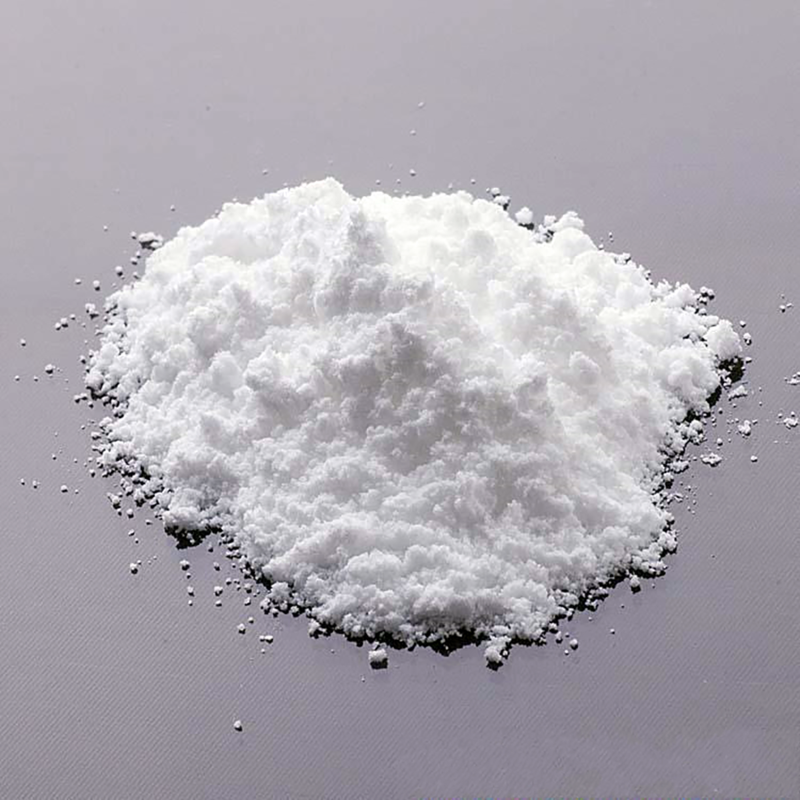
Phthalic anhydride85-44-9 buy - large image1
Phthalic anhydride85-44-9 buy - image1
Phthalic anhydride85-44-9 buy - image2
Phthalic anhydride85-44-9 buy - image3
Phthalic anhydride85-44-9 buy - image4
Phthalic anhydride85-44-9 buy - image5
Phthalic anhydride85-44-9 buy - image6

Phthalic anhydride85-44-9

124 Inquiries

Unit Price:

$33-34/MT FOB

Get Latest Price
CAS No.:

85-44-9

Grade:

Pharmaceutical Grade

Content:

99.5%

Port:

上海

Brand:

OORENT

Packaging:

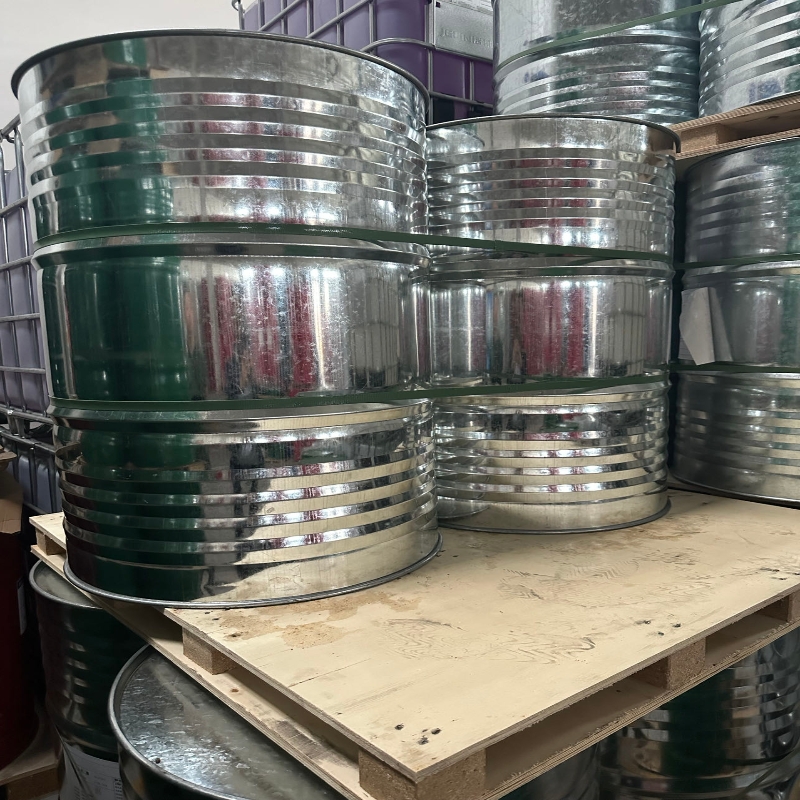
Vial/Bottle/Bag/Carton

Price valid (until):

2026-07-17

Company Type:
Trader
Location:
China
Qualification:
Main Products:

pharmaceutical intermediates,peptides,electronic chemicals

  • Product Description

  • Seller Information

  • Inquiry History

  • Description

    Product Detail


    Phthalic anhydride Basic information
    Product Name: Phthalic anhydride
    Synonyms: AKOS BBS-00004337;2-Benzofuran-1,3-dione;Anhydrid kyseliny ftalove;Anhydride phtalique;anhydridephtalique;anhydridephtalique(etatvitreux);anhydridephtalique(french);1,2-Benzenedicarboxylic Anhydride
    CAS: 85-44-9
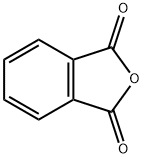
    MF: C8H4O3
    MW: 148.12
    EINECS: 201-607-5
    Product Categories: Building Blocks;Carbonyl Compounds;pharmacetical;Carboxylic Acid Anhydrides;Chemical Synthesis;Organic Building Blocks;ACS GradeOrganic Building Blocks;Carbonyl Compounds;Carboxylic Acid Anhydrides;Essential Chemicals;Routine Reagents;Organic Building Blocks;85-44-9
    Mol File: 85-44-9.mol
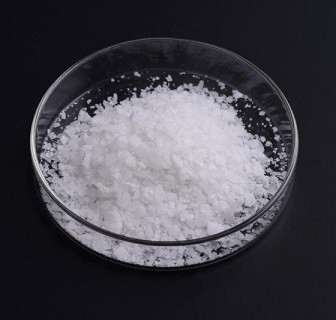
    Shop Phthalic anhydride85-44-9-Detailed Image 1

    Phthalic anhydride Chemical Properties
    Melting point  131-134 °C(lit.)
    Boiling point  284 °C(lit.)
    bulk density 500-700kg/m3
    density  1,53 g/cm3
    vapor density  5.1 (vs air)
    vapor pressure  <0.01 mm Hg ( 20 °C)
    refractive index  1.4500 (estimate)
    Fp  152 °C
    storage temp.  Store below +30°C.
    solubility  6g/l (slow decomposition)
    form  Flaky Crystals
    pka 2.97[at 20 ℃]
    color  White
    Odor Characteristic choking odor
    PH 2 (6g/l, H2O, 20℃)
    PH Range 2 at 6 g/l at 20 °C
    explosive limit 1.7-10.5%(V)
    Water Solubility  6 g/L (20 ºC)
    Sensitive  Moisture Sensitive
    Merck  14,7372
    BRN  118515
    Henry's Law Constant 6.29 at 20 °C (approximate - calculated from water solubility and vapor pressure)
    Exposure limits ACGIH:TLV-TWA 0.002 mg/m3 (0.0003 ppm),Inhalable fraction and vapor; TLV-STEL 0.005 mg/m3 (0.0009 ppm),Inhalable fraction and vapor
    OSHA:PEL-TWA 2 ppm (12 mg/m3)
    NIOSH:REL-TWA 6 mg/m3
    Stability: Stable. Combustible. Incompatible with strong oxidizing agents, strong bases, moisture, strong acids. Dust may form an explosive mixture with air.
    Cosmetics Ingredients Functions NOT REPORTED
    InChI 1S/C8H4O3/c9-7-5-3-1-2-4-6(5)8(10)11-7/h1-4H
    InChIKey LGRFSURHDFAFJT-UHFFFAOYSA-N
    SMILES O=C1OC(=O)c2ccccc12
    LogP 2.07 at 20℃
    CAS DataBase Reference 85-44-9(CAS DataBase Reference)
    NIST Chemistry Reference Phthalic anhydride(85-44-9)
    EPA Substance Registry System Phthalic anhydride (85-44-9)

    Safety Information
    Hazard Codes  Xn
    Risk Statements  22-37/38-41-42/43
    Safety Statements  23-24/25-26-37/39-46-22
    RIDADR  UN 2214 (PHTHALIC ANHYDRIDE with more than 0.05 % of maleic anhydride)
    OEB B
    OEL TWA: 6 mg/m3 (1 ppm)
    WGK Germany  1
    RTECS  TI3150000
    10-21
    Autoignition Temperature 580 °C
    TSCA  TSCA listed
    HazardClass  8
    PackingGroup  III
    HS Code  29173500
    Storage Class 11 - Combustible Solids
    Hazard Classifications Acute Tox. 4 Oral
    Eye Dam. 1
    Resp. Sens. 1
    Skin Irrit. 2
    Skin Sens. 1
    STOT SE 3
    Hazardous Substances Data 85-44-9(Hazardous Substances Data)
    Toxicity LD50 orally in Rabbit: 1530 mg/kg LD50 dermal Rabbit > 3160 mg/kg
    IDLH 60 mg/m3
    MSDS Information
    Provider Language
    SigmaAldrich English
    ACROS English
    ALFA English

    Phthalic anhydride Usage And Synthesis
    Description

    Phthalic anhydride is the organic compound with the formula C6H4(CO)2O. It is the anhydride of phthalic acid. This colourless solid is an important industrial chemical, especially for the large-scale production of plasticizers for plastics.
    Shop Phthalic anhydride85-44-9-Detailed Image 2
    Phthalic anhydride is an important chemical intermediate in the plastics industry from which are derived numerous phthalate esters that function as plasticizers in synthetic resins. Phthalic anhydride itself is used as a monomer for synthetic resins such as glyptal, the alkyd resins, and the polyester resins.
    Phthalic anhydride is also used as a precursor of anthraquinone, phthalein, rhodamine, phthalocyanine, fluorescein, and xanthene dyes.
    Phthalic anhydride is used in the synthesis of primary amines, the agricultural fungicide phaltan, and thalidomide. Other reactions with phthalic anhydride yield phenolphthalein, benzoic acid, phthalylsulfathiazole (an intestinal antimicrobial agent), and orthophthalic acid.

    Chemical Properties Phthalic Anhydride is moderately flammable, white solid (flake) or a clear, colorless, mobile liquid (molten) Characteristic, acrid, choking odor. It is very slightly soluble in H2O, soluble in alcohol, and slightly soluble in ether.
    Physical properties Colorless to pale cream crystals with a characteristic, choking odor. Moisture sensitive. Odor threshold concentration is 53 ppb (quoted, Amoore and Hautala, 1983).
    Uses Phthalic anhydride is used in the manufacture of unsaturated polyesters and as a curing agent for epoxy resins. When used as a pigment, it can be responsible for sensitization in ceramic workers.
    Definition ChEBI: Phthalic anhydride is the cyclic dicarboxylic anhydride that is the anhydride of phthalic acid. It has a role as an allergen. It is a cyclic dicarboxylic anhydride and a member of 2-benzofurans.
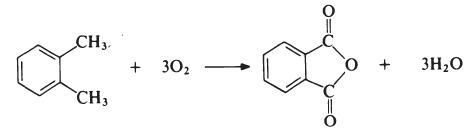
    Preparation The most important modifying component used in the manufacture of linear unsaturated polyesters is phthalic anhydride. The anhydride is generally obtained by the oxidation of o-xylene:

    Shop Phthalic anhydride85-44-9-Detailed Image 3


    The reaction is carried out in the vapour phase by passing a mixture of o-xylene and air over a catalyst such as vanadium pentoxide supported on silica and promoted with titanium dioxide at about 400C. The exit gases are cooled and the phthalic anhydride is collected and purified by distillation under reduced pressure.
    Synthesis Reference(s) The Journal of Organic Chemistry, 25, p. 616, 1960 DOI: 10.1021/jo01074a035
    Synthesis, p. 612, 1973
    Tetrahedron Letters, 20, p. 2301, 1979 DOI: 10.1016/S0040-4039(01)93957-7
    General Description A colorless to white lustrous solid in the form of needles with a mild distinctive odor. Moderately toxic by inhalation or ingestion and a skin irritant. Melting point 64°F Flash point 305°F. Forms a corrosive solution when mixed with water. Used in the manufacture of materials such as artificial resins.
    Air & Water Reactions Reacts, usually slowly with water to form phthalic acid and heat [Merck 11th ed. 1989]. The phthalic acid is somewhat soluble in water.
    Reactivity Profile Phthalic anhydride reacts exothermically with water. The reactions are sometimes slow, but can become violent when local heating accelerates their rate. Acids accelerate the reaction with water. Incompatible with acids, strong oxidizing agents, alcohols, amines, and bases. Undergoes exothmeric nitration with fuming nitric acid-sulfuric acid and may give mixtures of the potentially explosive phthaloyl nitrates or nitrites or their nitro derivatives [Chem. & Ind. 20:790. 1972]. Phthalic anhydride reacts violently with CuO at elevated temperatures [Park, Chang-Man, Richard J. Sheehan. hthalic Acids and Other Benzenepolycarboxylic Acids Kirk-Othmer Encyclopedia of Chemical Technology. John Wiley & Sons, Inc. 2005]. Mixtures of Phthalic anhydride and anhydrous CO2 explode violently if heated [eaflet No. 5, Inst. of Chem., London, 1940].
    Health Hazard Solid irritates skin and eyes, causing coughing and sneezing. Liquid causes severe thermal burns.
    Fire Hazard Combustible material: may burn but does not ignite readily. Substance will react with water (some violently) releasing flammable, toxic or corrosive gases and runoff. When heated, vapors may form explosive mixtures with air: indoors, outdoors and sewers explosion hazards. Most vapors are heavier than air. They will spread along ground and collect in low or confined areas (sewers, basements, tanks). Vapors may travel to source of ignition and flash back. Contact with metals may evolve flammable hydrogen gas. Containers may explode when heated or if contaminated with water.
    Pharmaceutical Applications Phthalic anhydride reacted with cellulose acetate forms cellulose acetate phthalate (CAP), a common enteric coating excipient that has also been shown to have antiviral activity. Phthalic anhydride is a degradation product of CAP.
    Contact allergens Phthalic anhydride is used in the manufacture of unsaturated polyesters and as a curing agent for epoxy resins. When used as a pigment, it can be responsible for sensitization in ceramic workers. Phthalic anhydride per se is not responsible for the sensitization to the resin used in nail varnishes phthalic anhydride/trimellitic anhydride/ glycols copolymer.
    Safety Profile Poison by ingestion. Experimental teratogenic effects. A corrosive eye, skin , and mucous membrane irritant. A common air contaminant. Combustible when exposed to heat or flame; can react with oxidzing materials. Moderate explosion hazard in the form of dust when exposed to flame. The production of ths material has caused many industrial explosions. Mixtures with copper oxide or sodium nitrite explode when heated. Violent reaction with nitric acid + sulfuric acid above 80℃. To fight fire, use CO2, dry chemical. Used in plasticizers, polyester resins, and alkyd resins, dyes, and drugs. See also ANHYDRIDES.
    Synthesis Phthalic anhydride is a precursor to a variety of reagents useful in organic synthesis. Important derivatives include phthalimide and its many derivatives. Chiral alcohols form half-esters (see above), and these derivatives are often resolvable because they form diastereomeric salts with chiral amines such as brucine. A related ring - opening reaction involves peroxides to give the useful peroxy acid:
    C6H4(CO)2O + H2O2 → C6H4(CO3H)CO2H.
    Potential Exposure Phthalic anhydride is used in plasticizers; in the manufacture of phthaleins; benzoic acid; alkyd and polyester resins; synthetic indigo; and phthalic acid;which is used as a plasticizer for vinyl resins. To a lesser extent, it is used in the production of alizarin, dye, anthranilic acid; anthraquinone, diethyl phthalate; dimethyl phthalate; erythrosine, isophthalic acid; methylaniline, phenolphthalein, phthalamide, sulfathalidine, and terephthalic acid. It has also found uses as a pesticide intermediate.
    Shipping UN2214 Phthalic anhydride with>.05 % maleic anhydride, Hazard class: 8; Labels: 8-Corrosive material.
    Purification Methods Distil the anhydride under reduced pressure. Purify it from the acid by extracting with hot CHCl3, filtering and evaporating. The residue is crystallised from CHCl3, CCl4 or *benzene, or sublimed. Fractionally crystallise it from its melt. Dry it under vacuum at 100o. [Saltiel J Am Chem Soc 108 2674 1986, Beilstein 17/11 V 253.]
    Toxicity evaluation Phthalic anhydride modulates lipid mediator release and cytokine formation and has sensitizing effects on the respiratory tract. The local irritating effect particularly on the mucous membranes probably depends on the hydrolysis to phthalic acid.
    Incompatibilities Dust forms an explosive mixture with air. Phthalic anhydride reacts exothermically with water. The reactions are sometimes slow, but can become violent when local heating accelerates their rate. Acids accelerate the reaction with water. Incompatible with acids, strong oxidizing agents, alcohols, amines, and bases. Converted to phthalic acid in hot water. Incompatible with oxidizers (chlorates, nitrates, peroxides, permanganates, perchlorates, chlorine, bromine, fluorine, etc.); contact may cause fires or explosions. Keep away from alkaline materials, strong bases, strong acids, oxoacids, epoxides. caustics, ammonia, amines, water. Reacts violently with copper oxide or sodium nitrite 1 heat.
    Toxics Screening Level The initial threshold screening level (ITSL) for phthalic anhydride (CAS # 85-44-9) is 20 μg/m 3 with an annual averaging time.
    Waste Disposal Use a licensed professional waste disposal service to dispose of this material. Dissolve or mix the material with a combustible solvent and burn in a chemical incinerator equipped with an afterburner and scrubber. All federal, state, and local environmental regulations must be observed. Consult with environmental regulatory agencies for guidance on acceptable disposal practices. Generators of waste containing this contaminant (≥100 kg/mo) must conform with EPA regulations governing storage, transportation, treatment, and waste disposal.

    Shop Fluorobenzene462-06-6C6H5F-Detailed Image 2 Shop Fluorobenzene462-06-6C6H5F-Detailed Image 3 Shop Fluorobenzene462-06-6C6H5F-Detailed Image 4 Shop Fluorobenzene462-06-6C6H5F-Detailed Image 5 Shop Fluorobenzene462-06-6C6H5F-Detailed Image 6 Shop Fluorobenzene462-06-6C6H5F-Detailed Image 7


    Basic Info
    Product Name:

    Phthalic anhydride

    Other Name:

    1,3-Isobenzofurandione;Phthalic anhydride;ESEN;Phthalandione;1,3-Phthalandione;Phthalic acid anhydride;Retarder AK;Retarder ESEN;Retarder PD;1,2-Benzenedicarboxylic anhydride;Vulkalent B/C;TGL 6525;Araldite HT 901;HT 901;Phthalanhydride;Sconoc 7;Retarder B-C;NSC 10431;Sconoc 5;2-Benzofuran-1,3-dione;Rikacid PA;OP 392;ADP 1200;1,3-Dihydro-2-benzofuran-1,3-dione;39363-63-8

    CAS No.:

    85-44-9

    Molecular Formula:

    C8H4O3

    InChIKeys:

    InChIKey=LGRFSURHDFAFJT-UHFFFAOYSA-N

    Molecular Weight:

    148.116

    Exact Mass:

    148.016

    HScode:

    2917350000

    Characteristics
    PSA:

    43.37

    XLogP3:

    0.9972

    Appearance:

    white crystalline solid with choking odour

    Density:

    1.53

    Melting Point:

    129-132ºC

    Boiling Point:

    284ºC

    Flash Point:

    152ºC

    Refractive Index:

    1.646

    Water Solubility:

    6 g/L (20 ºC)

    Storage Conditions:

    Store at RT.

    Vapor Pressure:

    <0.01 mm Hg ( 20 °C)

    Vapor Density:

    5.1 (vs air)

    Hazard Identification

    Classification of the substance or mixture

    Acute toxicity - Category 4, Oral

    Skin irritation, Category 2

    Serious eye damage, Category 1

    Skin sensitization, Category 1

    Specific target organ toxicity – single exposure, Category 3

    Respiratory sensitization, Category 1

    GHS label elements, including precautionary statements

    Pictogram(s)

    Signal word

    Danger

    Hazard statement(s)

    H302 Harmful if swallowed

    H315 Causes skin irritation

    H318 Causes serious eye damage

    H317 May cause an allergic skin reaction

    H335 May cause respiratory irritation

    H334 May cause allergy or asthma symptoms or breathing difficulties if inhaled

    Precautionary statement(s)
    Prevention

    P264 Wash ... thoroughly after handling.

    P270 Do not eat, drink or smoke when using this product.

    P280 Wear protective gloves/protective clothing/eye protection/face protection/hearing protection/...

    P261 Avoid breathing dust/fume/gas/mist/vapours/spray.

    P272 Contaminated work clothing should not be allowed out of the workplace.

    P271 Use only outdoors or in a well-ventilated area.

    P284 [In case of inadequate ventilation] wear respiratory protection.

    Response

    P301+P317 IF SWALLOWED: Get medical help.

    P330 Rinse mouth.

    P302+P352 IF ON SKIN: Wash with plenty of water/...

    P321 Specific treatment (see ... on this label).

    P332+P317 If skin irritation occurs: Get medical help.

    P362+P364 Take off contaminated clothing and wash it before reuse.

    P305+P354+P338 IF IN EYES: Immediately rinse with water for several minutes. Remove contact lenses, if present and easy to do. Continue rinsing.

    P317 Get medical help.

    P333+P317 If skin irritation or rash occurs: Get medical help.

    P304+P340 IF INHALED: Remove person to fresh air and keep comfortable for breathing.

    P319 Get medical help if you feel unwell.

    P342+P316 If experiencing respiratory symptoms: Get emergency medical help immediately.

    Storage

    P403+P233 Store in a well-ventilated place. Keep container tightly closed.

    P405 Store locked up.

    Disposal

    P501 Dispose of contents/container to an appropriate treatment and disposal facility in accordance with applicable laws and regulations, and product characteristics at time of disposal.

    Other hazards which do not result in classification

    no data available

    Handling and Storage

    Precautions for safe handling

    NO open flames. Closed system, dust explosion-proof electrical equipment and lighting. Prevent deposition of dust. Handling in a well ventilated place. Wear suitable protective clothing. Avoid contact with skin and eyes. Avoid formation of dust and aerosols. Use non-sparking tools. Prevent fire caused by electrostatic discharge steam.

    Conditions for safe storage, including any incompatibilities

    Separated from combustible substances, reducing agents, strong oxidants, strong bases, strong acids and food and feedstuffs. See Chemical Dangers. Ventilation along the floor. Dry. Well closed.Chemical stability: Stable under recommended storage conditions.

  • Seller Information
    Business Type:

    Trader

    Main Products:

    pharmaceutical intermediates,peptides,electronic chemicals

    Location:

    Room 102, 1st Floor, East Office Building, No. 45 Pengwan Road, Qianwan Bonded Port Area, Qingdao Zone, China (Shandong) Pilot Free Trade Zone

    Payment Terms:

    100% TT in advance

    Average lead Time:

    10

    Total Annual Revenue:

    $10 million-$25 million

    Total Employees:

    51-100

    Year of Establishment:

    2024

    A reliable supplier is like insurance.

    We are mainly specilized in supply of pharmaceutical intermediates, electronic chemicals,food additives, and other fine chemical products.
    Integrity is the foundation, quality is life. We would like to work together with you to build a greener and brighter future.

    Website: orientchem.cc
    Email: scarlett@orientchem.cc
    WhatsApp: +86 17753254221

  • Inquiry History
    124 Inquiries
    Country Product Purchase Quantity Date Posted
    India

    Factory Supply Phthalic Anhydride/PA 99.9% CAS: 85-44-9

    25 MT Oct 27, 2023
    India

    Phthalic Anhydride

    26 MT Aug 29, 2024
    Germany

    Phthalic Anhydride

    230 TON Jul 22, 2024
    Ireland

    Phthalic Anhydride

    20 TON Apr 25, 2025
    India

    Phthalic Anhydride

    20.00 MT Feb 18, 2024
    Qatar

    Phthalic Anhydride

    60.00 TON May 23, 2024
    United Kingdom

    Phthalic Anhydride

    100 MT May 21, 2026
    India

    Phthalic Anhydride

    600 MT Dec 17, 2025
    Saudi Arabia

    Phthalic Anhydride

    1.00 KG Nov 4, 2025
    South Korea

    Phthalic anhydride

    1 40' Fcl Apr 30, 2025
    United States

    Phthalic Anhydride

    100 MT Apr 14, 2025
    Zambia

    Phthalic Anhydride (PA)

    1 MT Mar 31, 2025
    Kuwait

    phthalic anhydride

    20.00 MT Feb 20, 2025
    Argentina

    Anhídrido Ftálico (PA)

    1 MT Jan 29, 2025
    Egypt

    Phthalic Anhydride

    1000.00 KG Jan 24, 2025
    Pakistan

    Phthalic Anhydride

    1 MT Dec 17, 2024
    Egypt

    Phthalic Anhydrate

    2 20' Fcl Dec 4, 2024
    Germany

    pthalic anhydride

    200 TON Aug 21, 2024
    United States

    Phthalic anhydride

    300000 KG Jul 19, 2024
    India

    Phthalic anhydride

    20.00 TON Jul 10, 2024
    Post an enquiry for this product
pic ×

Scan the QR Code to Share

All products displayed on this website are only for non-medical purposes such as industrial applications or scientific research, and cannot be used for clinical diagnosis or treatment of humans or animals. They are not medicinal or edible.

According to relevant laws and regulations and the regulations of this website, units or individuals who purchase hazardous materials should obtain valid qualifications and qualification conditions.

The information shown above is provided by the enterprise itself, and the authenticity, accuracy and legitimacy of the content are the responsibility of the publishing company. ECHEMI does not bear any guarantee responsibility for this. Please be aware that risks in internet transactions objectively exist.

Feedback & Suggestions
Send Message

Thank you for your feedback. If you require further assistance, please contact us by email at info@echemi.com or call us at +86-532-55729510.